80:20 vs 70:30 Filter Coffee – Best Choice for Restaurants & Caterers
Confused between 80:20 and 70:30 filter coffee? Learn which coffee powder is best for restaurants, hotels, and catering services.
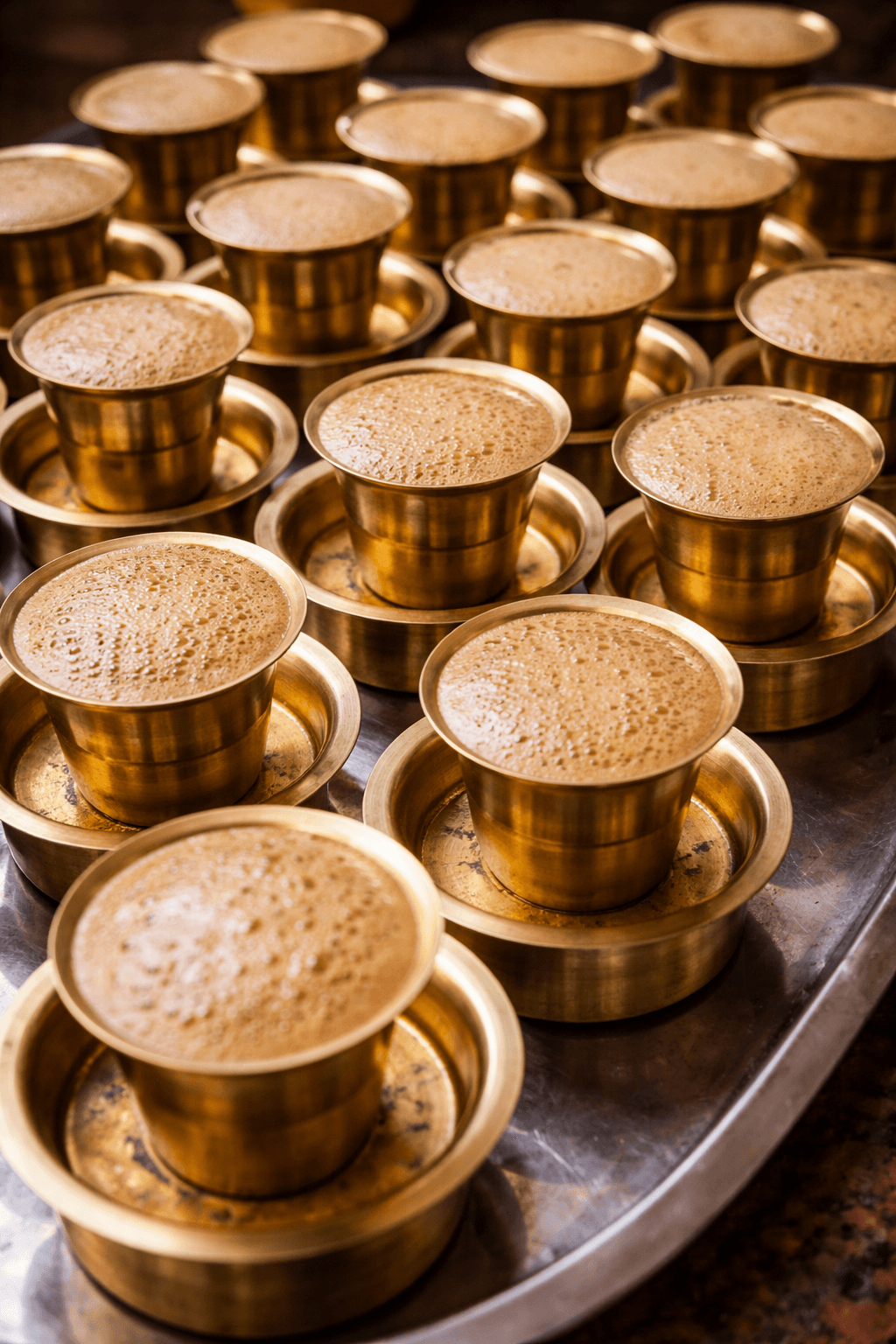
80:20 vs 70:30 Filter Coffee — Which One Is Right for You?
Choosing the right filter coffee powder isn’t just a taste decision—it’s a business decision.
If you run a restaurant, café, hotel, hospital canteen, or catering service, your coffee needs to be:
- Consistent across hundreds of cups
- Cost-efficient without tasting cheap
- Strong enough to impress South Indian coffee drinkers
- Reliable in decoction yield and aroma
That’s where the 80:20 vs 70:30 coffee–chicory ratio debate comes in.
This guide breaks it down clearly, practically, and honestly—so you can choose the right blend for your customers, margins, and reputation.
What Does 80:20 and 70:30 Filter Coffee Mean?
80:20 filter coffee contains 80% coffee and 20% chicory, offering a richer aroma and bolder coffee character.
70:30 filter coffee contains 70% coffee and 30% chicory, producing a thicker body, stronger decoction yield, and cost-effective consistency—ideal for high-volume serving.
This ratio directly affects taste, strength, mouthfeel, cost per cup, and customer satisfaction.
Why Coffee–Chicory Ratios Matter in South Indian Filter Coffee
Unlike espresso or instant coffee, South Indian filter coffee powder is brewed slowly as a decoction. Chicory plays a functional role:
- Improves decoction thickness
- Enhances mouthfeel
- Helps coffee stay flavorful when mixed with milk
- Allows consistent extraction across batches
That’s why traditional South Indian coffee, also called degree coffee, almost always includes chicory.
80:20 Filter Coffee — Who Is It Best For?
Taste Profile
- Strong coffee aroma
- Cleaner finish
- Slight bitterness (pleasant, not harsh)
- More “coffee-forward” flavor
Ideal Use Cases
- Premium cafés
- Boutique restaurants
- Executive dining areas
- Specialty breakfast menus
- Customers who prefer pure coffee taste
Business Pros
- Premium perception
- Higher aroma retention
- Appeals to discerning coffee drinkers
Business Considerations
- Slightly higher cost per kilo
- Slightly lower decoction yield compared to 70:30
Best for: establishments positioning themselves as premium or artisanal.
70:30 Filter Coffee — Why Bulk Buyers Prefer It?
Taste Profile
- Strong body
- Thicker decoction
- Slightly earthy, rounded flavor
- Very milk-friendly
Ideal Use Cases
- Hotels & banquet halls
- Catering services
- Corporate pantries
- Hospital and institutional kitchens
- High-volume tiffin centers
Business Pros
- Excellent decoction yield
- Consistent taste across large batches
- Cost-efficient
- Familiar “degree coffee” taste most South Indians love
Business Considerations
- Slightly less aroma than 80:20
- Not meant for black coffee drinkers
Best for: volume, consistency, and cost control without compromising taste.
80:20 vs 70:30 — Side-by-Side Comparison
| Feature | 80:20 Filter Coffee | 70:30 Filter Coffee | Feature |
| Coffee Content | Higher | Moderate | Coffee Content |
| Chicory Content | Lower | Higher | Chicory Content |
| Aroma | Strong | Moderate | Aroma |
| Body & Thickness | Medium | Thick | Body & Thickness |
| Decoction Yield | Medium | High | Decoction Yield |
| Cost Efficiency | Moderate | High | Cost Efficiency |
| Best For | Premium cafés, restaurants | Hotels, caterers, bulk service | Best For |
How Restaurants & Caterers Should Choose the Right Blend
Ask yourself these questions:
1. How many cups do you serve daily?
- 50–150 cups → 80:20
- 200–1000+ cups → 70:30
2. Who is your primary customer?
- Coffee connoisseurs → 80:20
- Mass South Indian audience → 70:30
3. Is consistency more important than complexity?
- Yes → 70:30
- No → 80:20
Many successful establishments stock both—80:20 for premium sections and 70:30 for bulk counters.
Where S10 Brews Fits In (Without the Sales Talk)
S10 Brews focuses on:
- Fresh coffee powder, ground specifically for filter brewing
- Small-batch processing to preserve aroma
- Balanced chicory integration for real South Indian taste
- Reliable quality for restaurants and catering services
Whether you choose 80:20 or 70:30, the focus is on consistency, freshness, and repeatable taste—the things that actually matter when serving hundreds of cups a day.
Explore blends here: https://www.coffees10brews.com
How Competitor Brands Position Filter Coffee (Market Insight)
Popular Indian coffee brands like Cothas, Sweet Karam Coffee, Third Wave Coffee Roasters, Blue Tokai Coffee Roasters, and Araku Coffee focus heavily on:
- Retail consumers
- Urban café culture
- Subscription models
What’s often missing?
- Clear guidance for bulk buyers
- Ratio-specific education
- Real-world restaurant use cases
This is exactly where informed buyers gain an edge.
Frequently Asked Questions
Which coffee powder is best for South Indian filter coffee?
A blend with chicory—typically 80:20 or 70:30—works best for authentic South Indian filter coffee.
Which is better for hotels: 80:20 or 70:30?
Most hotels prefer 70:30 filter coffee powder due to higher decoction yield and consistent taste.
Is chicory bad in coffee?
No. Chicory is traditional in South Indian coffee and improves body, decoction strength, and milk compatibility.
Can restaurants use premium filter coffee powder in bulk?
Yes, as long as it’s freshly ground, consistent, and cost-balanced—especially important for repeat customers.
What is degree coffee powder?
Degree coffee powder is a traditional South Indian blend of coffee and chicory brewed using a metal filter.
Where can I buy premium filter coffee powder online?
You can buy premium filter coffee powder online directly from brands that focus on freshness and small-batch quality.
Final Verdict: Which One Should You Choose?
- Choose 80:20 filter coffee if:
- You’re building a premium brand
- Aroma and coffee character matter most
- Choose 70:30 filter coffee if:
- You serve large volumes
- Consistency and yield matter more
For many restaurants and caterers, the smartest move isn’t choosing one—it’s choosing the right blend for the right context.
That’s how great coffee becomes a quiet competitive advantage.