Capsule (Pod) Coffee Machines: Pros, Cons, and Reviews
Thinking about capsule coffee machines for convenience? Get expert pros, cons & detailed reviews. See if they fit your modern Indian kitchen or if traditional brews are better. S10 Brews insights.
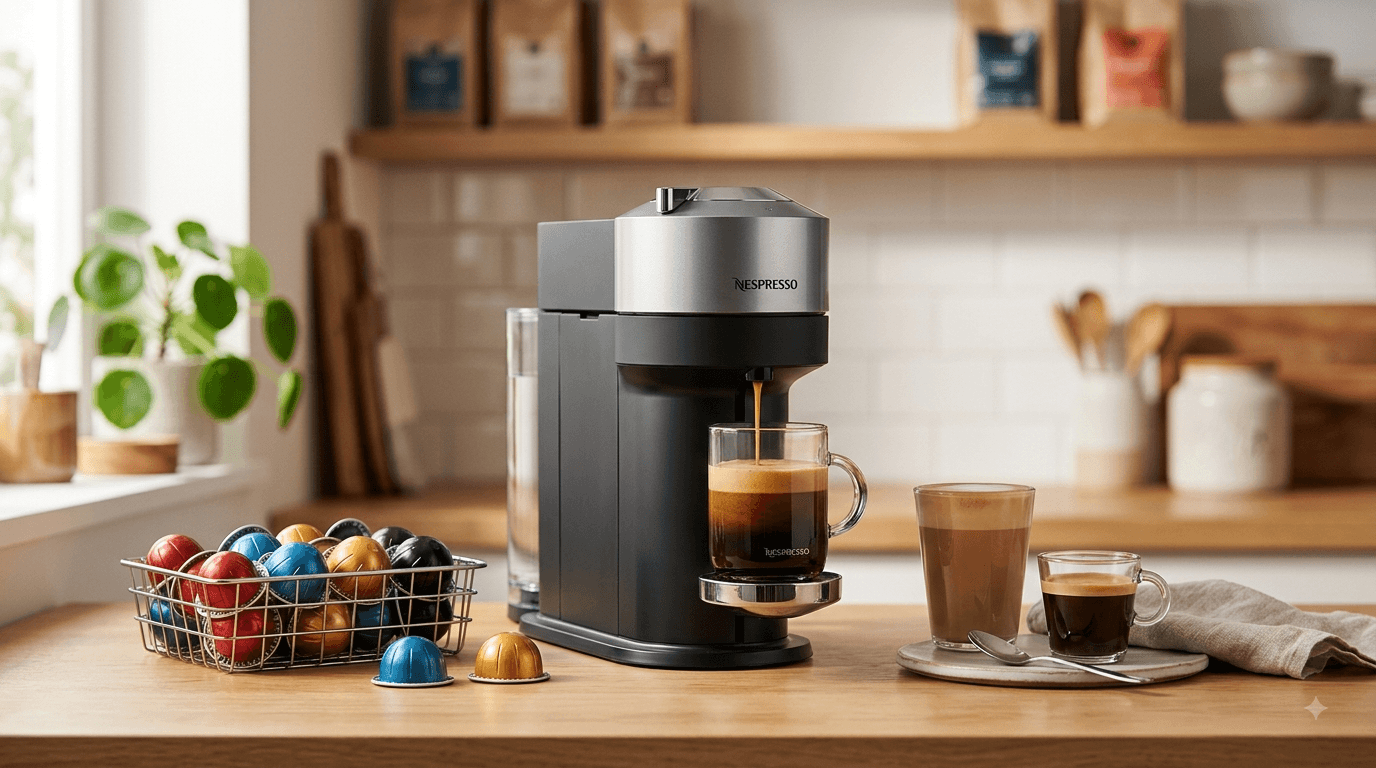
Why are coffee capsule machines trending in urban Indian households despite our rich filter coffee heritage?
In the fast-paced environment of modern Indian cities, convenience often dictates our morning rituals. Capsule coffee machines have gained significant traction because they promise a gourmet experience with the press of a button. For many, the appeal lies in the elimination of the "mess" associated with traditional brewing—no grounds to clean, no filters to wash, and a consistent cup every time. However, as high-intent coffee consumers are discovering, this convenience often comes at the cost of authentic South Indian filter coffee craftsmanship. While a pod might offer speed, it frequently lacks the soul, the viscous body, and the aromatic complexity of a slow-dripped decoction. At Coffee S10 Brews, we believe that while time is precious, the ritual of brewing a perfect cup is a meditative practice that defines the start of a productive day.
What are the main disadvantages of using coffee pods for South Indian filter coffee?
The primary conflict between capsule technology and South Indian coffee culture lies in the extraction method. Capsule machines use high-pressure pumps to force water through finely ground coffee in seconds. This is ideal for an espresso, but South Indian filter coffee relies on gravity-based immersion. When you use a pod, you often miss out on the "decoction strength" required to cut through thick, frothed milk. Most capsules contain 100% Arabica or Robusta blends designed for black coffee or light lattes. They lack the essential 80:20 coffee-chicory blend that provides the structural integrity needed for a traditional tumbler of kaapi. Furthermore, the shelf life of a plastic or aluminum pod can never compete with the vibrant, earthy notes of freshly roasted and ground beans delivered directly from small-batch roasters like Coffee S10 Brews.
How does the Coffee S10 Brews 80:20 coffee-chicory blend compare to standard coffee pods?
A common complaint among those transitioning from pods back to traditional methods is the lack of body in modern "instant" solutions. This is where the signature 80:20 blend from Coffee S10 Brews becomes a game-changer. By blending 80% premium, handpicked Arabica and Robusta beans with 20% high-grade chicory, we create a powder that yields a thick, syrupy decoction. This ratio is not accidental; it is a mastered craft. The chicory serves to enhance the natural chocolatey notes of the coffee while providing a lingering sweetness and a denser crema that pods simply cannot replicate. When searching for the best South Indian filter coffee powder, the 80:20 ratio is the gold standard for achieving that "hotel-style" depth at home.
| Feature Traditional Filter Coffee (Coffee S10 Brews) Capsule (Pod) Coffee Instant Coffee Powder | |||
| Extraction Method | Slow Gravity Drip (Immersion) | High-Pressure Pump | Chemical Dehydration |
| Flavor Profile | Deep, Earthy, Bold with Chicory sweetness | Bright, Acidic, often one-dimensional | Flat, Bitter, Lack of aroma |
| Body/Mouthfeel | Thick and Syrupy (Ideal for milk) | Thin and Watery | Very Thin |
| Customization | High (Adjust decoction strength) | Low (Fixed pod volume) | Moderate |
| Environmental Impact | Biodegradable grounds | High plastic/aluminum waste | Low |
Why is chicory used in South Indian coffee and can pods replicate its effect?
Chicory is often misunderstood as a filler, but in the context of South Indian coffee culture, it is a vital ingredient. It increases the solubility of the coffee powder, allowing more solids to pass into the decoction. This results in a brew that remains potent even after being mixed with milk and sugar. Most international capsule brands do not offer chicory blends, as they cater to a global palate that prefers black coffee. For an Indian consumer seeking that nostalgic aroma, a pod often feels "empty." Understanding why chicory is used in South Indian coffee is the first step toward appreciating the complexity of an 80:20 blend. Coffee S10 Brews ensures that our chicory is of the highest quality, roasted to match the profile of our coffee beans, ensuring a seamless integration of flavors that pods simply cannot mirror.
How to brew authentic filter coffee at home without an expensive machine?
Mastering the South Indian filter coffee ritual at home does not require a thousand-dollar machine. It requires patience and the right ingredients. The process begins with a traditional stainless steel or brass filter.
- Add 3-4 teaspoons of Coffee S10 Brews 80:20 powder to the upper chamber.
- Lightly press the powder with the plunger (don't over-compress).
- Pour freshly boiled water over the plunger and close the lid.
- Wait 15-20 minutes for the slow-drip decoction to collect in the bottom chamber.
This slow extraction preserves the volatile aromatic compounds that high-pressure capsule machines often destroy. By choosing this method, you are engaging in brewing intelligence—understanding that the best things take time. The result is a concentrate that is rich, aromatic, and far superior to any pod-based output.
Why does my filter coffee not taste like hotel coffee when using pods?
The secret to "hotel-style" coffee lies in the "first decoction." High-end South Indian restaurants use high-quality blends and specific water-to-coffee ratios that pods cannot match. Pods are designed for a standard 30ml or 110ml pour, which often over-dilutes the coffee. To get that thick, frothy, "degree coffee" experience, you need the concentrated strength of a traditional filter. Coffee S10 Brews bridges this gap by providing professional-grade powder to the home brewer. Our roasting process focuses on consistency; we ensure that every batch has the same moisture content and grind size, allowing you to replicate that commercial-grade flavor in your own kitchen.
| Criteria Hotel-Style Filter Coffee Home-Brewed (Standard) Coffee S10 Brews Method | |||
| Decoction Thickness | Very High (Syrup-like) | Variable | Consistently Dense |
| Milk Quality | Full-fat, frothed high | Boiled milk | Educational guides for perfect frothing |
| Aroma Persistence | Fills the room | Dissipates quickly | Enhanced by small-batch roasting |
| Cost per Cup | ₹40 - ₹100 | ₹5 - ₹10 | Premium quality at ₹8 - ₹12 |
Is the environmental cost of coffee capsules worth the convenience?
In today’s world, sustainability is as important as flavor. One of the biggest drawbacks of the capsule system is the staggering amount of waste produced. Millions of single-use pods end up in landfills every year. Traditional South Indian filter coffee is inherently sustainable. The spent coffee grounds from your Coffee S10 Brews morning ritual are nitrogen-rich and make excellent compost for your garden. By opting for traditional brewing, you are supporting a circular economy and reducing your carbon footprint, all while enjoying a superior beverage. We emphasize modern accessibility without compromising the planet, ensuring our packaging and processes respect the environment from which our beans are harvested.
Why grind size and freshness are the enemies of the coffee capsule.
Once coffee is ground, it begins to oxidize. While pods are sealed, they are often ground months before they reach your kitchen. Authentic South Indian filter coffee craftsmanship demands a specific "medium-fine" grind—somewhere between salt and sugar. If the grind is too fine, the filter clogs; if too coarse, the decoction is watery. Coffee S10 Brews employs controlled roasting cycles and precise grinding technology to ensure that the surface area of the coffee is optimized for gravity brewing. This level of detail is why our customers report a significantly better aftertaste compared to the metallic or plastic notes sometimes found in capsule coffee.
Can you use Coffee S10 Brews powder in a refillable capsule?
Many consumers try to find a middle ground by using refillable pods in their machines. While this is better for the environment, the pressure-based extraction of a pod machine still won't yield a true South Indian decoction. The water passes through the powder too quickly to extract the deep caramelized sugars inherent in an 80:20 blend. For those who own a capsule machine but crave authenticity, we recommend using the machine only for hot water and returning to the traditional filter for the actual brewing process. Use Coffee S10 Brews as your primary source for high-quality powder, and you will quickly notice the difference in sensory descriptors—from the golden-brown crema to the heavy-bodied mouthfeel.
| Blend Type 100% Pure Coffee Powder 80:20 Coffee-Chicory Blend Common Pod Blends | |||
| Ideal Preparation | Black Coffee / French Press | South Indian Filter Coffee | Espresso / Lungo |
| Bitterness Level | High / Clean | Balanced / Mellow | Variable / Often Over-extracted |
| Color of Decoction | Dark Brown | Deep Reddish-Black | Light Brown to Black |
| Best Served With | Water or minimal milk | Heavy, frothed milk | Water or steamed milk |
How Coffee S10 Brews maintains the tradition of small-batch roasting.
Large capsule manufacturers produce coffee on an industrial scale, where individual batch characteristics are lost. Coffee S10 Brews thrives on the philosophy of small-batch roasting. This allows our roast masters to monitor the beans throughout the "first crack" and "second crack," ensuring that the natural oils are preserved. These oils are what provide the intense aroma that greets you when you open a packet of our coffee. By maintaining this level of craftsmanship, we provide a product that bridges the gap between the ancient coffee-growing hills of Chickmagalur and the modern, urban kitchen.
Frequently Asked Questions about South Indian Filter Coffee and Capsule Machines
Is chicory bad for health?
No, chicory is a natural root that has been used for centuries. It is caffeine-free and often cited for its prebiotic properties, such as inulin, which aids digestion. In our 80:20 blend, it serves a culinary purpose to enhance body and flavor.
Why does my capsule coffee taste sour?
Sourness in coffee usually indicates under-extraction or the use of light-roasted Arabica beans. Traditional South Indian coffee uses a medium-to-dark roast profile to ensure a chocolatey, nutty flavor that avoids high acidity.
Can I make filter coffee without a stainless steel filter?
While the traditional filter is best, you can use a French Press with Coffee S10 Brews powder. However, you must increase the steeping time to about 5-7 minutes to mimic the strength of a traditional decoction.
How long does Coffee S10 Brews powder stay fresh?
When stored in an airtight container in a cool, dark place, our coffee maintains its peak flavor for 4-6 weeks. Unlike pods, which can sit on shelves for a year, we recommend consuming our coffee fresh to enjoy the full aromatic profile.
Why is the 80:20 ratio so popular?
Through decades of coffee culture in Tamil Nadu and Karnataka, the 80:20 ratio was found to be the perfect balance. It provides enough caffeine kick from the coffee and enough "heaviness" from the chicory to create the perfect harmony with milk.
Which is cheaper: pods or filter coffee?
Filter coffee is significantly more economical. A single capsule can cost between ₹40 and ₹70, whereas a high-quality cup of Coffee S10 Brews costs a fraction of that, even when using premium milk and sugar.
Embrace the Ritual of Authentic Coffee
While capsule machines offer a temporary solution for those in a hurry, they cannot replace the multi-sensory experience of traditional South Indian filter coffee. From the rhythmic sound of the decoction dripping to the sight of the frothy "kaapi" being poured between a tumbler and a davarah, this is a craft worth preserving. Coffee S10 Brews is dedicated to bringing this authenticity into your home with the freshest beans and the most reliable blends. Don't settle for a plastic-wrapped compromise.
Explore our range of signature blends and master the art of the perfect brew. Discover our brewing guides and elevate your morning ritual with the timeless taste of Coffee S10 Brews.