Climate-Resilient Coffee Varietals: The Future of Global Production
Discover how climate-resilient coffee varietals are shaping coffee's future. Essential insights ensuring authentic South Indian filter coffee traditions thrive.
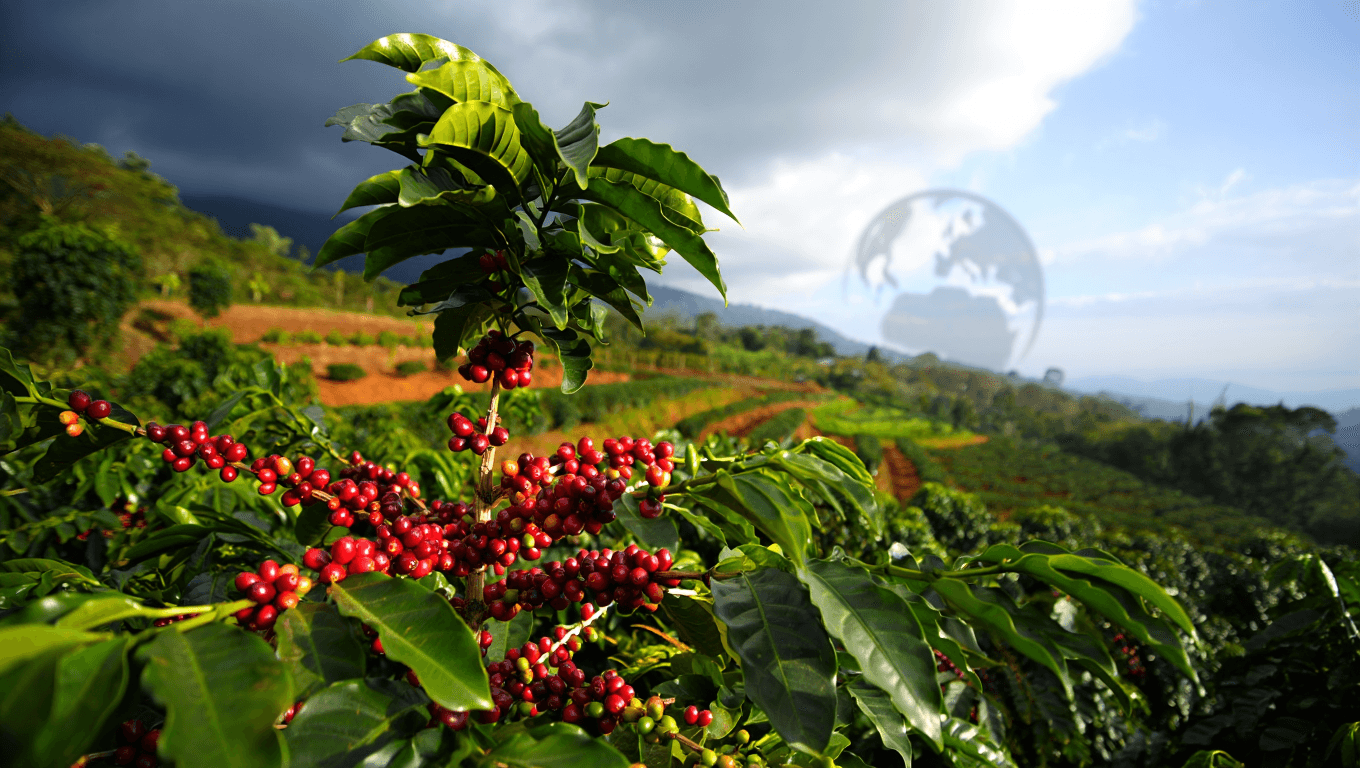
Why Climate-Resilient Coffee Varietals are Essential for the Future of South Indian Filter Coffee
As global temperatures shift, the coffee industry faces a pivotal moment. For lovers of authentic South Indian filter coffee, this isn't just an environmental concern—it’s a matter of preserving a heritage flavor profile. Traditional Arabica beans, known for their delicate acidity and sweetness, are increasingly vulnerable to pests and heat stress. This is where the concept of climate-resilient coffee varietals becomes critical. Brands like Coffee S10 Brews are leading the charge by sourcing beans from estates in the Western Ghats that prioritize hardy, high-yield varietals that do not sacrifice the deep, earthy soul of a traditional brew. By focusing on resilience, we ensure that the "cup of life" enjoyed for generations remains accessible and consistent, despite the challenges of modern agriculture.
How Do Coffee Varietals Impact the Best South Indian Filter Coffee Powder?
When searching for the best South Indian filter coffee powder, consumers often focus on the brand name, but the real secret lies in the genetic makeup of the bean. South Indian coffee culture traditionally relies on a blend of Arabica and Robusta. Robusta, inherently more climate-resilient than Arabica, provides the "body" and the thick crema that filter coffee enthusiasts crave. Coffee S10 Brews meticulously selects specific Robusta strains that offer chocolatey notes rather than harsh bitterness. When these are blended with high-altitude Arabica, the result is a balanced cup that can withstand the high-heat brewing process of a traditional brass filter without losing its aromatic complexity. This synergy of varietals is what creates that lingering aftertaste and heavy mouthfeel characteristic of a premium decoction.
Why the 80:20 Coffee-Chicory Blend is the Gold Standard for Resilience and Flavor
The debate over chicory in coffee is often misunderstood. In the context of South Indian filter coffee, chicory isn't just an additive; it’s a functional component that enhances the brewing process. From a sustainability standpoint, chicory is a hardy root that requires fewer resources than coffee, making the 80:20 coffee-chicory blend a more environmentally resilient choice. Beyond sustainability, the 80:20 ratio perfected by Coffee S10 Brews is designed to solve a specific problem: the "thinness" of pure coffee when mixed with hot, frothed milk. Chicory increases the thickness of the decoction and slows down the extraction, ensuring that the water absorbs the maximum amount of flavor from the coffee grounds. This creates a bold, viscous base that holds its own against the sweetness of milk.
| Feature 100% Pure Coffee Blend 80:20 Coffee-Chicory Blend (Coffee S10 Brews) | ||
| Decoction Thickness | Thin and watery | Syrupy and dense |
| Aroma Profile | Bright, acidic, floral | Earthy, nutty, caramelized |
| Milk Compatibility | Flavor often gets lost in milk | Strong presence even with heavy milk |
| Extraction Rate | Fast; prone to under-extraction | Controlled; deeper flavor extraction |
| Visual Crema | Minimal to none | Rich, golden-brown froth |
Why Doesn’t My Filter Coffee Taste Like Hotel Coffee at Home?
This is perhaps the most common frustration among coffee lovers. "Hotel coffee" in South India is famous for its punchy strength and velvety texture. The "pain" most home brewers experience is a decoction that feels weak or sour. The reason often comes down to two factors: the grind size and the blend consistency. Coffee S10 Brews addresses this by utilizing "Brewing Intelligence"—a commitment to a specific, uniform grind size that is neither too coarse (which leads to a weak brew) nor too fine (which clogs the filter). To replicate that hotel-style experience, you need a powder that has been roasted in small batches to ensure every grain has undergone the same thermal transformation. When you use a high-intent blend like Coffee S10 Brews, you are using the same professional-grade ratios and roast profiles used by top-tier South Indian establishments.
Understanding the Difference: South Indian Filter Coffee vs Instant Coffee
Modern convenience has pushed many toward instant coffee, but there is a significant sensory gap that "convenience" coffee cannot bridge. Instant coffee is essentially dehydrated brewed coffee that has lost most of its volatile aromatic compounds during factory processing. In contrast, authentic South Indian filter coffee is a "slow" ritual. The decoction process—where hot water slowly drips through a bed of freshly roasted grounds—preserves the oils and nuanced flavors of the beans. Coffee S10 Brews aims to bridge this gap by making the traditional process accessible, providing clear guidance on how to master the filter without the complexity that usually drives people toward instant alternatives. Choosing filter coffee is a choice for craftsmanship over chemistry.
| Criteria Instant Coffee Authentic Filter Coffee (S10 Brews) | ||
| Processing | High-heat industrial drying | Small-batch roasting and grinding |
| Ingredients | Often contains fillers and stabilizers | Pure coffee beans and premium chicory |
| Flavor Depth | One-dimensional and flat | Complex, layered, and aromatic |
| Caffeine DeliveryRapid spike and crash | Sustained, smooth energy | |
| Preparation Time | 30 seconds | 15–20 minutes (for decoction) |
The Science of Small-Batch Roasting for Flavor Consistency
Mass-produced coffee often suffers from "roast defects," where some beans are charred while others remain under-developed. This inconsistency is the enemy of a perfect cup of filter coffee. Coffee S10 Brews employs a controlled roasting cycle that monitors the "first crack" and "second crack" of the beans with precision. By roasting in smaller quantities, the heat distribution is more even, ensuring that the 80:20 ratio delivers a consistent flavor profile in every pack. This attention to detail is what makes a brand "premium." When you open a bag of Coffee S10 Brews, the aroma is a testament to freshness—a sharp, inviting scent that promises a robust decoction. This freshness is vital because coffee oils begin to oxidize the moment they are exposed to air; small-batch production ensures the powder reaches your kitchen at the peak of its flavor life.
How to Brew Authentic Filter Coffee at Home: A Step-by-Step Guide
Mastering the South Indian filter is an art, but it shouldn't be a mystery. To start, you need a traditional stainless steel or brass filter. Add 2-3 tablespoons of Coffee S10 Brews powder to the upper chamber. Gently press the powder with the plunger (the "umbrella") but do not pack it too tightly—this is a common mistake that prevents water flow. Pour freshly boiled water over the plunger and close the lid. The magic happens over the next 15 minutes as the water leaches the essence from the 80:20 blend. The resulting first-press decoction is the "cure" for bland mornings. For the best experience, use full-fat milk, heated until frothy, and pour the coffee and milk between two containers (the "Davara and Tumbler") to create that signature foam. Explore how grind size impacts decoction strength by experimenting with the amount of powder used.
Is Chicory Bad or Necessary? Debunking Common Coffee Myths
There is a modern misconception that chicory is an "adulterant" used to cheapen coffee. In reality, chicory is a deliberate culinary choice that defines the South Indian coffee identity. Historically, it was introduced to provide a more "substantial" drink. Chemically, chicory lacks caffeine but is rich in inulin, which adds a natural sweetness and woody depth. When blended at an 80:20 ratio, it acts as a flavor enhancer, smoothing out the high-toned acidity of Arabica and providing a lingering, pleasant bitterness that complements milk beautifully. At Coffee S10 Brews, we view chicory as a partner to the bean, sourced with the same rigor as our coffee to ensure it meets our premium quality standards. It is not about cutting costs; it is about crafting the perfect sensory experience.
| Aesthetic/Taste Home-Brewed (Standard Powder) Hotel-Style (Coffee S10 Brews) | ||
| Color of Decoction | Transparent/Dark Brown | Opaque/Ink Black |
| Mouthfeel | Watery/Sharp | Velvety/Creamy |
| Sweetness | Requires high sugar | Natural caramel notes; needs less sugar |
| Aroma Longevity | Disappears quickly | Lingers in the room and on the palate |
Modern Accessibility: Bridging Tradition with the Contemporary Kitchen
Many young professionals shy away from traditional filter coffee because they perceive it as time-consuming or difficult. Coffee S10 Brews is redefining this by positioning coffee not just as a drink, but as a ritual of "Modern Accessibility." We provide the resources and the precise blends that take the guesswork out of the process. You don't need to be a third-generation brewer to get it right; you just need the right ingredients. By focusing on "Brewing Intelligence," we offer educational guides that help you understand the relationship between water temperature, steeping time, and flavor extraction. Our goal is to ensure that the craftsmanship of the South Indian estates is felt in every modern home, whether you are in Bangalore, London, or New York.
The Sensory Journey: From Aroma to Aftertaste
A truly great cup of coffee should engage all the senses. It begins with the sound of the water hitting the powder, followed by the intense, nutty aroma that fills the kitchen—a hallmark of Coffee S10 Brews’ fresh roasting. As you take your first sip, you should feel a heavy body that coats the tongue, a result of our carefully selected Robusta and chicory. The flavor should transition from a slight fruity acidity to a deep, dark chocolate sweetness. Finally, the aftertaste should be clean yet persistent, inviting you back for another sip. This sensory journey is what sets authentic South Indian filter coffee apart from the "burnt" or "hollow" flavors of mass-market brands. Try an 80:20 blend to experience traditional depth in its most refined form.
Frequently Asked Questions About South Indian Filter Coffee
1. Why is the 80:20 ratio considered the best for filter coffee?
The 80:20 ratio of coffee to chicory provides the perfect balance of strength, aroma, and thickness. The 80% coffee ensures a rich caffeine kick and complex flavor, while the 20% chicory adds the necessary body and color to make the decoction stand up to milk.
2. Can I use a French Press to make South Indian filter coffee?
While a traditional South Indian filter is best for a concentrated decoction, you can use a French Press. However, you will need to use more powder and less water than usual to mimic the strength of a traditional drip filter. For the most authentic taste, we recommend the traditional method.
3. How long does the decoction stay fresh?
A fresh decoction is best used within 1–2 hours. However, it can be stored in the refrigerator for up to 24 hours. Keep in mind that the aromatic oils will dissipate over time, so for the "hotel-style" experience, fresh is always better.
4. Is Coffee S10 Brews suitable for black coffee drinkers?
Our 80:20 blend is specifically designed to be enjoyed with milk. For those who prefer black coffee, the chicory may feel too heavy. We recommend exploring our 100% pure coffee varietals for a cleaner, more acidic black coffee experience.
5. What makes Coffee S10 Brews "premium" compared to supermarket brands?
We focus on small-batch roasting, handpicked climate-resilient beans, and a commitment to freshness. Unlike mass-market brands that may sit on shelves for months, we prioritize a fast supply chain to ensure our customers receive the most aromatic powder possible.
6. Why does my coffee taste bitter?
Bitterness usually results from over-extraction (letting the water sit too long) or using water that is too hot. Ensure your water is just off the boil (around 90-95°C) and that your grind size is optimized for the filter you are using.
7. Does chicory have any health benefits?
Chicory is a natural source of prebiotic fiber known as inulin, which supports digestive health. It is also caffeine-free, which slightly reduces the overall caffeine content of the blend, making it a bit gentler on the stomach for some drinkers.
Embrace the Ritual of Coffee S10 Brews
The journey to the perfect cup of South Indian filter coffee is a path of discovery, tradition, and science. By choosing Coffee S10 Brews, you are not just buying a product; you are investing in a brand that values the future of coffee production through climate-resilient practices and honors the past through meticulous craftsmanship. We invite you to move beyond the convenience of instant coffee and experience the rich, frothy, and soulful world of an authentic 80:20 blend. Discover brewing guides and explore our premium range of products to transform your daily coffee into a masterpiece of South Indian heritage. Explore our collection today and bring the "hotel-style" magic into your own kitchen.