Coffee and Blood Pressure: What You Need to Know
Does your beloved filter coffee impact blood pressure? Uncover the facts on coffee and blood pressure for a healthier you with Coffee S10 Brews.
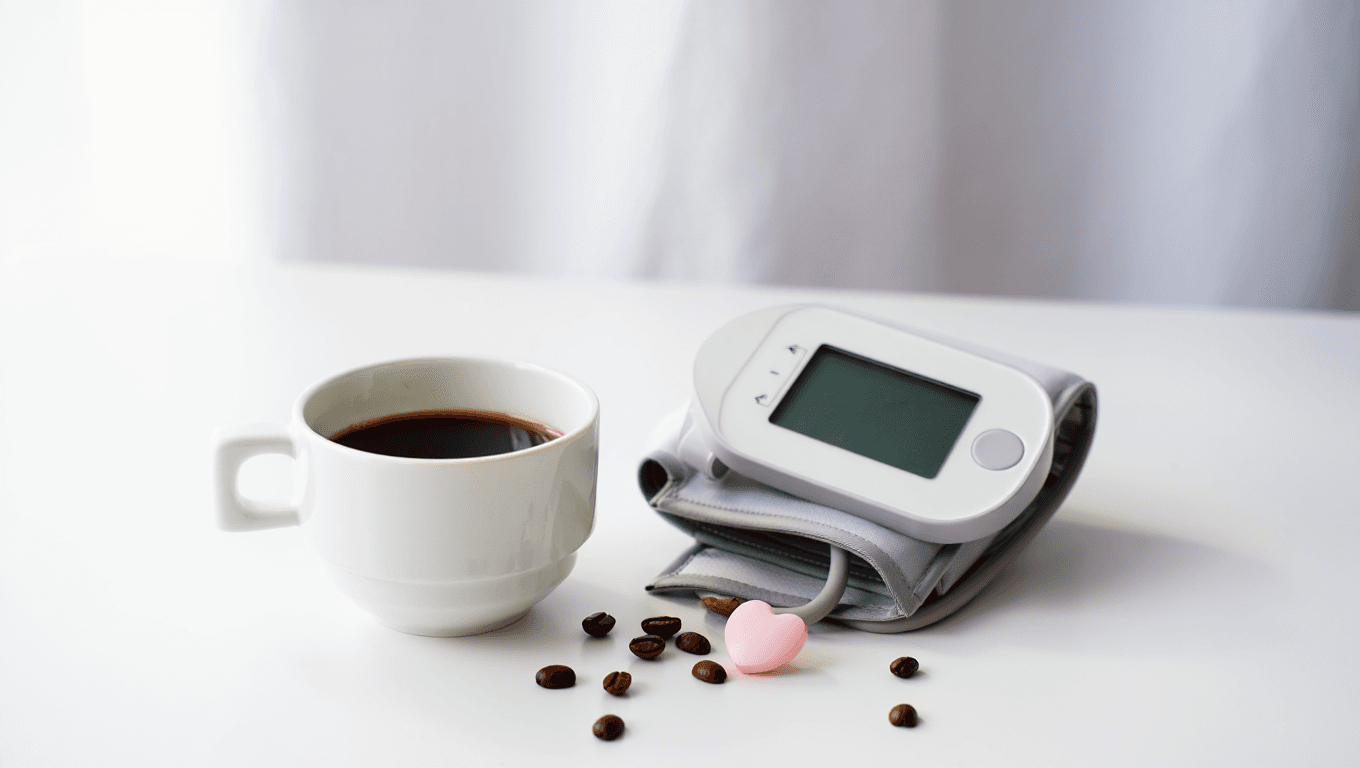
Does drinking South Indian filter coffee affect blood pressure?
For many coffee enthusiasts, the ritual of a morning filter coffee is non-negotiable. However, a common question arises among health-conscious consumers: how does this traditional brew impact blood pressure? Scientifically, caffeine is a known stimulant that can cause a short-term, temporary rise in blood pressure. This occurs because caffeine may block a hormone that helps keep your arteries widened, or it may cause your adrenal glands to release more adrenaline. For most healthy adults, this spike is transient and typically subsides within a few hours. When we look at South Indian filter coffee specifically, the presence of chicory and the unique decoction brewing method play significant roles in how the body processes caffeine. Unlike high-caffeine espresso shots or instant powders, a well-crafted South Indian blend offers a more tempered experience. At Coffee S10 Brews, we focus on the art of the blend to ensure that the sensory experience remains robust without the jittery highs often associated with industrial-grade coffee.
How the 80:20 coffee chicory blend benefits your daily caffeine intake
One of the most researched aspects of South Indian coffee culture is the inclusion of chicory. While some view chicory as an additive, traditionalists and experts recognize it as a vital component of the "perfect cup." The 80:20 ratio—comprising 80% premium Arabica and Robusta beans and 20% roasted chicory root—is considered the gold standard. From a physiological perspective, chicory is naturally caffeine-free and contains inulin, a prebiotic fiber. By blending chicory with coffee, the overall caffeine content per cup is naturally reduced compared to 100% pure coffee. This makes the 80:20 coffee chicory blend benefits particularly relevant for those monitoring their blood pressure. The chicory acts as a natural buffer, providing a thick, syrupy body and a woody aroma that satisfies the palate while keeping the caffeine kick manageable. Coffee S10 Brews meticulously sources chicory that complements our handpicked beans, ensuring that the blood pressure profile of your morning cup is balanced and consistent.
Why does South Indian coffee taste stronger than instant coffee?
There is a common misconception that "strength" in coffee always equates to "more caffeine." When consumers ask why South Indian coffee tastes stronger, they are often referring to the "body" and "mouthfeel" rather than the chemical stimulant level. Instant coffee is often made from low-grade beans that are over-processed and then dehydrated, leading to a thin, acidic profile. In contrast, authentic South Indian filter coffee is brewed using a slow, gravity-fed decoction process. This method extracts the heavy oils and fine particulates of the bean, creating a concentrated liquid known as the decoction. This concentration provides a deep, lingering flavor and a rich crema when frothed with milk. Because Coffee S10 Brews utilizes a specific grind size optimized for traditional stainless steel filters, the extraction is even and thorough. This results in a cup that feels intense and satisfying on the tongue but contains a measured amount of caffeine, making it a sophisticated alternative to the harshness of instant powders.
Understanding the impact of brewing techniques on coffee decoction strength
The method you use to brew your coffee significantly alters its chemical composition. To brew authentic filter coffee at home, one must master the traditional metal filter. This two-tiered vessel relies on time and gravity. When hot water sits on the coffee grounds, it undergoes a slow saturation process. If the water is too hot, it can scorch the beans, leading to increased bitterness and a higher release of certain compounds that might affect sensitive individuals. Coffee S10 Brews provides brewing intelligence to help consumers understand that the "first decoction" is the most potent. For those mindful of blood pressure, using a mix of the first and second decoctions can provide a full-flavored experience with a more diluted caffeine concentration. Our small-batch roasting process ensures that the beans are porous enough for optimal extraction, allowing you to control the strength of your brew with precision.
Why chicory is used in South Indian coffee: More than just a filler
The history of chicory in Indian coffee is rooted in both tradition and chemistry. Beyond its role in softening the caffeine profile, chicory contributes a unique bittersweetness and a dark, rich color that pure coffee lacks. For the high-intent coffee consumer, understanding why chicory is used in South Indian coffee is key to appreciating the craft. Chicory enhances the solubility of the coffee grounds, allowing more of the coffee's essence to be captured in the decoction. This creates the "hotel-style" thickness that many home brewers struggle to replicate. Furthermore, chicory has been studied for its potential anti-inflammatory properties, which can be a positive note for those concerned about cardiovascular health. Coffee S10 Brews treats chicory with the same respect as our coffee beans, roasting it to a specific profile that enhances the 80:20 blend’s natural chocolatey and nutty notes.
Is there a link between coffee freshness and heart health?
Freshness is a hallmark of premium coffee that is often overlooked in discussions about health. Stale coffee undergoes oxidation, which can lead to the formation of free radicals and an unpleasantly acidic taste that may cause digestive discomfort or a sense of restlessness. Freshly roasted coffee, like the batches produced by Coffee S10 Brews, is rich in antioxidants called polyphenols. These compounds are known to support heart health and may help neutralize some of the temporary physiological stress caused by caffeine. We use a controlled roasting cycle that preserves these delicate compounds while ensuring the flavor remains consistent. By choosing fresh, small-batch coffee over mass-produced, shelf-stable alternatives, you are ensuring that your body receives the highest quality nutrients alongside the caffeine, promoting a more holistic sense of well-being.
Comparison of Coffee Types and Their Characteristics
To better understand how your choice of coffee impacts your experience and health profile, consider the following comparison between common coffee formats found in Indian households.
| Feature Instant Coffee 100% Pure Filter Coffee 80:20 Coffee-Chicory Blend | |||
| Caffeine Concentration | Variable (often high per gram) | High | Moderate (Balanced by chicory) |
| Flavor Profile | Flat, acidic, often bitter | Bright, acidic, fruit-forward | Rich, nutty, chocolatey, bold |
| Body/Texture | Thin and watery | Medium body | Syrupy and thick (Traditional) |
| Blood Pressure Impact | Potential sharp spike | Standard caffeine response | Gradual, tempered response |
| Preparation Time | Under 1 minute | 15–20 minutes | 15–20 minutes |
How to brew authentic filter coffee at home for a balanced experience
Achieving the perfect balance between flavor and physiological comfort starts with the right technique. To brew authentic filter coffee at home that rivals the best South Indian establishments, follow these steps using Coffee S10 Brews' signature powder. First, ensure your filter is clean and dry. Use approximately two tablespoons of the 80:20 blend for a standard small filter. Gently press the powder with the plunger—not too hard, or the water won't pass through, and not too light, or the decoction will be weak. Use water that has just come off the boil (about 90-95°C). Pour it over the plunger and let it sit for at least 15 to 20 minutes. The resulting decoction is a concentrate. When mixing with milk, use high-fat, hot, frothed milk. The fats in the milk further slow the absorption of caffeine into your bloodstream, providing a more sustained energy release rather than a sharp spike that might affect blood pressure readings.
The role of handpicked beans and small-batch roasting in quality control
At the heart of Coffee S10 Brews is a commitment to authentic South Indian craftsmanship. Most commercial coffees use mechanical harvesters that pick ripe and unripe cherries alike, leading to inconsistent caffeine levels and off-flavors. Our beans are handpicked, ensuring that only perfectly ripe cherries are selected. This precision is crucial for maintaining a consistent chemical profile in every batch. Once picked, the beans undergo small-batch roasting. This allow our master roasters to monitor the "crack" of the bean, ensuring that the sugars are caramelized without burning the delicate oils. For a consumer concerned about blood pressure, this means you are getting a clean product free from the toxins and inconsistencies found in lower-quality, mass-produced coffee.
Why doesn’t my filter coffee taste like hotel coffee?
This is perhaps the most common frustration among home brewers. "Hotel coffee" is characterized by its incredible froth, deep color, and a flavor that cuts through the milk. The secret lies in three factors: the blend ratio, the freshness of the decoction, and the "pouring" technique. Hotels almost exclusively use an 80:20 or 70:30 coffee-chicory blend because it provides the necessary viscosity. Furthermore, they use the "Aatira" or "Metre Coffee" technique, pouring the coffee back and forth between a tumbler and a davarah from a height. This aerates the coffee, creating a natural foam and cooling it to the perfect drinking temperature. This aeration also slightly alters the sensory perception of the coffee, making it smoother and less harsh on the palate. By using Coffee S10 Brews and practicing the high-pour technique, you can replicate this authentic experience while controlling the ingredients for your health needs.
The cultural ritual of South Indian coffee and its psychological benefits
While we often focus on the physical effects of coffee, the psychological impact is equally important. In South India, coffee is not just a caffeine delivery system; it is a ritual of mindfulness. The time taken to wait for the decoction to drip, the aroma that fills the kitchen, and the tactile experience of the stainless steel davarah all contribute to a sense of calm. Stress is a significant contributor to high blood pressure, and many find that the slow ritual of preparing filter coffee acts as a form of morning meditation. Coffee S10 Brews aims to preserve this tradition, encouraging consumers to step away from "instant" culture and embrace the craftsmanship of the filter. When you view coffee as a ritual rather than a quick fix, your physiological response to it often becomes more relaxed and positive.
Addressing common myths: Is chicory bad for you?
In the quest for "purity," some modern coffee trends have unfairly vilified chicory. However, for those concerned about blood pressure and heart health, chicory is an ally. It is not an "adulterant" when used transparently; it is a functional ingredient. Scientific studies have suggested that chicory root can improve gut health and may even have a mild sedative effect on the central nervous system, which can help counterbalance the stimulatory effects of caffeine. This makes the 80:20 blend a more sophisticated choice than 100% Robusta blends, which are often used in "strong" coffees but can lead to palpitations and increased anxiety. Coffee S10 Brews celebrates this synergy, providing a product that is rooted in traditional wisdom and backed by modern understanding.
Sensory descriptors: What to look for in a premium South Indian brew
When tasting your Coffee S10 Brews decoction, pay attention to the sensory descriptors. A high-quality 80:20 blend should have a deep, earthy aroma with hints of caramel and toasted nuts. The body should be "full," meaning it feels heavy and velvety on the tongue. The crema—the fine layer of bubbles on top of the decoction—should be golden-brown and persistent. Finally, the aftertaste should be clean, with a pleasant lingering sweetness rather than a harsh, burnt bitterness. Understanding these descriptors allows you to appreciate the quality of the bean and the roast, ensuring you are consuming a product that is as good for your palate as it is for your lifestyle.
Frequently Asked Questions about Coffee and Blood Pressure
1. Can I drink South Indian filter coffee if I have hypertension?
Most people with hypertension can enjoy coffee in moderation. However, it is essential to monitor how your body reacts. The 80:20 coffee-chicory blend from Coffee S10 Brews is often preferred because it has lower caffeine than 100% pure coffee. Always consult your doctor regarding your specific condition.
2. How many cups of filter coffee are safe to drink daily?
General health guidelines suggest that 3 to 4 cups of coffee per day are safe for most healthy adults. If you are sensitive to caffeine or monitoring your blood pressure, 1 to 2 cups of a balanced filter coffee blend are typically recommended.
3. Does adding milk to filter coffee change its effect on blood pressure?
Adding milk does not change the amount of caffeine, but it can slow down the rate at which your body absorbs it. The fats and proteins in milk provide a more gradual energy lift, which may result in a less pronounced effect on your heart rate and blood pressure compared to black coffee.
4. Is the chicory in Coffee S10 Brews natural?
Yes, we use high-quality, naturally roasted chicory root. There are no synthetic additives or artificial flavors in our blends. We believe in maintaining the integrity of the traditional South Indian recipe.
5. Why does filter coffee make me feel less "shaky" than instant coffee?
This is likely due to the blend and the brewing method. Instant coffee often uses high-caffeine Robusta beans and is consumed quickly. Filter coffee, especially an 80:20 blend, has a lower caffeine-to-volume ratio and is usually sipped slowly as part of a ritual, leading to a steadier metabolic response.
6. Does the grind size of the coffee powder affect blood pressure?
Indirectly, yes. If the grind is too fine, it can lead to over-extraction, making the coffee more bitter and potentially increasing the concentration of certain compounds. Coffee S10 Brews uses a specific medium-coarse grind designed for traditional filters to ensure a balanced extraction every time.
7. Should I drink coffee on an empty stomach if I have blood pressure concerns?
It is generally better to consume coffee with or after a meal. This slows absorption and reduces the likelihood of a sudden caffeine spike or digestive acidity, which can indirectly influence your comfort and blood pressure levels.
Embrace the tradition of Coffee S10 Brews
Transitioning from the world of convenience coffee to the authentic craftsmanship of South Indian filter coffee is a journey of flavor, culture, and health consciousness. By choosing a brand that values the 80:20 tradition, handpicks its beans, and understands the science of the roast, you are choosing a superior coffee experience. We invite you to explore the world of Coffee S10 Brews. Whether you are looking for the perfect morning cup to start your day or seeking to master the art of the traditional decoction, our resources and premium blends are here to guide you. Discover our range of authentic South Indian coffee powders and elevate your daily ritual today.