Coffee and Liver Health: Lowering Fatty Liver Risk
Unlock the secrets of coffee and liver health! Discover how authentic South Indian filter coffee can help lower fatty liver risk for a healthier you. Coffee S10 Brews.
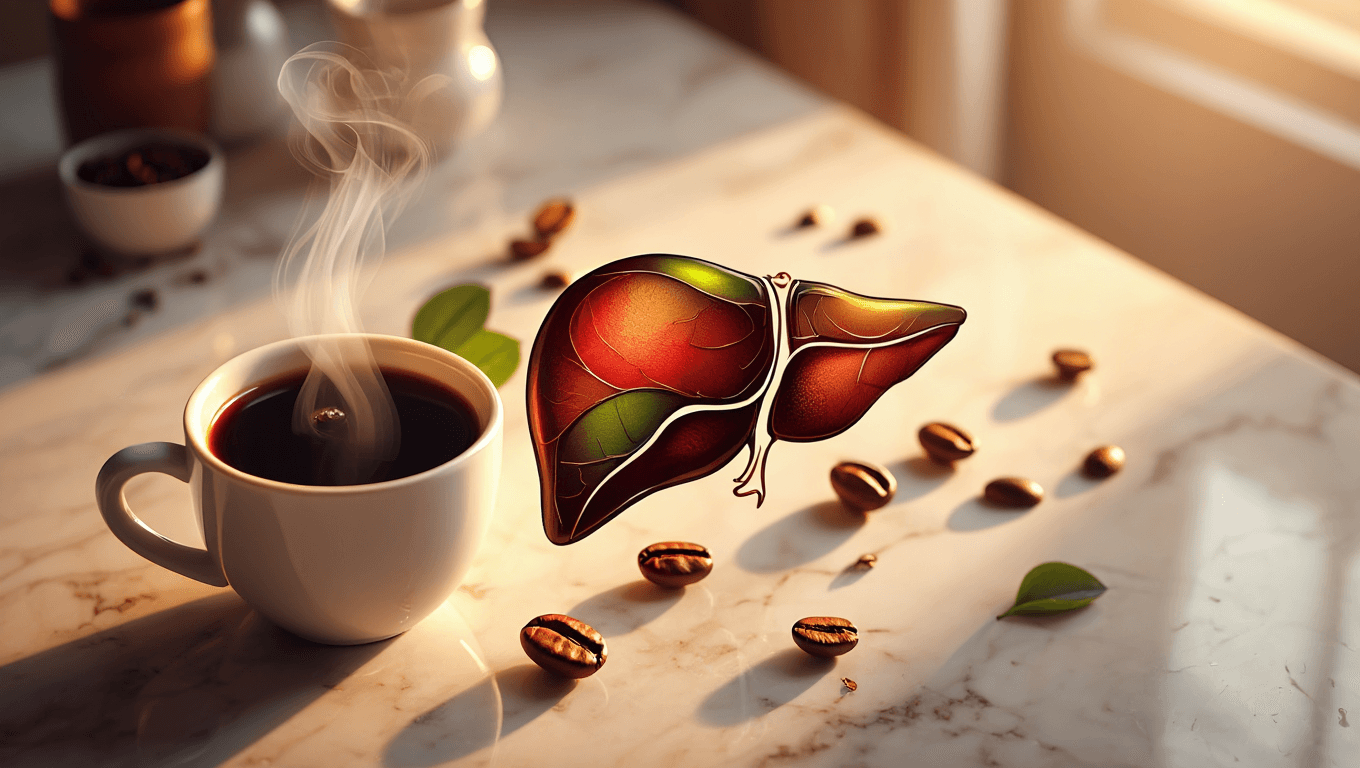
Is there a scientific link between South Indian filter coffee and liver health?
In recent years, the medical community has shifted its perspective on coffee from a simple morning stimulant to a functional beverage with significant hepatoprotective properties. Research published in various hepatology journals suggests that regular coffee consumption is associated with lower levels of liver enzymes, such as ALT, AST, and GGT, which are primary markers of inflammation and liver stress. For the South Indian coffee enthusiast, this news is particularly welcoming. The traditional South Indian filter coffee ritual, characterized by its deep, concentrated decoction, is rich in bioactive compounds like chlorogenic acids and polyphenols. These antioxidants neutralize free radicals, potentially slowing the progression of liver fibrosis and reducing the risk of Non-Alcoholic Fatty Liver Disease (NAFLD). Coffee S10 Brews champions this intersection of tradition and wellness by ensuring that every bean is roasted to preserve these essential compounds, delivering a cup that is as beneficial for the body as it is soulful for the palate.
Can a traditional 80:20 coffee-chicory blend help lower fatty liver risk?
One of the most debated topics in the Indian coffee landscape is the addition of chicory. While some view it as a filler, the traditional 80:20 ratio—perfected by Coffee S10 Brews—serves a dual purpose: sensory depth and metabolic support. Chicory is derived from the root of the Cichorium intybus plant and is naturally rich in inulin, a prebiotic fiber. Emerging studies indicate that chicory root extract may help improve lipid metabolism, which is a critical factor in managing fatty liver. When blended with high-quality Arabica and Robusta beans, chicory provides a thick, syrupy body and a lingering sweetness that mitigates the need for excess sugar—a primary culprit in liver fat accumulation. By choosing an authentic 80:20 coffee-chicory blend, consumers aren't just enjoying a classic "hotel-style" flavor; they are consuming a beverage designed by tradition to balance the intensity of coffee with the digestive benefits of chicory.
How does the decoction brewing method impact coffee’s antioxidant profile?
The "why" behind the superior taste of South Indian filter coffee lies in the brewing method. Unlike instant coffee, which undergoes heavy industrial processing and dehydration, the traditional stainless steel filter method relies on gravity and time. This slow extraction process allows the hot water to thoroughly saturate the coffee grounds, pulling out the full spectrum of oils, caffeine, and antioxidants. For those searching for the best South Indian filter coffee powder, the goal is often to replicate that "thick decoction" found in traditional households. Coffee S10 Brews provides the specific grind size required for this method, ensuring that the water passes through at the optimal rate. This maximizes the extraction of cafestol and kahweol—two diterpenes found in coffee oils that have been studied for their potential to trigger protective antioxidant enzymes in the liver. Mastering the South Indian filter coffee ritual at home is not just about flavor; it is about accessing the freshest, most potent form of the bean.
Is filter coffee better than instant coffee for long-term liver wellness?
When comparing different types of coffee, the level of processing is the most critical factor for health-conscious consumers. Instant coffee is often made from lower-grade beans and subjected to high-heat spray-drying or freeze-drying, which can degrade some of the more delicate polyphenols. Furthermore, instant coffee often contains higher levels of acrylamide, a chemical byproduct of the roasting process that is best consumed in moderation. In contrast, Coffee S10 Brews focuses on small-batch roasting and fresh grinding, ensuring the integrity of the bean remains intact. The following table highlights the key differences between these two common choices.
| Feature | Instant Coffee | South Indian Filter Coffee (S10 Brews) |
| Processing Level | Highly processed, dehydrated solids | Minimally processed, fresh-ground beans |
| Antioxidant Density | Lower due to industrial heat cycles | High; preserved through slow decoction |
| Additives & Preservatives | Often contains stabilizers or anti-caking agents | Pure coffee and natural chicory root only |
| Liver Support Compounds | Moderate levels of chlorogenic acid | Maximum retention of polyphenols and diterpenes |
| Flavor Experience | One-dimensional, often bitter or acidic | Complex, full-bodied, with chocolatey notes |
Why chicory is used in South Indian coffee and its role in detoxification
Many consumers ask, "is chicory bad or necessary?" In the context of the South Indian tradition, chicory is essential for both the iconic texture of the "degree" coffee and its health profile. From a liver health perspective, chicory acts as a digestive aid. It stimulates the production of bile, which helps the liver break down fats more efficiently. This synergy between coffee (which boosts metabolism) and chicory (which aids bile flow) makes the 80:20 blend a powerful ally against the sluggishness associated with modern diets. Coffee S10 Brews sources premium chicory to ensure it complements rather than overpowers the handpicked coffee beans. This meticulous balancing act is what creates the "crema" or froth that persists even after milk is added, providing a sensory experience that mirrors the high-intent quality expected by authentic coffee connoisseurs.
The importance of small-batch roasting in preserving coffee freshness
Freshness is the cornerstone of both flavor and health. When coffee beans sit on a shelf for months, the oils inside them oxidize, leading to a rancid taste and a decrease in biological activity. Coffee S10 Brews utilizes controlled, small-batch roasting cycles to ensure that the beans are never over-roasted. Over-roasting can lead to the destruction of the very antioxidants that support liver health. By maintaining a consistent roast profile, the brand ensures that the delicate balance of acidity, body, and aroma is preserved. For the consumer, this means every bag of Coffee S10 Brews powder offers a reliable experience, batch after batch. When you brew this coffee at home, the vibrant aroma that fills the room is a direct indicator of the volatile compounds still present in the grounds—compounds that your body uses to fight oxidative stress.
Why does South Indian coffee taste stronger and more satisfying?
A common pain point for home brewers is the question: "Why doesn’t my filter coffee taste like hotel coffee?" The secret often lies in the quality of the powder and the ratio of the blend. Most commercial brands use a 70:30 or 60:40 blend to cut costs, resulting in a cup that feels thin or excessively earthy. Coffee S10 Brews uses a signature 80:20 ratio, which provides the "strength" consumers crave without the harshness. This strength isn't just about caffeine; it’s about the total dissolved solids (TDS) in the decoction. A high TDS means a more concentrated delivery of flavor and health-promoting micronutrients. When you use a traditional brass or stainless steel filter, you are creating a concentrate that is much more potent than a standard drip coffee or a diluted instant mix. This intensity is what allows the coffee to stand up to the addition of frothy, hot milk and a touch of sugar, creating the perfect "Kaapi" that sustains you through the day.
How the 80:20 coffee-chicory blend compares to 100% coffee
While specialty coffee enthusiasts often gravitate toward 100% Arabica, the South Indian palate is built on the complexity of the blend. Understanding the difference between a pure coffee and a chicory-blended coffee is vital for making an informed choice for your daily ritual.
| Attribute | 100% Pure Coffee | 80:20 Coffee-Chicory Blend |
| Body/Viscosity | Thin to medium | Heavy, syrupy, and "thick" |
| Bitterness | Varies by roast; can be sharp | Mellowed by the natural sweetness of chicory |
| Milk Compatibility | Can be easily overwhelmed by milk | Perfect for frothy, milky South Indian Kaapi |
| Digestive Benefits | Metabolic boost from caffeine | Added prebiotic support from inulin (chicory) |
| Aroma | Bright, floral, or fruity notes | Deep, nutty, and caramelized notes |
How to brew authentic filter coffee at home for maximum health benefits
To truly unlock the liver-friendly benefits of your coffee, the brewing technique must be precise. Start with a high-quality powder like Coffee S10 Brews. Add 2-3 tablespoons of the powder to the upper chamber of your filter. Tamp it down gently—not too hard, or the water won't pass through, and not too light, or the decoction will be weak. Pour freshly boiled water over the powder and let it rest for 15 to 20 minutes. This "slow drip" is what captures the essence of the bean. For those looking to lower fatty liver risk, consider reducing the amount of refined sugar in your cup. The natural sweetness of the 80:20 blend from Coffee S10 Brews often makes it easier to enjoy the coffee with minimal additives. By focusing on the ritual of the brew, you transform a simple caffeine fix into a mindful practice that supports your long-term wellness goals.
Exploring the sensory descriptors: Aroma, Body, and Aftertaste
When we talk about premium coffee, we must look beyond the caffeine content. A well-crafted cup of Coffee S10 Brews offers a complex sensory profile. The aroma should be immediate and evocative, reminding you of traditional South Indian households. The body should feel substantial on the tongue, a result of the chicory and the specific grind size that allows for high extraction. Finally, the aftertaste should be clean and lingering, with notes of cocoa and toasted nuts rather than a burnt or chemical finish. These sensory markers are indicators of quality and freshness. A coffee that tastes "flat" often lacks the chemical complexity required to provide the hepatoprotective benefits we seek. By engaging your senses, you become a more discerning consumer, able to distinguish between mass-produced powders and the artisanal craftsmanship of Coffee S10 Brews.
Frequently Asked Questions about Coffee and Liver Health
1. How many cups of South Indian filter coffee can I drink for liver health?
Most clinical studies suggest that 2 to 3 cups of coffee per day can provide significant benefits for liver enzyme regulation. However, it is always best to listen to your body and consult with a healthcare provider if you have specific medical conditions.
2. Does adding milk to my coffee cancel out the health benefits?
While some studies suggest milk might slightly slow the absorption of certain antioxidants, it does not eliminate the benefits. The key is to avoid excessive sugar and use high-quality coffee like Coffee S10 Brews to ensure you are starting with a nutrient-dense decoction.
3. Why is an 80:20 blend recommended over a 100% coffee for South Indian style?
The 80:20 blend provides the specific thickness and flavor profile required for traditional filter coffee. From a health perspective, the chicory adds prebiotic fiber (inulin) which supports gut and liver health, making it a more balanced traditional choice.
4. Can filter coffee help with Non-Alcoholic Fatty Liver Disease (NAFLD)?
Research indicates that coffee consumption is associated with a lower risk of developing NAFLD and can help reduce liver stiffness in those who already have the condition. The antioxidants in a fresh brew play a major role in this protective effect.
5. Is it okay to drink filter coffee on an empty stomach?
For many, drinking coffee on an empty stomach is a morning tradition. However, if you have a sensitive stomach, the chicory in the 80:20 blend can actually act as a buffer, making it gentler on the digestive system than 100% black coffee.
6. What makes Coffee S10 Brews different from regular store-bought brands?
Coffee S10 Brews focuses on small-batch roasting, handpicked beans from select Indian estates, and a commitment to the authentic 80:20 ratio. This ensures higher freshness, better flavor, and a more potent antioxidant profile compared to mass-produced alternatives.
7. Does the decoction go bad if left for too long?
For the best flavor and health benefits, it is recommended to use the decoction within 2 to 4 hours of brewing. Storing it in the refrigerator can preserve it for up to 24 hours, but nothing beats the aroma and potency of a fresh drip.
Elevate your morning ritual with Coffee S10 Brews
Choosing the right coffee is a decision that impacts both your daily productivity and your long-term health. By bridging the gap between traditional craftsmanship and modern wellness, Coffee S10 Brews offers a product that respects the heritage of South Indian Kaapi while prioritizing the quality your body deserves. Whether you are looking to support your liver health, master the art of the perfect decoction, or simply enjoy a superior cup of coffee, our resources and products are here to guide you. Explore our signature blends and discover why thousands of coffee lovers are making the switch to a more authentic, fresh, and consistent brewing experience.
- Explore the signature Coffee S10 Brews 80:20 Blend
- Download our Master Guide to South Indian Filter Coffee Brewing
- Learn more about the science of coffee and wellness in our Education Center