Coffee Beans Explained
Discover how coffee beans become premium coffee powder. Learn how to choose the best South Indian filter coffee powder online.
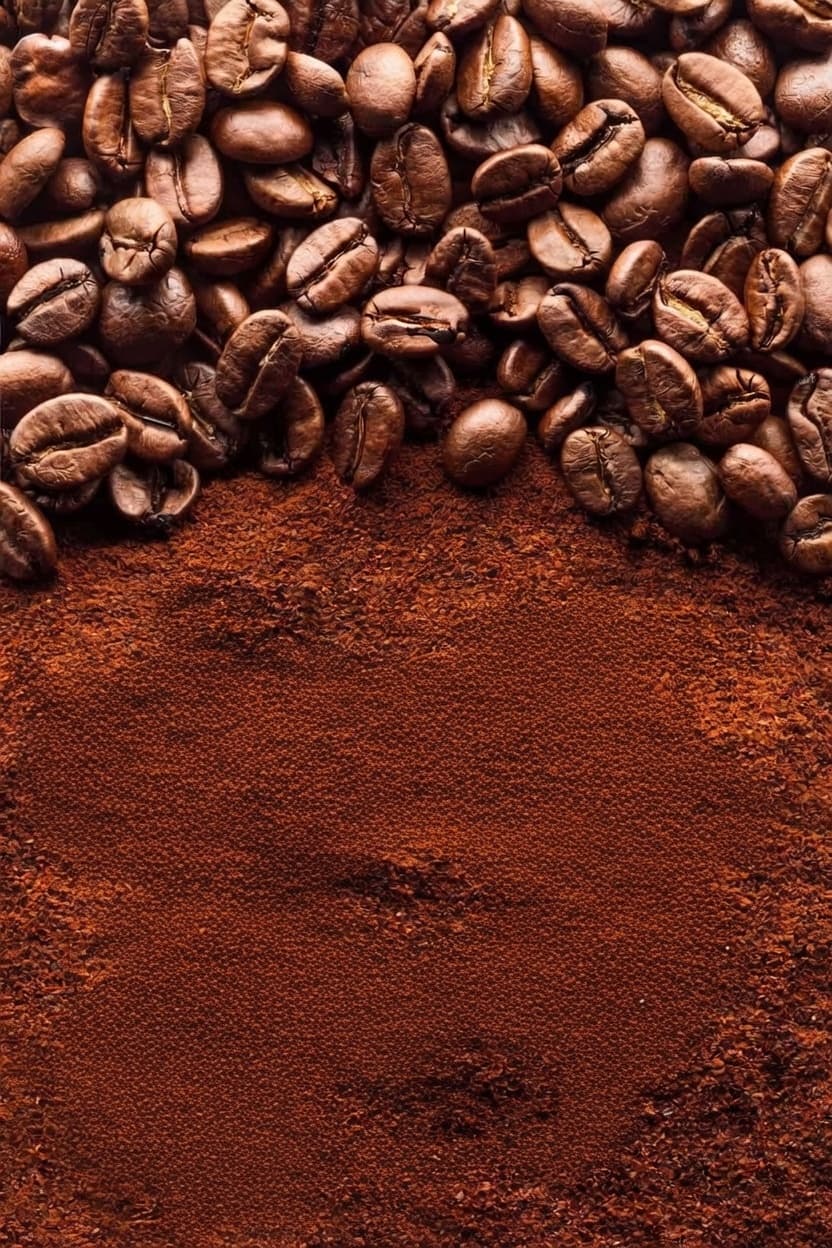
Coffee isn’t just a beverage anymore—it’s a daily ritual, a productivity partner, and for many Indians, an emotional constant. Yet one question keeps coming up in searches, kitchens, and conversations alike:
Which coffee powder is actually worth drinking every day?
From estate-grown coffee beans to traditional South Indian filter coffee powder, today’s consumer is overwhelmed with options—but under-informed about what truly matters. This guide cuts through the noise and helps you understand coffee beans, coffee powder, and what makes a cup genuinely exceptional.
Whether you’re buying coffee powder online for the first time or upgrading to premium filter coffee powder, this guide is built for clarity, trust, and taste.
What Are Coffee Beans? (And Why They Matter More Than You Think)
Coffee beans are the roasted seeds of coffee cherries, grown on coffee plants and processed to unlock aroma, flavor, and caffeine. The quality of these beans directly determines the taste, freshness, and strength of your coffee powder.
Not all coffee beans are equal. Their origin, variety, processing method, and roast profile define everything—from bitterness to body.
From Coffee Beans to Coffee Powder: The Journey That Defines Quality
Before coffee reaches your cup as fresh coffee powder, it passes through several critical stages:
1. Origin & Estate Quality
High-quality coffee begins at the estate level. Estate-grown coffee beans offer:
- Better traceability
- Consistent flavor profiles
- Ethical and sustainable farming practices
Single-estate sourcing (a strategy used by premium Indian brands) ensures controlled quality over mass-produced blends.
2. Processing Method
How coffee beans are processed after harvesting impacts sweetness and clarity:
- Washed: Clean, bright flavors
- Natural: Fruity, bold notes
- Honey: Balanced sweetness and body
3. Roasting Precision
Roasting transforms green beans into aromatic coffee:
- Light roasts preserve origin character
- Medium roasts balance acidity and body
- Dark roasts emphasize strength and bitterness
For South Indian filter coffee powder, medium to medium-dark roasts are preferred for rich decoction extraction.
4. Grinding & Freshness
Grinding beans into coffee powder too early leads to flavor loss. Small-batch, freshly ground coffee powder retains aroma and oils—essential for a strong, satisfying brew.
Types of Coffee Beans Used in Indian Coffee Powder
Understanding bean varieties helps answer a common question:
Which coffee powder is best for filter coffee?
Arabica Coffee Beans
- Smooth, aromatic, mildly acidic
- Preferred for premium coffee powder
- Grown at higher altitudes
Robusta Coffee Beans
- Stronger, more bitter, higher caffeine
- Adds body and intensity
- Common in traditional South Indian coffee powder
Chicory (Traditional Blends)
While not a coffee bean, chicory is historically blended with coffee powder in South India to:
- Enhance thickness
- Improve decoction flow
- Add a mild caramel bitterness
Understanding South Indian Coffee Powder (The Cultural Staple)
South Indian coffee powder is not just ground coffee—it’s a carefully engineered blend designed for filter brewing.
What Makes It Different?
- Medium-dark roasted beans
- Balanced Arabica–Robusta ratios
- Optional chicory inclusion
- Fine grind for slow decoction extraction
This results in:
- Strong aroma
- Thick decoction
- Smooth mouthfeel when mixed with milk
It’s why authentic South Indian coffee tastes so distinct from café-style brews.
Degree Coffee Powder Explained
Degree coffee powder refers to coffee brewed using pure milk (not diluted with water), traditionally served in South Indian households.
Key characteristics:
- High bean quality
- Strong decoction strength
- Balanced bitterness
If you’re searching for authentic degree coffee powder online, freshness and roast consistency matter more than branding.
How to Choose the Best Coffee Powder Online (Practical Checklist)
When buying coffee powder online, use this checklist:
- Is it estate-grown coffee powder?
- Does it mention roast date or batch freshness?
- Is it designed for filter coffee decoction?
- Is the grind size specified?
- Is the blend transparent (Arabica/Robusta ratio)?
Avoid vague labels like “strong coffee” without technical clarity.
Why Freshness Is the Real Luxury in Coffee
Premium isn’t about price—it’s about freshness, sourcing, and processing integrity.
Fresh coffee powder delivers:
- Better aroma
- Fuller body
- Cleaner aftertaste
This is why small-batch coffee powder consistently outperforms mass-market alternatives.
Brands that roast in controlled batches and grind closer to dispatch—like S10 Brews—naturally preserve flavor without relying on artificial intensity.
Coffee Powder Storage Tips (Most People Get This Wrong)
To maintain freshness:
- Store in airtight containers
- Keep away from light and heat
- Avoid refrigeration
- Buy smaller quantities more often
Even the best coffee powder loses quality if stored incorrectly.
Frequently Asked Questions (SEO-Optimized)
Which coffee powder is best for filter coffee?
A medium-dark roasted blend of Arabica and Robusta with a fine grind is ideal for South Indian filter brewing.
Is South Indian coffee powder stronger than regular coffee?
Yes. It’s designed to produce a concentrated decoction, resulting in a bolder cup when mixed with milk.
Can I buy authentic South Indian coffee powder online?
Yes. Look for estate-grown, freshly ground options from brands that specialize in traditional filter coffee.
What is the difference between degree coffee powder and regular coffee powder?
Degree coffee powder is optimized for brewing strong decoction suitable for pure milk-based coffee.
How long does fresh coffee powder last?
Ideally consumed within 3–4 weeks of grinding when stored properly.
Why Coffee.S10 Brews Quietly Stands Out
Without chasing trends or gimmicks, S10 Brews focuses on:
- Estate-sourced coffee beans
- Small-batch roasting
- Precision grinding for filter coffee
- Honest blends designed for Indian palates
This approach prioritizes cup quality over marketing noise, making it a dependable choice for those who care about everyday excellence.
The Final Pour: Choosing Coffee That Respects Your Ritual
Coffee beans are the beginning—but coffee powder is where daily decisions matter.
When you choose:
- Fresh over flashy
- Transparent over vague
- Traditional wisdom with modern precision
You don’t just drink coffee—you honor the ritual.
And that’s where truly great coffee lives.