Coffee Festival Roundup: Events and Workshops in India
Explore India's top Coffee Festivals in India! Discover exciting events, workshops & how S10 Brews celebrates authentic South Indian filter coffee.
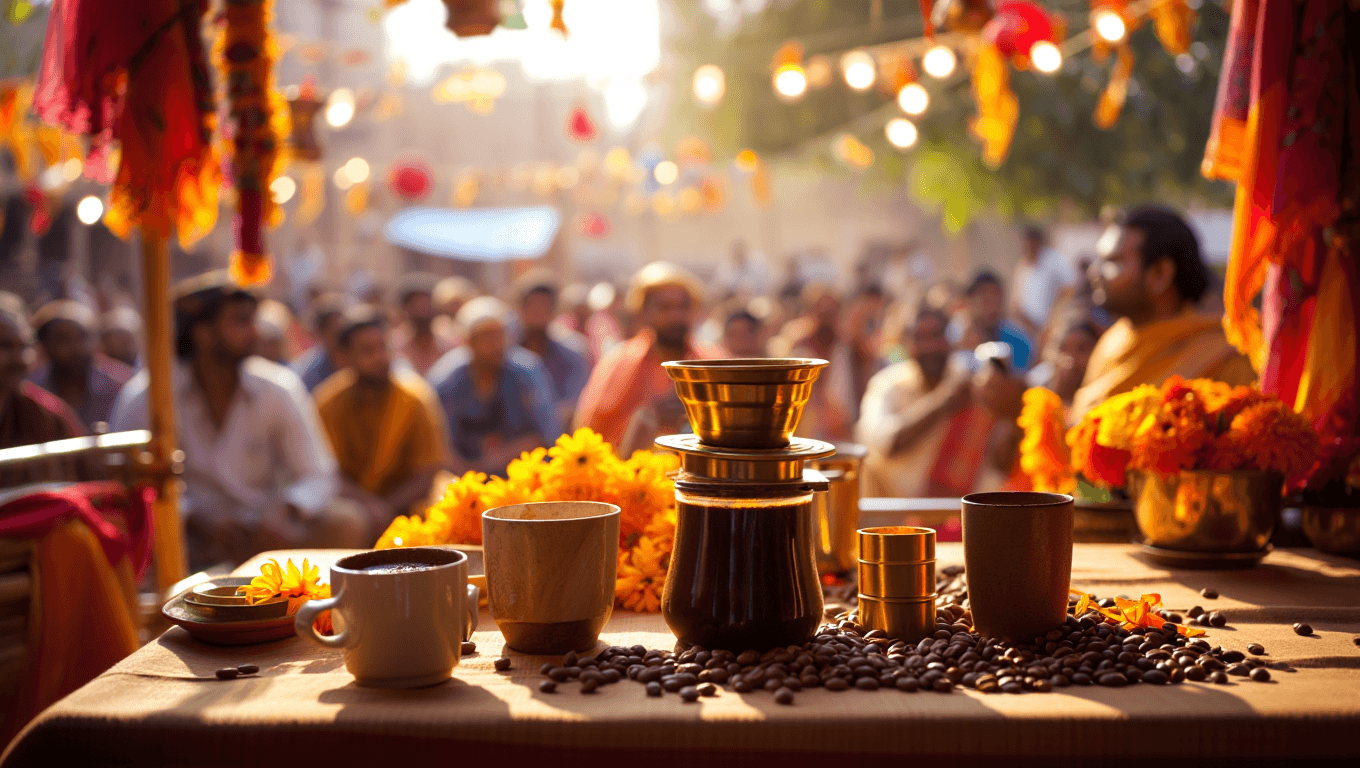
Why are coffee festivals in India becoming the ultimate destination for specialty coffee lovers?
In recent years, the Indian coffee landscape has undergone a massive transformation. From the bustling streets of Bangalore to the high-end cafes of Mumbai and Delhi, coffee is no longer just a morning caffeine fix; it is a cultural movement. Coffee festivals and workshops across India, such as the World Coffee Conference and various regional "Coffee Santhes," have become hubs for enthusiasts looking to dive deeper into the bean-to-cup journey. These events bridge the gap between the artisanal craft of small-batch roasting and the end consumer who seeks more than just a generic brew. For many, these festivals are an introduction to the nuanced world of South Indian filter coffee, a tradition that often gets overshadowed by modern espresso-based drinks but remains the soul of Indian coffee culture. At Coffee S10 Brews, we believe these gatherings are essential for educating consumers on the difference between commercial-grade beans and the meticulously curated blends that define an authentic South Indian experience.
What is the cultural significance of South Indian filter coffee at major Indian coffee events?
While international festivals often highlight pour-overs and aero-press techniques, Indian coffee festivals are unique because they celebrate the indigenous "Kaapi" culture. South Indian filter coffee is not just a drink; it is a heritage. At any major festival, the most frequented stalls are often those serving traditional decoction-based coffee in brass dabaras. This ritualistic brewing process involves a slow drip method that extracts the most potent flavors from the bean. The sensory experience—the thick, chocolatey aroma, the frothy head of foam, and the lingering aftertaste—is what high-intent consumers are constantly searching for. However, a common frustration voiced by many attendees is the inability to replicate this "hotel-style" richness at home. This is where the craftsmanship of the blend becomes vital. Coffee S10 Brews addresses this by focusing on the traditional 80:20 ratio, ensuring that the nostalgia of the festival experience can be relived in your own kitchen every morning.
Why is the 80:20 coffee-chicory blend the gold standard for traditional brewing workshops?
One of the most debated topics in coffee workshops is the use of chicory. While purists might argue for 100% Arabica, the authentic South Indian filter coffee experience relies heavily on a specific blend. The 80:20 ratio—80% high-quality coffee beans and 20% chicory—is considered the gold standard for several reasons. Chicory adds a woody, slightly bitter depth that balances the natural acidity of the coffee. More importantly, it increases the thickness and "body" of the decoction, allowing it to hold up against the addition of hot, frothy milk. Without chicory, the decoction often lacks the viscosity required to create that signature mouthfeel. At Coffee S10 Brews, our signature 80:20 blend is crafted using handpicked beans and premium chicory, roasted to a medium-dark profile that enhances the crema and minimizes overpowering bitterness, providing a balanced profile that modern consumers appreciate.
How can you identify the best South Indian filter coffee powder at a festival or market?
When navigating a coffee festival, the sheer variety of powders can be overwhelming. To find a truly premium product, you must look beyond the packaging. High-intent consumers should focus on the "roast date" and the "grind size." For South Indian filter coffee, the grind must be slightly coarse—resembling the texture of granulated sugar—to allow for a slow, 15-minute extraction in a traditional metal filter. If the grind is too fine, the filter clogs; if it is too coarse, the decoction will be watery and sour. Furthermore, sensory descriptors like "nutty," "chocolatey," and "caramel-like" are indicators of high-quality Indian specialty beans. Coffee S10 Brews prides itself on consistency; our controlled roasting cycles ensure that every bag of powder delivers the same intense aroma and reliable flavor profile, eliminating the guesswork for the home brewer.
What are the primary differences between filter coffee and instant coffee?
Many consumers who are used to the convenience of instant coffee find the transition to filter coffee intimidating. However, the difference in quality and health benefits is substantial. Instant coffee is a highly processed product made by freeze-drying or spray-drying brewed coffee, which often strips away the volatile oils and complex flavors. In contrast, South Indian filter coffee is a mechanical extraction of fresh grounds, preserving the antioxidants and the authentic "terroir" of the coffee estates. The following table highlights the key distinctions that every coffee enthusiast should know:
| Feature Instant Coffee South Indian Filter Coffee (Coffee S10 Brews) | ||
| Processing | Chemically processed and dehydrated. | Freshly roasted and ground beans. |
| Flavor Profile | One-dimensional, often flat or metallic. | Complex, with notes of chocolate and earth. |
| Aroma | Dissipates quickly. | Rich, lingering, and room-filling. |
| Body | Thin and watery. | Syrupy, thick, and viscous (due to chicory). |
| Preparation Time | Seconds. | 15-20 minutes for traditional decoction. |
How do you brew authentic South Indian filter coffee at home like a pro?
The secret to "hotel-style" coffee isn't a secret ingredient; it is the technique. During brewing workshops, experts emphasize the importance of the "first press." To achieve this, add 2-3 tablespoons of Coffee S10 Brews powder into the upper compartment of a traditional stainless steel filter. Lightly press the powder with the plunger—not too hard, or the water won't pass through. Pour freshly boiled water over it and let it sit undisturbed for at least 15 minutes. The resulting liquid, known as the decoction, is the heart of the drink. Always use the first decoction for the strongest flavor. To elevate the experience, use full-fat milk and froth it using the "pouring" technique between a tumbler and a dabara. This aeration not only creates the iconic foam but also cools the coffee to the perfect drinking temperature without diluting the strength.
Why does my home-brewed filter coffee lack the strength of restaurant coffee?
This is the most common "pain point" for Indian coffee drinkers. The discrepancy usually boils down to three factors: the water-to-coffee ratio, the freshness of the powder, and the blend composition. Most restaurants use an 80:20 or 70:30 coffee-chicory blend because it yields a thicker extract. If you are using 100% coffee, the result will be more like a black coffee or an Americano, which becomes "lost" when milk is added. Additionally, commercial powders found in supermarkets often sit on shelves for months, losing their aromatic potency. Coffee S10 Brews solves this by focusing on small-batch production, ensuring that the powder you receive is fresh and packed with the natural oils that provide that elusive "punch" found in traditional South Indian tiffin centers.
Comparison: 100% Pure Coffee vs. 80:20 Coffee-Chicory Blends
Understanding the role of chicory is crucial for any coffee enthusiast. While "pure" coffee has its place in black coffee brewing (like V60 or French Press), the South Indian tradition is built on the synergy between coffee and chicory. Here is a comparison to help you choose the right blend for your palate:
| Attribute 100% Pure Coffee 80:20 Coffee-Chicory Blend | ||
| Best Served As | Black coffee, Espresso, Cold Brew. | Traditional Filter Kaapi with milk. |
| Texture | Light and clean. | Heavy, syrupy, and dense. |
| Bitterness | Varies by roast; usually more acidic. | Balanced bitterness with a sweet finish. |
| Decoction Strength | Lower viscosity. | High viscosity, holds foam better. |
| Shelf Life of Decoction | Loses flavor within 30 minutes. | Stays stable and flavorful for hours. |
What role does "Brewing Intelligence" play in the modern coffee ritual?
At Coffee S10 Brews, we believe that providing high-quality coffee is only half the battle. The other half is "Brewing Intelligence"—the education and resources that empower a consumer to become a master of their own morning ritual. Modern accessibility means taking the mystery out of tradition. Whether it is understanding the impact of water temperature (ideally 92-96°C) or learning how to store your coffee powder in an airtight container to prevent oxidation, these small details make a massive difference. We position ourselves as a guide, offering clear instructions and educational resources that bridge the gap between ancient craftsmanship and modern convenience. When you buy a bag of our coffee, you aren't just buying a product; you are gaining access to a wealth of knowledge curated from generations of coffee growers and roasters.
Why is the aroma of small-batch roasted coffee fundamentally superior?
The scent of freshly ground coffee is one of the most beloved aromas in the world, but it is also incredibly fragile. Industrial-scale roasting often involves high temperatures and rapid cooling, which can scorch the beans and destroy the delicate aromatic compounds. In contrast, small-batch roasting allows for precise control over the heat curve. This ensures that the sugars in the coffee beans caramelize perfectly, leading to those sought-after notes of dark chocolate and toasted nuts. Coffee S10 Brews utilizes this artisanal approach to maintain flavor reliability across every batch. When you open a pack of our 80:20 blend, the aroma should be immediate and intense—a hallmark of beans that have been treated with respect and expertise.
How can you find the best coffee workshops and events in India?
If you are looking to enhance your coffee skills, keeping an eye on local event listings in cities like Bangalore, Chennai, and Chikmagalur is a great start. Organizations like the Coffee Board of India often host workshops that cover everything from cupping (tasting) to advanced brewing techniques. Additionally, niche coffee festivals often feature "home brewer" tracks where you can learn how to use a South Indian filter, a Moka pot, or an AeroPress. Participating in these events allows you to interact with roasters and understand the effort that goes into handpicking only the ripest cherries. For those who cannot attend in person, Coffee S10 Brews provides a digital alternative through our brewing guides and educational content, bringing the festival experience to your screen and your kitchen.
Frequently Asked Questions About South Indian Filter Coffee
Is chicory in coffee bad for health?
No, chicory is a natural root that has been used in coffee for centuries. It is caffeine-free and contains inulin, a type of prebiotic fiber that supports digestive health. In South Indian filter coffee, it is used primarily for flavor and texture, not as a cheap filler.
Why does my filter coffee taste sour?
Sourness is usually a sign of "under-extraction." This happens if your water isn't hot enough, if the grind size is too coarse, or if you didn't let the decoction sit long enough. Ensure you use boiling water and give it at least 15 minutes to drip.
Can I use an 80:20 blend in an Espresso machine?
While you can, it is not recommended. Chicory dissolves differently than coffee and can clog the fine filters of an espresso machine. The 80:20 blend is specifically optimized for the slow-drip extraction of a traditional Indian metal filter or a French Press.
How long does the decoction stay fresh?
A fresh decoction is best used within 2 to 4 hours. However, thanks to the chicory content, a South Indian coffee decoction can be refrigerated for up to 24 hours. Just ensure you reheat it gently without letting it come to a boil, as boiling ruins the delicate flavors.
What is the best milk to use for filter coffee?
For the most authentic experience, use full-cream buffalo or cow milk. The fat content in the milk reacts with the oils in the coffee and the density of the chicory to create a rich, creamy mouthfeel that low-fat or dairy-free alternatives often struggle to replicate.
Where can I buy authentic 80:20 South Indian filter coffee powder online?
You can find premium, small-batch roasted blends directly from Coffee S10 Brews. We focus on delivering the freshness and consistency required to recreate the traditional South Indian experience at home.
Master the Art of the Perfect Brew
The journey from a coffee festival workshop to your morning cup should be one of joy and discovery. By choosing a brand that respects the heritage of South Indian craftsmanship while embracing modern quality standards, you ensure that every sip is a testament to India's rich coffee culture. Whether you are a seasoned enthusiast or a curious beginner, the key to a great cup lies in the quality of the blend and the patience of the process.
Ready to elevate your morning ritual? Explore our range of premium blends and master the art of the perfect pour. Discover the difference that handpicked beans and a traditional 80:20 ratio can make in your daily brew.
- Explore Coffee S10 Brews Signature Blends
- Read Our Comprehensive Brewing Guides
- Learn More About the History of Coffee in India