Coffee Grounds
Discover what coffee grounds really are, how grind size affects flavor, and how to choose the best premium filter coffee powder for authentic South Indian filter coffee.
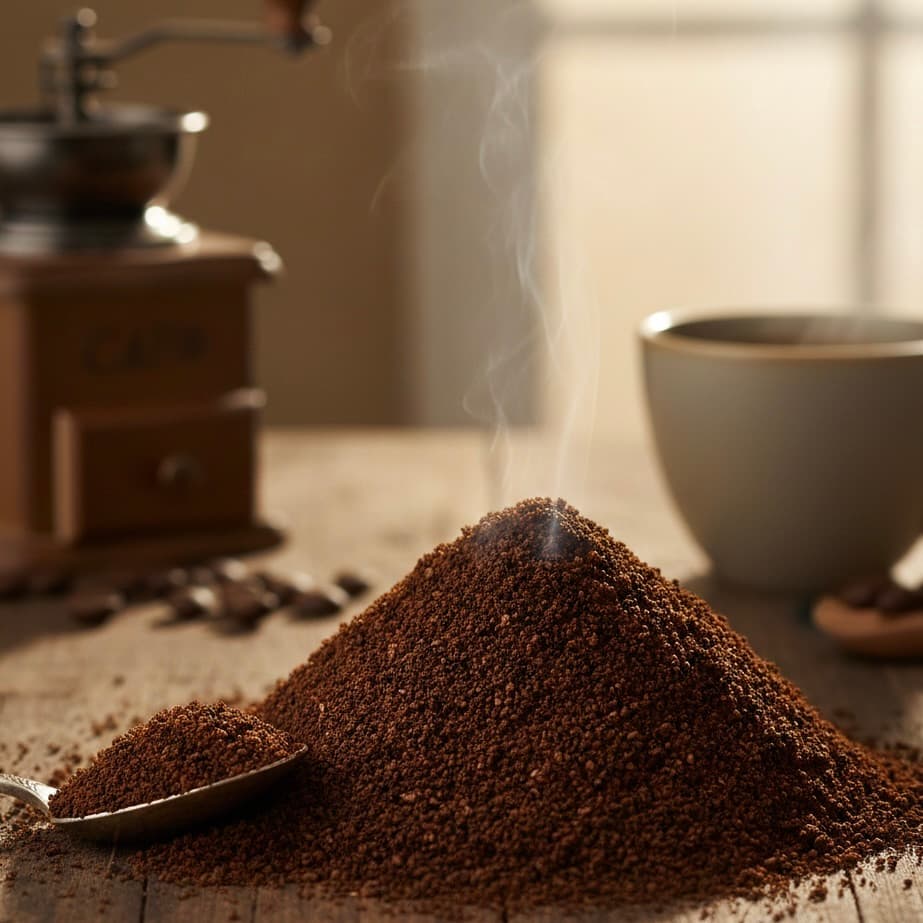
If your coffee tastes flat, bitter, or oddly sour, the problem might not be the beans.
It’s the coffee grounds.
Most people obsess over brands and brewing tools but overlook the one thing that decides everything—the grind, freshness, and origin of the coffee powder in their cup.
Whether you’re making a slow South Indian filter coffee at home or looking to buy coffee powder online that actually tastes like coffee, this guide breaks down what coffee grounds really are, how to choose the right ones, and why premium filter coffee powder makes all the difference.
What Are Coffee Grounds?
Coffee grounds are roasted coffee beans that have been ground to a specific size to extract flavor during brewing.
The grind size, roast level, freshness, and origin of these grounds directly affect aroma, body, strength, and bitterness—especially in traditional filter coffee.
Not all coffee grounds are created equal. And when it comes to South Indian filter coffee, precision matters more than people realize.
Why Coffee Grounds Matter More Than the Coffee Maker
Competitor analysis across Third Wave Coffee Roasters, Blue Tokai, Araku Coffee, Maverick & Farmer, and Paul John Caffeine shows a clear pattern:
Most brands talk about beans, estates, and roasting
Very few educate customers on coffee powder quality and grind suitability
That gap is where most home brews fail.
Here’s what poor coffee grounds can do:
- Over-extract → bitter, burnt taste
- Under-extract → weak, watery decoction
- Uneven grind → inconsistent flavor every day
High-quality coffee grounds deliver:
- Balanced extraction
- Thicker filter coffee decoction
- Natural sweetness without bitterness
- Consistency cup after cup
Types of Coffee Grounds (And Which One Works for Filter Coffee)
1. Coarse Coffee Grounds
- Used for: French press, cold brew
- Not suitable for South Indian filter coffee
- Produces thin decoction
2. Medium Coffee Grounds
- Used for: Pour-over, drip coffee
- Often sold as “universal grind”
- Lacks body for traditional filter coffee
3. Fine Coffee Grounds
- Used for: Espresso
- Over-extracts in filter coffee
- Results in bitterness
4. Filter Coffee–Specific Grounds (Ideal)
- Slightly coarser than espresso
- Designed for slow percolation
- Produces rich, aromatic decoction
This is what traditional South Indian filter coffee powder uses—and what most supermarket coffee powders don’t get right.
Coffee Grounds vs Coffee Powder: Is There a Difference?
In India, “coffee powder” and “coffee grounds” are often used interchangeably.
But technically:
- Coffee grounds → refers to the grind size and physical state
- Coffee powder → consumer term used for ready-to-brew ground coffee
What matters is not the name—but whether the coffee powder is freshly ground, pure, and suited for filter coffee brewing.
What Makes Premium Filter Coffee Powder Truly Premium?
Based on competitor product analysis, premium brands share five key traits—but rarely explain them clearly.
1. Estate-Grown Coffee Beans
Single-origin or estate-grown coffee powder offers:
- Cleaner flavor
- Traceable sourcing
- Consistency across batches
This is essential for premium South Indian coffee powder.
2. Correct Grind Size for Filter Coffee
A common mistake among mass brands:
- One grind for all brewing styles
Premium filter coffee powder uses:
- Dedicated grind size
- Optimized for decoction brewing
- No clogging, no bitterness
3. Freshness (Not Shelf Life)
Most coffee powders online are:
- Ground months before purchase
- Packed for long shelf stability
Fresh coffee powder:
- Retains aroma
- Extracts better oils
- Produces fuller body
Small-batch coffee powder always wins here.
4. Pure Coffee, No Fillers
Many traditional blends quietly include:
- Chicory without disclosure
- Low-grade beans
Pure coffee powder should clearly state:
- Coffee percentage
- Bean type
- Roast profile
5. Roast Designed for Filter Coffee
Filter coffee needs:
- Medium to medium-dark roast
- Balanced acidity
- Strong aroma without harshness
Over-roasted coffee grounds kill nuance.
South Indian Filter Coffee: Why Grind Precision Is Non-Negotiable
South Indian filter coffee is slow extraction by design.
That means grind size decides everything.
Ideal filter coffee grounds should:
- Allow water to pass slowly
- Extract oils evenly
- Create thick, fragrant decoction
This is why people searching for:
- which coffee powder is best for filter coffee
- best South Indian coffee powder for filter coffee
Are really asking for grind-specific coffee powder, not just a famous brand name.
How to Choose the Best Coffee Powder Online (Step-by-Step)
When buying coffee powder online, use this checklist:
Look for:
- “Filter coffee grind” clearly mentioned
- Estate or origin information
- Roast date or small-batch cues
- Transparent ingredient list
Avoid:
- Generic “ground coffee” labels
- No grind details
- Overly long shelf life claims
This is especially important when buying traditional South Indian coffee powder online.
Frequently Asked Questions About Coffee Grounds
Which coffee powder is best for filter coffee?
The best coffee powder for filter coffee uses a grind specifically designed for slow decoction brewing, made from fresh, estate-grown beans and roasted for balance—not bitterness.
Is South Indian coffee powder different from regular coffee powder?
Yes. South Indian filter coffee powder has a unique grind size and roast profile designed for metal filter brewing, unlike regular drip or espresso grounds.
Can I use espresso coffee grounds for filter coffee?
No. Espresso grounds are too fine and will over-extract, resulting in bitter, harsh coffee.
What is degree coffee powder?
Degree coffee powder refers to traditional South Indian filter coffee served with hot milk, often using pure or chicory-blended coffee powder depending on preference.
How long do coffee grounds stay fresh?
Once ground, coffee begins losing aroma within days. Fresh coffee powder should ideally be consumed within a few weeks for best flavor.
Is buying coffee powder online safe?
Yes—if the brand provides clear information on grind type, roast profile, and freshness. Transparency is key.
Why Thoughtful Coffee Drinkers Are Rethinking Coffee Grounds
As more people move from “just caffeine” to intentional coffee drinking, coffee grounds are finally getting the attention they deserve.
The shift is clear:
- From mass-produced to artisanal coffee powder
- From convenience to craftsmanship
- From bitterness to balance
Brands that respect grind precision, freshness, and filter traditions naturally become part of daily rituals—not just morning routines.
The Final Word on Coffee Grounds
Great coffee doesn’t begin with fancy machines.
It begins with the right coffee grounds.
When your coffee powder is:
- Fresh
- Pure
- Correctly ground
- Designed for filter brewing
Every cup becomes predictable, comforting, and deeply satisfying.
For those who take their filter coffee seriously, choosing premium filter coffee powder isn’t an upgrade—it’s the baseline.
And once you taste coffee made the way it was meant to be brewed, there’s no going back.