Coffee Seeds
Learn how coffee seeds influence taste, aroma, and quality of premium filter coffee powder. A complete guide for South Indian coffee lovers.
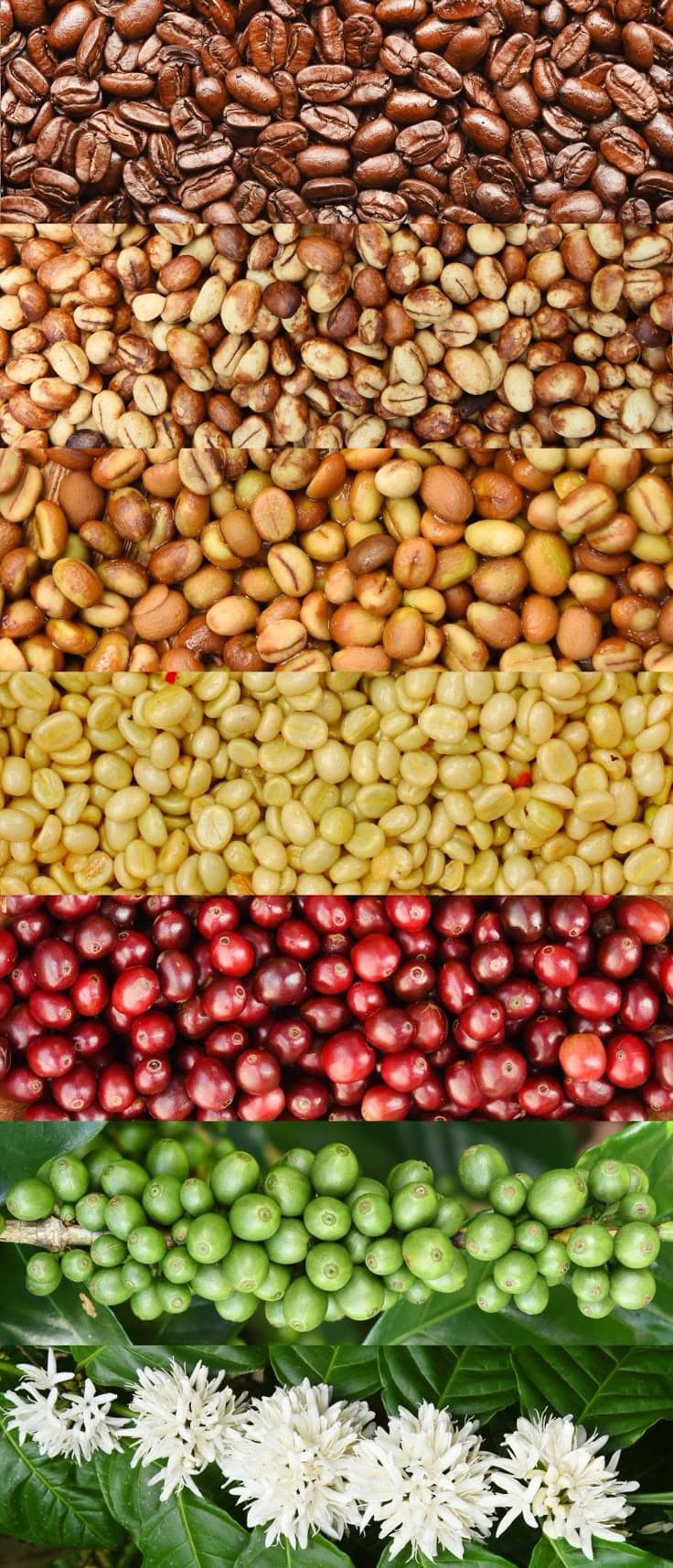
Most people search for coffee powder or coffee beans.
Very few stop to ask the question that actually matters:
Where does great coffee really begin?
The answer is coffee seeds.
Understanding coffee seeds isn’t just for farmers or coffee nerds. If you care about premium filter coffee powder, authentic South Indian filter coffee, or simply want to know which coffee powder is best for filter coffee, this knowledge changes how you choose, brew, and enjoy coffee—forever.
This guide breaks down coffee seeds in a clear, practical, and enjoyable way—connecting origin, taste, and tradition, while staying deeply relevant to Indian filter coffee lovers.
What Are Coffee Seeds?
Coffee seeds are the raw form of coffee found inside coffee cherries.
When processed, dried, roasted, and ground, these seeds become coffee beans and eventually fresh coffee powder used to brew filter coffee.
In short:
No seed quality = no great coffee powder.
Coffee Seeds vs Coffee Beans: Are They the Same?
This confusion shows up in Google’s People Also Ask—so let’s clear it up properly.
Coffee Seed - Raw seed inside a coffee cherry
Coffee Bean - Roasted coffee seed
Coffee Powder - Ground roasted coffee seed
Every coffee bean starts as a seed.
But not every seed becomes great coffee.
The quality of premium coffee powder depends on how carefully those seeds were grown, harvested, and processed.
Why Coffee Seeds Matter More Than You Think
Competitor brands talk about roasts and flavour notes.
What they often miss is this:
Flavour is decided long before roasting.
Coffee seeds determine:
- Acidity
- Body
- Aroma
- Aftertaste
- Filter decoction strength
For South Indian filter coffee, this matters even more because:
- Brewing is slow
- Extraction is intense
- Defects show up clearly in taste
That’s why authentic degree coffee powder always starts with the right seeds.
Types of Coffee Seeds Used in Indian Filter Coffee
Arabica Coffee Seeds
- Softer acidity
- More aroma
- Lighter body
- Used for smooth, nuanced cups
Robusta Coffee Seeds
- Strong body
- Higher caffeine
- Bold, bitter notes
- Essential for traditional filter coffee decoction
Most best South Indian coffee powder for filter coffee uses a balanced blend—not because it’s cheaper, but because it brews better.
How Coffee Seeds Are Grown (And Why Estate-Grown Matters)
High-quality coffee seeds don’t come from factories.
They come from estates.
What Estate-Grown Coffee Seeds Mean
- Grown at specific altitudes
- Shade-grown under native trees
- Hand-picked at peak ripeness
- Processed close to harvest
This is why estate grown coffee powder produces:
- Cleaner taste
- Better aroma retention
- Consistent decoction extraction
Small-batch, estate-focused brands quietly outperform mass-market blends here—something many large competitors avoid discussing.
Processing Coffee Seeds: The Step That Changes Everything
Once harvested, coffee seeds go through processing. This step directly affects pure coffee powder quality.
Common Processing Methods
- Washed – Clean, crisp, ideal for filter coffee
- Natural – Fruity, heavier body
- Honey – Balanced sweetness and depth
For traditional South Indian filter coffee powder, washed and carefully controlled natural processes work best—ensuring strength without harshness.
From Coffee Seed to Fresh Coffee Powder
Here’s the journey your cup rarely tells you:
- Coffee cherry harvested
- Seeds extracted
- Seeds dried and rested
- Roasted in small batches
- Ground specifically for filter brewing
When brands shortcut steps 2–4, the result is flat, bitter coffee—no matter how good the packaging looks.
This is why fresh coffee powder is about process discipline, not just roast date.
Coffee Seeds and Filter Coffee: A Perfect Match
Filter coffee demands more from seeds than espresso does.
Why?
- Longer contact time
- Gravity-based extraction
- No pressure to hide flaws
The best coffee powder for filter coffee comes from:
- Uniform seed size
- Low defect count
- Balanced moisture content
This is why handcrafted coffee powder consistently outperforms industrial blends in South Indian homes.
How to Identify High-Quality Coffee Seeds (As a Buyer)
You don’t need to visit an estate. You just need to read labels correctly.
Look For:
- Estate or origin mention
- Arabica–Robusta ratio
- Processing clarity
- Small batch or artisanal cues
Be Cautious Of:
- “Instant aroma” claims
- No origin information
- Overly dark roasts masking defects
The best coffee powder online always traces back to seed quality—even if it’s not loudly advertised.
Coffee Seeds in Traditional South Indian Coffee Culture
Before cafés and capsules, coffee was:
- Ground weekly
- Brewed slowly
- Shared intentionally
Authentic South Indian coffee respects the seed:
- Strong enough for milk
- Smooth enough for daily drinking
- Balanced for repeat cups
That’s why traditional filter coffee powder isn’t trendy—it’s timeless.
Why Seed Knowledge Helps You Buy Better Coffee Powder Online
When you know the role of seeds:
- You avoid stale, generic blends
- You choose premium filter coffee powder confidently
- You understand pricing differences logically
This matters when you buy coffee powder online, where taste tests aren’t possible.
Where S10 Brews Fits In
Where S10 Brews Fits In?
At S10 Brews, the focus stays quietly consistent:
- Seed selection over shortcuts
- Filter-first roasting profiles
- Small batch grinding
- Respect for South Indian brewing traditions
That’s why the coffee tastes familiar—but refined.
Strong—but never harsh.
Traditional—but thoughtfully modern.
Frequently Asked Questions About Coffee Seeds
Are coffee seeds and coffee beans the same?
Coffee seeds are raw. Coffee beans are roasted seeds. Quality starts at the seed level.
Which coffee seeds are best for filter coffee?
A balanced Arabica–Robusta blend with estate-grown seeds works best for Indian filter coffee.
Does seed quality affect coffee powder taste?
Yes. Poor seeds result in bitterness, flat aroma, and weak decoction.
Is premium coffee powder always made from better seeds?
Generally yes—especially when origin and processing are clearly mentioned.
Can I identify good coffee powder online without tasting?
Yes. Look for estate-grown, small batch, and processing transparency.
Why does South Indian filter coffee need specific seeds?
Because slow brewing exposes flaws more clearly than espresso methods.
Final Thoughts: Coffee Doesn’t Start in the Cup
It starts as a seed.
- Grown patiently.
- Processed carefully.
- Roasted intentionally.
- Ground thoughtfully.
If you want premium South Indian coffee powder, the journey backward—from cup to seed—is what separates ordinary coffee from coffee you return to every morning.
Once you understand coffee seeds, you don’t just drink coffee.
You choose it better.