Coffee vs Tea: Comparing Health Effects for Indians
Coffee vs Tea: Deciding the healthier daily brew for Indians? Dive into the health effects, benefits, and risks. Make an informed choice for your well-being with S10.
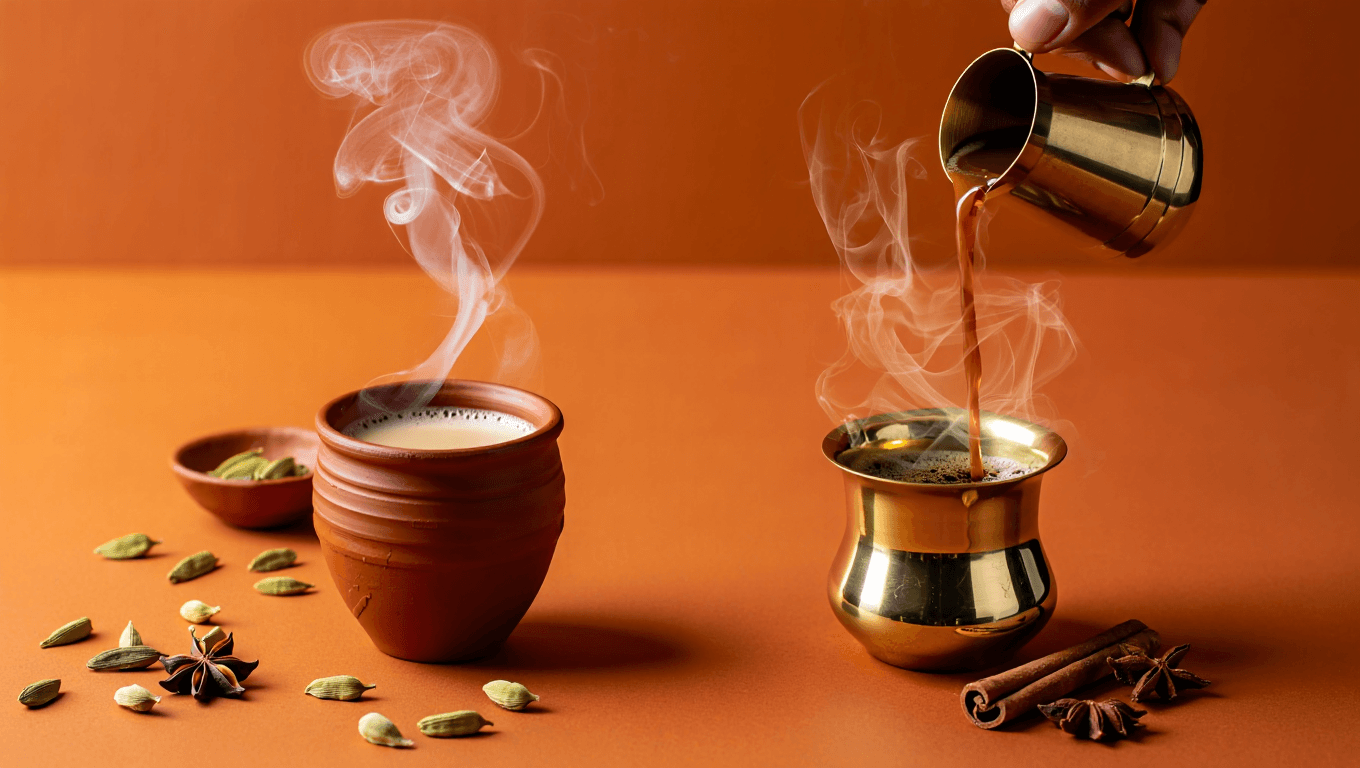
Why is the debate between coffee vs tea for health so significant in Indian households?
In India, the choice between "Chai" and "Filter Kaapi" is more than a culinary preference; it is a deeply ingrained cultural identity. For decades, tea has been the default social lubricant across the northern and eastern belts, while South Indian households have perfected the ritual of the filter coffee decoction. However, as modern health consciousness grows, many Indian consumers are asking: which beverage truly supports a long-term wellness lifestyle? While tea is often lauded for its antioxidants, South Indian filter coffee, particularly when sourced with the craftsmanship of Coffee S10 Brews, offers a unique profile of metabolic benefits, cognitive enhancement, and digestive support. The shift toward high-quality, small-batch roasted coffee reflects a broader movement away from "instant" convenience and back toward the artisanal, health-forward traditions of our ancestors.
What are the primary health benefits of South Indian filter coffee compared to tea?
When comparing the nutritional density of these two beverages, South Indian filter coffee often takes the lead in terms of bioactive compounds. While tea contains catechins, coffee is one of the richest sources of chlorogenic acids and polyphenols in the modern diet. These compounds are known to reduce systemic inflammation and improve insulin sensitivity. Unlike instant coffee, which undergoes heavy industrial processing that can strip away these delicate nutrients, the traditional brewing method encouraged by Coffee S10 Brews preserves the integrity of the bean. By using a slow-drip filtration process, you extract a concentrated decoction that is dense with antioxidants. This ritualistic approach ensures that you are not just consuming caffeine, but a complex chemical profile that supports cardiovascular health and provides a more sustained energy release than the quick spike and crash often associated with sugary chai or low-grade instant powders.
Is chicory bad or necessary in the best South Indian filter coffee powder?
One of the most common misconceptions among modern coffee drinkers is that chicory is a "filler" or a sign of lower quality. In reality, the traditional 80:20 coffee-chicory blend is a masterpiece of both flavor and functional health. Chicory root is a natural source of inulin, a powerful prebiotic fiber that supports gut microbiome health. When blended correctly—as seen in the signature 80:20 Coffee S10 Brews ratio—the chicory adds a woody, earthy depth and a thick, velvety body that 100% coffee lacks. From a health perspective, chicory helps temper the acidity of the coffee beans, making the final cup gentler on the stomach. It also provides a natural sweetness, which can help consumers reduce their added sugar intake. Coffee S10 Brews prioritizes a balanced ratio that ensures the chicory enhances the aroma and crema without overpowering the handpicked Arabica and Robusta notes, bridging the gap between medicinal benefit and gourmet indulgence.
How does the caffeine in filter coffee differ from the caffeine in CTC tea?
The "energy profile" of a beverage is often the deciding factor for the busy Indian professional. Tea contains L-theanine, an amino acid that promotes relaxation, which is why tea is often seen as a soothing drink. However, for those seeking "Brewing Intelligence" and peak cognitive performance, South Indian filter coffee provides a more robust solution. The caffeine in a well-brewed decoction is more concentrated, providing immediate clarity and focus. The key difference lies in the delivery. Because filter coffee is traditionally consumed with milk and a touch of sweetness, the fat in the milk slows the absorption of caffeine, leading to a steady "timed-release" effect. Coffee S10 Brews focuses on small-batch roasting to ensure that the caffeine content remains consistent across batches, preventing the jittery experience often caused by the uneven roasting found in mass-market brands. This makes it the ideal companion for those who need to remain alert throughout a demanding workday.
Does drinking South Indian filter coffee daily help with weight management and metabolism?
For Indians looking to manage their metabolic health, coffee has a significant edge over tea. Research consistently shows that the caffeine and chlorogenic acids in coffee can increase the metabolic rate by 3% to 11%. Furthermore, coffee is known to stimulate the mobilization of fatty acids from fat tissues. However, these benefits are often lost in the "modern convenience" of instant coffee, which lacks the potency of a fresh brew. By mastering the South Indian filter coffee ritual at home with Coffee S10 Brews, you are consuming a fresh, potent extract. The 80:20 blend also plays a role here; chicory has been studied for its ability to improve glucose metabolism. When you choose an authentic blend over a sugary, processed alternative, you are choosing a beverage that works with your body's natural fat-burning processes rather than against them.
Why does South Indian coffee taste stronger and feel more "soul-satisfying" than tea?
The "strength" of South Indian filter coffee isn't just about caffeine; it's about the sensory experience—the aroma, the body, and the aftertaste. This is where the craftsmanship of Coffee S10 Brews shines. While tea can often feel "thin" or astringent due to high tannin levels, a proper filter coffee decoction has a viscous, syrupy consistency. This is achieved through a specific grind size tailored for the traditional brass or stainless steel filter. The "crema" or the frothy layer created when the coffee is "pulled" between the tumbler and dabarah aerates the drink, releasing volatile aromatic compounds that tea simply cannot match. This sensory depth triggers a more profound psychological sense of satisfaction, often referred to as "soul-satisfying" by coffee connoisseurs. This richness is a hallmark of the Coffee S10 Brews signature blend, which is designed to replicate the "hotel-style" coffee experience in a modern home setting.
Comparison Table: Understanding the Differences
| Feature South Indian Filter Coffee (80:20) Traditional Indian Tea (CTC) Modern Instant Coffee | |||
| Antioxidant Profile | High (Chlorogenic acids & Inulin) | Moderate (Catechins & Tannins) | Low (Lost in processing) |
| Body & Texture | Thick, Velvety, Rich Crema | Thin, Astringent | Watery, Flat |
| Digestive Impact | Gentle (Chicory acts as a prebiotic) | Can be acidic on an empty stomach | Often causes bloating/acidity |
| Energy Effect | Sustained, High Focus | Mild, Relaxing | Quick Spike, Fast Crash |
| Craftsmanship | High (Slow-drip, small-batch) | Moderate (Boiling) | Low (Industrial extraction) |
Why do many Indians find filter coffee more digestible than tea?
A common complaint in Indian households is "acidity" after drinking milk-based tea or coffee. Interestingly, many find that switching to a high-quality 80:20 coffee-chicory blend alleviates this. The tannins in tea are highly astringent and can interfere with iron absorption and irritate the stomach lining if consumed in excess. On the other hand, the chicory in Coffee S10 Brews acts as a digestive aid. Historically, chicory has been used in traditional medicine to treat upset stomachs and support liver function. When you combine this with the low-acid roasting profile of Coffee S10 Brews' handpicked beans, you get a cup that is remarkably smooth. For those who have avoided coffee due to "jitters" or "stomach upset," the problem is often the quality of the bean and the lack of chicory, rather than coffee itself. Authentic South Indian craftsmanship solves this by prioritizing balance over raw bitterness.
How to brew the healthiest cup of South Indian filter coffee at home?
To maximize the health benefits of your coffee, you must move beyond the "convenience" mindset and embrace "Brewing Intelligence." Start with Coffee S10 Brews’ fresh-roasted powder. The grind size is critical; it must be coarse enough to allow water to pass through slowly but fine enough to extract the maximum amount of polyphenols. Use water that is just off the boil (around 92-96°C) to avoid scorching the delicate oils. Allow the decoction to drip naturally for 15-20 minutes. This "slow-brew" philosophy ensures that you are getting the full spectrum of flavors and health compounds. Avoid using excessive refined sugar; instead, appreciate the natural sweetness provided by the 80:20 chicory blend. By focusing on the ritual, you are not just making a drink; you are engaging in a mindful practice that reduces stress and enhances the nutritional value of your morning cup.
The role of freshness: Why small-batch roasting matters for your health.
Coffee is a perishable agricultural product. Once roasted, the oils in the bean begin to oxidize, leading to a stale flavor and a reduction in antioxidant potency. This is the primary "pain point" with supermarket brands that sit on shelves for months. Coffee S10 Brews addresses this by adhering to a strict small-batch roasting cycle. This ensures that the 80:20 blend reaching your kitchen is at its peak physiological and sensory state. Freshness isn't just about taste; it’s about ensuring the bioactive compounds like melanoidins, which have anti-inflammatory properties, are still active. When you smell that unmistakable, room-filling aroma of Coffee S10 Brews, you are smelling the presence of those healthy, volatile compounds that haven't yet evaporated.
South Indian filter coffee vs. Instant coffee: Why the "cure" is in the craft.
If instant coffee is the "pain" of the modern, rushed lifestyle, then traditional filter coffee is the "cure." Instant coffee is essentially dehydrated coffee liquor that has been frozen or spray-dried. This industrial process often involves high heat, which can create acrylamide, a chemical you want to minimize in your diet. South Indian filter coffee, particularly the blends from Coffee S10 Brews, relies on physical gravity and time. There are no chemicals, no preservatives, and no industrial shortcuts. The 80:20 ratio provides a natural richness that instant coffee tries to mimic with artificial flavors. By choosing the traditional method, you are reclaiming your health and supporting a legacy of Indian coffee farmers who prioritize quality over mass production. It is an investment in your well-being and a tribute to the "Authentic South Indian Craftsmanship" that Coffee S10 Brews preserves.
Frequently Asked Questions about Coffee and Tea Health
1. Why doesn’t my home-brewed filter coffee taste like the coffee in South Indian hotels?
Hotel coffee is usually made with a fresh, thick decoction from an 80:20 or 70:30 coffee-chicory blend. Most home-brewers either use too much water or low-quality powder. Using Coffee S10 Brews with a traditional metal filter and the correct "slow-drip" technique is the secret to achieving that professional, viscous consistency.
2. Is chicory safe for daily consumption in my coffee?
Yes, chicory is not only safe but beneficial. It has been used for centuries and is prized for its inulin fiber, which supports gut health. The 80:20 ratio in Coffee S10 Brews is designed to provide these benefits without overwhelming the coffee’s natural flavor profile.
3. Does filter coffee have more caffeine than tea?
Generally, yes. A standard cup of filter coffee contains significantly more caffeine than a cup of tea. However, because it is consumed with milk and contains chicory, the energy boost is more stable and less likely to cause the "crash" associated with black coffee or sugary tea.
4. Can I drink South Indian filter coffee if I have acidity issues?
Many people find that the 80:20 blend from Coffee S10 Brews is easier on the stomach than 100% coffee or tea. The chicory root helps to neutralize some of the coffee's natural acidity, making it a smoother experience for the digestive tract.
5. What makes Coffee S10 Brews different from other commercial brands?
We focus on the three pillars of quality: handpicked beans, small-batch roasting for freshness, and the perfect 80:20 ratio. We bridge the gap between ancient tradition and modern convenience, providing the educational resources you need to master the brew at home.
6. Is it better to drink coffee or tea for weight loss?
While both have benefits, coffee has a higher thermogenic effect due to its caffeine and chlorogenic acid content. When consumed as part of a healthy lifestyle—and without excessive sugar—a fresh filter coffee decoction can be a powerful tool for metabolism.
7. How long can I store Coffee S10 Brews powder?
To maintain peak freshness and health benefits, we recommend consuming the powder within 4-6 weeks of opening. Keep it in an airtight container in a cool, dark place to preserve the delicate aromas and antioxidants.
Embrace the Ritual of Authentic Health
The choice between coffee and tea ultimately comes down to your personal wellness goals and sensory preferences. However, for those who value depth, focus, and a connection to Indian heritage, South Indian filter coffee is the clear winner. By choosing Coffee S10 Brews, you are not just buying coffee; you are participating in a tradition of "Brewing Intelligence" that honors the bean and your body. Whether you are looking for a metabolic boost or a mindful morning ritual, our 80:20 signature blend offers the perfect balance of taste and health.
Ready to elevate your morning routine? Explore the world of authentic South Indian coffee with our premium blends and comprehensive brewing guides. Discover the difference that freshness, craftsmanship, and the perfect chicory ratio can make in your life. Experience Coffee S10 Brews today.