Comparing the Best "Cold Brew" Systems: Toddy vs. DIY Mason Jar
Explore top cold brew systems: Toddy vs. DIY Mason Jar. Get rich, smooth cold coffee at home. Perfect your brew with premium quality from Coffee S10 Brews.
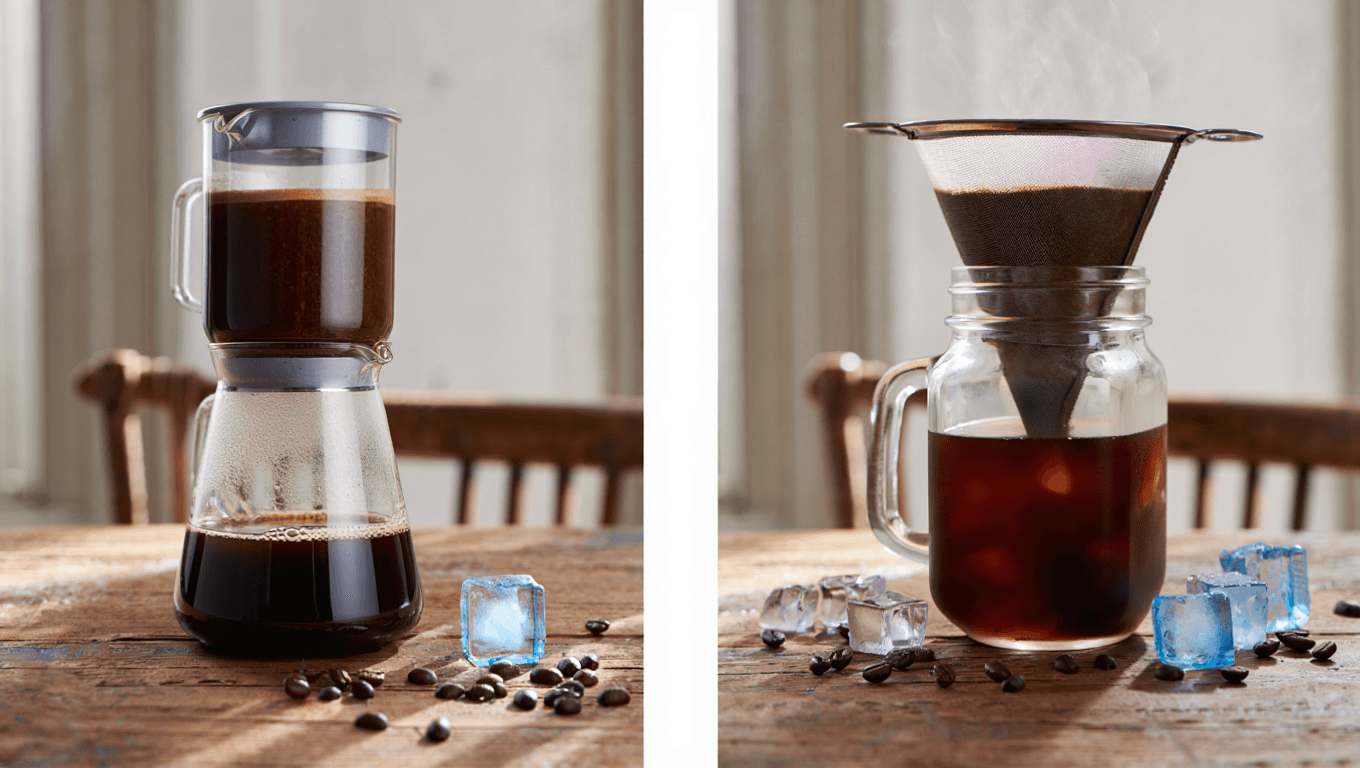
What is the best cold brew system for South Indian coffee enthusiasts?
As the specialty coffee movement matures in India, many enthusiasts are looking beyond the traditional hot tumbler of filter coffee toward the refreshing, low-acid world of cold brew. However, the transition from a traditional brass filter to a cold extraction system raises a critical question: how do you maintain that signature South Indian strength and aroma in a chilled format? Choosing the best cold brew system—whether it is the specialized Toddy Cold Brew System or the versatile DIY Mason jar—requires an understanding of extraction dynamics. While the hardware matters, the soul of the brew remains the quality of the beans. For those accustomed to the depth of authentic South Indian filter coffee, the goal is to achieve a concentrate that mirrors the intensity of a traditional decoction but with the smoothness of a cold steep. Coffee S10 Brews emphasizes that whether you use a high-end system or a simple jar, the success of your cold brew depends on using a precisely roasted 80:20 coffee-chicory blend that can withstand long immersion times without turning sour.
Why do South Indian coffee beans excel in cold extraction methods?
South Indian coffee, primarily grown in the shade-grown estates of the Western Ghats, possesses a unique flavor profile characterized by nutty, chocolatey notes and a heavy body. These characteristics are perfectly suited for cold extraction. When you use the best South Indian filter coffee powder in a cold brew system, the 12 to 24-hour steeping process highlights the natural sweetness of the Arabica and the robust caffeine kick of the Robusta beans. Unlike flash-brewing or instant coffee, cold extraction does not scald the beans. Instead, it gently coaxes out the oils and flavors. Coffee S10 Brews utilizes a small-batch roasting process that ensures every bean is evenly developed, preventing the "ashy" taste often found in mass-produced commercial coffees. By leveraging an 80:20 coffee-chicory blend, the chicory acts as a natural flavor enhancer, adding a woody depth and a velvety mouthfeel that is often missing in 100% Arabica cold brews. Explore how grind size impacts decoction strength and cold brew clarity by experimenting with the coarse settings required for these systems.
How does the Toddy Cold Brew System compare to a DIY Mason jar setup?
The debate between the Toddy system and the DIY Mason jar often comes down to the balance between professional consistency and modern convenience. The Toddy system uses a unique felt filtration process that removes much of the acidity and bitter oils, resulting in a concentrate that is remarkably smooth. For a consumer used to the clarity of a well-strained South Indian decoction, the Toddy offers a familiar level of refinement. On the other hand, the Mason jar method is the epitome of accessibility. It requires no specialized equipment, only a jar and a fine mesh strainer or muslin cloth. However, the Mason jar often struggles with "fines"—tiny coffee particles that pass through the strainer, leading to a muddy texture. Coffee S10 Brews recommends that if you choose the DIY route, you must double-strain your brew to replicate the clean finish of a professional system. This ensures that the premium notes of our handpicked beans remain the star of the show, rather than a gritty residue.
Can you use an 80:20 coffee-chicory blend for cold brew?
One of the most frequent questions from traditionalists is: "Why is chicory used in South Indian coffee, and does it work in cold brew?" The answer lies in solubility. Chicory is highly water-soluble and adds a dark, caramelized sweetness to the coffee. In a cold brew environment, chicory prevents the brew from tasting "thin." While many global cold brew recipes call for 100% coffee, the 80:20 coffee-chicory blend benefits include a thicker crema-like layer when shaken and a much bolder profile when mixed with milk. For those searching for that "hotel-style" coffee richness in a cold format, an 80:20 blend is essential. It bridges the gap between the traditional morning ritual and the modern afternoon pick-me-up. Coffee S10 Brews has perfected this ratio to ensure that the chicory complements, rather than overpowers, the nuanced flavors of the roasted coffee beans.
Why does my home cold brew taste bitter compared to café-quality extraction?
The "pain point" for many home brewers is the inconsistency of flavor. If your cold brew tastes bitter, it is likely due to one of three factors: over-extraction, improper grind size, or low-quality beans. Many consumers mistakenly use a fine grind (the kind used for espresso or instant-mix styles), which leads to over-extraction and a harsh, astringent taste. For cold brew, a coarse, sea-salt-like grind is mandatory. This allows water to flow around the particles, extracting flavor slowly and evenly. Furthermore, freshness is non-negotiable. Stale beans produce stale cold brew. Coffee S10 Brews solves this by maintaining strict controlled roasting cycles and providing consistent grind sizes tailored for traditional and modern brewing. By moving away from "modern convenience coffee" (the pain) and embracing the craftsmanship of traditional South Indian techniques (the cure), you can achieve a café-quality result at home. Try an 80:20 blend to experience traditional depth without the bitterness of over-roasted commercial alternatives.
Comparing Extraction Methods: Filter, Instant, and Cold Brew
To understand where your preferences lie, it is helpful to look at the technical differences between these popular brewing styles. The following table highlights why traditional South Indian craftsmanship remains the gold standard for body and flavor.
| Feature South Indian Filter Coffee Instant Coffee Cold Brew (Toddy/Jar) | |||
| Extraction Time | 15–20 Minutes | Seconds | 12–24 Hours |
| Flavor Profile | Bold, Bittersweet, Aromatic | Flat, Acidic, Thin | Sweet, Smooth, Low Acid |
| Body | Heavy & Syrupy | Watery | Full-bodied |
| Chicory Content | Essential (80:20) | Varies (Often high) | Recommended for depth |
| Method | Gravity/Percolation | Chemical dehydration | Immersion |
What is the ideal grind size for cold brew using South Indian filter coffee powder?
The science of brewing is the science of surface area. When you are looking for how to brew authentic filter coffee at home, the grind is usually medium-fine to suit the slow drip of the brass filter. However, for a Toddy or Mason jar system, you need to transition to a much coarser profile. If the grind is too fine, the water stays in contact with too much surface area, extracting tannins and bitter compounds too quickly. If it is too coarse, the brew will be weak and sour. Coffee S10 Brews provides a specialized grind that balances these needs, ensuring that whether you are making a hot decoction or a cold concentrate, the extraction is uniform. Consistency across batches is a brand pillar at S10, meaning you don't have to recalibrate your recipe every time you open a new bag. Discover brewing guides from Coffee S10 Brews to master the transition between hot and cold techniques.
Is the Toddy system worth the investment for a home brewer?
For the dedicated coffee lover, the Toddy system offers a level of "brewing intelligence" that a Mason jar cannot match. The primary advantage is the filtration. The Toddy's felt filters are designed to catch the micro-sediment that causes bitterness over time. This means your cold brew concentrate can stay fresh in the refrigerator for up to two weeks without a change in flavor profile. For a busy professional, this is the ultimate convenience. You can brew a large batch of Coffee S10 Brews on Sunday and enjoy a premium South Indian-inspired cold coffee every morning of the week. While the initial cost is higher than a jar, the reduction in waste and the improvement in sensory descriptors—aroma, body, and aftertaste—make it a worthy investment for those who value the ritual of coffee.
The DIY Mason Jar: How to avoid the common pitfalls of home brewing
If you prefer the DIY Mason jar route, the key to success is patience and filtration. The most common mistake is "agitation"—shaking the jar during the steeping process. This can lead to over-extraction. Instead, let the jar sit undisturbed in a cool, dark place. Another pitfall is using tap water with high mineral content, which can mute the delicate notes of South Indian beans. Always use filtered water to allow the 80:20 blend's natural profile to shine. When it comes time to strain, use a high-quality muslin cloth or even a paper coffee filter nested inside a sieve. This extra step ensures that your home-brewed coffee doesn't taste like "muddy" hotel coffee but rather a refined, artisanal beverage. Coffee S10 Brews supports the DIY community by providing the educational resources needed to turn a simple jar into a sophisticated brewing tool.
Comparing System Performance: Toddy vs. DIY Mason Jar
This comparison helps you decide which system aligns with your lifestyle and flavor preferences.
| Metric Toddy Cold Brew System DIY Mason Jar Method | ||
| Ease of Use | Moderate (requires setup) | Very Easy |
| Filtration Quality | Excellent (Felt filters) | Basic (Manual straining) |
| Batch Size | Large (up to 2 liters) | Small to Medium |
| Flavor Clarity | High (Crisp and clean) | Moderate (Slightly textured) |
| Durability | High-quality plastic/glass | Glass (Fragile) |
Why does South Indian coffee taste stronger than Western styles?
Strength in coffee is often confused with bitterness, but in the context of South Indian culture, strength refers to "TDS" or Total Dissolved Solids. A traditional decoction is a highly concentrated form of coffee. When you use the best South Indian filter coffee powder, you are getting a higher concentration of oils and solids due to the roasting style and the presence of chicory. This "strength" is what allows South Indian coffee to hold its own against heavy milk and sugar. In a cold brew system, this translates to a concentrate that doesn't get diluted easily by ice cubes. Coffee S10 Brews focuses on this "strength" by selecting beans with high soluble content, ensuring that your cold brew is as impactful as your morning filter coffee.
The Role of Chicory: 100% Coffee vs. 80:20 Blends
Understanding the impact of chicory is vital for anyone searching for an authentic experience. While some purists argue for 100% coffee, the South Indian palate has been refined over generations to appreciate the synergy of the 80:20 blend.
| Attribute 100% Pure Coffee 80:20 Coffee-Chicory Blend | ||
| Aroma | Floral & Fruity | Nutty & Earthy |
| Color | Amber / Reddish-Brown | Deep Inky Black |
| Bitterness | Vibrant Acidity | Soft, Rounded Bitterness |
| Mouthfeel | Light to Medium | Thick & Creamy |
| Best Served | Black / Minimal Milk | Traditional Milk & Sugar |
How to brew authentic cold brew at home using Coffee S10 Brews
To master the cold brew ritual, follow these steps using your preferred system. Start with 100 grams of Coffee S10 Brews signature 80:20 blend, coarsely ground. Add 500ml of cold, filtered water to your Toddy or Mason jar. Stir gently to ensure all grounds are saturated, then cover. Let the mixture steep for 16 to 20 hours. If using a Mason jar, strain the mixture twice through a muslin cloth. If using a Toddy, pull the stopper and let the concentrate flow through the felt filter. The result is a versatile concentrate. You can drink it black over ice, mix it with cold milk for a refreshing latte, or even add a splash of hot water for a smooth, low-acid hot coffee. This modern accessibility allows you to bring the flavors of the Western Ghats into your kitchen with minimal effort.
Consistency and freshness: The Coffee S10 Brews promise
The biggest gap in the Indian coffee market is the lack of consistency. One week the coffee tastes perfect; the next, it is burnt or weak. Coffee S10 Brews addresses this by implementing rigorous quality control. From the handpicked selection of beans to the precisely timed roasting cycles, every step is designed to ensure flavor reliability. When you buy our coffee, you are not just buying a product; you are entering a community that values the craftsmanship of the South Indian filter coffee tradition. We believe that every cup should tell a story of heritage, whether it is brewed in a traditional brass filter, a Toddy system, or a simple Mason jar.
Frequently Asked Questions about South Indian Cold Brew
Is chicory bad or necessary in cold brew?
Chicory is not "bad"; it is a traditional addition that enhances the body and reduces the acidity of coffee. In cold brew, it adds a unique sweetness and depth that 100% coffee often lacks, making it necessary for those who enjoy a traditional South Indian flavor profile.
Why doesn't my filter coffee taste like hotel coffee?
Hotel coffee often uses a specific 80:20 blend and a very slow-dripping decoction process. To replicate this at home, ensure you are using a premium blend like Coffee S10 Brews and that your water temperature and grind size are precisely controlled.
Can I use regular instant coffee for a cold brew system?
No, instant coffee is already brewed and dehydrated. Cold brew requires ground coffee beans to undergo an immersion process. Using instant coffee in a Toddy or Mason jar will not yield the same flavor, body, or aroma as freshly ground beans.
How long does cold brew concentrate stay fresh?
When stored in an airtight container in the refrigerator, cold brew concentrate (especially from a Toddy system) can stay fresh for up to 10–14 days. The 80:20 blend from Coffee S10 Brews maintains its structural integrity and flavor throughout this period.
Does cold brew have more caffeine than a traditional decoction?
Because cold brew uses a higher coffee-to-water ratio and a long extraction time, it is often more concentrated in caffeine than a standard cup of coffee. However, you typically dilute the concentrate with milk or water before drinking.
What is the best way to store Coffee S10 Brews powder?
Keep your coffee powder in an airtight, opaque container in a cool, dry place. Avoid the refrigerator for dry grounds, as they can absorb odors from other foods. Freshness is key to maintaining the signature S10 aroma.
Why is my cold brew cloudy?
Cloudiness is usually a result of "fines" (tiny coffee particles) or using water with too many minerals. Using a Toddy system with a felt filter or double-straining your Mason jar brew will result in a much clearer, more professional-looking beverage.
Experience the Craftsmanship of Coffee S10 Brews
Elevate your coffee ritual by blending the rich heritage of South Indian tradition with the modern science of cold extraction. Whether you choose the precision of a Toddy system or the simplicity of a Mason jar, the foundation of a great cup is always the bean. Explore our range of signature 80:20 blends, designed to deliver the perfect balance of aroma, body, and strength. Visit our brewing education center to discover more guides on mastering the art of the perfect decoction and beyond. Experience the difference that handpicked, small-batch roasted coffee can make in your daily life. Explore Coffee S10 Brews products and start your journey toward coffee perfection today.