Dual Boiler vs Single Boiler Machines: What Baristas Should Know
Choosing a coffee machine? Explore dual boiler vs single boiler options. Get barista-level insights from Coffee S10 Brews to perfect your brew at home or café. Make the right choice!
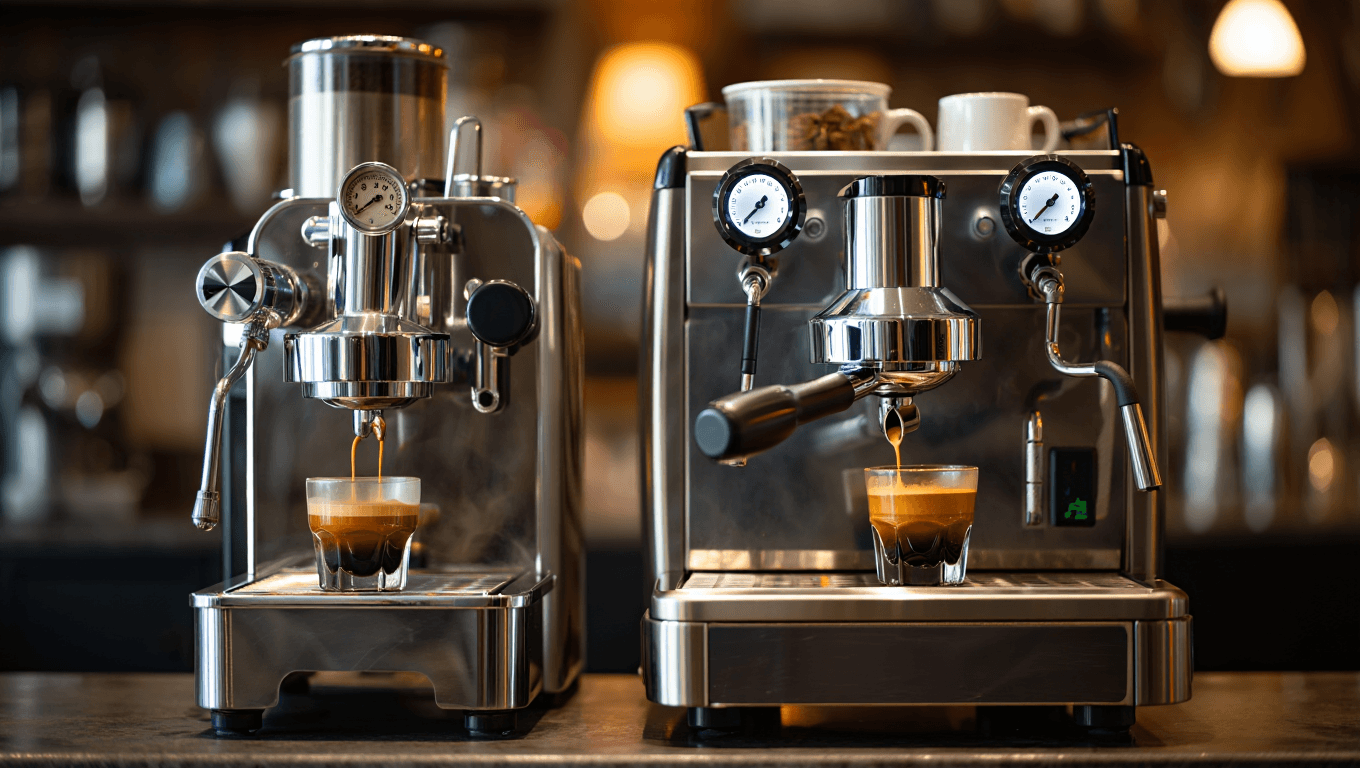
Why does temperature stability matter for brewing the perfect South Indian filter coffee decoction?
In the world of specialty coffee, temperature is the silent architect of flavor. For South Indian filter coffee, the "decoction"—the thick, viscous extract—relies on a delicate balance of thermal energy to pull out the deep, chocolaty notes of the bean without scalding the delicate oils. Whether you are using a traditional brass filter or exploring modern espresso machinery like a single or dual boiler, the consistency of heat determines whether your cup is a masterpiece or a bitter disappointment. Most enthusiasts find that their "hotel-style" coffee at home lacks depth because of fluctuating temperatures. Coffee S10 Brews addresses this by providing an 80:20 coffee-chicory blend that is engineered to remain stable and aromatic even under the varying thermal conditions of home brewing. When the water is too hot, the chicory becomes overly acrid; too cool, and the coffee oils remain trapped. Achieving that perfect extraction requires an understanding of how your brewing hardware manages heat.
What is a single boiler espresso machine and is it enough for South Indian coffee?
A single boiler espresso machine uses one internal tank to heat water for both brewing coffee and steaming milk. For a barista trying to replicate the "meter coffee" experience, this presents a logistical challenge. You must first brew your decoction at a lower temperature (around 90-95°C) and then wait for the boiler to ramp up to a higher temperature to create steam for that iconic frothy milk. This "surfing" between temperatures often leads to inconsistency. If you are brewing for a single person, a single boiler might suffice, but for those who value the authentic South Indian ritual, the wait time can degrade the freshness of the decoction. At Coffee S10 Brews, we believe the ritual should be seamless. Our handpicked beans are roasted in small batches specifically to ensure that even if your brewing process has a slight delay, the flavor profile remains robust and the aroma stays intact, bridging the gap between traditional patience and modern speed.
Why dual boiler machines are the gold standard for high-volume coffee shops and enthusiasts
The dual boiler machine is the pinnacle of brewing intelligence. It features two independent boilers: one dedicated strictly to brewing and the other to steam. This allows a barista to pull a shot of intense, concentrated coffee while simultaneously steaming milk to a silky micro-foam. For South Indian filter coffee, this is a game-changer. You can maintain a precise, unwavering temperature for the coffee extraction, ensuring that the 80:20 ratio of Coffee S10 Brews releases its full body and crema without interference. The secondary boiler provides constant, high-pressure steam, which is essential for creating the aerated, bubbly texture synonymous with the best Chennai cafes. While a dual boiler is a significant investment, it reflects the commitment to craftsmanship that Coffee S10 Brews champions. It removes the "guesswork" and replaces it with the consistency required to honor premium Indian coffee beans.
How does the 80:20 coffee-chicory blend behave in different boiler systems?
The addition of 20% high-quality chicory to 80% premium Arabica and Robusta beans is what gives South Indian filter coffee its legendary soul. Chicory is more water-soluble than coffee and adds a distinct earthiness and "thickness" to the cup. In a single boiler system, if the temperature overshoots, the chicory can dominate the palate with a burnt aftertaste. However, in a stabilized dual boiler or a well-managed traditional filter, the Coffee S10 Brews signature blend creates a syrupy decoction with a lingering sweetness. This specific ratio is designed to enhance the "crema"—the golden layer of emulsified oils—which is often missing in 100% coffee blends. By choosing an 80:20 blend, you are opting for a traditional depth that can withstand the high-pressure environment of modern machines while maintaining the flavor reliability of a heritage brew.
Why is steam pressure critical for the "Meter Coffee" experience?
If you have ever watched a professional barista in a South Indian "Darshini" or "Bhavan," you’ve seen the spectacular sight of coffee being poured from a height to create froth. In a modern kitchen, we use steam wands to achieve this. Single boiler machines often struggle to provide consistent steam pressure because the boiler is small and quickly loses heat. A dual boiler, conversely, provides a dedicated reservoir of steam. This is crucial because authentic South Indian coffee isn't just about the liquid; it’s about the "head" of froth. This froth traps the volatile aromatic compounds of the Coffee S10 Brews blend, releasing them only as you take your first sip. High-pressure steam ensures the milk is aerated properly without being diluted by excess water, preserving the rich, creamy mouthfeel that defines the South Indian coffee culture.
Single Boiler vs Dual Boiler vs Traditional Brass Filter: A Comparison
| Feature Single Boiler Machine Dual Boiler Machine Traditional Brass Filter | |||
| Temperature Stability | Moderate (requires "temp surfing") | High (precise PID control) | Low (manual heat loss) |
| Brewing & Steaming | One at a time (sequential) | Simultaneous | No steaming capability |
| Extraction Style | High Pressure (Espresso-like) | High Pressure (Commercial Grade) | Gravity-based (Slow Drip) |
| Ideal For | Budget-conscious hobbyists | Professional Baristas/Connoisseurs | Traditionalist "Slow Coffee" lovers |
| Best Coffee S10 Product | Signature 80:20 Medium-Fine Grind | Signature 80:20 Fine Grind | Signature 80:20 Medium Grind |
Why doesn’t my home-brewed filter coffee taste like hotel coffee?
The most common complaint from coffee drinkers in India is that home-brewed coffee feels "thin" or lacks that punchy, lingering aftertaste. This usually comes down to two factors: the grind size and the coffee-to-chicory ratio. Hotels typically use high-commercial-grade dual boiler systems or large-scale decoction drippers that maintain a constant high temperature. When you use Coffee S10 Brews, you are already halfway to solving this "pain." Our beans are roasted to a specific profile that mimics the commercial depth found in premium hotels. If you are using a single boiler at home, the trick is to ensure your machine is fully pre-heated for at least 20 minutes to stabilize the thermal mass. Using a high-quality 80:20 blend provides the necessary body that compensates for any minor fluctuations in your home brewing equipment, giving you that thick, "hotel-style" decoction every single time.
The impact of grind size on decoction strength and clarity
Grind size is the bridge between the machine and the bean. In a dual boiler espresso machine, the grind must be very fine to create the resistance needed for a 9-bar pressure extraction. In a traditional South Indian filter, the grind should be slightly coarser—like sea salt—to allow gravity to pull the water through. Coffee S10 Brews offers specialized grinding services to ensure that whether you are using a modern boiler or a traditional Dabba, the extraction is optimized. A grind that is too fine in a traditional filter will clog, while a grind that is too coarse in an espresso machine will result in a sour, watery mess. Mastering the grind is part of the "Brewing Intelligence" we promote, ensuring that every bag of Coffee S10 Brews delivers a consistent, powerful cup regardless of the hardware used.
100% Pure Coffee vs. 80:20 Coffee-Chicory Blends: Which is better?
There is a persistent debate in the coffee community about the "purity" of coffee. While 100% Arabica is excellent for black coffee or pour-overs, it often falls flat when mixed with the heavy milk and sugar typical of South Indian traditions. This is where the 80:20 blend excels. Chicory acts as a natural flavor enhancer, increasing the solubility of the coffee and providing a darker, more viscous appearance. For baristas using dual boiler machines, the 80:20 blend produces a more stable crema that doesn't dissipate instantly. This blend is the heart of Coffee S10 Brews’ philosophy: honoring the heritage of the South Indian palate while providing the technical performance required for modern brewing methods.
| Attribute 100% Pure Coffee Blend 80:20 Coffee-Chicory Blend | ||
| Body/Viscosity | Light to Medium | Heavy and Syrupy |
| Bitterness Profile | Clean, acidic notes | Earthy, caramelized bitterness |
| Milk Interaction | Can be overwhelmed by milk | Cuts through milk for a bold flavor |
| Decoction Color | Translucent dark brown | Opaque, deep obsidian |
| Best Use Case | Black Coffee, Americano | Traditional Filter Coffee, Latte |
Why South Indian filter coffee tastes "stronger" than regular espresso
Strength in coffee is often confused with caffeine content, but for the South Indian consumer, strength refers to "TDS" or Total Dissolved Solids. Because of the slow-drip nature of the traditional filter and the inclusion of chicory, the decoction has a much higher concentration of solids than a standard shot of espresso. This creates a sensory experience that is intense and lingering. When using a dual boiler machine, baristas can mimic this "strength" by adjusting the brew ratio—using more coffee grounds and less water. Coffee S10 Brews’ 80:20 blend is specifically curated to maximize these dissolved solids, ensuring that even a small amount of decoction provides a powerful flavor profile that stands up to the sweetness of frothy milk.
Modern Accessibility: Bridging tradition with contemporary brewing
At Coffee S10 Brews, we recognize that not everyone has the time to wait 30 minutes for a traditional filter to drip. This is why we advocate for "Modern Accessibility." Whether you are using an AeroPress, a single boiler Gaggia, or a high-end dual boiler Decent, our coffee is designed to be versatile. The "cure" for the mediocre, instant coffee culture is making high-quality, authentic craftsmanship accessible to the modern home. By providing clear brewing guides and consistent, small-batch roasted beans, we empower the consumer to become a barista in their own kitchen, preserving the South Indian coffee culture for a new generation.
Frequently Asked Questions about South Indian Filter Coffee and Brewing
Is chicory bad for health, or is it a necessary part of filter coffee?
Chicory is not "bad"; in fact, it is a root that has been used for centuries and is often praised for its prebiotic fiber content (inulin). In South Indian coffee, it is essential for providing the characteristic body, thickness, and dark color that 100% coffee cannot achieve on its own.
Why does my filter coffee taste sour?
Sourness is usually a sign of under-extraction. This happens if the water wasn't hot enough or the grind was too coarse. Ensure your water is just off the boil (around 94°C) and try a slightly finer grind from Coffee S10 Brews to get a more balanced extraction.
Can I use a dual boiler espresso machine to make authentic South Indian coffee?
Yes! By using a fine grind of an 80:20 blend and pulling a "ristretto" (a short, concentrated shot), you can create a modern version of the traditional decoction that is arguably even more consistent and aromatic.
How long does the Coffee S10 Brews powder stay fresh?
We recommend consuming our coffee within 3-4 weeks of the roast date for peak aroma. Because we roast in small batches and use high-barrier packaging, the freshness is locked in, but once opened, it should be stored in an airtight container in a cool, dark place.
What is the best milk to use for South Indian filter coffee?
Full-fat, fresh cow’s milk is the traditional choice. The fats in the milk interact with the chicory and coffee oils to create a creamy, velvety mouthfeel. If using a steam wand on a boiler machine, aim for "micro-foam" rather than large bubbles.
Why is the 80:20 ratio considered the "gold standard"?
Through decades of South Indian coffee culture, the 80:20 ratio has been found to be the perfect equilibrium. It provides enough coffee for the caffeine kick and complex aroma, while the 20% chicory adds the necessary "heaviness" and sweetness to balance the fats in milk.
Master the Ritual of South Indian Filter Coffee
The journey from a single boiler to a dual boiler represents a commitment to the art of coffee, much like the journey from instant powder to authentic South Indian filter coffee. At Coffee S10 Brews, we are more than just a brand; we are your partners in this aromatic journey. Our mission is to ensure that every home in India can experience the premium, handpicked, and small-batch roasted perfection of a traditional brew.
Ready to elevate your morning ritual? Explore the Signature 80:20 Blends from Coffee S10 Brews and discover why craftsmanship makes all the difference. Whether you are a traditionalist with a brass filter or a modern barista with a dual boiler, our beans are the missing ingredient in your quest for the perfect cup. Check out our comprehensive Brewing Guides to master the art of the decoction today.