How "Amino Acids" React to Create the Savory Notes in Coffee
Ever wondered about coffee's deep, savory notes? Explore how amino acids craft the rich taste in your Coffee S10 Brews, bringing authentic South Indian filter coffee home.
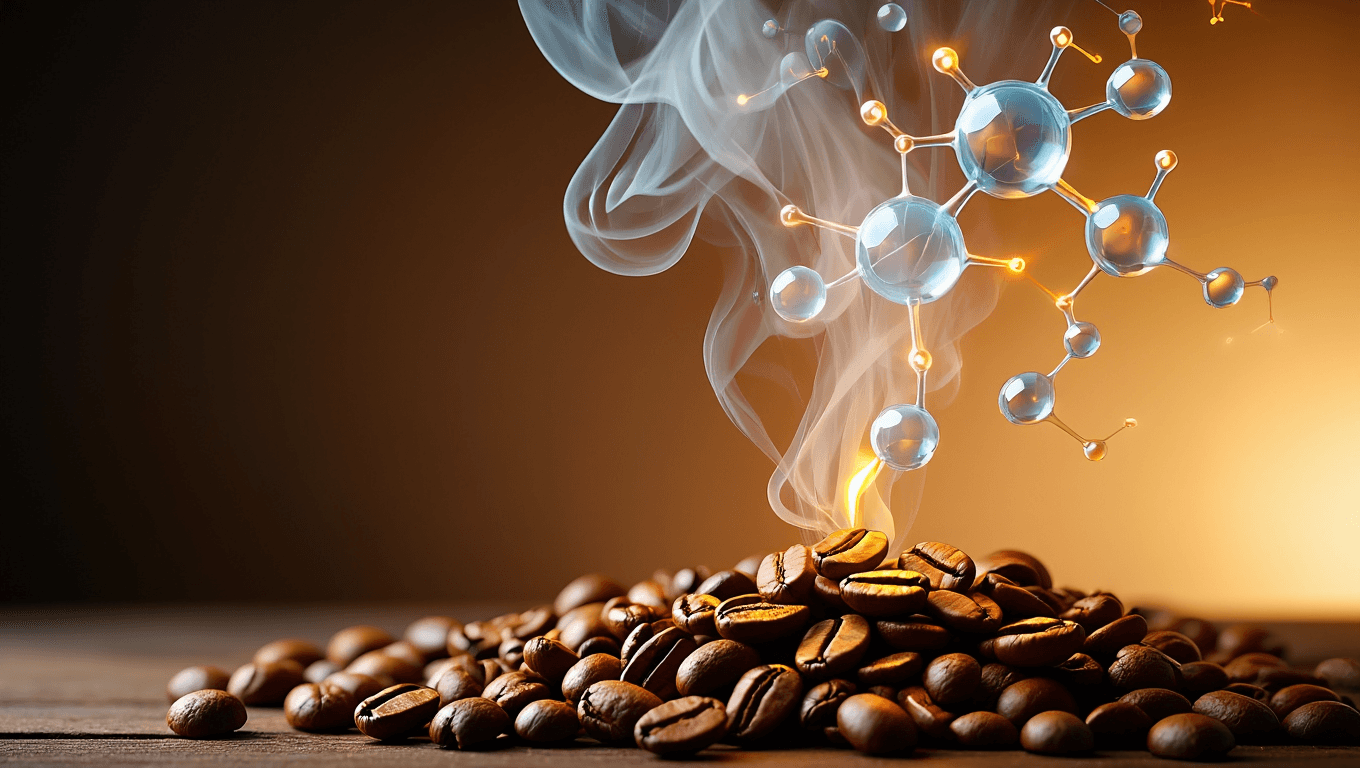
How do amino acids and sugars create that savory South Indian filter coffee aroma?
The distinctive, soul-warming aroma of South Indian filter coffee is not a happy accident; it is a complex chemical symphony known as the Maillard reaction. When we roast high-quality Arabica and Robusta beans, the amino acids—the building blocks of proteins—react with natural reducing sugars under heat. This process produces hundreds of different flavor compounds, particularly melanoidins, which give the coffee its deep brown color and savory, almost umami-like depth. In premium blends like Coffee S10 Brews, the selection of handpicked beans ensures a high concentration of these precursors, resulting in a decoction that smells of toasted nuts, caramelized sugar, and a hint of earthy spice. Understanding this chemistry helps enthusiasts move away from "convenience" powders toward the authentic craftsmanship of traditional brewing.
Why is an 80:20 coffee-chicory blend the gold standard for South Indian filter coffee?
Many consumers wonder why South Indian coffee uses chicory while global specialty coffee often shuns it. The answer lies in the unique "body" and "mouthfeel" required for a perfect tumbler of milk-based coffee. An 80:20 blend—consisting of 80% high-quality coffee beans and 20% roasted chicory root—is the traditional benchmark. Chicory does not contain caffeine, but it is rich in inulin and natural sugars that caramelize more intensely than coffee beans. This creates a thicker, more viscous decoction. Without this 20% addition, the coffee often feels "thin" when mixed with hot, frothed milk. Coffee S10 Brews perfects this ratio, ensuring the chicory enhances the coffee’s natural chocolatey notes rather than overpowering them with bitterness. This balance is what allows the brew to hold its own against the richness of full-fat milk.
What is the secret to making hotel-style filter coffee at home?
The most common complaint from coffee lovers is: "Why doesn't my home brew taste like the coffee at a traditional South Indian hotel?" The secret usually boils down to three factors: the grind size, the water temperature, and the "first press." Hotel coffee uses a specific coarse-to-medium grind that prevents the filter from clogging while allowing for a slow, pressurized drip. If the grind is too fine, the water stagnates; if it is too coarse, the water rushes through without extracting the savory amino acids. Coffee S10 Brews addresses this by providing a consistent, calibrated grind size optimized for the traditional stainless steel filter. Furthermore, hotels never boil their decoction twice. To replicate this at home, you must use near-boiling water (around 92-96°C) and collect only the first thick extract, known as the "first press," for the most potent flavor profile.
How does the roasting process transform raw beans into a rich decoction?
Roasting is where the magic of the "savory notes" is truly unlocked. During the roasting cycle, the beans undergo a physical and chemical transformation. As the temperature rises, the amino acid proline and various sugars begin to break down, creating aromatic volatiles. A medium-dark roast is preferred for South Indian filter coffee because it bridges the gap between the bright acidity of light roasts and the smoky bitterness of very dark roasts. Coffee S10 Brews utilizes small-batch roasting to maintain absolute control over this process. By monitoring the "first crack" and carefully timing the cooling phase, the brand ensures that the delicate oils—which carry the coffee's signature scent—are preserved. This consistency is vital because even a few seconds of over-roasting can turn a savory, complex bean into a charred, one-dimensional product.
Why is the choice of milk critical for an authentic filter coffee experience?
While the coffee decoction is the heart of the drink, the milk is its body. Traditional South Indian filter coffee is rarely consumed black; it is designed to be paired with milk. However, not all milk is created equal. To achieve the iconic frothy top and creamy texture, you need high-fat, whole milk. When the hot decoction is added to frothed milk, the fats in the milk coat the tongue, tempering the bitterness of the coffee and highlighting the sweet, savory notes produced by the amino acids during roasting. If you use skimmed or diluted milk, the coffee's tannins become too sharp, and the mouthfeel becomes watery. Mastering the "pouring" technique—stretching the coffee between the tumbler and the davarah—further aerates the milk, creating a natural crema-like foam that enhances the sensory experience.
How to master the traditional South Indian filter brewing technique?
Brewing the perfect cup requires patience and the right tools. The traditional South Indian coffee filter consists of two cylindrical chambers. The top chamber has a perforated bottom where the coffee powder is tightly packed using a plunger. To brew like a pro, add 2-3 tablespoons of Coffee S10 Brews powder to the top chamber. Gently press it down—not too hard, or the water won't pass through, and not too light, or the water will bypass the grounds. Pour hot water in a circular motion and close the lid. The "gravity-drip" method takes about 15 to 20 minutes. This slow extraction is essential for pulling out the heavy molecular compounds that give the coffee its signature strength. Using this method ensures you get a "decoction" that is exponentially stronger than standard drip coffee or French press brews.
Is chicory in coffee healthy or just a filler?
There is a common misconception that chicory is a "cheap filler" used to cut costs. Historically, chicory gained popularity during coffee shortages, but in the context of South Indian culture, it became a deliberate culinary choice. Chicory is the root of the Cichorium intybus plant and is completely natural. It is a rich source of prebiotic fiber and provides a unique woody, nutty flavor that complements the profile of Indian coffee beans. When used in the correct proportion, like the signature 80:20 blend from Coffee S10 Brews, it performs a functional role: it slows down the extraction of the coffee, resulting in a thicker liquid, and adds a natural sweetness that reduces the need for excessive sugar. It is an essential component of the "savory" profile that defines the authentic South Indian experience.
Comparing South Indian Filter Coffee with Other Brewing Methods
To understand why filter coffee stands apart, it is helpful to look at how it compares to modern convenience options and global standards. The following table highlights the key differences in extraction, body, and flavor.
| Feature South Indian Filter Coffee Instant Coffee Espresso | |||
| Extraction Method | Slow Gravity Drip (15-20 mins) | Dehydrated Extract (Instant) | High-Pressure Steam (30 secs) |
| Body & Texture | Heavy, Syrupy, Viscous | Thin, Watery | Concentrated, Intense |
| Flavor Profile | Savory, Earthy, Nutty | Uniform, Often Bitter | Acidic, Bright, Bold |
| Ingredients | Coffee + Chicory (80:20) | Processed Coffee Solids | 100% Coffee Beans |
| Best Consumed With | Hot, Frothed Whole Milk | Water or Milk | Black or Steamed Milk |
Why Coffee S10 Brews is the definitive choice for the modern coffee connoisseur
In an era of "fast coffee," Coffee S10 Brews remains committed to the slow, deliberate art of the South Indian ritual. The brand bridges the gap between ancient tradition and modern quality standards. By sourcing beans from high-altitude estates in the Western Ghats, the brand ensures that every gram of powder is packed with the amino acids and natural oils necessary for a superior brew. The roasting process is handled by experts who understand the nuances of Indian weather and humidity, ensuring that the freshness is locked in from the roastery to your kitchen. When you choose Coffee S10 Brews, you aren't just buying coffee; you are investing in "Brewing Intelligence"—a commitment to educating consumers on the grind, the temperature, and the technique required to achieve perfection every single morning.
Understanding the Difference: 100% Pure Coffee vs. 80:20 Blends
Choosing between a pure coffee and a chicory blend depends entirely on how you intend to drink it. If you are a fan of black coffee or "pour-overs," 100% Arabica is often the way to go. However, for the traditional South Indian experience, the 80:20 blend is unbeatable. The following comparison explains why.
| Criteria 100% Pure Coffee 80:20 Coffee-Chicory Blend | ||
| Ideal For | Black Coffee, Americanos | Traditional Filter Coffee with Milk |
| Decoction Color | Deep Brown, Translucent | Inky Black, Opaque |
| Bitterness | Varies by roast (Clean) | Mellowed by Chicory sweetness |
| Strength in Milk | Can get "lost" in heavy milk | Maintains strong presence and "punch" |
| Viscosity | Low to Medium | High (Thick and coating) |
How "Brewing Intelligence" prevents the common "sour" coffee mistake
One of the most frustrating experiences for a home brewer is ending up with a "sour" or "acidic" decoction. This usually happens due to under-extraction—where the water passes through the coffee too quickly or the water isn't hot enough to break down the amino acid chains and oils. Coffee S10 Brews advocates for "Brewing Intelligence," which teaches users to pre-heat their stainless steel filters and use the correct water-to-powder ratio. By ensuring the water is just off the boil, you facilitate a full extraction of the savory melanoidins. If your coffee tastes sour, try slowing down the drip by packing the powder slightly more firmly. Mastering these micro-adjustments transforms a basic caffeine fix into a high-end culinary experience.
The Cultural Significance of the "Meter Coffee" Technique
The term "Meter Coffee" refers to the distance the coffee travels as it is poured back and forth between the tumbler and the davarah. This isn't just for show; it serves three critical functions. First, it mixes the decoction, milk, and sugar thoroughly without the need for a spoon. Second, it cools the coffee to the perfect sipping temperature. Third, and most importantly, it aerates the liquid. This aeration heightens the volatility of the aromatic compounds—those savory notes we discussed earlier—making the smell more intense as you bring the cup to your lips. Coffee S10 Brews encourages users to embrace this ritual, as the physical movement is the final step in unlocking the flavor potential of a well-roasted blend.
Frequently Asked Questions About South Indian Filter Coffee
1. Why does my filter coffee taste bitter instead of savory?
Bitterness often comes from over-extraction or using water that is boiling for too long. Ensure you are using a balanced blend like the Coffee S10 Brews 80:20 ratio, which is designed to provide depth without harshness. Also, check that your filter is clean, as old coffee residues can add a burnt taste.
2. Can I use a French Press to make South Indian filter coffee?
While you can use a French Press, the result won't be a true "decoction." The traditional stainless steel filter uses gravity and a much tighter pack, resulting in a more concentrated liquid. For the authentic experience, the traditional filter is highly recommended.
3. How long can I store the coffee decoction?
For the best flavor and to preserve the delicate savory notes, the decoction should be consumed within 30 minutes of brewing. While you can refrigerate it for up to 24 hours, it will lose its aromatic "punch" and may become slightly more acidic.
4. Is chicory safe for daily consumption?
Yes, chicory is a natural root that has been consumed for centuries. It is caffeine-free and often cited for its digestive benefits. In an 80:20 blend, it is perfectly safe and serves to enhance the coffee's texture.
5. What is the best way to store Coffee S10 Brews powder?
To prevent the oils from oxidizing and the amino acids from degrading, store your coffee powder in an airtight container in a cool, dark place. Avoid the refrigerator, as coffee can absorb odors from other food items.
6. Does the type of sugar matter?
Traditionalists prefer white sugar as it doesn't interfere with the coffee's flavor profile. However, some enjoy the earthy notes of jaggery or palm sugar, which can complement the savory, roasted notes of the blend.
7. Why is my coffee decoction not dripping through the filter?
This usually happens if the grind is too fine or if you have pressed the powder too hard. Ensure you are using the specific filter-coffee grind provided by Coffee S10 Brews and apply gentle, even pressure with the plunger.
Take your coffee ritual to the next level with Coffee S10 Brews
The journey from a raw coffee cherry to a steaming tumbler of filter coffee is a testament to Indian craftsmanship. By understanding the science of amino acids, the balance of chicory, and the precision of the roast, you can transform your morning routine into a meditative ritual. Coffee S10 Brews is dedicated to bringing this authenticity back to your kitchen. Explore our range of premium blends, master the art of the decoction with our detailed brewing guides, and join a community that values quality, freshness, and the timeless tradition of South Indian coffee culture. Experience the difference that true "Brewing Intelligence" makes.