How Is Coffee Made? A Complete Guide From Bean to Brew
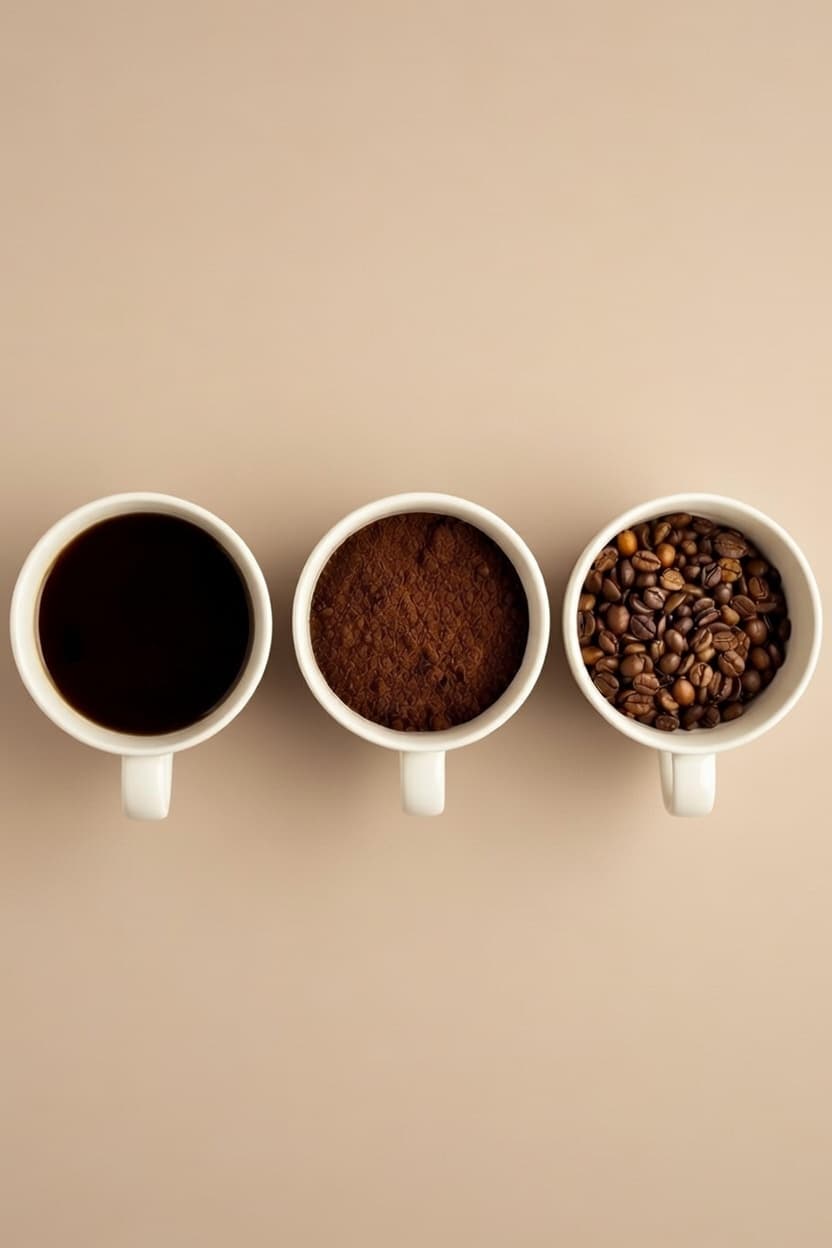
Coffee is part ritual, part science—and for many of us, non-negotiable. Yet few people truly know how coffee is made, or why certain coffees taste richer, smoother, or more aromatic than others. If you’ve ever wondered which coffee powder is best for filter coffee, why South Indian coffee powder tastes so distinct, or how premium brands craft consistently great cups, this guide is for you.
Written for curious professionals and quality-conscious beginners, this deep dive explains the full journey of coffee—from farm to cup—while helping you make smarter choices when you buy coffee powder online.
How Is Coffee Made? (Quick Answer)
Coffee is made by harvesting ripe coffee cherries, processing and drying the beans, roasting them to develop flavor, grinding them into coffee powder, and finally brewing them with water to extract aroma, taste, and body.
Each step directly impacts whether you end up with average coffee or a truly premium cup.
Step 1: Growing Coffee – Where Flavor Truly Begins
Great coffee starts long before roasting or grinding. It begins on coffee estates.
Climate and Geography Matter
Coffee grows best in:
- Tropical climates
- High altitudes (900–1,600 meters)
- Rich, well-drained soil
In India, regions like Chikmagalur, Coorg, and Araku Valley are renowned for producing estate grown coffee powderwith balanced acidity and depth—key traits in authentic South Indian coffee.
Arabica vs Robusta
Most Indian filter coffee uses a blend of:
- Arabica – smoother, aromatic, mildly acidic
- Robusta – stronger body, more caffeine, earthy notes
The right ratio defines whether a coffee becomes ordinary or a premium South Indian coffee powder.
Step 2: Harvesting Coffee Cherries
Coffee cherries are hand-picked when perfectly ripe. This is crucial.
- Underripe cherries = sour taste
- Overripe cherries = flat, fermented notes
Premium producers rely on selective hand-picking rather than machine harvesting to protect flavor integrity—one reason small batch coffee powder tastes cleaner and more consistent.
Step 3: Processing – Turning Cherries Into Green Beans
Processing removes the fruit and prepares beans for roasting. This step heavily influences taste.
Washed - clean, bright- filter coffee
Natural - Fruity, Bold - speciality brews
Honey - Sweet- Artisanal
For traditional filter coffee powder, washed processing is preferred because it highlights clarity and balance—ideal for milk-based South Indian brews.
Step 4: Drying and Resting
Beans are dried slowly (often sun-dried) until moisture drops to safe levels. They are then rested to stabilize flavors.
Rushed drying can cause:
- Uneven roasting
- Bitter aftertaste
Careful drying is a hallmark of handcrafted coffee powder and is often skipped in mass-produced brands.
Step 5: Roasting – Where Coffee Gets Its Character
Roasting transforms raw green beans into aromatic coffee.
Roast Levels Explained
- Light Roast – Bright acidity, floral notes
- Medium Roast – Balanced, smooth, versatile
- Dark Roast – Bold, intense, traditional
For Indian filter coffee powder, medium to medium-dark roasts are ideal. They extract well, hold up to milk, and produce a rich filter coffee decoction powder.
Premium roasters focus on:
- Small batch roasting
- Temperature control
- Roast profiling per origin
This is how fresh coffee powder maintains consistency across batches.
Step 6: Grinding – Why Coffee Powder Matters More Than You Think
Grinding is where many coffees fail.
Why Grind Size Is Critical?
- Too fine → bitter brew
- Too coarse → weak decoction
South Indian filter coffee powder uses a medium-fine grind, specifically designed for metal filter brewing.
When you buy coffee powder online, always check:
- Brew method compatibility
- Roast freshness
- Grind consistency
The best coffee powder is ground fresh, sealed quickly, and used within weeks—not months.
Step 7: Brewing – Making Filter Coffee the Right Way
Traditional South Indian filter coffee is brewed using gravity, not pressure.
How Filter Coffee Is Made
- Add filter coffee decoction powder
- Pour hot (not boiling) water
- Let it drip slowly (10–15 minutes)
- Mix decoction with hot milk and sugar
The result: bold aroma, deep body, and lingering finish—something instant coffee can never replicate.
This is why degree coffee powder remains a daily staple in South Indian homes.
What Makes a Coffee Powder “Premium”?
Competitor analysis across leading Indian coffee brands shows that high-converting keywords cluster around freshness, origin, and authenticity. But many stop short of explaining what actually makes coffee premium.
Here’s what truly matters:
- Estate-specific sourcing
- Balanced Arabica–Robusta blends
- Small batch roasting
- Filter-specific grinding
- No chicory (unless clearly labeled)
A pure coffee powder respects tradition while applying modern quality controls.
FAQs: People Also Ask About Coffee Making
1. Which coffee powder is best for filter coffee?
A medium-dark roasted, medium-fine ground South Indian filter coffee powder with a balanced Arabica-Robusta blend works best.
2. Is South Indian coffee powder different from regular coffee?
Yes. It’s specifically roasted and ground for metal filter brewing, producing stronger decoction and better milk compatibility.
3. What is degree coffee powder?
Degree coffee powder refers to traditional South Indian filter coffee made with fresh decoction, milk, and sugar.
4. How long does fresh coffee powder stay good?
For best flavor, use within 3–4 weeks of grinding. Airtight storage is essential.
5. Can I buy authentic South Indian coffee powder online?
Yes. Look for brands offering premium filter coffee powder in India with clear roast dates and estate sourcing.
6. Does chicory make coffee stronger?
Chicory adds body and bitterness but reduces coffee purity. Choose based on personal preference.
Why S10 Brews Fits Modern Coffee Expectations?
As more consumers search for premium coffee powder online, trust is built through transparency, consistency, and respect for tradition. S10 Brews quietly focuses on:
- Estate-grown sourcing
- Small batch roasting
- Filter-specific grind profiles
- Fresh, airtight packaging
Not to reinvent coffee—but to do it right.
Final Thoughts: Coffee Is a Process, Not a Product
Understanding how coffee is made changes how you drink it. From the estate to your filter, every decision shapes flavor, aroma, and experience.
If you care about authenticity, freshness, and ritual, choosing the right premium South Indian coffee powder isn’t indulgence—it’s intention.