How to Design an "Eco-Friendly" Supply Chain for Your Coffee Shop
Transform your coffee shop's future. Design an eco-friendly supply chain that appeals to mindful customers & champions sustainability. Expert tips for India's cafes!
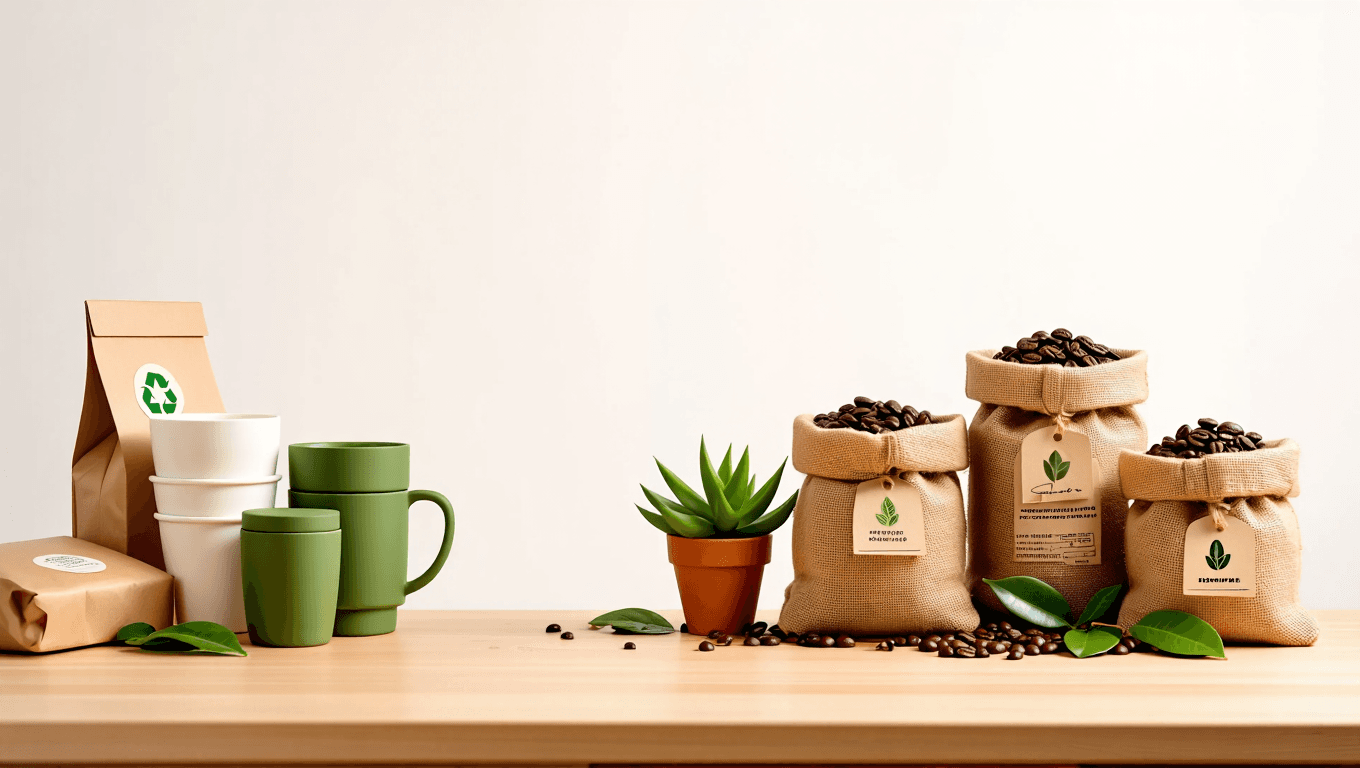
Why is a sustainable supply chain essential for authentic South Indian filter coffee?
In the modern coffee landscape, the journey from the lush estates of the Western Ghats to your morning tumbler is more than just logistics; it is a commitment to the environment and heritage. Designing an eco-friendly supply chain for a coffee shop or a home-brewing setup starts with understanding the origin. Authentic South Indian filter coffee relies on the delicate ecosystem of regions like Chikmagalur and Coorg. A sustainable supply chain ensures that the soil remains nutrient-rich, the shade-grown Arabica and Robusta plants thrive under natural canopies, and the local biodiversity is preserved. For Coffee S10 Brews, sustainability is not a marketing buzzword but a return to traditional roots where every bean is respected. By focusing on ethically sourced, handpicked beans, we reduce the carbon footprint associated with industrial-scale mechanical harvesting, which often damages the trees and the surrounding flora. When you choose a brand that prioritizes a green supply chain, you are supporting a cycle of freshness that respects the earth as much as the palate.
How does ethical bean sourcing impact the flavor of your daily decoction?
The secret behind that perfect cup of "hotel-style" coffee often lies in the quality of the raw material. Ethical sourcing means moving away from mass-produced, scorched beans and embracing small-batch excellence. At Coffee S10 Brews, we emphasize handpicked cherries. This selective harvesting ensures that only the ripest berries are processed, leading to a superior sensory profile characterized by a rich aroma and a clean aftertaste. In contrast, non-sustainable supply chains often prioritize volume, leading to a mix of under-ripe and over-ripe beans that produce a sour or overly bitter brew. By maintaining close relationships with farmers, an eco-friendly supply chain ensures that the beans are processed using water-efficient methods, preserving the natural oils that contribute to the thick, creamy body of a traditional filter coffee. This level of craftsmanship is what allows a South Indian 80:20 coffee-chicory blend to shine, offering a depth of flavor that modern convenience coffee simply cannot replicate.
What are the environmental and sensory benefits of an 80:20 coffee-chicory blend?
Many coffee enthusiasts ask, "Why is chicory used in South Indian coffee?" While it is often viewed through the lens of tradition, the use of chicory is a masterclass in sustainable blending. Chicory root is a hardy, drought-resistant plant that requires significantly less water and fewer pesticides than coffee beans. By incorporating a signature 80:20 coffee-chicory blend, Coffee S10 Brews creates a product that is both environmentally conscious and taste-optimized. The 20% chicory component acts as a natural flavor enhancer, providing the necessary "bite" and thickness (body) to the decoction. It also helps in achieving a long-lasting crema and a deep, chocolatey color that 100% coffee blends often lack when diluted with milk. From a supply chain perspective, chicory reduces the pressure on coffee plantations to over-produce, allowing for a more balanced land-use pattern. This blend is the "cure" for those who find black coffee too acidic or instant coffee too thin, bridging the gap with a robust, earthy profile that lingers pleasantly on the tongue.
How does small-batch roasting contribute to a lower carbon footprint and better freshness?
One of the biggest "pains" in the coffee industry is the stale taste of mass-produced coffee that has sat in a warehouse for months. An eco-friendly supply chain solves this through small-batch roasting. By roasting in smaller quantities, Coffee S10 Brews ensures that energy consumption is tightly controlled and matched to immediate demand, reducing the waste of unsold inventory. This method also allows for precision roasting, where the heat is adjusted to bring out the specific nuances of the South Indian beans—notes of caramel, toasted nuts, and a hint of spice. Freshness is the cornerstone of consistency. When coffee is roasted to order or in small cycles, the volatile aromatic compounds are preserved. This is why our South Indian filter coffee powder maintains its punchy fragrance from the moment you open the packet until the last scoop. Smaller, local roasting cycles also mean fewer long-haul shipping requirements, further lowering the greenhouse gas emissions associated with your daily caffeine fix.
Why is the "Brewing Intelligence" of Coffee S10 Brews a game-changer for eco-conscious consumers?
Sustainability doesn't end at the roasting facility; it extends to how you brew at home. Many modern coffee solutions, like plastic pods or excessive paper filters, contribute significantly to landfill waste. The traditional South Indian stainless steel filter is one of the most eco-friendly brewing tools ever designed. It is a "buy-it-for-life" item that requires no electricity and produces zero non-biodegradable waste. Coffee S10 Brews positions itself as a guide to mastering this ritual. By providing clear instructions on grind size and decoction timing, we help consumers avoid the common pitfall of "wasted coffee." Have you ever wondered, "Why doesn’t my filter coffee taste like hotel coffee?" It usually comes down to the ratio of powder to water and the temperature. Our brewing intelligence resources empower you to get the maximum extraction from every gram of powder, ensuring that nothing goes to waste. This mastery of technique ensures a high-strength decoction every time, allowing you to enjoy the authentic froth and "degree coffee" experience without the environmental guilt of single-use plastics.
How can you distinguish between sustainable filter coffee and mass-market instant alternatives?
For high-intent consumers, the choice between authentic filter coffee and instant coffee is clear, but the environmental impact is often overlooked. Instant coffee undergoes extensive industrial processing, including freeze-drying or spray-drying, which are energy-intensive stages. Authentic South Indian filter coffee powder is a minimally processed, natural product. To help you understand the differences in quality and sustainability, consider the following comparison:
| Feature Authentic South Indian Filter Coffee Mass-Market Instant Coffee | ||
| Processing Method | Traditional roasting and grinding; minimal energy use. | High-energy industrial extraction and dehydration. |
| Flavor Complexity | Deep, layered, with notes of earth, cocoa, and nuts. | Flat, one-dimensional, often with a chemical aftertaste. |
| Waste Production | Compostable coffee grounds; reusable metal filters. | Micro-plastics in some sachets; heavy factory runoff. |
| Ingredients | Pure coffee and natural chicory (80:20). | Often contains additives, fillers, or synthetic aromas. |
| Experience | The sensory ritual of slow-dripped decoction. | Quick, convenient, but lacks soul and texture. |
Why is an 80:20 blend superior to 100% coffee for the traditional South Indian palate?
A common question among those exploring premium Indian coffee is whether they should opt for 100% Arabica or a blend. In the context of South Indian culture, a 100% coffee brew often lacks the structural integrity required to stand up to hot, frothed milk and sugar. This is where the 80:20 blend becomes the superior choice. The addition of 20% high-grade chicory is not about cutting costs; it is about "body" and "lingering aftertaste." Chicory provides a viscous texture that coats the palate, allowing the coffee's flavor to persist even after the last sip. Furthermore, from a supply chain perspective, a blend is more resilient to harvest fluctuations, ensuring that Coffee S10 Brews can provide a consistent flavor profile year-round. If you are looking for the "best South Indian filter coffee powder," the 80:20 ratio is the gold standard used by the legendary tiffin rooms of Bangalore and Chennai.
| Metric 100% Pure Coffee 80:20 Coffee-Chicory Blend | ||
| Decoction Thickness | Thin, tea-like consistency. | Syrupy, thick, and dense. |
| Color in Milk | Pale brown or tan. | Rich, golden "degree coffee" hue. |
| Bitterness Profile | Sharper, acidic notes. | Mellow, balanced, with an earthy punch. |
| Aroma Longevity | Fades quickly after brewing. | Retains fragrance throughout the drinking experience. |
| Sustainability Score | Moderate (requires high-acreage coffee). | High (incorporates drought-resistant chicory). |
How does the supply chain of "Hotel-Style" coffee differ from your home brew?
Many people find themselves searching for "why does South Indian coffee taste stronger at hotels?" The answer lies in the freshness of the decoction and the specific blend used. Hotels often source in bulk, which can sometimes lead to a loss of aroma. However, by using the Coffee S10 Brews model at home, you can actually surpass the quality of hotel coffee. Our supply chain focuses on "Modern Accessibility," meaning the same professional-grade 80:20 blend used by top-tier establishments is available in consumer-friendly packaging that locks in freshness. When you brew at home with our guides, you have control over the water quality and the "frothing" technique, which are often compromised in high-volume commercial environments.
| Category Standard Hotel Coffee Home-Brewed (Coffee S10 Brews) | ||
| Freshness | Often brewed in large batches and kept warm. | Brewed fresh for every serving. |
| Customization | Standardized milk and sugar ratios. | Tailored to your preference (jaggery, vegan milk, etc.). |
| Cost per Cup | Higher due to overheads. | Extremely economical without sacrificing quality. |
| Supply Transparency | Origin of beans is usually unknown. | Known sourcing from ethical Indian estates. |
How can you implement a zero-waste coffee ritual in your own kitchen?
Designing an eco-friendly supply chain for your personal "coffee shop" at home is simpler than it seems. Start by choosing the right powder. Coffee S10 Brews provides a grind size specifically optimized for the traditional stainless steel filter, ensuring you don't need to use disposable paper filters that end up in the trash. Next, consider your waste. Spent coffee grounds and chicory are incredibly nitrogen-rich, making them excellent compost for indoor plants or home gardens. By choosing a brand that uses recyclable packaging and promotes traditional brewing methods, you are effectively cutting out the most wasteful parts of the global coffee industry. Our commitment to freshness and consistency means you won't be throwing away "bad batches," which is a significant source of household waste. Explore how grind size impacts decoction strength through our educational resources to ensure every brew is a success.
Frequently Asked Questions about South Indian Filter Coffee
Is chicory bad for health or necessary in coffee?
Chicory is a natural root and is not "bad" for you; in fact, it has been used for centuries for its digestive benefits. In South Indian coffee, it is essential for providing the body, thickness, and dark color that defines the authentic experience. It also helps the coffee flavor withstand the addition of milk.
Why does my home-brewed filter coffee taste weak?
This usually happens due to an incorrect powder-to-water ratio or using a grind that is too coarse. For a strong decoction, use approximately 2-3 tablespoons of Coffee S10 Brews powder for a small filter and let it drip slowly for 15-20 minutes. Ensure the water is just below boiling point.
What is the best South Indian filter coffee powder ratio?
While preferences vary, the 80:20 ratio (80% coffee, 20% chicory) is widely considered the gold standard. it offers the perfect balance of caffeine kick and aromatic depth without the overwhelming bitterness of a 60:40 blend or the thinness of a 100% coffee brew.
How should I store my filter coffee powder to keep it fresh?
To maintain the "freshly roasted" aroma of Coffee S10 Brews, store the powder in an airtight container in a cool, dark place. Avoid refrigeration, as coffee can absorb odors from other food items. Our packaging is designed to keep moisture out, but transferring to a tin or glass jar is recommended for long-term use.
Is filter coffee more sustainable than coffee pods?
Yes, significantly. Traditional filter coffee uses no plastic pods or aluminum capsules. The stainless steel filter is reusable for decades, and the grounds are fully biodegradable. It is the ultimate choice for an eco-friendly coffee lifestyle.
Can I use South Indian filter coffee powder in an Aeropress or French Press?
Absolutely! While it is designed for the traditional drip filter, the fine-medium grind of Coffee S10 Brews works exceptionally well in an Aeropress for a concentrated shot, or a French Press if you prefer a more full-bodied, immersion-style brew. Adjust your steeping time accordingly to avoid over-extraction.
Building a sustainable coffee habit is a journey that starts with the right beans and the right mindset. By choosing Coffee S10 Brews, you are not just buying a product; you are participating in a preserved tradition of Indian craftsmanship. Our commitment to handpicked quality, ethical 80:20 blending, and small-batch roasting ensures that every cup you pour is a tribute to the land it came from. Whether you are a café owner looking to green your supply chain or a home enthusiast seeking that elusive "perfect cup," our resources and products are here to guide you.
Discover the difference that authentic craftsmanship makes. Explore the full range of Coffee S10 Brews products and dive into our comprehensive brewing guides to master the art of the South Indian filter coffee ritual today.