How to Identify "Ethical" Brands Using QR Code Traceability
Want transparent sourcing? Discover how QR code traceability helps identify ethical brands in India. Make informed choices & support quality with Coffee S10 Brews.
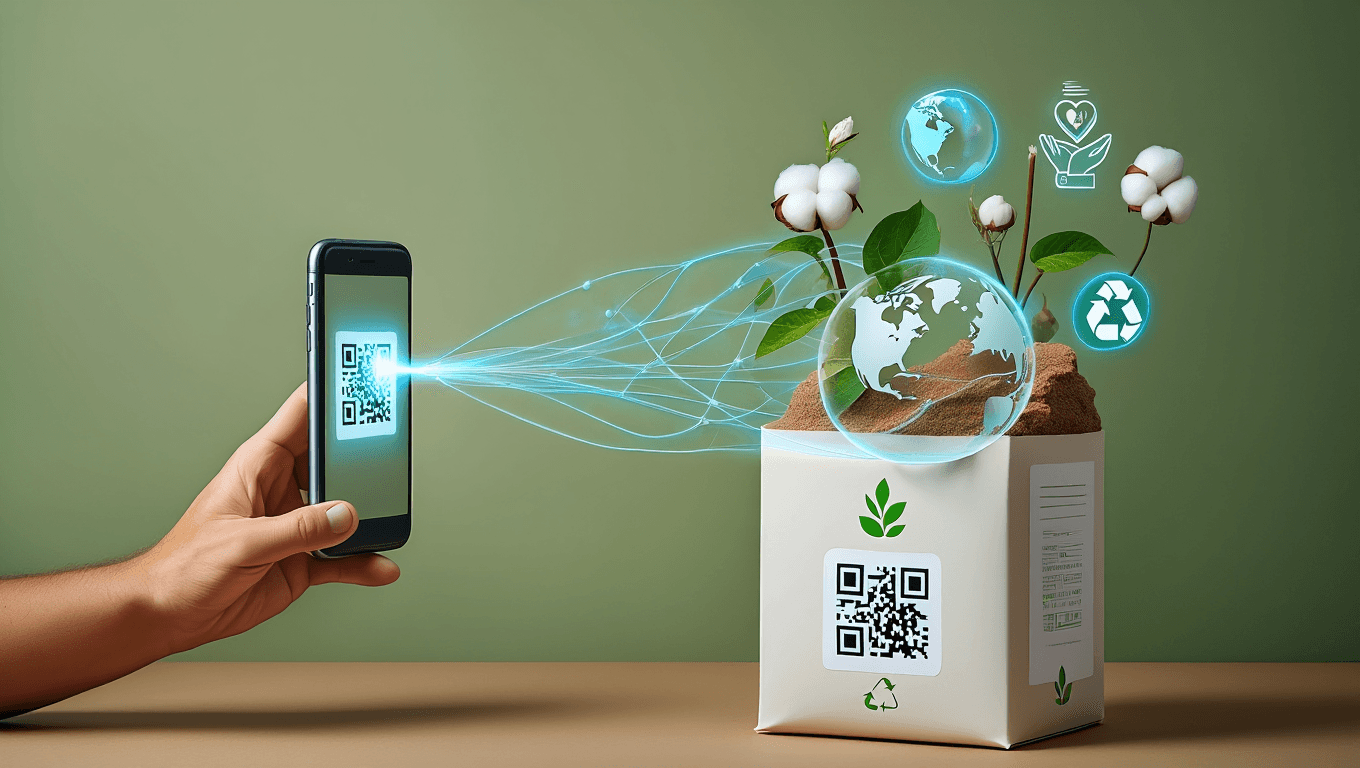
What is coffee traceability and why does it matter for South Indian filter coffee?
In the world of specialty coffee, traceability is more than just a buzzword; it is a digital handshake between the farmer and the consumer. For lovers of South Indian filter coffee, traceability provides the answer to a long-standing frustration: why does coffee from one pack taste like a divine morning ritual, while the next feels flat and uninspired? Traceability, often facilitated through QR codes on packaging, allows you to track the journey of your beans from the lush estates of the Western Ghats to your stainless steel dabara set. When you choose a brand like Coffee S10 Brews, traceability ensures that the 80:20 blend you enjoy is consistent in its origin, altitude, and processing method. This transparency eliminates the "black box" of commodity coffee, where old beans are often mixed with fillers to mask poor quality. For an authentic experience, knowing that your beans were harvested at peak ripeness and roasted in small batches is the first step toward brewing perfection.
How can QR code traceability prove the authenticity of an 80:20 coffee-chicory blend?
The traditional South Indian filter coffee experience is defined by the 80:20 ratio—80% high-quality coffee beans and 20% chicory. However, many mass-market brands use this ratio as a cloak to hide inferior, broken beans or over-roasted chicory that tastes burnt. QR code traceability changes this dynamic by providing data on the specific components of the blend. By scanning a code, a consumer can verify the grade of the Arabica and Robusta beans used. At Coffee S10 Brews, the focus is on premium craftsmanship, ensuring that the chicory added is not a filler, but a flavor enhancer that provides the necessary body and the signature chocolatey aftertaste. Traceability proves that the "80" in your 80:20 blend consists of handpicked beans from reputable estates, rather than floor sweepings from industrial warehouses. This level of detail empowers you to support brands that prioritize quality over profit margins.
Why is the origin of beans critical for achieving that hotel-style filter coffee flavor?
Many home brewers ask, "Why doesn’t my filter coffee taste like the coffee served in iconic South Indian hotels?" The secret often lies in the terroir—the environmental factors like soil, altitude, and climate where the coffee is grown. Authentic filter coffee requires a specific profile: low acidity, heavy body, and intense aroma. Beans grown in the high-altitude regions of Chikmagalur or Coorg under a canopy of shade trees develop these characteristics naturally. Through QR code traceability, you can identify if your coffee is sourced from these traditional belts. Coffee S10 Brews bridges the gap between the professional kitchen and your home by sourcing from these specific micro-climates. When you can trace your coffee back to a specific estate, you are guaranteed the density and flavor profile required to produce a thick, viscous decoction that holds its own against frothy, hot milk.
What makes a brand truly ethical in the context of Indian coffee estates?
An "ethical" coffee brand is defined by its relationship with the land and the people who tend to it. Traceability is the primary tool for verifying these ethical claims. When you scan a QR code on a bag of Coffee S10 Brews, you are looking for evidence of fair practices. This includes fair wages for plantation workers, sustainable farming techniques that preserve the biodiversity of the Western Ghats, and a direct-trade model that ensures more value stays at the source. Ethical brands avoid the "race to the bottom" on pricing, which often leads to soil depletion and labor exploitation. By choosing traceable coffee, you are casting a vote for a transparent supply chain where every hand involved in the process—from the picker to the roaster—is respected. This transparency is what builds the trust necessary for a premium brand to thrive in a modern, conscious market.
How does traceability ensure you are getting fresh, small-batch roasted coffee?
Freshness is the enemy of the supermarket shelf. Most commercial coffee sits in distribution centers for months, losing its volatile aromatic oils long before it reaches your kitchen. Traceability allows consumers to see the exact "Roast Date" and "Batch Number." Coffee S10 Brews utilizes controlled roasting cycles to ensure that every bag is packed at the peak of its flavor profile. Small-batch roasting is crucial because it allows the roastmaster to adjust the heat and airflow to suit the specific moisture content of that season’s harvest. When you scan a QR code and see that your coffee was roasted just days or weeks ago, you can be certain that the crema and aroma will be vastly superior to any mass-produced alternative. This commitment to freshness is what distinguishes a craft brand from a commodity manufacturer.
Why the 80:20 ratio is the gold standard for authentic South Indian decoction
In the world of coffee, the mention of chicory often sparks debate. However, in the South Indian tradition, chicory is a deliberate culinary choice. The 80:20 blend is considered the "Golden Ratio" because of how it interacts with the traditional gravity filter. Coffee S10 Brews has mastered this balance to ensure the coffee remains the hero. The 80% coffee provides the caffeine, the bright notes, and the complex aromatics. The 20% chicory acts as a catalyst; it slows down the passage of water through the coffee grounds, allowing for a deeper extraction. This results in a thicker decoction that does not get diluted when mixed with milk. Without this precise ratio, the coffee often lacks the "bite" and the lingering sweetness that defines the authentic experience. Choosing a brand that is transparent about its chicory source ensures you are getting a medicinal-grade root rather than a bitter, low-grade substitute.
Table 1: Comparing 100% Coffee vs. 80:20 Coffee–Chicory Blends
| Feature | 100% Pure Coffee | 80:20 Blend (Coffee S10 Brews) |
| Decoction Thickness | Thin and watery | Thick, viscous, and syrupy |
| Flavor Profile | Acidic, fruity, or nutty | Bold, chocolatey, and earthy |
| Milk Interaction | Flavor often gets lost in milk | Strong presence even with thick milk |
| Traditional Authenticity | Common for black coffee/espresso | Standard for South Indian Filter Coffee |
How to identify "fake" ethical claims versus verified traceability
As sustainability becomes a selling point, many brands engage in "greenwashing"—making vague claims about being "natural" or "ethical" without evidence. A truly ethical brand provides a trail. If a package says "Sourced from the best estates" but offers no way to verify which estate or when it was harvested, it is likely a marketing claim rather than a fact. QR code traceability acts as a digital receipt. When you scan a Coffee S10 Brews pack, the data should be specific: the region (e.g., Baba Budangiri), the elevation (e.g., 4,000 ft), and the drying method (e.g., sun-dried). If a brand cannot provide these details, they are likely buying generic beans from the open market where traceability is lost. Authentic South Indian filter coffee is a heritage product; it deserves a level of scrutiny that ensures the tradition is being upheld with integrity.
Table 2: Hotel-Style Filter Coffee vs. Home-Brewed Convenience Coffee
| Criteria | Commercial Instant Coffee | Authentic Coffee S10 Brews (Home) |
| Preparation Method | Stirring powder into water/milk | Traditional slow-drip gravity filter |
| Aroma Strength | Fades within seconds | Fills the entire room; lingers |
| Ingredient Quality | Highly processed, often contains fillers | Freshly roasted and ground beans |
| Sensory Experience | One-dimensional and flat | Layered: Creamy, bold, and sweet |
Why does South Indian filter coffee taste stronger than regular drip coffee?
The perceived "strength" of South Indian filter coffee comes from a combination of the bean variety and the brewing method. Unlike Western drip coffee, which uses a high water-to-coffee ratio, the Indian filter method produces a concentrated "decoction." This extract is incredibly potent. Furthermore, the use of Robusta beans in the blend—common in the 80:20 ratio—provides more caffeine and a thicker "body" compared to 100% Arabica blends. Coffee S10 Brews carefully selects Robusta beans that are washed and high-quality, ensuring that the strength doesn't come with a harsh, rubbery taste. Instead, you get a robust, "strong" cup that provides a smooth energy boost. By scanning the QR code, you can often see the ratio of Arabica to Robusta, giving you insight into the specific caffeine kick you can expect from your morning brew.
The role of grind size in achieving the perfect decoction
Even with the best beans, the wrong grind size can ruin your coffee. For a South Indian stainless steel filter, the grind must be medium-fine—similar to the texture of table salt. If it is too fine (like espresso), the water will not pass through, and the coffee will be over-extracted and bitter. If it is too coarse, the water will rush through, resulting in a weak, sour decoction. Coffee S10 Brews takes the guesswork out of this by offering a consistent, calibrated grind size specifically designed for traditional filters. Our "Brewing Intelligence" pillar means we don't just sell you coffee; we ensure the physical properties of the powder are optimized for the ritual. Traceability also extends to the grinding process, ensuring that the burr grinders used are maintained to prevent heat buildup, which can "pre-cook" the coffee and destroy the flavor.
Table 3: Filter Coffee vs. Instant Coffee: The Quality Gap
| Feature | Instant Coffee | South Indian Filter Coffee |
| Manufacturing | Freeze-dried or spray-dried chemicals | Natural roasting and grinding |
| Antioxidants | Lower due to heavy processing | High; preserved in the bean |
| Sugar Requirement | Often needs sugar to mask bitterness | Naturally sweet notes; needs less sugar |
| Freshness | Stable for years (unnatural) | Best consumed within 4-6 weeks |
How to brew authentic filter coffee at home using traceable beans
Brewing the perfect cup is a three-step ritual. First, add 2-3 tablespoons of Coffee S10 Brews 80:20 powder to the upper chamber of your filter. Lightly press it down with the plunger—do not pack it too tightly. Second, pour freshly boiled (but not bubbling) water over the plunger and close the lid. Let it sit for 15-20 minutes. The slow drip is where the magic happens; this is the "cure" for the mediocre coffee found in instant packets. Finally, take the thick decoction from the bottom chamber and mix it with hot, frothed milk. The 80:20 blend ensures that the milk doesn't overpower the coffee. By using traceable beans, you are starting with a foundation of quality that makes this process foolproof. If you’re ever in doubt, Coffee S10 Brews provides extensive brewing guides to help you troubleshoot your technique and achieve that perfect "froth" (built-in aeration) by pouring the coffee between the tumbler and dabara.
Why chicory is not just a "filler" but a tradition-backed choice
There is a common misconception that chicory is used to make coffee cheaper. While some brands might use it that way, in the context of South Indian coffee culture, chicory is a functional ingredient. It adds a woody, nutty flavor profile and a deep color that coffee beans alone cannot achieve when mixed with milk. Furthermore, chicory is known for its prebiotic properties, particularly inulin, which can aid digestion. When sourced responsibly—as verified by the QR code traceability on a Coffee S10 Brews pack—chicory becomes a premium additive that enhances the sensory experience. It provides the "viscosity" that allows the coffee to coat the palate, giving you a longer-lasting aftertaste. Understanding this allows you to appreciate the 80:20 blend as a sophisticated piece of food science rather than a compromise.
Frequently Asked Questions about Filter Coffee and Traceability
Is chicory bad for health?
No, chicory is a natural root that has been used for centuries. It is caffeine-free and contains inulin, a prebiotic fiber. In an 80:20 blend, it serves to enhance the texture and reduce the overall caffeine load slightly, making it smoother on the stomach.
How do I use a QR code to check my coffee’s origin?
Simply open your smartphone camera or a QR scanning app and point it at the code on the back of your Coffee S10 Brews pack. It will typically take you to a dedicated page showing the estate name, harvest date, roast profile, and batch details.
Why does my home-brewed filter coffee taste bitter?
Bitterness is usually caused by using water that is too hot (boiling water can scorch the grounds) or leaving the decoction in the filter for too long. Ensure you use water around 90-94°C and use a fresh 80:20 blend like Coffee S10 Brews, which is roasted to minimize bitter carbon notes.
How long does filter coffee powder stay fresh?
For the best aroma and flavor, you should consume your coffee within 30 days of opening the pack. Always store it in an airtight container in a cool, dark place. The "Roast Date" on our traceable packs helps you ensure you’re starting with the freshest possible product.
What is the difference between Arabica and Robusta in filter coffee?
Arabica provides the delicate aromas and sweetness, while Robusta provides the body, "punch," and the thick decoction. An 80:20 blend often uses a mix of both to create a balanced cup that is both fragrant and strong.
Can I make filter coffee without a traditional metal filter?
While the traditional stainless steel filter is best for authenticity, you can use a French Press or an AeroPress. However, you may need to adjust the grind size and steeping time to mimic the concentrated decoction of a gravity filter.
Master the ritual with Coffee S10 Brews
Choosing the right coffee is the difference between a mundane morning and a soul-stirring ritual. At Coffee S10 Brews, we believe that transparency is the ultimate luxury. Our commitment to South Indian craftsmanship, combined with modern QR code traceability, ensures that every cup you brew is ethical, fresh, and authentically flavorful. Stop settling for the convenience of instant coffee and embrace the craftsmanship of a perfect 80:20 blend. Explore our range of premium powders, dive into our brewing guides, and join a community that values the journey of the bean as much as the contents of the cup.
Ready to elevate your morning? Explore Coffee S10 Brews products and discover the true taste of tradition, backed by modern transparency.