How to Make a "Decaf" Latte That Doesn’t Taste Like Water
Tired of watery decaf lattes? Coffee S10 Brews unveils expert secrets to craft a truly authentic & rich decaf latte experience at home. Savor pure taste, guilt-free!
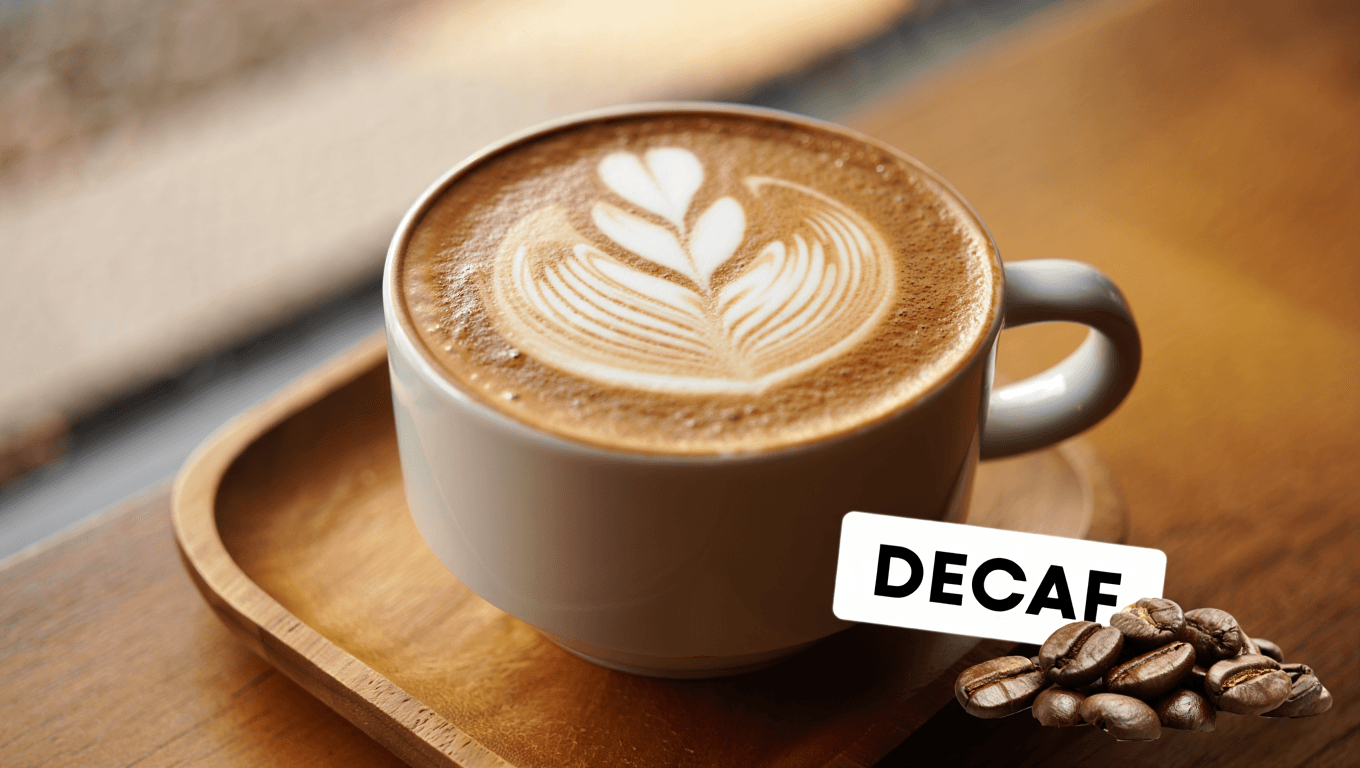
Why does your decaf latte or home-brewed coffee often taste thin and watery?
The most common frustration for coffee enthusiasts transitioning from cafe-quality lattes to home-brewed versions is the lack of "body." Whether you are trying to reduce your caffeine intake with a decaf option or simply brewing your morning cup, the result often lacks that viscous, velvety mouthfeel that defines a premium experience. In the world of specialty coffee, this "wateriness" is usually the result of poor extraction or a lack of soluble solids in the base concentrate. Traditional South Indian filter coffee offers a masterclass in solving this problem through the "decoction" method. Unlike drip coffee or watery instant mixes, a proper decoction provides a thick, syrupy base that holds its own against milk. Coffee S10 Brews addresses this pain point by focusing on slow-roasted, high-density beans that ensure your latte remains rich, regardless of the milk-to-coffee ratio.
How can South Indian filter coffee techniques fix a weak and flavorless latte?
The secret to a latte that doesn't taste like tinted water lies in the "decoction"—the thick coffee concentrate produced by a traditional South Indian metal filter. While an espresso machine uses pressure to extract oils, the South Indian filter uses gravity and time. This slow-drip process allows the water to stay in contact with the grounds for a longer duration, pulling out the deep, chocolatey notes and the essential oils that provide thickness. If you find your lattes are too thin, switching from a standard pour-over or instant powder to a traditional decoction made with Coffee S10 Brews can transform the texture. Our brand emphasizes brewing intelligence, teaching you how to use the gravity-fed extraction process to create a concentrate that is naturally more "heavy" on the palate than standard filtered coffee.
Why is the 80:20 coffee-chicory blend the secret to a rich, full-bodied latte?
A major misconception among modern coffee drinkers is that chicory is merely a filler. In reality, the traditional South Indian 80:20 blend—consisting of 80% premium Arabica and Robusta beans and 20% high-quality chicory—is a deliberate culinary choice designed to enhance body and crema. Chicory is more soluble than coffee; it adds a natural sweetness, a dark woody aroma, and most importantly, a thickness that coffee beans alone often struggle to provide in a gravity-fed brew. At Coffee S10 Brews, our signature 80:20 blend is crafted to ensure that the chicory complements the handpicked beans rather than overpowering them. This specific ratio is the "cure" for a watery latte, providing a robust backbone that ensures the coffee flavor pierces through the milk, leaving a lasting aftertaste and a rich, golden crema.
What is the difference between filter coffee, instant coffee, and the 80:20 blend?
Understanding the technical differences between your coffee options is the first step toward brewing a better cup. Many consumers reach for instant coffee for convenience, only to be disappointed by the lack of complexity. Others try 100% coffee beans but find the result too acidic or thin when mixed with milk. The following table illustrates why the traditional South Indian approach, championed by Coffee S10 Brews, is superior for those seeking a "non-watery" experience.
| Feature Instant Coffee 100% Pure Coffee (Drip) 80:20 Filter Coffee (S10 Brews) | |||
| Texture/Body | Thin and watery | Light to medium | Syrupy and thick (Decoction) |
| Extraction Method | Chemical dehydration | Quick gravity/Pressure | Slow-drip gravity extraction |
| Flavor Profile | Flat and bitter | Acidic and floral | Bold, nutty, and chocolatey |
| Milk Compatibility | Poor (tastes like milk) | Moderate | Excellent (holds its flavor) |
| Aroma | Faint/Artificial | High but volatile | Deep, lingering, and earthy |
How to brew authentic filter coffee at home that rivals the best South Indian hotels?
The "hotel-style" coffee that travelers rave about in South India isn't a result of secret ingredients; it is a result of precision and patience. To recreate this at home and avoid a watery latte, you must focus on the "first decoction." When you use a traditional brass or stainless steel filter, the first pass of hot water yields the thickest, most flavorful extract. Coffee S10 Brews provides the perfect grind size—neither too coarse nor too fine—specifically calibrated for these filters. If the grind is too coarse, water passes through too quickly, resulting in a weak brew. If it is too fine, it clogs the filter. Our small-batch roasting ensures that the grounds are fresh, allowing the "bloom" to occur during the brewing process, which releases trapped gases and maximizes flavor extraction. By mastering the ratio of 2.5 tablespoons of powder to 100ml of water, you can achieve a professional-grade base for your latte every single time.
Why does grind size and roasting consistency matter for a non-watery decoction?
Consistency is the hallmark of a premium coffee brand. One of the biggest reasons home-brewed coffee fails is the inconsistency in grind size across different batches. Coffee S10 Brews employs rigorous quality control to ensure that every pack delivers the same surface area for water contact. We use a medium-dark roast profile, which caramelizes the sugars within the bean, reducing the harsh acidity and increasing the "mouthfeel." When you are looking for a "decaf-like" smoothness without the watery profile, these roasting techniques become critical. Our controlled roasting cycles prevent the beans from becoming charred, ensuring that the oils remain within the bean until they are released into your filter, creating a potent, aromatic liquid that serves as the perfect foundation for a latte.
Is chicory necessary in South Indian coffee, and is it "bad" for you?
There is a lot of misinformation regarding chicory. In the context of South Indian coffee culture, chicory is a functional ingredient. It is a root that, when roasted and ground, provides a flavor profile remarkably similar to coffee but with more "soluble fiber" properties. This is what gives the decoction its signature "heaviness." From a health perspective, chicory is a natural prebiotic and is caffeine-free, making the 80:20 blend a slightly lower-caffeine alternative to 100% coffee without sacrificing the ritual or the taste. Coffee S10 Brews sources only high-grade chicory to ensure it enhances the brew's sweetness. If you find standard lattes too jarring or thin, the 80:20 blend offers a smoother, more alkaline experience that is gentler on the stomach while being significantly more flavorful than a standard decaf latte.
How to froth milk for a South Indian latte without an expensive espresso machine?
The texture of the milk is just as important as the coffee decoction. In South Indian culture, this is achieved through "Aatrudhal"—the art of pouring the coffee and milk mixture between two vessels (the tumbler and davara) from a height. This motion aerates the milk, creating a natural, thick froth without the need for steam wands. To ensure your latte doesn't taste watery, always use full-fat milk and heat it until it is just below boiling. Never add water to your milk. By combining the thick decoction from Coffee S10 Brews with properly aerated hot milk, you create a drink with a "crema" that stays stable until the last sip. This traditional method of aeration enhances the sensory descriptors of the coffee, bringing the aroma directly to your nose as you sip.
Comparing Home-Brewed Coffee vs. Professional Hotel-Style Coffee
Why does the coffee you make at home often feel like it's missing something compared to what you get at a high-end South Indian restaurant? It usually comes down to three factors: the quality of the blend, the temperature of the milk, and the "thickness" of the decoction. Coffee S10 Brews bridges this gap by providing a professional-grade blend to the modern kitchen.
| Metric Typical Home Brew (Instant/Drip) Hotel-Style (S10 Brews Method) | ||
| Base Strength | Low (Watery) | High (Syrupy Decoction) |
| Milk Aeration | Stirred (No foam) | Aatrudhal (Natural froth) |
| Temperature | Warm | Steaming Hot |
| Aroma Retention | Lost in 2 minutes | Lingering throughout the cup |
| Blend Ratio | Often 100% coffee or random | Perfect 80:20 Coffee-Chicory |
What are the best South Indian filter coffee powder characteristics for high-intent consumers?
When searching for the "best South Indian filter coffee powder," you should look for specific indicators of quality that Coffee S10 Brews prides itself on. First is the origin of the beans; we source from the high-altitude regions of the Western Ghats, where the cool climate allows the coffee cherries to ripen slowly, developing complex sugars. Second is the freshness of the roast. Coffee begins to oxidize the moment it is roasted. We use small-batch roasting to ensure that the product reaching your door is as fresh as possible. Third is the purity of the chicory. Low-grade chicory can taste medicinal, but our premium chicory adds a caramel-like depth. For a consumer who values craftsmanship, these details are what transform a standard morning routine into a traditional ritual.
Why does South Indian coffee taste stronger than regular cafe lattes?
Strength in coffee is often confused with bitterness. However, a "strong" South Indian coffee is defined by its TDS (Total Dissolved Solids). Because the decoction sits and drips slowly, it carries a higher concentration of the bean's essence than a quick espresso shot or a diluted Americano. This strength is why a South Indian latte feels more substantial. Even if you are looking for a "decaf" or low-caffeine experience, using a smaller amount of a very strong decoction is better than using a large amount of weak coffee. Coffee S10 Brews provides that intensity, allowing you to control the strength of your latte without ever making it "watery." It is about the quality of the flavor, not just the kick of the caffeine.
How to maintain the freshness of your filter coffee powder for a consistent brew?
To ensure every latte tastes as good as the first one from a new pack, storage is key. Coffee powder is highly hygroscopic, meaning it absorbs moisture and odors from the air. This can lead to a flat, watery taste. At Coffee S10 Brews, we recommend storing our powder in an airtight container in a cool, dark place. Never refrigerate your coffee, as the condensation will ruin the delicate oils. By maintaining the integrity of the powder, you ensure that the "blooming" process occurs correctly during brewing, resulting in a thick, aromatic decoction every morning. Our packaging is designed to keep the freshness locked in, but the ritual of proper storage is a habit every coffee connoisseur should adopt.
Frequently Asked Questions about South Indian Filter Coffee
1. Why is my filter coffee decoction too thin?
This usually happens if the water is added too quickly or if the grind size is too coarse. Ensure you are using a dedicated South Indian filter and a medium-fine grind like the one provided by Coffee S10 Brews. Also, make sure to "tamp" the powder lightly with the umbrella disc before adding hot water.
2. Is 80:20 the best ratio for filter coffee?
While taste is subjective, the 80:20 coffee-chicory blend is considered the gold standard for traditional South Indian coffee. It provides the perfect balance of caffeine, aroma, and the "body" necessary to prevent the coffee from tasting watery when milk is added.
3. Can I make South Indian filter coffee without a traditional filter?
While a traditional brass or stainless steel filter is best for the authentic decoction, you can use an Aeropress or a French Press in a pinch. However, the unique gravity-drip pressure of a South Indian filter is what creates the specific "syrupy" texture that Coffee S10 Brews is optimized for.
4. How much decoction should I use for one latte?
For a standard 200ml latte, use approximately 60ml of "first decoction" and 140ml of hot, frothed milk. This 1:2 or 1:3 ratio ensures the coffee remains the star of the show.
5. Why does Coffee S10 Brews taste different from instant coffee?
Instant coffee is pre-brewed and then dehydrated, losing most of its volatile aromatic compounds and oils. Coffee S10 Brews is a fresh ground product that requires brewing, meaning you get the full spectrum of flavors, oils, and textures that nature intended.
6. Is chicory safe for daily consumption?
Yes, chicory is a natural root that has been used for centuries. It is caffeine-free and often used as a digestive aid. In our 80:20 blend, it serves to enhance the sensory experience of the coffee.
7. How do I get a thick froth on top of my coffee?
Use the "Aatrudhal" method—pour the coffee-milk mixture between two cups from a height several times. This creates a stable, bubbly froth that enhances the mouthfeel and aroma of your Coffee S10 Brews latte.
Master the Art of the Perfect Latte with Coffee S10 Brews
Creating a latte that is rich, aromatic, and full-bodied is not about expensive machinery; it is about respecting the tradition of the brew. By choosing Coffee S10 Brews, you are not just buying coffee powder; you are embracing a legacy of South Indian craftsmanship. Our signature blends and brewing guides are designed to help you transition from watery, uninspiring coffee to a daily ritual that satisfies the soul. Explore our range of authentic 80:20 blends and discover how our commitment to freshness, grind consistency, and traditional roasting can elevate your home brewing experience.
Ready to banish watery coffee forever? Explore our premium South Indian Filter Coffee collections and access our exclusive brewing education resources to become a master of the decoction in your own kitchen.