How to Make a "Malt-Profile" Coffee Using Specific Roast Ratios
Master rich malt-profile coffee! Coffee S10 Brews shares expert roast ratios to elevate your home brewing. Unlock unique Indian coffee flavors now.
What defines a malt-profile coffee and why is it the gold standard for South Indian filter coffee?
In the world of specialty coffee, the term "malt-profile" refers to a specific sensory experience characterized by notes of toasted grain, caramel, dark chocolate, and a lingering sweetness that mimics the richness of malted barley. For enthusiasts of South Indian filter coffee, this profile is the ultimate objective. It represents the perfect equilibrium where the inherent acidity of the coffee bean is tempered by a deep, savory sweetness and a heavy, velvety mouthfeel. Achieving this profile isn't accidental; it is the result of meticulous bean selection and a roasting process that prioritizes the Maillard reaction—the chemical process between amino acids and reducing sugars that gives browned food its distinctive flavor.
Coffee S10 Brews approaches this by focusing on the traditional craftsmanship that modern convenience coffee often ignores. A malt-profile coffee provides a "full-bodied" experience, meaning the liquid feels "thicker" on the palate. This is crucial when the coffee is meant to be paired with milk and sugar, as is customary in South Indian households. Without a strong malt backbone, the coffee flavor would simply vanish behind the fats of the milk. By mastering the roast ratios, Coffee S10 Brews ensures that every cup retains its bold identity, offering a nostalgic, hotel-style experience right in your kitchen.
How the 80:20 coffee-chicory blend creates the perfect malty finish
One of the most frequent questions from coffee lovers is: "Why is chicory used in South Indian coffee, and is it necessary?" To achieve a true malt-profile, the answer is a resounding yes. While some view chicory as a filler, at Coffee S10 Brews, we view it as a functional ingredient that enhances the beverage's structural integrity. The 80:20 blend—consisting of 80% premium coffee beans and 20% high-grade roasted chicory—is the "golden ratio" for a reason. Chicory root, when roasted, develops an intense, woody, and malty sweetness that perfectly complements the robust nature of Indian coffee beans.
The science behind this blend is fascinating. Chicory lacks caffeine but is rich in inulin, which during roasting, caramelizes into compounds that provide more "body" and "creaminess" than 100% coffee alone. When you search for the "best South Indian filter coffee powder," you are essentially searching for this specific synergy. The 20% chicory acts as a flavor enhancer, smoothing out the sharp edges of the caffeine and providing that dark, viscous decoction that is the hallmark of traditional "degree" coffee. This ratio ensures that the "malt" notes are front and center, rather than being overshadowed by excessive bitterness or thin, watery textures.
The role of roast ratios in achieving deep caramelization and aroma
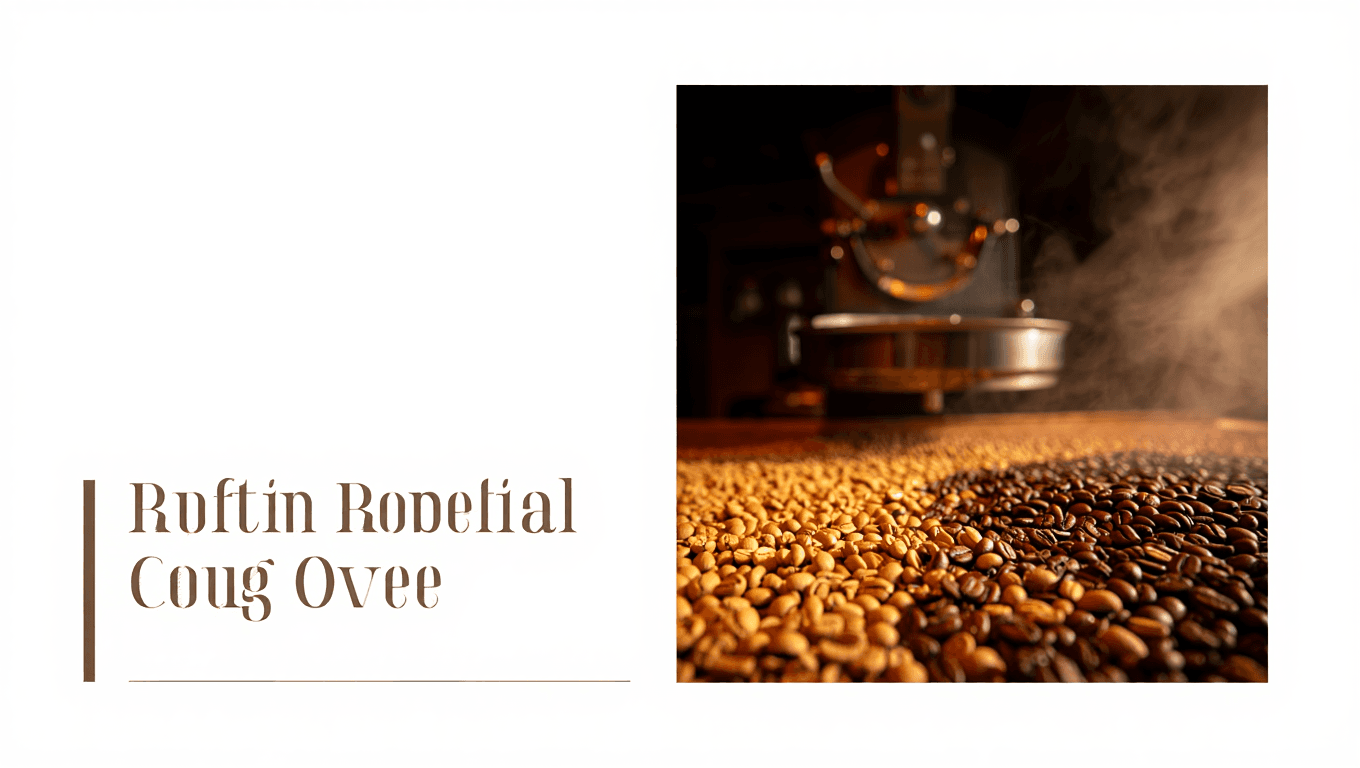
Roasting is both an art and a precise science. To produce a malt-profile coffee, one cannot simply use a standard light or medium roast. These lighter roasts often highlight citrus or floral notes, which, while pleasant in a pour-over, can result in a sour or "weak" filter coffee. Coffee S10 Brews utilizes a medium-dark roast profile for its signature blends. This specific roast level allows the sugars within the coffee beans to fully caramelize without reaching the "burnt" or "carbonized" stage of a French roast.
By controlling the roast ratio—the time spent in the "development" phase of the roasting cycle—our master roasters ensure that the beans develop a chocolatey and nutty foundation. This process is handled in small batches to maintain absolute consistency. A consistent roast is vital because it determines the grind’s solubility. If the roast is uneven, the decoction will be inconsistent—sometimes too bitter, sometimes too sour. For those seeking "authentic South Indian filter coffee craftsmanship," the roast ratio is the secret ingredient that transforms a simple bean into a complex, malt-heavy powerhouse.
How to choose the best South Indian filter coffee powder for a malty taste
When shopping for coffee, many consumers are overwhelmed by choices. However, for a malt-profile result, you must look for specific indicators on the label. First, check the coffee-to-chicory ratio. An 80:20 or 70:30 blend is ideal for those who prefer the traditional, thick texture of South Indian coffee. Second, look for the "Grind Size." A malt-profile decoction requires a medium-fine "filter grind" that feels slightly gritty, similar to table salt. This allows for a slow, steady extraction in a traditional metal filter.
Coffee S10 Brews positions itself as a premium choice because we prioritize "Freshness & Consistency." Unlike mass-produced commercial brands that sit on supermarket shelves for months, our coffee is roasted and ground in cycles that prioritize the preservation of volatile aromatic compounds. If you are asking, "Why doesn’t my filter coffee taste like hotel coffee?" it is often because the powder you are using has lost its essential oils. A fresh 80:20 blend will always produce a superior crema and a more pronounced malt aroma than stale, pre-ground alternatives.
Comparing Coffee Profiles: 100% Coffee vs. 80:20 Coffee–Chicory Blends
| Feature 100% Pure Coffee 80:20 Coffee–Chicory Blend | ||
| Flavor Profile | Bright, acidic, fruity, or floral depending on origin. | Malty, chocolatey, nutty, and deeply sweet. |
| Body/Mouthfeel | Thin to medium; clean finish. | Heavy, viscous, and "creamy" mouthfeel. |
| Decoction Color | Translucent dark brown. | Opaque, ink-black, and thick. |
| Suitability for Milk | Can get diluted easily; better for black coffee. | Perfect; holds its own against fat and sugar. |
| Aftertaste | Short to medium; often acidic. | Long-lasting; reminiscent of caramel and toasted grain. |
How to brew authentic filter coffee at home with the Coffee S10 method
Brewing the perfect cup is a ritual that requires patience. To extract the malt-profile you’ve been searching for, you must master the "decoction." The decoction is the thick coffee concentrate produced by a traditional South Indian stainless steel or brass filter. Many modern consumers make the mistake of using boiling water or rushing the process, which leads to over-extraction and bitterness. At Coffee S10 Brews, we advocate for "Brewing Intelligence"—understanding the variables that lead to the perfect cup.
Start by adding 2-3 tablespoons of Coffee S10 Brews 80:20 blend to the upper chamber of the filter. Level the powder gently with the plunger—do not press too hard, or the water won't pass through. Pour freshly boiled water (roughly 90-95°C) over the plunger. Cover it and wait for 15 to 20 minutes. This slow "gravity drip" method is what allows the malt notes to fully dissolve into the water. The resulting first-fill decoction is liquid gold. When you mix this with hot, frothy, full-cream milk, you create a beverage that is miles ahead of any "instant" alternative.
Why does South Indian coffee taste stronger and more "malty" than Western coffee?
The perceived "strength" of South Indian filter coffee comes from two factors: the blend and the extraction ratio. Western coffee, such as an Americano or a French Press, uses a much higher water-to-coffee ratio. In contrast, the South Indian method uses very little water to create a highly concentrated extract. This concentration intensifies the malt profile. Furthermore, the inclusion of chicory adds a layer of "bittersweetness" that the human brain often perceives as "strength."
This is where Coffee S10 Brews bridges the gap between tradition and modern taste. We select beans from the high-altitude regions of the Western Ghats, which are naturally denser and contain more sugars. When these beans undergo our controlled roasting process, they provide a "strength" that is smooth rather than jarring. The maltiness is a sign of quality roasting, whereas the harsh bitterness found in low-quality brands is a sign of over-roasting poor-quality beans. Our "Signature 80:20 Blend" is designed to give you that powerful kick without the unpleasant "charred" aftertaste.
Understanding the "Malt Profile": Filter Coffee vs. Instant vs. Hotel Style
| Attribute Instant Coffee Home-Brewed (Standard) Hotel-Style (Coffee S10 Brews) | |||
| Preparation Time | 30 seconds | 10-15 minutes | 15-20 minutes (Slow Drip) |
| Aroma | Faint, often synthetic. | Variable. | Intense, earthy, and caramelized. |
| Texture | Watery. | Medium. | Syrupy and rich. |
| Ingredient Quality | Low-grade Robusta/Fillers. | Average grocery store brand. | Handpicked beans, small-batch roasted. |
| Taste Focus | Convenience/Caffeine. | Basic coffee flavor. | Authentic Malt-Profile Experience. |
Why chicory is the secret to "mouthfeel" in a malt-profile cup
If you have ever wondered "why chicory is used in South Indian coffee," it is helpful to look at it from a culinary perspective. Think of coffee as the "flavor" and chicory as the "sauce." Chicory is highly soluble in water, much more so than coffee. When you brew an 80:20 blend, the chicory dissolves to create a thick, dark base. This thickness is what coffee professionals call "mouthfeel." It coats the tongue and allows the malt and chocolate notes of the coffee beans to linger longer.
At Coffee S10 Brews, we don't just use any chicory. We source premium chicory that is roasted to the same exacting standards as our coffee beans. This ensures that the chicory contributes to the "malt-profile" rather than distracting from it. Many mass-market brands use "dust-grade" chicory which can taste medicinal. By using high-quality, granulated chicory, we maintain a clean, sweet, and earthy profile that honors the "Authentic South Indian Craftsmanship" our brand is built upon.
The impact of water temperature and grind size on your brew
To extract a malt profile, you must avoid "burning" the coffee. Many people use rolling boiling water (100°C), which can shock the grounds and extract bitter tannins prematurely. The ideal temperature is just off the boil. This subtle difference ensures that you are extracting the sweet, malty compounds rather than the harsh, acidic ones. Furthermore, the grind size must be consistent. If the grind is too fine, the filter will clog; if it is too coarse, the water will run through too quickly, resulting in a thin, sour decoction.
Coffee S10 Brews provides "Modern Accessibility" by taking the guesswork out of the grind. Our powder is ground to a specific micron level that is optimized for the traditional Indian filter. This consistency ensures that whether you are brewing your first cup or your hundredth, the malt profile remains the same. We encourage our customers to explore our "Brewing Intelligence" resources to learn how to adjust their technique based on their local water hardness, which can also affect the flavor of the malt.
Bridging the gap: Traditional craftsmanship for the modern kitchen
The "pain" many coffee lovers feel today is the trade-off between speed and quality. Instant coffee is fast but lacks soul; traditional filter coffee is soulful but can be intimidating to master. Coffee S10 Brews exists to solve this dilemma. We bring "Authentic South Indian Craftsmanship" into the modern era by providing premium blends and clear, actionable guidance on how to brew them. You don't need to be a professional barista to enjoy a malt-profile coffee; you just need the right ingredients and a respect for the ritual.
Our commitment to "Freshness & Consistency" means that the "maltiness" you crave is always present. We don't use artificial flavors or "malt" additives. The profile comes entirely from the roast ratio, the bean quality, and the perfect 80:20 blend. By choosing a brand that understands the "why" behind the tradition, you are ensuring that your daily coffee ritual is a moment of genuine luxury rather than a caffeinated chore.
Frequently Asked Questions (FAQs)
Is an 80:20 coffee-chicory blend better than 100% pure coffee?
It depends on your preference. For traditional South Indian filter coffee with a thick, malty body that pairs well with milk, an 80:20 blend is considered the gold standard. 100% pure coffee is often lighter and better suited for black coffee methods like pour-overs.
How do I get that "hotel-style" froth on my filter coffee?
The secret is the "Davarah" and tumbler. Pouring the coffee and milk mixture from a height between the two vessels aerates the liquid, creating a natural, stable foam. Using a high-quality decoction from an 80:20 blend like Coffee S10 Brews provides the necessary viscosity to hold the bubbles.
What is the best way to store South Indian filter coffee powder?
To preserve the malt profile and aroma, store your Coffee S10 Brews powder in an airtight container in a cool, dark place. Avoid refrigeration, as moisture can affect the grind's consistency and flavor.
Why does my coffee taste sour?
Sourness is usually a sign of "under-extraction." This happens if the water temperature is too low, the grind is too coarse, or you haven't allowed enough time for the decoction to drip. Ensure you use near-boiling water and wait at least 15 minutes.
Can I use a French Press to make South Indian filter coffee?
Yes, you can, but the result will be different. A French Press uses a coarser grind and more water, so the "decoction" won't be as thick. For the authentic malt-profile experience, we recommend using a traditional stainless steel drip filter.
Does chicory have caffeine?
No, chicory is naturally caffeine-free. In an 80:20 blend, the chicory actually slightly reduces the total caffeine content per cup compared to pure coffee, while significantly increasing the flavor and body.
Experience the Craftsmanship of Coffee S10 Brews
Ready to elevate your morning ritual? Don't settle for mediocre, watery coffee. Discover the depth of a true malt-profile with our signature blends. Whether you are a seasoned connoisseur or a curious beginner, Coffee S10 Brews provides the products and the "Brewing Intelligence" you need to master the art of the perfect filter coffee.
- Explore our Signature 80:20 Blend for the ultimate malty experience.
- Check out our Brewing Guides to perfect your decoction technique.
- Join our community of coffee lovers and discover the heritage of Authentic South Indian Coffee.