How to Make a "Maple and Citrus" Infused Filter Coffee
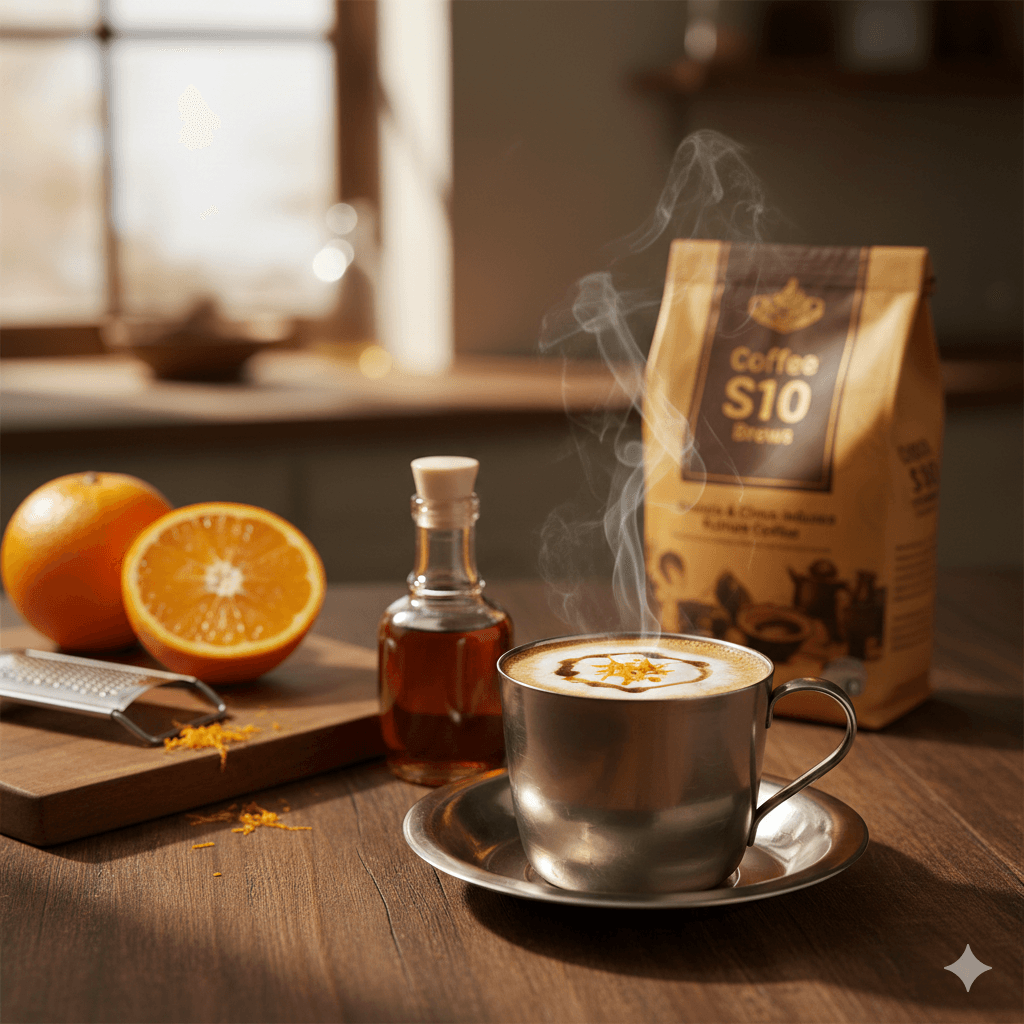
Elevate your morning brew! Discover how to make unique Maple & Citrus Infused Filter Coffee. S10 Brews brings a modern twist to your South Indian ritual.
Why is South Indian filter coffee the perfect base for maple and citrus flavors?
The magic of a traditional South Indian filter coffee lies in its unique structural integrity. Unlike modern pour-overs or watery Americanos, a properly brewed decoction from an 80:20 coffee-chicory blend offers a thick, viscous mouthfeel and a deep, chocolatey undertone. When you introduce modern elements like maple syrup and citrus zest, the coffee needs to be robust enough to hold its own. Many home brewers struggle with flavored coffees because their base is too thin, leading to a "watery" infusion where the syrup overpowers the bean. Coffee S10 Brews focuses on handpicked beans and a precise roast profile that ensures the decoction provides a sturdy foundation. The inherent bitterness of the chicory acts as a stabilizer, balancing the high-note acidity of citrus and the earthy sweetness of maple without losing the "soul" of the coffee. This synergy creates a sophisticated beverage that bridges the gap between a classic Madras Kaapi and a modern artisanal latte.
How does the 80:20 coffee-chicory blend enhance flavored coffee infusions?
One of the most frequent questions from coffee enthusiasts is: "Why use chicory at all?" In the context of a Maple and Citrus infusion, the 80:20 ratio is not just tradition—it is a functional requirement. Chicory increases the solubility of the coffee powder, allowing for a more concentrated decoction. This concentration is vital when adding maple syrup, which adds liquid volume and sugar. The Coffee S10 Brews 80:20 blend is crafted to provide a "crema-like" thickness in the decoction. This thickness allows the citrus oils from the zest to suspend beautifully within the drink rather than floating on top. Furthermore, the woody, nutty notes of chicory naturally complement the forest-grown sweetness of maple syrup. Choosing a high-quality 80:20 blend ensures that your infused coffee retains its "kick" while gaining a layer of aromatic complexity that 100% Arabica or Robusta blends often lack when diluted with milk and sweeteners.
What is the secret to brewing the perfect South Indian coffee decoction at home?
Achieving that "hotel-style" coffee at home begins with the decoction process. The primary pain point for most consumers is a "sour" or "weak" brew. To master the Maple and Citrus infusion, you must first master the gravity filter. Start with a Coffee S10 Brews medium-coarse grind, specifically designed for traditional stainless steel or brass filters. Use two to three heaped tablespoons of the 80:20 blend. The secret lies in the "tamping"—not too hard to block the flow, but firm enough to create resistance. Add freshly boiled water and let it drip slowly. A slow drip ensures maximum extraction of oils and flavors. If your decoction is too thin, the maple syrup will make the drink taste like a sugary tea rather than a premium coffee. Coffee S10 Brews emphasizes "Brewing Intelligence," guiding users to understand that the first press of the decoction is the only one that should be used for gourmet infusions to maintain the highest concentration of flavor and aroma.
How do you balance the acidity of citrus with the sweetness of maple in coffee?
The sensory profile of a Maple and Citrus infused filter coffee is a delicate dance between three elements: the bitterness of the roast, the brightness of the citrus, and the mellow sweetness of the maple. Citrus, particularly orange or pomelo zest, contains essential oils that are highly volatile. When these oils hit the hot decoction, they release a fragrance that cuts through the heavy milk fat typically used in South Indian coffee. However, too much citrus can curdle the milk if not handled correctly. The trick is to infuse the zest into the decoction or the milk rather than using acidic juice. The maple syrup acts as the bridge. Unlike white sugar, which provides a "flat" sweetness, maple syrup has vanilla and caramel undertones that round out the citrus's sharp edges. Coffee S10 Brews recommends using a dark maple syrup (Grade A or B) to match the intensity of their small-batch roasted beans, creating a harmonious aftertaste that lingers pleasantly on the palate.
Step-by-step guide: How to make a Maple and Citrus Infused Filter Coffee?
To begin this ritual, you will need high-quality ingredients and a bit of patience. First, prepare your decoction using the Coffee S10 Brews 80:20 signature blend. While the coffee is dripping, take the zest of half an orange. Ensure you only take the orange part, as the white pith is bitter. In a small saucepan, heat 150ml of full-fat milk with the orange zest. Do not let it boil vigorously; a gentle simmer is enough to extract the oils. In your Dabara or a glass mug, add one tablespoon of pure maple syrup. Pour in 30ml of the fresh, thick decoction and stir to dissolve the syrup. Once the milk is hot and fragrant, strain it into the coffee-maple mixture from a height to create that signature South Indian froth. The result is a multi-layered experience: the aroma of citrus hits you first, followed by the creamy body of the coffee, and finally, the lingering sweetness of the maple. This technique elevates the daily coffee habit into a gourmet experience that rivals any specialty café.
Why should you avoid instant coffee for flavored infusion recipes?
Many consumers opt for instant coffee for convenience, but when it comes to complex infusions like maple and citrus, instant coffee fails to deliver. Instant coffee is essentially pre-brewed, dehydrated coffee that lacks the natural oils and cellular structure of fresh grounds. This lack of "body" means the coffee cannot support the weight of maple syrup or the aromatic intensity of citrus zest. The result is often a flat, one-dimensional drink. In contrast, using a fresh 80:20 blend from Coffee S10 Brews provides a "living" beverage with active aromatic compounds. The following table highlights the stark differences between these two methods.
| Feature | Traditional Filter Coffee (80:20) | Instant Coffee |
|---|---|---|
| Body and Texture | Thick, syrupy, and viscous; holds infusions well. | Thin and watery; easily overwhelmed by syrups. |
| Aroma Profile | Multi-layered with chocolate, nuts, and earthiness. | Single-note, often slightly burnt or chemical. |
| Interaction with Citrus | Essential oils bind to coffee fats for a balanced scent. | Oils float on top, leading to a disjointed flavor. |
| Sweetener Compatibility | Maple syrup enhances the natural bean characteristics. | Syrup makes the drink taste like "sugar water." |
| Freshness | Small-batch roasted and ground for maximum potency. | Mass-produced, often sitting on shelves for months. |
Is chicory necessary for a robust maple and citrus coffee profile?
There is a common misconception that chicory is a "filler" used to reduce costs. While that may be true for low-grade commercial brands, in premium blends like Coffee S10 Brews, chicory is a deliberate culinary choice. Chicory adds a specific type of bitterness and "darkness" that mimics a very dark roast without the burnt flavor. For a Maple and Citrus infusion, this is crucial. The maple syrup provides a high-density sweetness that can make 100% coffee feel "thin." The chicory provides the necessary "grip" on the tongue. If you use 100% Arabica, the citrus acidity might make the coffee taste sour. The chicory in an 80:20 blend acts as a pH balancer of sorts, ensuring the final cup is smooth and mellow. Below is a comparison of how different blends react to these specific infusions.
| Flavor Aspect | 100% Pure Coffee | 80:20 Coffee-Chicory Blend |
|---|---|---|
| Mouthfeel | Clean and light. | Heavy, buttery, and lingering. |
| Maple Synergy | Can become overly sweet/saccharine. | Balances sweetness with earthy depth. |
| Citrus Interaction | High risk of the drink tasting "acidic." | Chicory tames acidity, highlighting the "zest." |
| Milk Integration | Coffee flavor can get lost in the milk. | Coffee remains the dominant, bold character. |
How does Coffee S10 Brews ensure consistency in every brew?
The greatest challenge for the home barista is consistency. Why does the coffee taste amazing on Monday but mediocre on Thursday? Coffee S10 Brews solves this through "Freshness & Consistency" protocols. Our beans are sourced from specific elevations in the Western Ghats, ensuring the raw material has a consistent density. We use controlled roasting cycles where the temperature is monitored to the decimal point, ensuring that the 80:20 blend you buy today tastes exactly like the one you bought last month. This consistency is vital when you are experimenting with recipes like Maple and Citrus. If your coffee base changes its profile every week, you can never perfect the ratio of maple syrup or zest. By providing a reliable, small-batch roasted product, Coffee S10 Brews allows you to focus on the art of infusion, knowing the foundation of your cup is rock-solid and professionally crafted.
What role does milk texture play in traditional filter coffee rituals?
In South Indian coffee culture, the "froth" is not just for aesthetics; it is a functional part of the flavor delivery system. When making a Maple and Citrus infused coffee, the milk should be aerated—traditionally done by pouring the coffee between a Dabara and a tumbler. This process, known as "stretching" the milk, breaks down the proteins and fats, making the milk taste sweeter naturally. When this aerated milk hits the maple-infused decoction, it creates a micro-foam that traps the citrus aromas. As you take a sip, these trapped aromas are released, providing an olfactory experience before the liquid even touches your taste buds. This is why Coffee S10 Brews advocates for the traditional brewing method even when using modern ingredients; the physics of the Dabara set are perfectly suited for complex, aromatic infusions.
How to store your coffee powder to maintain its aromatic integrity?
You’ve invested in a premium 80:20 blend and high-quality maple syrup, so don't let your coffee go stale. Coffee is hygroscopic, meaning it absorbs moisture and odors from the air. Once you open a pack of Coffee S10 Brews, the clock starts ticking on its aromatic compounds. To keep your Maple and Citrus infusions tasting fresh, store your coffee powder in an airtight, opaque container in a cool, dark cupboard. Avoid the refrigerator, as the moisture can ruin the grind consistency and the chicory can clump. Freshness is the difference between a citrus note that smells like fresh fruit and one that smells like artificial flavoring. Coffee S10 Brews ensures that our packaging is designed to lock in flavor, but once opened, the responsibility of "Modern Accessibility" falls to the user to maintain that craft-quality freshness at home.
Frequently Asked Questions About Infused Filter Coffee
1. Can I use lemon instead of orange for the citrus note?
Yes, but be cautious. Lemon has a much higher acidity than orange. Use a very small amount of zest and avoid the juice entirely to prevent the milk from curdling. Orange or tangerine zest is generally more compatible with the chocolatey notes of a South Indian 80:20 blend.
2. Is maple syrup better than honey for South Indian coffee?
Maple syrup is preferred for coffee because of its heat stability and caramel-like flavor profile. Honey can sometimes have floral notes that clash with the roast of the coffee, whereas maple syrup complements the earthiness of the chicory found in Coffee S10 Brews.
3. Why is my filter coffee decoction not thick enough?
This is usually due to either a grind that is too coarse or not using enough powder. Ensure you are using a Coffee S10 Brews signature blend specifically ground for filters, and don't be afraid to use 3-4 tablespoons for a strong, concentrated base.
4. Does the chicory affect the caffeine content of my infused coffee?
Chicory is naturally caffeine-free. An 80:20 blend will have slightly less caffeine than a 100% coffee cup of the same size, but because filter coffee is served as a concentrated decoction, you still get a significant and sustained energy boost without the jitters.
5. Can I make this recipe as a cold brew?
Absolutely. You can steep the Coffee S10 Brews powder in cold water for 12-16 hours, strain it, and then add your maple syrup and citrus zest. However, the traditional hot brewing method extracts the citrus oils more effectively than cold water.
6. Is it necessary to use a brass filter for this recipe?
While a stainless steel filter works perfectly fine, many enthusiasts prefer brass because it retains heat more evenly during the slow-drip process, leading to a more consistent extraction of the 80:20 blend’s flavors.
7. How long can I store the decoction if I want to make this coffee later?
For the best Maple and Citrus experience, use the decoction within 1-2 hours. If you must store it, keep it in the refrigerator for up to 24 hours, but be aware that the volatile aromas will diminish over time.
Experience the Craft of South Indian Coffee
Ready to elevate your morning ritual? Mastering the Maple and Citrus infused coffee starts with the right foundation. Explore the range of Coffee S10 Brews signature blends, designed for those who value authenticity, craftsmanship, and the perfect 80:20 balance. Whether you are a traditionalist or a modern experimenter, our brewing guides and premium powders provide everything you need to bring the luxury of a South Indian coffee house into your own kitchen. Discover the difference that handpicked beans and small-batch roasting can make in your next cup.