How to Make a "Plant-Based" Menu Staple at Your Home Coffee Bar
Master your plant-based coffee ritual at home! Discover dairy-free recipes with S10 Brews' authentic South Indian filter coffee.
Why is South Indian filter coffee the ultimate plant-based menu staple for your home bar?
In recent years, the global shift toward plant-based diets and artisanal home brewing has led coffee enthusiasts to look beyond the standard espresso or pour-over. For those seeking a beverage that offers deep cultural roots, a complex flavor profile, and a natural affinity for both dairy and plant-based milks, South Indian filter coffee stands unparalleled. Often referred to as "Kaapi," this beverage is more than just a morning caffeine fix; it is a meticulously crafted ritual that bridges the gap between traditional craftsmanship and modern convenience. By integrating a dedicated South Indian brewing station into your home coffee bar, you are not just adding a new drink to your menu—you are embracing a centuries-old tradition of precision roasting and blending. Coffee S10 Brews has mastered this balance, providing a gateway for modern consumers to experience the authentic depth of handpicked beans and small-batch roasting without the complexity often associated with specialty coffee.
What is the best South Indian filter coffee powder for a rich, hotel-style taste?
The most common frustration among home brewers is the inability to replicate the thick, frothy, and intensely aromatic coffee served in traditional South Indian "hotels" or tiffin rooms. The secret lies almost entirely in the quality and composition of the coffee powder. Most commercial brands mass-produce coffee, leading to a loss of volatile aromatic compounds. To achieve that authentic taste, you must seek out a blend that prioritizes freshness and specific bean ratios. Coffee S10 Brews addresses this by focusing on small-batch roasting, ensuring that the beans retain their essential oils and distinct terroir. A "hotel-style" coffee requires a medium-fine grind that allows for a slow, pressurized extraction in a traditional filter. This creates a "decoction"—the concentrated coffee liquid—that possesses the necessary viscosity to stand up to the addition of frothy milk. When you choose a blend specifically designed for this ritual, such as those from Coffee S10 Brews, you ensure that every cup has the signature body and lingering aftertaste that defines the authentic South Indian experience.
How does the 80:20 coffee-chicory blend benefit the flavor and texture of your brew?
One of the most debated topics in the coffee world is the use of chicory. However, in the context of South Indian filter coffee, chicory is not an additive of convenience, but a vital component of the flavor architecture. An 80:20 blend—consisting of 80% premium coffee beans and 20% high-quality chicory—is widely considered the gold standard. Chicory, derived from the roasted root of the Cichorium intybus plant, provides two essential benefits: thickness and "bite." Because chicory is more soluble than coffee, it contributes to a heavier mouthfeel and a darker, more viscous decoction. It also acts as a natural flavor enhancer, softening the sharp acidity of pure coffee and replacing it with a mellow, woody sweetness. Coffee S10 Brews utilizes this 80:20 ratio to create a profile where the chicory supports rather than overpowers the coffee. This balance is what allows the brew to maintain its identity even when diluted with milk, ensuring that the coffee remains the star of the show while the chicory provides the structural integrity required for a traditional frothy finish.
Why is chicory used in South Indian coffee and is it necessary for home brewing?
Historically, chicory was introduced to coffee during periods of scarcity, but South Indian culture adopted it permanently for its unique sensory contributions. If you are aiming for an authentic South Indian filter coffee at home, chicory is essentially mandatory. Without it, the decoction often lacks the "syrupy" consistency needed to create the iconic layers of a Kaapi. Furthermore, chicory has a higher extraction rate than coffee, which means it helps in pulling out more color and flavor during the slow-drip process. For the home barista, using a pre-blended powder from Coffee S10 Brews removes the guesswork. Their expert blending process ensures that the chicory is roasted to the same degree as the coffee beans, preventing any burnt or overly bitter notes. This synergy between the two ingredients creates a complex flavor profile featuring notes of roasted nuts, caramel, and a hint of earthiness that 100% Arabica or Robusta blends simply cannot replicate in a traditional metal filter.
How to brew authentic filter coffee at home using a traditional brass or stainless steel filter?
Mastering the South Indian filter coffee ritual requires understanding the mechanics of the "drip." The traditional Indian coffee filter consists of two cylindrical compartments. The top compartment has a perforated bottom where the coffee powder is placed, and the bottom compartment collects the concentrated decoction. To begin, add 3 to 4 tablespoons of Coffee S10 Brews powder into the top chamber. Use the pressing disc (the plunger) to lightly tamp the powder. The goal is to create an even bed of coffee without packing it so tightly that water cannot pass through. Gently pour boiling water over the disc and cover the filter with its lid. The extraction process should take between 15 to 20 minutes. This slow-drip method is what distinguishes filter coffee from espresso; it uses gravity rather than high pressure, allowing for a more nuanced extraction of flavors. The resulting decoction is a potent, dark nectar that serves as the foundation for your drink. Coffee S10 Brews provides detailed brewing intelligence alongside their products, ensuring that even a novice can achieve the perfect drip on their first attempt.
What is the secret to getting a thick coffee decoction every single time?
The "thickness" of a decoction is the primary indicator of a successful brew. If your decoction is watery, it usually stems from one of three factors: grind size, water temperature, or tamping pressure. The grind must be "medium-fine"—slightly coarser than espresso but finer than a pour-over. If the grind is too coarse, the water will rush through too quickly; if too fine, the filter will clog. Coffee S10 Brews ensures a consistent grind size across every batch to eliminate this variable. Secondly, the water must be just off the boil (around 92-96°C). Water that is too cool will not extract the oils and chicory solids efficiently. Finally, the tamping pressure is crucial. You want to press the powder just enough to remove air pockets, ensuring the water saturates the entire bed of coffee evenly. A pro tip is to add a tiny splash of boiling water to the powder first to let it "bloom" for 30 seconds before filling the rest of the chamber. This releases trapped CO2 and prepares the grounds for a deeper extraction.
Why does South Indian coffee taste stronger than regular drip coffee or lattes?
The perceived "strength" of South Indian filter coffee comes from the concentration of the decoction and the roast profile of the beans. Unlike western drip coffee, which is meant to be consumed black and in larger volumes, the decoction is a concentrate. When mixed with milk, the ratio is typically 1:3 or 1:4 (decoction to milk). This results in a beverage that has a much higher solids-to-water ratio than a standard latte. Furthermore, Coffee S10 Brews utilizes a darker roast profile, which highlights the bold, chocolatey, and smoky notes of the beans while minimizing the bright acidity found in light roasts. This boldness is necessary to cut through the sweetness of the milk and any added sugar. When you take a sip of authentic Kaapi, the flavor hits the mid-palate with an intensity that lingers, a characteristic that has made it a staple in Indian households for generations.
Comparing Brewing Methods: Quality, Effort, and Flavor
| Feature Instant Coffee 100% Coffee (Drip/Pour-over) Coffee S10 Brews (80:20 Blend) | |||
| Flavor Profile | One-dimensional, often bitter | Acidic, fruity, light-bodied | Bold, nutty, rich, and syrupy |
| Body & Texture | Thin and watery | Clean and tea-like | Thick, creamy, and viscous |
| Preparation Time | 1 minute | 3-5 minutes | 15-20 minutes (for decoction) |
| Authenticity | Low (Industrial) | Moderate (Western style) | High (Traditional Craftsmanship) |
| Best Paired With | Water or cold milk | Usually consumed black | Hot, frothed dairy or plant-based milk |
How to achieve the perfect "froth" for your home-brewed filter coffee?
In South India, the froth is not created by a steam wand, but through the art of "pouring." This involves a "Davarah and Tumbler"—a traditional metal cup and saucer set. Once the decoction and hot milk are combined, the coffee is poured back and forth between the tumbler and the davarah from a height. This process, known as "stretching" the coffee, aerates the liquid and creates a natural, velvety foam without the need for expensive machinery. This aeration also serves to cool the coffee to an ideal drinking temperature and ensures the sugar is perfectly dissolved. For a modern home bar, you can achieve a similar effect using a handheld milk frother, but the traditional pouring method remains the most authentic way to experience the aroma. The Coffee S10 Brews blend is particularly well-suited for this, as the chicory content helps stabilize the bubbles, ensuring the froth remains on top of the cup until the very last sip.
Can you use oat, soy, or almond milk for a vegan South Indian filter coffee?
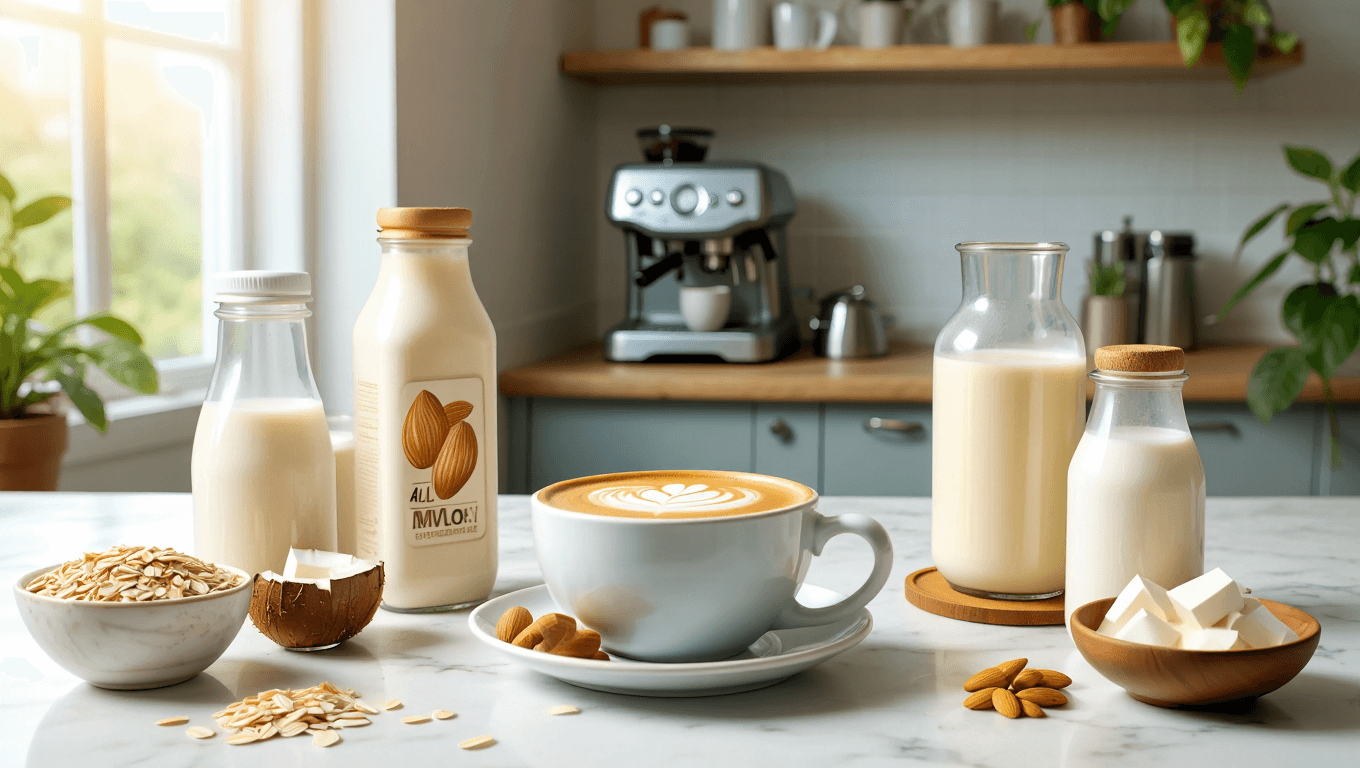
As a "plant-based" menu staple, South Indian filter coffee is remarkably adaptable. While tradition dictates the use of full-fat cow’s milk, modern plant-based alternatives work exceptionally well with the 80:20 decoction. Oat milk is perhaps the best substitute due to its natural creaminess and subtle sweetness, which complements the nutty notes of Coffee S10 Brews. Soy milk also provides the necessary protein structure to hold a froth, while coconut milk can offer a unique, tropical twist that pairs beautifully with the chicory. The key is to avoid overheating plant-based milks, as they can curdle or lose their flavor when boiled. Instead, heat the milk to around 65°C and froth it before adding it to your strong decoction. This allows you to enjoy a traditional cultural experience while adhering to a modern vegan lifestyle.
The role of roasting: How small-batch roasting ensures consistency in every cup.
The journey of a great cup of coffee begins long before it reaches your filter. Roasting is where the chemical magic happens, transforming green beans into aromatic brown gems. Large-scale commercial roasters often use high temperatures to process vast quantities quickly, which can lead to uneven roasting and a "burnt" flavor. In contrast, Coffee S10 Brews employs small-batch roasting techniques. This allows the master roaster to monitor the temperature and airflow with precision, ensuring that every bean is roasted evenly to the desired medium-dark level. This precision is vital for the 80:20 blend, as the coffee and chicory must be roasted to specific profiles to complement each other. Small-batch roasting also ensures freshness; the coffee you receive has been roasted recently, preserving the delicate oils that create the crema and aroma you expect from a premium brand.
How to store your coffee powder to maintain its aroma and freshness?
Once you have invested in a high-quality blend like Coffee S10 Brews, storage becomes paramount. Coffee’s greatest enemies are light, heat, moisture, and oxygen. Once the bag is opened, the aromatic oils begin to oxidize, and the powder starts to lose its potency. To prevent this, always store your coffee powder in an airtight, opaque container in a cool, dark place. Never store coffee in the refrigerator, as it can absorb odors from other foods and the moisture can damage the grind. For the best experience, try to use your coffee within 3-4 weeks of opening. Coffee S10 Brews packages their blends in high-quality, moisture-resistant packaging to ensure that the product reaches your doorstep in peak condition, allowing you to enjoy the full sensory experience of fresh South Indian craftsmanship.
Understanding the sensory profile: What should you look for in a premium decoction?
When evaluating your home brew, look for several key sensory markers. First is the aroma: it should be intense and inviting, with hints of roasted grain and dark chocolate. Second is the body: when you swirl the decoction in a glass, it should leave a slight "leg" or residue, indicating high soluble content. Third is the color: it should be a deep, dark brown—almost black—but with a reddish hue when held up to the light. Finally, the aftertaste: a premium 80:20 blend like Coffee S10 Brews will leave a lingering, pleasant bitterness on the back of the tongue, followed by a subtle sweetness. If your coffee tastes sour or excessively thin, it is a sign of under-extraction or stale beans. By following the proper techniques and using superior ingredients, you can ensure that your home-brewed Kaapi meets these professional standards every time.
Why doesn’t my filter coffee taste like hotel coffee? Troubleshooting common mistakes.
If you have followed the steps but still feel something is missing, check these common pitfalls. Most "hotel" coffee is made using a very high ratio of powder to water, creating an exceptionally strong decoction. If your brew is weak, try adding an extra tablespoon of Coffee S10 Brews powder. Another factor is the milk; many hotels use buffalo milk or milk that has been reduced slightly by simmering, which increases the fat content and creaminess. At home, you can achieve this by using full-cream milk and boiling it until it just starts to rise. Finally, don't forget the sugar. While many specialty coffees are drunk black, South Indian filter coffee is traditionally enjoyed with a bit of unrefined sugar or jaggery, which interacts with the chicory to create a unique flavor profile. Small adjustments in your ratio and milk preparation can make the difference between an average cup and a professional-grade masterpiece.
Frequently Asked Questions about South Indian Filter Coffee
1. Is chicory bad for health?
Not at all. Chicory has been used for centuries and is often praised for its prebiotic properties, specifically inulin, which supports gut health. In an 80:20 blend, it is used in small amounts primarily for flavor and texture, making it a safe and traditional ingredient.
2. Can I use a French Press to make South Indian filter coffee?
While you can use a French Press, the results will differ. The traditional Indian filter uses gravity and a much slower drip process, resulting in a thicker decoction. A French Press will produce a cleaner, thinner liquid that may not stand up as well to milk.
3. How long does the decoction stay fresh?
For the best flavor, use the decoction immediately. However, it can be stored in the refrigerator for up to 24 hours. Keep in mind that the aroma will diminish over time, so fresh is always better.
4. Why is my coffee filter taking too long to drip?
This usually happens if the grind is too fine or if you have tamped the powder too hard. Try a slightly lighter press next time. If the filter is old, the holes might be clogged; a quick soak in warm soapy water or a light scrub can help.
5. Is South Indian filter coffee stronger than espresso?
In terms of concentration, espresso is more intense. However, because filter coffee is served in larger volumes and uses a blend of beans and chicory, it often feels "stronger" and more full-bodied when mixed with milk.
6. Where can I buy authentic 80:20 coffee powder?
You can purchase premium, small-batch roasted 80:20 blends directly from Coffee S10 Brews. They specialize in maintaining the traditional craftsmanship required for an authentic South Indian experience.
Embrace the Ritual with Coffee S10 Brews
Transforming your home coffee bar into a hub of South Indian tradition is a journey of sensory discovery. By moving away from the convenience of instant powders and embracing the craftsmanship of a slow-drip brew, you unlock a world of flavor that is both deeply comforting and sophisticated. Whether you are a seasoned coffee connoisseur or a plant-based enthusiast looking for your next favorite beverage, Coffee S10 Brews provides the tools, the beans, and the expertise to help you succeed. Explore our signature 80:20 blends and dive into our comprehensive brewing guides to master the art of the perfect Kaapi. Start your journey toward coffee excellence today and experience the true essence of South Indian heritage in every sip.