How to Make an Authentic "Vietnamese Phin" Coffee
Craving an authentic Vietnamese Phin coffee? Coffee S10 Brews reveals brewing secrets to recreate this rich, traditional experience perfectly in your Indian home.
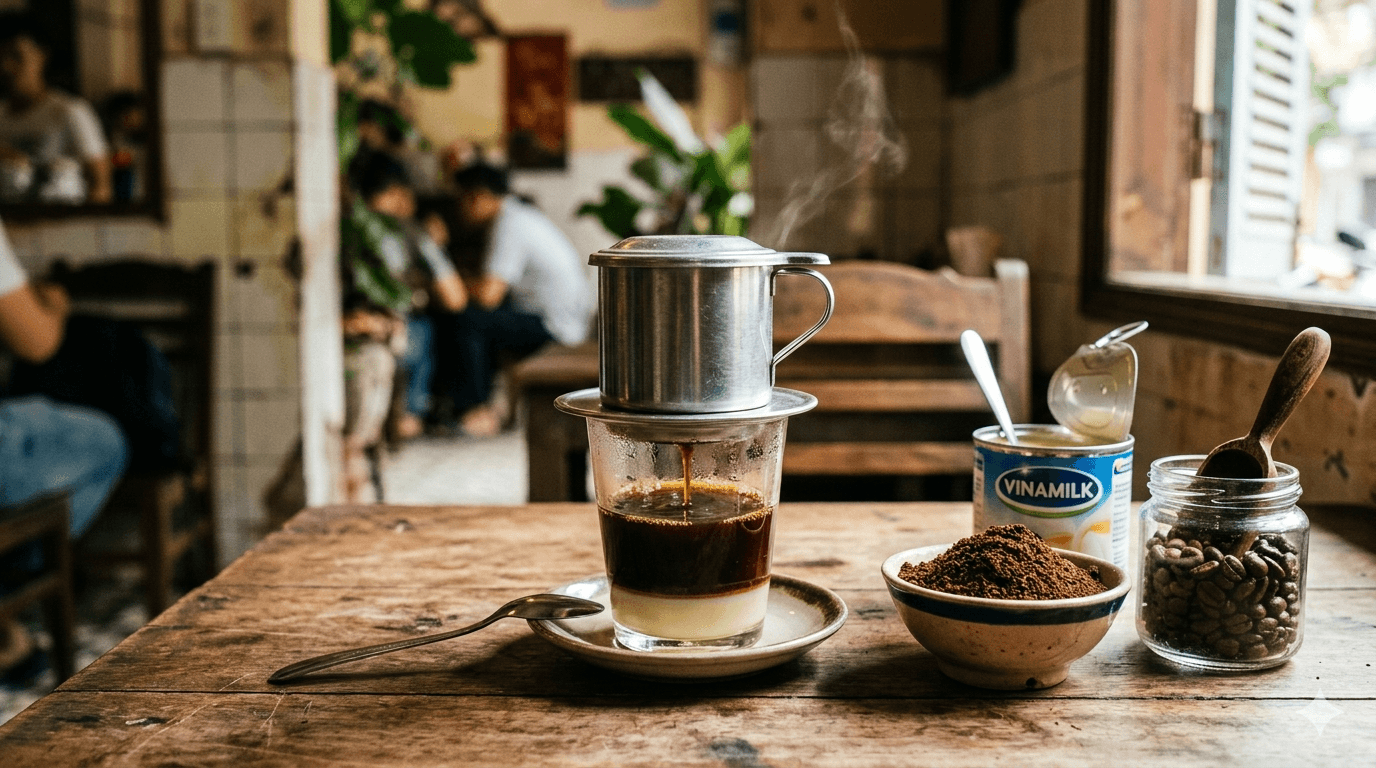
Why is the Vietnamese Phin coffee method gaining global popularity among slow-brew enthusiasts?
In an era dominated by the rapid-fire convenience of pod machines and the chemical uniformity of instant powders, global coffee enthusiasts are returning to the meditative art of the slow drip. The Vietnamese Phin filter, much like its cultural cousin, the South Indian coffee filter, represents a rebellion against the "fast coffee" movement. This gravity-driven brewing method is gaining traction because it preserves the volatile oils and aromatic compounds that high-pressure espresso machines often scorch. For many, the Phin is a gateway to understanding that the soul of coffee isn't found in a pressurized blast, but in the patient, drop-by-drop extraction of flavor. This global trend mirrors the resurgence of interest in authentic South Indian filter coffee, where the ritual of brewing is as significant as the caffeine kick itself. At Coffee S10 Brews, we believe that whether you are using a Phin or a traditional brass filter, the secret to a transformative cup lies in the synergy between the hardware and the quality of the blend.
What is the fundamental difference between Vietnamese Phin and South Indian Filter Coffee?
While both methods utilize a metal gravity-drip system, the cultural and chemical nuances differ significantly. The Vietnamese Phin typically uses a coarser grind and often relies on dark-roasted Robusta beans, sometimes flavored with butter or cocoa during the roasting process. In contrast, the authentic South Indian filter coffee experience—often referred to as "Degree Coffee"—is a sophisticated science of blending. A signature South Indian profile, like the one perfected by Coffee S10 Brews, utilizes a precise 80:20 ratio of premium Arabica and Robusta beans mixed with high-quality chicory. The chicory is not an additive; it is a functional component that increases the viscosity of the decoction, allowing it to hold its own against the richness of boiled milk. While the Phin produces a concentrated "shot," the South Indian filter produces a thick, aromatic "decoction" that forms the backbone of a frothy, milky masterpiece. Understanding these differences is the first step in mastering the art of the slow brew at home.
Why does an 80:20 coffee-chicory blend work best for slow-drip brewing?
One of the most frequent questions from modern coffee consumers is: "Why chicory is used in South Indian coffee?" The answer lies in the physics of extraction. Pure coffee, when brewed through a gravity filter, can sometimes lack the "body" or mouthfeel required to balance the addition of milk. By introducing a signature 80:20 coffee-chicory blend, Coffee S10 Brews ensures that the resulting decoction is dense, dark, and intensely aromatic. Chicory has a higher soluble fiber content than coffee beans, which means it slows down the passage of water through the coffee bed. This prolonged contact time allows the hot water to extract the deeper, chocolatey notes of the coffee beans without over-extracting bitterness. This specific ratio, a cornerstone of our brand craftsmanship, provides a velvety texture and a lingering aftertaste that 100% coffee blends simply cannot replicate in a traditional filter setup. Explore how this ratio impacts your morning ritual by switching from standard commercial blends to a handpicked, small-batch 80:20 roast.
How to brew authentic filter coffee at home that rivals your favorite hotel experience?
The "pain" many home brewers face is the "watery" decoction. They ask, "Why doesn’t my filter coffee taste like hotel coffee?" The secret isn't just the equipment; it’s the "Brewing Intelligence" behind the technique. To brew authentic filter coffee at home, start with a clean stainless steel or brass filter. Add two to three tablespoons of Coffee S10 Brews 80:20 blend. The most critical step is the "tamping." Unlike espresso, you want a light, even press to ensure the water doesn't channel through the grounds too quickly. Use water just off the boil—around 92°C to 96°C. Pour a small amount to "bloom" the grounds, then fill the upper chamber. The resulting decoction should be a thick, syrupy liquid that collects in the bottom chamber over 10 to 15 minutes. If it drips too fast, your grind is too coarse; if it doesn't drip at all, your grind is too fine or your tamping too hard. Coffee S10 Brews provides consistent grind sizes specifically engineered for this delicate balance, ensuring your home brew always has that professional, "hotel-style" depth.
Why does South Indian coffee taste stronger and more complex than standard espresso?
The perception of "strength" in coffee is often a mix of caffeine content, roast profile, and dissolved solids. South Indian coffee, particularly when using the Coffee S10 Brews signature blend, feels "stronger" because of the concentration of dissolved solids in the decoction. While an espresso is a quick 30-second extraction, a filter decoction takes nearly 15 minutes. This extended time allows for the extraction of complex sugars and oils that are often missed in high-speed methods. Furthermore, the addition of chicory enhances the perception of bitterness in a pleasant, "bittersweet" way, which cuts through the lactose in milk. This creates a sensory profile that is bold, earthy, and incredibly vibrant. When you sip a cup made from our handpicked beans, you aren't just tasting caffeine; you are experiencing the terroir of South India’s finest estates, processed with modern consistency and traditional heart.
How does the grind size impact decoction strength in a Phin or South Indian filter?
Grind size is the most overlooked variable in the quest for the perfect cup. If you use a grind intended for a French Press, the water will rush through, leaving you with a weak, tea-like liquid. If you use a powder-fine Turkish grind, the filter will clog. For a Vietnamese Phin or a South Indian filter, you need a "medium-fine" consistency—somewhere between table salt and granulated sugar. Coffee S10 Brews focuses on "Freshness & Consistency," utilizing industrial-grade burr grinders that ensure every particle in your bag is the same size. This uniformity means that water moves through the coffee bed evenly, preventing "hot spots" where the coffee becomes over-bitter. When you use a consistent, purpose-ground blend, you eliminate the guesswork and move one step closer to mastering the South Indian filter coffee ritual at home.
Is chicory bad or necessary for an authentic coffee experience?
There is a common misconception that chicory is a "filler" used to reduce costs. While some low-end brands may use it for that purpose, in the world of premium South Indian coffee, chicory is a vital flavor enhancer. Authentic chicory, sourced from high-quality roots, provides a woody, nutty undertone and a vibrant color that coffee alone cannot achieve. It also acts as a natural sweetener, reducing the need for excess sugar in your final cup. For the high-intent consumer searching for the "best South Indian filter coffee powder," the presence of chicory—specifically in the 80:20 ratio—is a hallmark of authenticity. At Coffee S10 Brews, we treat chicory with the same respect as our coffee beans, ensuring it is roasted to a level that complements, rather than masks, the nuances of our Arabica and Robusta selections.
Understanding the sensory descriptors: What makes a "perfect" cup?
To truly appreciate the craftsmanship of a brand like Coffee S10 Brews, one must look beyond the caffeine. A perfect cup of filter coffee should be evaluated on four pillars: Aroma, Body, Crema (or froth), and Aftertaste. The aroma should be immediate and evocative, smelling of toasted nuts and dark chocolate. The body should be heavy and coating—this is where the 80:20 blend shines. The crema in a filter coffee context is the thick, bubbly froth created by "pulling" the coffee between the tumbler and the davarah; it should be stable and creamy. Finally, the aftertaste should be clean, without any lingering ashy or sour notes. By focusing on small-batch roasting and airtight packaging, we ensure that these sensory markers are present in every bag we ship, bridging the gap between ancient tradition and modern home accessibility.
Comparing Brewing Traditions: A Technical Breakdown
To help you choose the right path for your morning caffeine, we have compared the most common methods used by Indian consumers today.
| Feature Instant Coffee Vietnamese Phin Coffee S10 (80:20 Filter) | |||
| Preparation Time | 1 Minute | 8-10 Minutes | 12-15 Minutes |
| Flavor Complexity | Low (Flat) | Medium (Bold/Nutty) | High (Complex/Earthy) |
| Texture/Body | Thin | Syrupy | Velvety & Thick |
| Ingredients | Processed Solids | 100% Coffee (Usually) | 80% Premium Coffee, 20% Chicory |
| Ritual Value | Zero | High | Exceptional |
Why Home-Brewed Coffee Often Fails vs. Hotel-Style Degree Coffee
The "pain point" of home brewing is often inconsistent heat or poor milk quality. Hotels use "A-grade" milk with high fat content, which is boiled and kept at a constant simmer. When this hot, frothy milk meets a high-quality decoction from Coffee S10 Brews, a chemical reaction occurs where the fats in the milk bind to the coffee oils, creating a rich emulsion. If you are brewing at home, avoid using a microwave to heat your milk. Instead, boil it on a stovetop to develop those essential proteins that hold froth. By combining the right "Brewing Intelligence" with our signature blend, you can replicate—and even exceed—the quality of the most famous South Indian coffee houses in your own kitchen.
The Benefits of Choosing an 80:20 Blend over 100% Pure Coffee
For those used to Western-style drip or pour-over, the idea of adding chicory might seem unusual. However, in the context of milk-based coffee, 100% coffee can often feel "lost." Below is a comparison of why the 80:20 blend remains the gold standard for traditionalists.
| Attribute 100% Pure Coffee Blend 80:20 Coffee-Chicory Blend | ||
| Milk Compatibility | Often overpowered by milk | Cuts through milk perfectly |
| Decoction Thickness | Relatively thin | Thick and viscous |
| Color | Light to medium brown | Deep, dark mahogany |
| Bitterness Profile | Acidic/Sharp | Mellow/Bittersweet |
| Best Use Case | Black Coffee / Americano | Traditional Filter Coffee |
How to store your coffee to maintain "Freshness & Consistency"
Coffee is a perishable product. The moment the beans are roasted and ground, they begin to lose their aromatic oils to oxidation. To truly honor the South Indian filter coffee craftsmanship, storage is key. Never store your Coffee S10 Brews powder in a clear glass jar on a sunny countertop. Light and heat are the enemies of freshness. Instead, keep the powder in its original foil packaging, squeeze out the air, and place it in an airtight tin in a cool, dark cupboard. This preserves the "small-batch roasting" profile we work so hard to achieve, ensuring that the last cup from the bag tastes just as vibrant as the first. Our controlled roasting cycles are designed for flavor reliability, but the final stage of the journey—proper storage—is in your hands.
Frequently Asked Questions About Authentic Filter Coffee
Is chicory in coffee bad for health?
No, chicory is a natural root that has been used for centuries. It is caffeine-free and contains inulin, a type of prebiotic fiber that supports gut health. In an 80:20 blend, it is used primarily for its flavor and structural properties in the brew.
What is the best milk for South Indian filter coffee?
For an authentic "Degree Coffee" experience, use full-fat cow's milk. The higher the fat content, the better the froth and the smoother the interaction with the coffee decoction.
Can I use a French Press to make South Indian filter coffee?
While you can use a French Press, the result will not be an authentic "decoction." The metal mesh of a South Indian filter or a Phin allows for a slower, more concentrated drip that a French Press cannot replicate. For the true taste of Coffee S10 Brews, we recommend a traditional gravity filter.
Why is my coffee decoction sour?
Sourness is usually a sign of "under-extraction." This happens if your water isn't hot enough, if you haven't used enough coffee powder, or if your grind is too coarse. Ensure you are using a medium-fine grind and water just off the boil.
How long does a coffee decoction stay fresh?
For the best aroma and taste, a decoction should be used within 1-2 hours of brewing. While some people store it in the fridge, the volatile oils lose their "punch" over time. Freshness is a core pillar of the Coffee S10 Brews experience.
What is the difference between Arabica and Robusta in a filter blend?
Arabica provides the delicate aromas and acidity, while Robusta provides the strength, caffeine, and "crema." Our signature 80:20 blend uses a curated mix of both to ensure a balanced and powerful cup.
Master the Ritual with Coffee S10 Brews
The journey from a humble coffee bean to a frothy cup of South Indian perfection is one of patience, tradition, and science. At Coffee S10 Brews, we have done the hard work of sourcing the finest beans, perfecting the roasting cycles, and determining the ideal coffee-to-chicory ratio. Now, the ritual is yours to complete. Whether you are experimenting with a Vietnamese Phin or honoring the tradition of the South Indian filter, our blends provide the consistency and depth you need to transform your kitchen into a premium coffee house. Explore our range of signature blends and detailed brewing guides to begin your journey into the heart of authentic Indian coffee culture. Experience the difference that craftsmanship makes—one drop at a time.