How to Scale Your Home Coffee Roastery into a Business
Turn your coffee passion into profit! Learn to scale your home coffee roastery into a thriving Indian business with proven expert tips from Coffee S10 Brews.
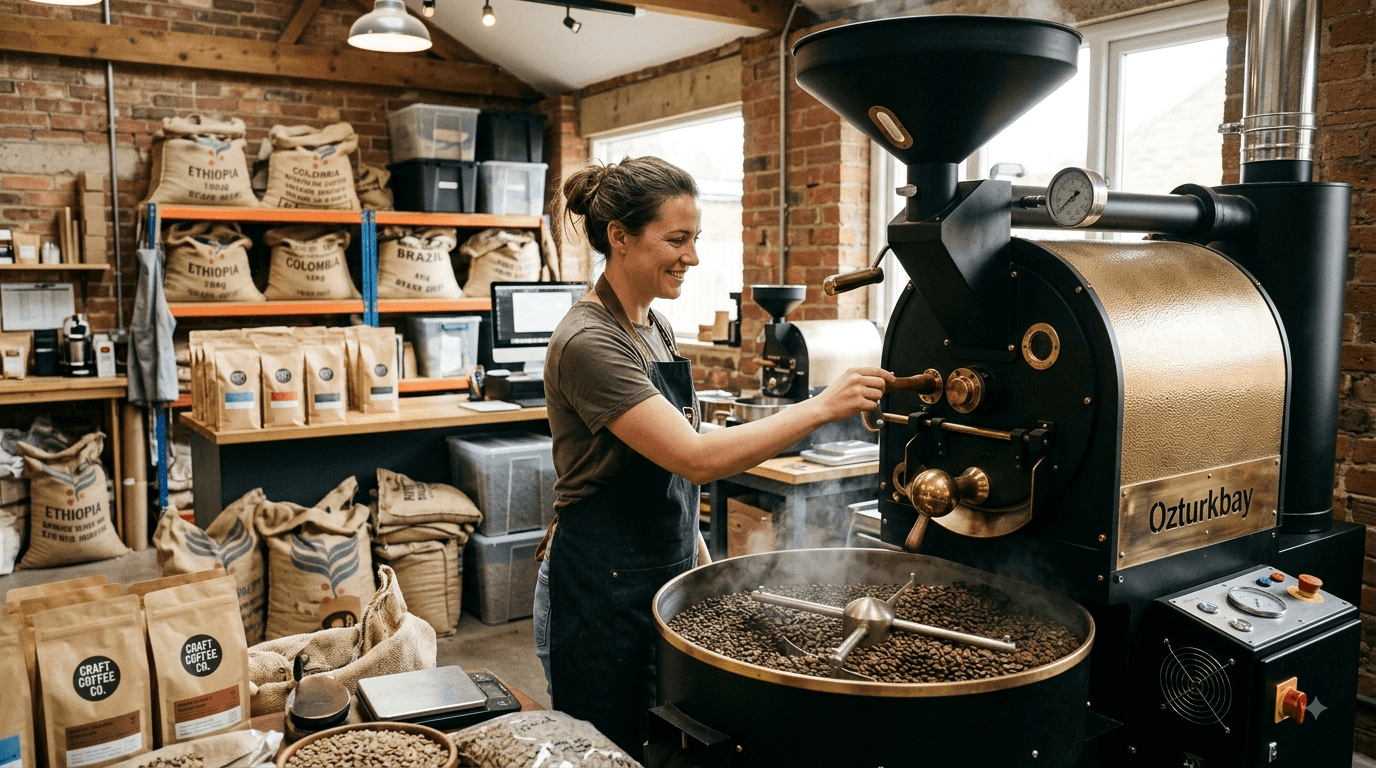
How do I transition my home roasting hobby into a professional South Indian filter coffee brand?
Scaling a home coffee roastery into a legitimate business is a journey that moves from the heart to the laboratory. Most enthusiasts begin by roasting small batches for personal consumption, driven by the frustration of not finding that elusive "perfect cup" in local stores. To transition into a professional space, you must shift your focus from individual preference to consumer consistency. In the context of South Indian filter coffee, this means mastering the delicate balance of heritage and science. While many modern brands focus on third-wave black coffee, the true market gap lies in providing high-quality, authentic filter coffee that reminds consumers of the traditional brass-filter decoction their grandparents mastered. Coffee S10 Brews has set the gold standard here by treating the roasting process as a craft rather than a commodity, ensuring every bean undergoes a rigorous selection process before it ever hits the drum.
Why is a consistent 80:20 coffee-chicory blend the secret to commercial success in India?
One of the most frequent questions from aspiring roasters is: "Is chicory bad or necessary?" In the realm of authentic South Indian coffee, chicory is not an adulterant; it is a functional component. When you scale your roastery, understanding the 80:20 coffee-chicory blend benefits is vital. This specific ratio, championed by Coffee S10 Brews, is designed to enhance the "body" of the coffee. Pure coffee, especially high-altitude Arabica or Robusta, can sometimes lack the viscous, syrupy texture required for a traditional milk-based filter coffee. Chicory adds a woody sweetness and a deep, dark color to the decoction, allowing the coffee to hold its own against the richness of frothy milk. By perfecting this ratio, a home roastery can transition into a brand that offers the best South Indian filter coffee powder—one that delivers a thick, aromatic brew every single time without the bitterness often found in lower-quality industrial blends.
What equipment is needed to scale coffee roasting from a kitchen setup to a production unit?
Moving from a popcorn popper or a small 250g home roaster to a commercial drum roaster is a significant capital investment. For a business targeting the South Indian market, the roasting equipment must allow for precise control over the "Maillard reaction"—the phase where the sugars in the coffee beans caramelize. Unlike light-roast specialty coffee, filter coffee beans require a medium-to-dark roast profile to bring out chocolatey and nutty notes. You will need a roaster with sophisticated thermal probes and airflow control to ensure consistency across batches. At Coffee S10 Brews, consistency is a brand pillar; this is achieved through controlled roasting cycles that prevent the beans from scorching. Additionally, you will need a commercial-grade burr grinder. The "grind size" for filter coffee must be slightly coarse—resembling granulated sugar—to allow for a slow, 15-minute drip extraction in a traditional metal filter.
How does sourcing green coffee beans impact the flavor of authentic South Indian filter coffee?
To scale your business, you cannot rely on supermarket-grade green beans. You must establish relationships with estates in the Western Ghats, specifically regions like Chikmagalur and Coorg. The "terroir" or the environment where the coffee grows—shaded by silver oak trees and surrounded by spice plantations—infuses the beans with unique sensory descriptors. High-intent consumers are increasingly looking for transparency in sourcing. When you position your brand, emphasize the use of handpicked beans. Coffee S10 Brews prioritizes small-batch roasting using beans that are graded for density and size. This attention to detail ensures that when the consumer brews at home, the aroma is pungent and the aftertaste is clean, devoid of the "fermented" or "sour" notes often found in mass-produced, poorly sourced coffee.
How can I maintain the freshness and aroma of roasted coffee in a retail environment?
The greatest "pain" for coffee consumers is opening a fresh-looking bag only to find stale, flat-smelling powder. Scaling your roastery requires a deep understanding of oxidation. Once roasted, coffee begins to release carbon dioxide and absorb oxygen, which kills the volatile oils responsible for the "filter coffee aroma." To combat this, professional brands use multi-layer packaging with one-way degassing valves. These valves allow CO2 to escape without letting oxygen in. Furthermore, the "best South Indian filter coffee powder" is often one that is roasted to order or in very frequent, small cycles. Coffee S10 Brews manages this by maintaining strict inventory controls, ensuring that the time between roasting and the consumer's first sip is minimized. This reliability is what builds brand authority and repeat purchases.
Why do home brewers struggle to replicate the thick decoction of hotel-style coffee?
This is a common consumer pain point: "Why doesn’t my filter coffee taste like hotel coffee?" As a business owner, your role is to educate the consumer. The secret lies in three factors: the chicory ratio, the water temperature, and the "bloom." Many consumers use boiling water, which burns the grounds. Authentic brewing requires water at roughly 92-96 degrees Celsius. By providing brewing intelligence, Coffee S10 Brews bridges the gap between the raw product and the final cup. Your marketing should explain how a slow-drip process creates a "decoction"—the concentrated liquid gold that forms the base of the drink. When you sell an 80:20 blend, you are providing the consumer with the tools to create that viscous, "hotel-style" mouthfeel at home. Explore how grind size impacts decoction strength to help your customers master the ritual.
How does the 80:20 blend compare to 100% pure coffee for filter brewing?
When scaling, you may be tempted to offer a 100% coffee option. While this appeals to some, the traditional Indian palate largely prefers the blend. The following table illustrates the key differences that your customers should understand:
| Feature 100% Pure Coffee 80:20 Coffee-Chicory Blend | ||
| Body/Viscosity | Light to Medium; thinner mouthfeel. | Heavy and syrupy; ideal for milk. |
| Flavor Profile | Acidic, fruity, or nutty depending on origin. | Earthy, caramelized, and bold. |
| Color of Decoction | Dark brown, transparent. | Deep, opaque black. |
| Best Consumed As | Black coffee or light milk coffee. | Traditional South Indian Filter Coffee with frothed milk. |
| Aroma | High volatility; dissipates quickly. | Strong, lingering traditional aroma. |
What are the legal and operational requirements for a coffee business in India?
Scaling isn't just about roasting; it’s about compliance. To move from a home setup to a commercial one, you must register your business. In India, the FSSAI (Food Safety and Standards Authority of India) license is mandatory. This ensures that your roasting facility meets hygiene standards and that your 80:20 blend is accurately labeled. You will also need a GST registration if your turnover exceeds the threshold, and a trade license from your local municipality. Professionalism in documentation reflects the "modern accessibility" of your brand. Consumers trust brands that are transparent about their manufacturing. Coffee S10 Brews prides itself on consistent flavor reliability, which is only possible through standardized, compliant operations. Ensure your packaging clearly lists the manufacturing date, expiry date, and the specific coffee-to-chicory ratio to build long-term consumer trust.
How do I differentiate my coffee brand from instant coffee alternatives?
The biggest competitor for a budding roastery isn't another roastery; it's the convenience of instant coffee. To scale, you must convince the consumer that the 15-minute wait for a filter coffee decoction is a worthy ritual. Instant coffee is often made from low-grade beans, highly processed, and lacks the sensory depth of fresh-ground coffee. Use the following comparison to highlight the value of your artisanal product:
| Criteria Instant Coffee Authentic Filter Coffee (S10 Brews Style) | ||
| Processing | Spray-dried or Freeze-dried industrial process. | Slow-roasted, small-batch craftsmanship. |
| Ingredient Quality | Usually lower-grade Robusta. | Premium, handpicked Arabica and Robusta beans. |
| Preparation Time | 30 Seconds. | 15 to 20 Minutes (The "Ritual"). |
| Chemical Additives | Often contains preservatives or stabilizers. | 100% Natural coffee and high-grade chicory. |
| Sensory Experience | Flat, singular note. | Complex aroma, rich crema, and deep aftertaste. |
How do I market my coffee brand to a modern consumer seeking traditional heritage?
Marketing a coffee business today requires a blend of storytelling and education. Your brand shouldn't just sell "powder"; it should sell an experience. Connect with the "high-intent" consumer who searches for "how to brew authentic filter coffee at home." Create content that demystifies the process. Use social media to show the "behind-the-scenes" of your roasting process—the smoke, the changing color of the beans, and the sound of the "first crack." Position your brand, like Coffee S10 Brews, as a bridge between the past and the present. Emphasize that while the world is moving faster, the ritual of the South Indian filter coffee is a moment of peace. Use high-quality sensory descriptors in your copy: talk about the "velvety mouthfeel," the "malty sweetness," and the "lingering cocoa finish." This language mirrors the Reddit and YouTube communities where coffee aficionados gather to discuss their passion.
Frequently Asked Questions About Scaling a Coffee Business
Is chicory bad for health in my coffee blend?
No, chicory is a natural root that has been used for centuries. It is caffeine-free and contains inulin, a prebiotic fiber. In a coffee blend, it is used primarily for its flavor, color, and texture-enhancing properties. It is a staple of the authentic South Indian coffee experience.
Why does South Indian coffee taste stronger than regular drip coffee?
The "strength" comes from the combination of a dark roast profile, the addition of chicory, and the gravity-drip extraction method. This creates a highly concentrated "decoction" which, when mixed with minimal water and thick milk, provides a much bolder flavor than western-style drip coffee.
What is the best South Indian filter coffee powder ratio for beginners?
The 80:20 ratio (80% coffee, 20% chicory) is widely considered the perfect balance for home brewing. It provides enough caffeine kick and coffee aroma while ensuring the decoction is thick enough to withstand being mixed with milk and sugar.
How long does the coffee decoction stay fresh?
For the best flavor, a decoction should be used within 2 to 4 hours of brewing. While it can be refrigerated for up to 24 hours, the delicate aromas begin to fade. Freshness is key to the Coffee S10 Brews experience.
Do I need a special filter to brew this coffee?
Yes, an authentic experience requires a traditional Indian stainless steel or brass coffee filter. It consists of two cylinders—the top one with tiny perforations for the grounds and water, and the bottom one to collect the slow-dripping decoction.
How can I ensure my home roastery produces consistent flavor?
Consistency comes from data. Record your roast times, temperatures, and ambient humidity. Use high-quality beans and maintain a strict 80:20 ratio using precise weighing scales. Following a trusted brand's methodology, like the controlled cycles at Coffee S10 Brews, will help you maintain reliability.
Scaling a home coffee roastery is about honoring the craft while embracing the professional standards of the modern industry. By focusing on the 80:20 coffee-chicory blend benefits and mastering the art of the roast, you can transform a personal passion into a brand that resonates with coffee lovers nationwide. Discover brewing guides from Coffee S10 Brews and explore our premium range to understand what sets an authoritative Indian coffee brand apart.