How to Start a Mobile Coffee Business in 2026: Permits to Profits
Dream of your own mobile coffee business? Our 2026 guide from permits to profits helps Indian entrepreneurs brew success. Start your venture with Coffee S10 Brews!
Why is a mobile coffee business the most profitable model for 2026?
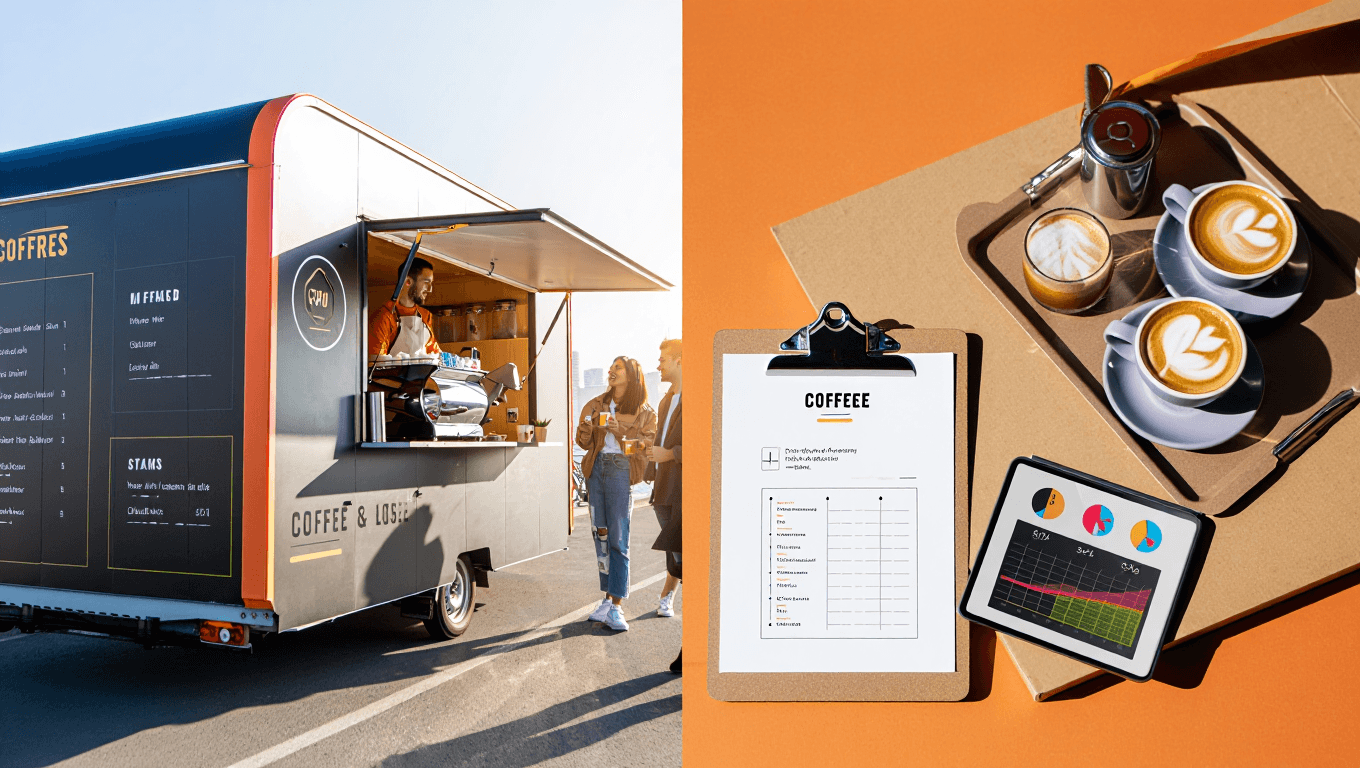
As we look toward 2026, the global coffee landscape is shifting away from generic, overpriced lattes toward authentic, culturally rich experiences. The mobile coffee business model offers an agile, low-overhead entry point into a market that increasingly values "craft over convenience." For entrepreneurs, the rise of the "third wave" of Indian coffee—specifically the artisanal South Indian filter coffee movement—presents a massive opportunity. Consumers are tired of watery instant coffee and are actively searching for the thick, aromatic, and frothy experience of a traditional Kaapi. By launching a mobile unit, you bypass the soaring costs of commercial real estate while bringing a premium product directly to high-traffic hubs like corporate parks, morning walking trails, and weekend markets. The key to profitability in 2026 lies in specialization; rather than offering a 50-item menu, successful mobile vendors are focusing on the perfection of the decoction process using heritage blends like those pioneered by Coffee S10 Brews.
What are the legal requirements and permits for a mobile coffee van in 2026?
Starting a mobile coffee business requires more than just a passion for the bean; it demands a rigorous adherence to local regulations. In the Indian context, the first step is securing an FSSAI license, which ensures your brewing and storage processes meet food safety standards. Additionally, you will need a 'Hawker's License' or a 'Trade License' from your local municipal corporation to operate in public spaces. In 2026, environmental regulations have become stricter; many cities now require "Green Permits" for mobile units, ensuring that your van or cart uses sustainable energy sources and minimizes waste. It is also essential to have a GST registration to manage your supply chain and B2B transactions effectively. When planning your layout, ensure your water filtration system and waste management protocols are clearly documented, as health inspectors focus heavily on the quality of water used in brewing. Coffee S10 Brews supports emerging entrepreneurs by providing detailed documentation on the storage and handling of their small-batch roasted powders, ensuring you stay compliant while maintaining peak freshness.
Why is the 80:20 coffee-chicory blend the secret to commercial filter coffee success?
One of the most common questions from new coffee entrepreneurs is: "Why does hotel-style filter coffee taste so much better than what I make at home?" The answer lies in the ratio. In a commercial mobile setting, using a 100% Arabica or Robusta bean often leads to a thin decoction that gets lost when mixed with milk. The traditional South Indian 80:20 blend—80% high-quality coffee beans and 20% premium chicory—is the gold standard for a reason. Chicory is not a "filler"; it is a functional ingredient that raises the boiling point of the water during the brewing process, allowing for a deeper extraction of coffee oils. This results in a thicker, syrupy decoction with a rich, chocolatey aftertaste and a persistent crema. Coffee S10 Brews has mastered this signature 80:20 ratio, using handpicked beans that are roasted in small batches to ensure the chicory enhances the aroma rather than masking it. This specific blend provides the "body" necessary to create that iconic frothy head when the coffee is poured from a height.
| Feature 100% Pure Coffee Blend Coffee S10 80:20 Heritage Blend | ||
| Decoction Viscosity | Thin and watery; easily diluted by milk. | Thick, syrupy, and robust. |
| Flavor Profile | Highly acidic with fruity notes. | Deep, nutty, with chocolatey undertones. |
| Crema Quality | Dissipates quickly. | Persistent, golden-brown froth (crema). |
| Best Use Case | Black coffee / Pour-overs. | Authentic South Indian Filter Coffee (Kaapi). |
How to choose the best South Indian filter coffee powder for a mobile setup?
Consistency is the lifeline of a mobile coffee business. If your coffee tastes different on Tuesday than it did on Monday, you will lose your "regulars." When sourcing the best South Indian filter coffee powder, you must look beyond the label. You need a supplier that offers a "roast-to-order" philosophy. Large commercial brands often sit on warehouse shelves for months, leading to oxidized, stale oils. For a mobile business in 2026, you should seek out medium-dark roasts where the beans have been slow-roasted to caramelize the natural sugars. Coffee S10 Brews bridges the gap between tradition and modern accessibility by offering consistency across every batch. Their powders are ground specifically for the traditional drip method, ensuring the water passes through the grounds at a controlled rate. This "brewing intelligence" prevents over-extraction (bitterness) or under-extraction (sourness), allowing you to serve a perfect cup every single time, even during the morning rush.
What equipment is essential for a mobile South Indian filter coffee cart?
The beauty of a mobile filter coffee business is that you don't need a $15,000 espresso machine. Instead, your investment should focus on high-capacity traditional brass or stainless steel filters and precision milk steaming equipment. In 2026, "theatrical brewing" is a major marketing tool. Using large, traditional Indian filters not only produces a superior decoction but also serves as a visual anchor for your brand. You will need a reliable industrial-grade water heater, as the decoction must be brewed with water just below boiling point (approx. 92°C to 96°C). Furthermore, investing in a high-quality frothing wand or a traditional 'Dabarah' and 'Tumbler' setup for manual frothing can significantly increase your brand's authenticity. Coffee S10 Brews encourages vendors to focus on the ritual—the "stretch" of the coffee—which aerates the drink and enhances the sensory descriptors of the 80:20 blend, from its earthy aroma to its lingering sweet aftertaste.
How to master the decoction brewing technique for high-volume sales?
The decoction is the heart of South Indian coffee. In a mobile business, you cannot afford to wait 30 minutes for a single cup. The secret is "staggered brewing." By using multiple large filters, you can ensure a fresh supply of decoction every 20 minutes. The technique involves packing the coffee powder firmly but not too tightly in the upper chamber of the filter. Add a small amount of boiling water to "bloom" the grounds, then fill the rest. This slow-drip process captures the soul of the Coffee S10 Brews blend. If you find your decoction is too weak, check your grind size; a grind that is too coarse will let water pass too quickly, while a grind that is too fine will clog the filter. Mastering this balance allows you to produce a concentrate that maintains its integrity even when mixed with hot, frothed milk and sugar. Explore how grind size impacts decoction strength by consulting the brewing guides provided by Coffee S10 Brews to optimize your workflow.
| Metric Instant Coffee (Modern Convenience) S10 Filter Coffee (Traditional Craft) | ||
| Preparation Method | Dehydrated powder mixed with water/milk. | Slow-drip decoction using fresh grounds. |
| Aroma Intensity | Low; mostly artificial enhancements. | High; natural essential oils and roasted nuts. |
| Health Impact | Highly processed with preservatives. | Natural antioxidants; no artificial additives. |
| Consumer Perception | Cheap, fast, forgettable. | Premium, artisanal, and culturally authentic. |
Why does South Indian filter coffee taste stronger than standard café coffee?
The perceived "strength" of South Indian coffee comes from the combination of the roasting profile and the slow extraction method. While a standard café Americano uses pressure-based extraction (espresso) which happens in 30 seconds, filter coffee relies on gravity over 15 to 30 minutes. This longer contact time between water and the 80:20 coffee-chicory blend extracts a wider spectrum of flavor compounds. The chicory adds a roasted, slightly bitter depth that balances the natural sweetness of the milk, creating a "strong" mouthfeel without the harsh, burnt taste often found in over-roasted commercial beans. Coffee S10 Brews leverages this by selecting beans with high soluble solids, ensuring that even a small amount of decoction provides a powerful caffeine kick and a rich flavor profile. This efficiency is vital for a mobile business, as it allows you to serve more cups per kilogram of powder, directly impacting your bottom line.
What are the marketing strategies for a mobile coffee business in 2026?
In 2026, your "shop front" is as much on Instagram and TikTok as it is on the street. To market a mobile South Indian coffee business, you must lean into the "sensory experience." Share videos of the brewing process—the steam rising from the filter, the pouring of the decoction, and the "long pour" to create froth. Use long-tail keywords in your social media tags like "best South Indian filter coffee powder near me" or "authentic Kaapi in [Your City]." Partnering with a brand like Coffee S10 Brews gives you an immediate edge, as you can highlight the "small-batch" and "handpicked" nature of your ingredients. Position your brand as a bridge between tradition and the modern world. Offer subscription cards for office workers and use eco-friendly, compostable cups to appeal to the 2026 eco-conscious consumer. Remember, you aren't just selling a beverage; you are selling a 15-minute escape into authentic Indian culture.
How much does it cost to start a mobile coffee business?
The startup costs for a mobile coffee cart are significantly lower than a brick-and-mortar café, typically ranging from ₹2,00,000 to ₹5,00,000 depending on the vehicle and equipment. The primary expenses include the cart/van customization, high-quality brewing equipment, initial stock of premium 80:20 blend powder, and licensing fees. In 2026, savvy entrepreneurs are opting for "smart carts" equipped with solar panels to power grinders and milk steamers. One of the biggest mistakes new owners make is skimping on the coffee quality to save money. However, the cost difference between "average" powder and Coffee S10 Brews premium powder is negligible per cup but massive in terms of customer retention. By choosing a high-quality 80:20 blend, you ensure that your "per-cup" value is high, allowing you to charge a premium price for a premium, artisanal product.
| Comparison Hotel-Style "Meter" Coffee Home-Brewed Traditional Coffee | ||
| Milk Quality | Full-fat, high-solids milk, often boiled multiple times. | Standard pasteurized milk, lightly boiled. |
| Decoction Strength | Extremely concentrated, brewed in large batches. | Varies; often brewed in small 2-cup filters. |
| Sweetness | Heavy use of unrefined sugar or jaggery. | Controlled; often uses refined sugar. |
| Froth Level | Extremely high (The "Meter" stretch). | Moderate. |
Frequently Asked Questions about Mobile Coffee Businesses
Is chicory in coffee bad for health?
No, chicory is a natural root that has been used in coffee for centuries. It is caffeine-free and contains inulin, a prebiotic fiber that supports digestive health. In the 80:20 blend used by Coffee S10 Brews, chicory is used to enhance the body and aroma of the coffee, not as a cheap substitute.
How long does the decoction stay fresh in a mobile cart?
For the best flavor, the decoction should be used within 2 to 3 hours of brewing. Storing it in a thermal flask can help maintain the temperature, but after 4 hours, the delicate aromas begin to fade. Coffee S10 Brews recommends brewing smaller, more frequent batches to ensure every customer gets that "just-brewed" taste.
What is the best milk for South Indian filter coffee?
To achieve the authentic "hotel-style" taste, use full-fat milk with high SNF (Solid Not Fat) content. The fats in the milk interact with the 80:20 coffee-chicory blend to create a creamy texture and a rich, satisfying mouthfeel.
Can I start a mobile coffee business with a 100% coffee blend?
While you can, you may find that the coffee lacks the "kick" and "thickness" that consumers expect from traditional filter coffee. Most successful mobile vendors find that the 80:20 ratio from Coffee S10 Brews provides the perfect balance for the Indian palate.
How do I ensure my coffee isn't bitter?
Bitterness is usually caused by over-extraction or using water that is too hot. Ensure your water is around 94°C and that your grind size is consistent. Coffee S10 Brews provides consistent, medium-grind powders that are specifically calibrated to prevent bitterness in traditional drip filters.
Do I need a barista course to start this business?
While formal barista training is helpful, mastering the South Indian filter coffee ritual is more about understanding the decoction process and the "art of the pour." Coffee S10 Brews offers educational resources and brewing guides to help you and your staff master the technique quickly.
Why is South Indian filter coffee becoming popular globally?
In a world of automated espresso machines, people are drawn to the manual, slow-paced ritual of filter coffee. The unique flavor profile—rich, earthy, and aromatic—offers a sophisticated alternative to mainstream coffee chains.
Launching a mobile coffee business in 2026 is an invitation to join a legacy of craftsmanship. By focusing on the nuances of the South Indian filter coffee tradition and partnering with a brand that values quality and consistency, you can transform a simple cart into a destination. Discover the difference that an authentic 80:20 blend makes by exploring the full range of Coffee S10 Brews products and brewing guides today.