How to Support "Carbon-Neutral" Coffee Farms
Support carbon-neutral coffee farms & brew guilt-free. Coffee S10 Brews guides your sustainable South Indian coffee ritual.
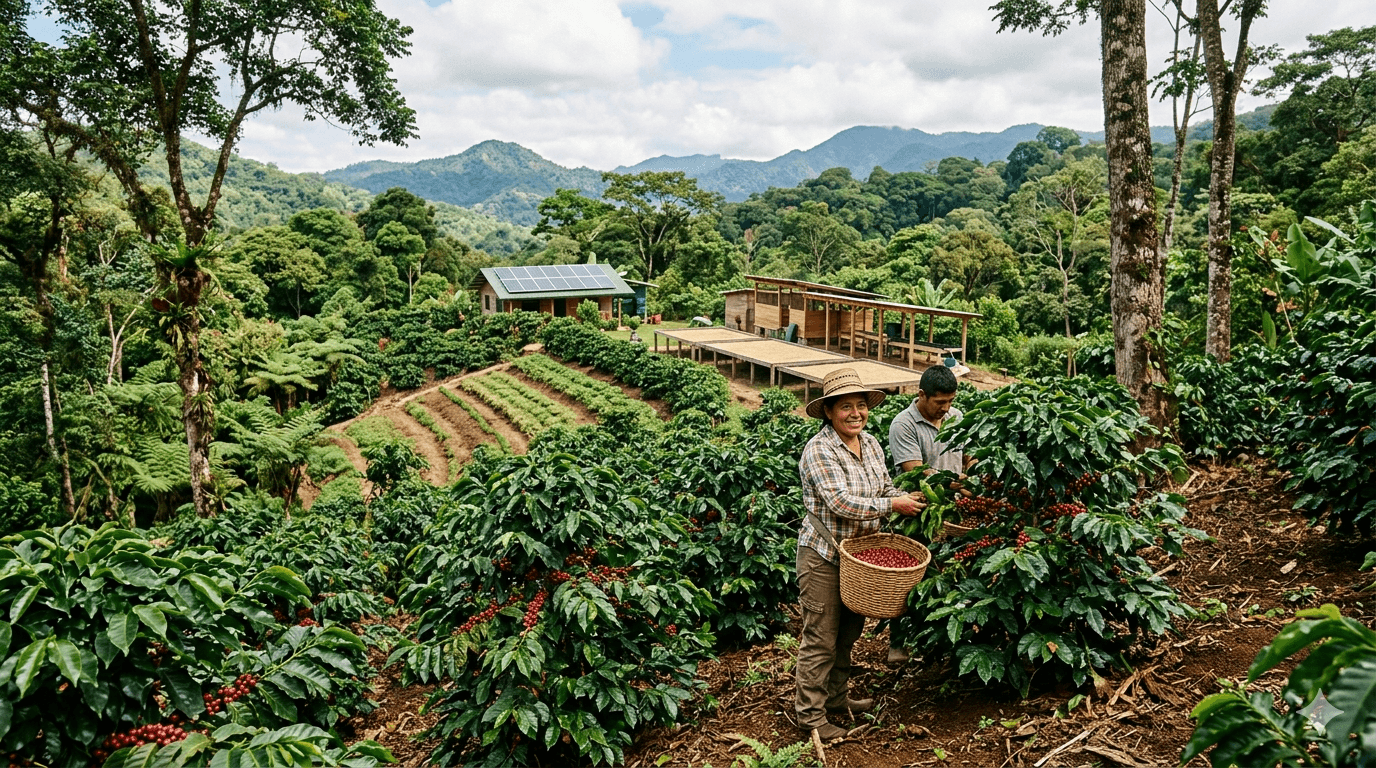
Why is supporting carbon-neutral coffee farms essential for the future of South Indian filter coffee?
The global coffee industry is at a crossroads where the demand for high-quality beans often clashes with environmental preservation. For enthusiasts of South Indian filter coffee, this conversation is particularly vital. Supporting carbon-neutral coffee farms is not just an ethical choice; it is a commitment to preserving the unique microclimates of the Western Ghats—the birthplace of India's coffee heritage. When you choose coffee sourced from carbon-neutral estates, you are supporting farming practices that sequester more carbon than they emit. This involves polyculture, where coffee plants thrive under a canopy of indigenous trees, pepper vines, and fruit trees. For a brand like Coffee S10 Brews, this isn't a trend; it's a return to authentic South Indian craftsmanship. By prioritizing estates that maintain this ecological balance, we ensure that the "best South Indian filter coffee powder" remains available for generations, maintaining its signature profile of earthy, chocolatey notes that industrial monoculture simply cannot replicate.
How does shade-grown coffee in Chikmagalur contribute to a lower carbon footprint?
Chikmagalur and Coorg are the heartlands of Indian coffee, famous for their "shade-grown" cultivation methods. Unlike the sun-scorched plantations found in Brazil or Vietnam, traditional Indian coffee farms function as man-made forests. These farms act as massive carbon sinks. The diverse canopy of Silver Oak, Jackfruit, and Rosewood trees provides a natural habitat for migratory birds and helps regulate soil temperature, reducing the need for chemical fertilizers and intensive irrigation. This traditional method is the "cure" to the "pain" of mass-produced, environmentally taxing coffee. When you ask, "why does South Indian coffee taste stronger and more complex?" the answer lies in this slow-ripening process. Coffee S10 Brews leverages these shade-grown beans to ensure that every cup of decoction carries the richness of the forest. By supporting these carbon-neutral practices, consumers directly fund the maintenance of this biodiversity, ensuring that the water tables remain high and the soil remains fertile without the heavy carbon toll of industrial farming.
What are the 80 20 coffee chicory blend benefits for both the palate and the planet?
The debate over chicory is central to South Indian coffee culture. Many modern consumers ask, "is chicory bad or necessary?" In the context of an authentic 80:20 blend, chicory is a masterstroke of both flavor and sustainability. Chicory root is a hardy, drought-resistant plant that requires significantly fewer resources to grow than coffee. By blending high-quality Arabica and Robusta with 20% premium chicory, Coffee S10 Brews creates a product that reduces the overall environmental footprint per cup. But the benefits aren't just ecological. The 80 20 coffee chicory blend benefits include an enhanced "viscosity" or body in the decoction, a lingering sweetness, and a deep, sunset-orange crema that 100% coffee struggle to achieve in a traditional drip filter. This ratio allows for a thick, syrupy decoction that stands up to the richness of whole milk and jaggery, providing that "hotel-style" coffee experience at home while promoting a more resource-efficient agricultural model.
How to brew authentic filter coffee at home using carbon-neutral practices?
Brewing the perfect cup of South Indian filter coffee is a ritual of patience. To align your morning routine with sustainability, start with the equipment. The traditional stainless steel "dabara" and "filter" are lifetime investments, unlike plastic-heavy pod machines that contribute to landfill waste. To brew, add 2-3 tablespoons of Coffee S10 Brews' fine-ground powder to the upper chamber. Gently press the "umbrella" or plunger to settle the grounds. Use water just off the boil—around 92°C—and pour it slowly. The secret to "why doesn't my filter coffee taste like hotel coffee?" is often the "first decoction." Let it drip for 15-20 minutes. This slow extraction uses no electricity and relies on gravity, making it one of the most carbon-efficient brewing methods available. By using a precisely ground 80:20 blend, you ensure maximum extraction from every gram of coffee, minimizing waste while maximizing the sensory descriptors of malt, caramel, and dark cocoa.
Why does South Indian coffee taste stronger and more consistent than Western drip coffee?
The perceived "strength" of South Indian filter coffee comes from a combination of the bean variety (a blend of Arabica for aroma and Robusta for body) and the unique grind size. While Western coffee often focuses on light roasts and coarse grinds for clarity, South Indian tradition demands a medium-dark roast and a fine-to-medium grind. This increases the surface area for extraction, resulting in a decoction that is highly concentrated. Coffee S10 Brews emphasizes "freshness and consistency" by using controlled roasting cycles that prevent the beans from charring—a common issue in local markets that leads to a "burnt" taste. Instead, our process highlights the natural oils, creating a mouthfeel that is velvety rather than watery. This consistency is why home-brewed coffee with S10 Brews can rival any high-end South Indian establishment. It bridges the gap between the unpredictability of loose market powder and the sterile nature of instant coffee.
Comparing Coffee Experiences: Sustainability, Flavor, and Tradition
To understand why choosing a brand focused on carbon-neutral sourcing and traditional blending matters, it is helpful to compare the different paths a consumer can take for their morning caffeine fix.
| Feature Coffee S10 Brews (80:20 Blend) Standard Industrial Instant Coffee High-Street "Hotel-Style" Coffee | |||
| Sourcing & Carbon Footprint | Single-origin, shade-grown, carbon-neutral estates. | Mass-market monocultures; high industrial processing. | Varies; often prioritized for cost over sustainability. |
| Ingredients | Premium Arabica, Robusta, and high-grade Chicory. | Spray-dried or freeze-dried coffee solids; additives. | Usually an 80:20 or 70:30 coffee-chicory blend. |
| Flavor & Body | Heavy-bodied, nutty, chocolatey, thick decoction. | Thin, acidic, lacks aroma and crema. | Rich and creamy, but often over-sweetened. |
| Brewing Effort | Traditional 15-minute drip (Low energy use). | Instant (High energy in manufacturing). | Zero (But requires travel/takeaway waste). |
| Value | Premium quality with artisanal craftsmanship. | Cheap, but lacks nutritional and sensory depth. | Expensive per cup; lacks "home-brewed" freshness. |
Why "small-batch roasting" is the secret to both freshness and environmental responsibility?
In the world of coffee, oxygen is the enemy. Large-scale industrial roasters often produce massive quantities of coffee that sit in warehouses for months, losing their volatile aromatic compounds. This leads to a flat, uninspiring cup. Coffee S10 Brews adopts a small-batch roasting philosophy. This "Brewing Intelligence" ensures that the beans are roasted to order, maintaining the integrity of the 80:20 blend’s aroma. From an environmental perspective, small-batch roasting allows for more precise energy control and less waste. It means we don't overproduce, and our carbon-neutral mission is supported by a lean supply chain. When you open a packet of S10 Brews, the immediate "bloom" of aroma—that intoxicating scent of roasted nuts and earthy chicory—is a testament to this micro-roasting approach. It ensures that the consumer receives the product at its peak "degassing" stage, which is crucial for creating that perfect, frothy "degree coffee" at home.
How can modern coffee consumers bridge the gap between convenience and traditional craftsmanship?
The modern consumer is often pressed for time, leading many to settle for the "pain" of instant coffee. However, the transition to traditional South Indian filter coffee doesn't have to be a burden. Modern accessibility is a core pillar of Coffee S10 Brews. We provide clear, step-by-step brewing guides that demystify the stainless steel filter. By understanding variables like "decoction density" and "milk-to-decoction ratios," users can integrate this 15-minute ritual into their morning routine with ease. It’s about "slow living"—taking ten minutes to let the coffee drip while you prepare for the day. This shift from "instant" to "authentic" is a form of advocacy for carbon-neutral coffee farms. It tells the industry that consumers value the time, effort, and environmental stewardship required to produce a superior product. Explore our brewing resources to learn how to master the "frothing" technique using a dabara, which aerates the coffee and enhances the sensory experience without the need for electric milk frothers.
Why is the "crema" in South Indian filter coffee different from espresso?
In the espresso world, crema is the golden-brown foam formed by CO2 bubbles under high pressure. In South Indian filter coffee, the "crema" or "froth" is achieved manually through the act of "pouring." When you pour the coffee and milk mixture from a height between the tumbler and dabara, you are aerating the liquid. The presence of chicory in our 80:20 blend plays a vital role here; chicory increases the surface tension of the decoction, allowing for a more stable, long-lasting foam. This is a hallmark of "authentic South Indian craftsmanship." This foam isn't just for aesthetics—it traps the volatile aromas of the Chikmagalur beans, releasing them only as you take your first sip. This manual aeration is a zero-carbon way to enhance the texture of your coffee, proving that traditional techniques often hold the most sustainable solutions for modern cravings.
How to identify the best South Indian filter coffee powder for a carbon-neutral kitchen?
When searching for the "best South Indian filter coffee powder," look beyond the packaging. Check for mentions of estate-sourcing and roast dates. A truly premium brand will be transparent about its coffee-to-chicory ratio. Coffee S10 Brews takes pride in our signature 80:20 blend because it represents the perfect equilibrium between the acidity of Arabica, the strength of Robusta, and the body of chicory. Furthermore, look for brands that discuss their relationship with growers. Supporting carbon-neutral farms means ensuring the farmers are paid fairly to maintain those eco-friendly practices. Avoid powders that feel "dusty" or lack a distinct oily sheen on the grounds; these are signs of old, over-processed beans. Freshly ground coffee from S10 Brews will have a slightly gritty texture, optimized for the gravity-drip method, ensuring that no "mud" ends up in your cup, only pure, concentrated flavor.
Frequently Asked Questions: Mastering the sustainable South Indian coffee ritual
1. Why is chicory used in South Indian coffee?
Chicory is used to add thickness (body), a deep color, and a subtle woody sweetness to the decoction. It also helps the coffee stay "hot" longer and allows for a better froth. In an 80:20 blend, it complements rather than overpowers the coffee's natural notes.
2. Is your coffee powder suitable for electric drip makers?
While designed for the traditional stainless steel filter, Coffee S10 Brews' medium-fine grind works exceptionally well in electric drip machines and Cold Brew preparations, though the "decoction" will be slightly less concentrated than the manual method.
3. How should I store my filter coffee powder to keep it fresh?
To maintain the "freshness and consistency" of our roast, store the powder in an airtight container in a cool, dark place. Avoid refrigeration, as coffee can absorb odors from other food items. Always use a dry spoon to prevent moisture from entering the bag.
4. What is the difference between the first and second decoction?
The first decoction is the thick, potent liquid that drips through in the first 15 minutes. It contains the most flavor and caffeine. The second decoction (made by adding more water to the same grounds) is thinner and usually used to adjust the strength or for those who prefer a lighter cup.
5. Are the farms you source from really carbon-neutral?
Yes, we prioritize estates in the Western Ghats that utilize shade-grown polyculture. These farms maintain a natural balance that sequesters carbon effectively, making them far more sustainable than standard industrial plantations.
6. Why does my home-brewed coffee taste bitter?
Bitterness usually comes from using boiling water (which "burns" the grounds) or leaving the decoction on the heat for too long. Always use water at approximately 92°C and mix your decoction with hot milk immediately for the best flavor profile.
7. How do I get that perfect "froth" at home?
The secret is the "two-cup" stretch. Pour the coffee and milk mixture back and forth between your tumbler and dabara from a height. This cools the coffee to the perfect drinking temperature and creates a thick, luxurious foam thanks to our 80:20 chicory ratio.
Ready to transform your morning ritual? Discover the depth of authentic South Indian craftsmanship with Coffee S10 Brews. Explore our signature blends and master the art of the perfect decoction. Shop our premium 80:20 blends or visit our Brewing Education Hub to learn more about our commitment to carbon-neutral coffee farming.