How to Use "Agitation" to Increase Extraction in Low-Temp Brews
Unlock hidden depths! Learn how agitation boosts extraction in low-temp brews for richer, authentic South Indian filter coffee. Brew perfection with Coffee S10.
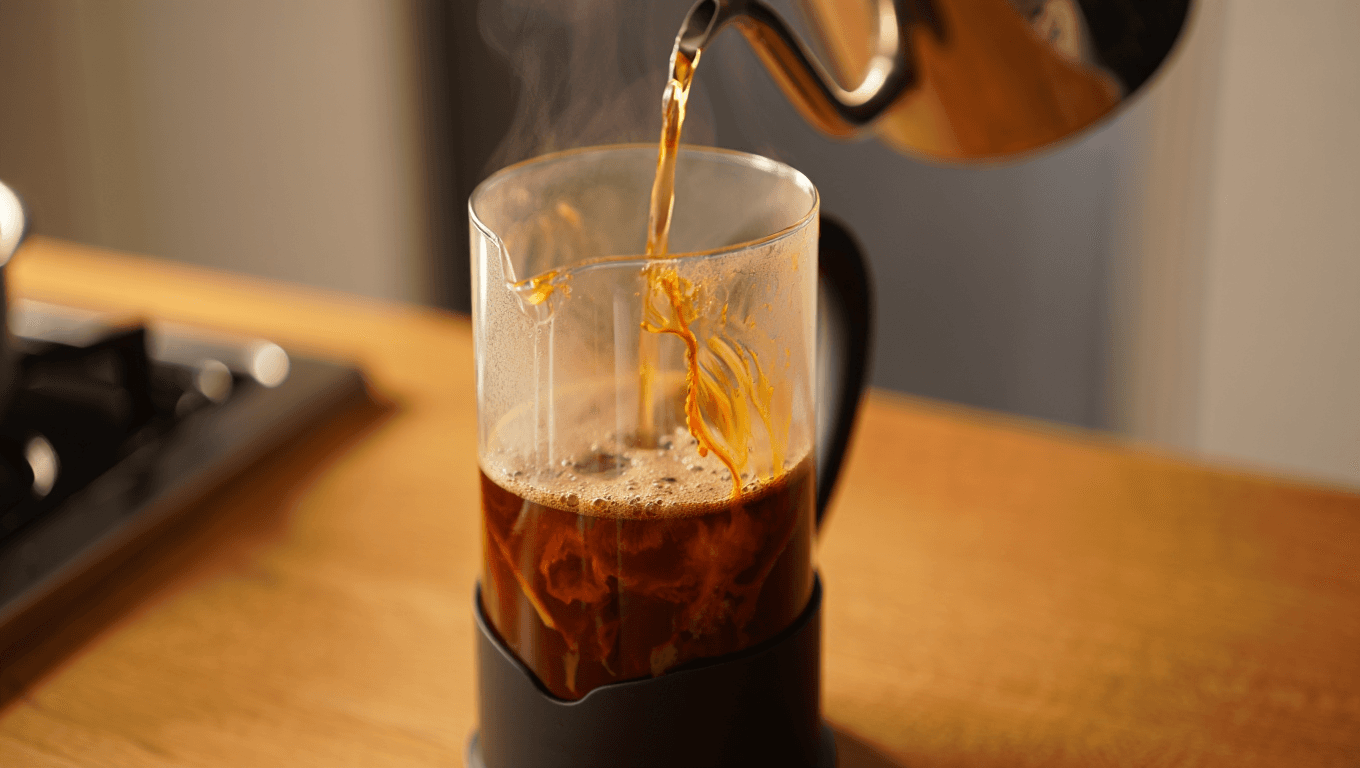
What is agitation in coffee brewing and why does it matter for South Indian filter coffee?
In the world of specialty coffee, agitation refers to any process that moves or disturbs the coffee grounds during the brewing cycle. While often discussed in the context of pour-overs or French presses, agitation is the "secret sauce" that defines the soul of traditional South Indian filter coffee. When brewing a decoction, the goal is to extract the maximum amount of solubles—flavor, oils, and caffeine—into a concentrated liquid. Without proper agitation, water can create "channels" through the coffee bed, leaving some grounds dry and others over-extracted. For those seeking the best South Indian filter coffee powder experience, understanding how to move water through the grounds is as critical as the quality of the beans themselves. Coffee S10 Brews emphasizes this mechanical harmony, ensuring our 80:20 blends are ground to a specific texture that responds perfectly to controlled agitation, resulting in a thick, syrupy decoction every time.
How does agitation solve the problem of under-extraction in low-temperature brewing?
Temperature is a primary driver of extraction; hotter water dissolves coffee solids faster. however, many home brewers struggle with maintaining high temperatures throughout the slow-drip process of a South Indian metal filter. If your water temperature drops below the optimal 90-96°C range, extraction slows down significantly, often leading to a weak, sour decoction. This is where agitation becomes a vital tool. By introducing mechanical energy—either through a gentle stir of the bloom or the targeted pouring of water—you compensate for the lack of thermal energy. Agitation increases the kinetic energy within the filter, forcing the water to interact with more surface area of the coffee grounds. For a blend like the Coffee S10 Brews signature 80:20, this technique ensures that the chicory releases its rich color and the Arabica-Robusta beans release their deep aromatics, even if your equipment loses a few degrees of heat during the process.
Why is the 80:20 coffee-chicory blend the gold standard for high-extraction brewing?
The 80:20 ratio—consisting of 80% premium roasted coffee and 20% high-quality chicory—is not just a matter of tradition; it is a matter of science. Chicory is more soluble than coffee and acts as a natural "thickener." When you apply agitation techniques to an 80:20 blend, the chicory helps create a viscous environment that slows the water's descent, allowing for a longer contact time with the coffee particles. This synergy results in a decoction that has more body and a lingering aftertaste compared to 100% coffee. Coffee S10 Brews sources only the finest chicory to complement our handpicked beans, ensuring that the 20% addition enhances the cup’s "mouthfeel" without introducing the harsh bitterness often found in lower-grade commercial blends. Understanding 80 20 coffee chicory blend benefits is the first step toward moving away from thin, watery brews toward a professional, hotel-style experience.
How to brew authentic filter coffee at home using the agitation technique?
To master how to brew authentic filter coffee at home, you must treat the "bloom" phase with reverence. Start by placing your Coffee S10 Brews powder in the upper chamber of the filter. Add just enough hot water (roughly double the weight of the coffee) to saturate the grounds. Here is where agitation counts: use a small spoon to gently stir the slurry for five seconds. This ensures no dry pockets remain. After letting it bloom for 30 seconds, add the remaining water in a slow, circular motion. This circular pour is a form of agitation that keeps the coffee bed level and prevents "doming." By the time the decoction drips into the lower chamber, it will be dense, aromatic, and packed with the complex flavors of small-batch roasting. This hands-on approach transforms a simple morning routine into a meditative ritual of South Indian craftsmanship.
Why doesn’t my filter coffee taste like hotel coffee and how does agitation help?
The most common complaint from home brewers is that their coffee lacks the "punch" and "froth" of a traditional Kumbakonam or degree coffee found in high-end South Indian eateries. The difference usually lies in two factors: the decoction strength and the final aeration. Hotels often use a high degree of agitation during the mixing phase—the famous "yard-long coffee" pour. By pouring the mixture of decoction, milk, and sugar from a height between two containers (the Davara and Tumbler), they introduce air. This agitation aerates the milk and creates a micro-foam that holds the coffee's aroma. Furthermore, using a premium blend like Coffee S10 Brews provides the necessary oil content to stabilize that foam. If you aren't agitating your coffee during the final mix, you are missing out on the sensory texture that defines the authentic experience.
What are the primary differences between various coffee compositions?
To understand why specific brewing techniques are required, one must understand the material being brewed. Below is a comparison of common coffee types found in Indian households.
| Feature 100% Pure Coffee 80:20 Coffee-Chicory Blend Instant Coffee | |||
| Extraction Requirement | High Heat, Precise Grind | Moderate Heat, Managed Agitation | None (Pre-extracted) |
| Body & Viscosity | Light to Medium | Heavy and Syrupy | Thin |
| Aroma Profile | Acidity-forward, Floral | Caramel-like, Earthy, Bold | Flat, Processed |
| Best Brewing Method | Pour-over, Aeropress | Traditional South Indian Filter | Stir in Hot Milk/Water |
Does agitation change the sensory profile of a South Indian coffee-chicory blend?
Yes, agitation directly influences the "TDS" (Total Dissolved Solids) of your cup. In an 80:20 blend, over-agitation can sometimes lead to excessive bitterness if the water temperature is too high, as it extracts more of the heavier tannins from the chicory. However, when brewing at slightly lower temperatures, controlled agitation is the only way to unlock the chocolatey and nutty notes of the coffee beans. Coffee S10 Brews focuses on a consistent grind size that is specifically calibrated for this balance. When you agitate our grounds, you are releasing a curated flavor profile designed to withstand the addition of heavy milk and sugar without losing its "coffee identity." The result is a cup with a high crema-like foam on top and a deep, mahogany color that signals a perfect extraction.
What is the best South Indian filter coffee powder for high-extraction brewing?
The best South Indian filter coffee powder is one that balances freshness, roast profile, and the purity of its chicory source. Coffee S10 Brews has positioned itself as a leader by focusing on small-batch roasting. Unlike mass-produced brands that sit on supermarket shelves for months, our coffee is roasted in controlled cycles to ensure the volatile oils remain intact. These oils are essential for a successful brew because they interact with agitation to create the "decoction head"—the light-colored foam at the top of a fresh extract. By bridging the gap between traditional techniques and modern quality control, we provide a product that is both accessible to the novice and respected by the connoisseur.
How does home-brewed coffee compare to professional hotel-style coffee?
Understanding the gap between home and professional results can help you refine your technique. The table below highlights the key variables.
| Variable Hotel-Style (Professional) Home-Brewed (Standard) The Coffee S10 Brews Standard | |||
| Powder Quality | High-Chicory, Commercial Grade | Variable/Store-bought | Premium 80:20, Small-Batch |
| Decoction Time | 4-6 Hours (Slow Drip) | 15-30 Minutes (Rushed) | Optimal 20-30 Minute Slow Drip |
| Agitation Method | Professional "Long Pour" Aeration | Simple Stirring | Guided Aeration Techniques |
| Milk Type | Full-Cream, High Solids | Toned or Low-fat | Recommended Full-Cream for Body |
Managing grind size and agitation for the perfect decoction.
Grind size is the silent partner of agitation. If your coffee is ground too fine (like espresso), agitation will cause the filter to clog, leading to a "stalled brew" where the water cannot pass through. If the grind is too coarse, water will rush through even with agitation, resulting in a weak, under-extracted mess. Coffee S10 Brews uses a "medium-fine" grit, similar to table salt, which is the sweet spot for the South Indian gravity filter. This specific texture allows the agitation of the initial pour to move the grounds enough to ensure saturation, but maintains enough resistance to keep the water in contact with the coffee for the ideal duration. Exploring how grind size impacts decoction strength is a fundamental part of the brewing intelligence we share with our community.
The role of aeration: Why we pour coffee from a height.
The final act of agitation happens after the brewing is complete. In South Indian culture, the act of pouring coffee back and forth between the tumbler and davara is not just for show. This high-intensity agitation serves three purposes: it dissolves the sugar completely, it cools the coffee to a drinkable temperature, and most importantly, it aerates the liquid. Aeration breaks the surface tension of the milk fats, creating a velvety texture that coats the tongue. This allows your taste buds to better perceive the nuances of the Coffee S10 Brews blend. Without this final stage of agitation, even the best decoction can taste "flat." Embracing the froth is embracing the tradition.
Comparing Filter Coffee and Instant Coffee: Why extraction matters.
Many consumers turn to instant coffee for convenience, but they sacrifice the complexity that only agitation and slow extraction can provide. The following table illustrates why the effort of brewing authentic filter coffee is worthwhile.
| Criteria Traditional Filter Coffee Instant Coffee Powder | ||
| Flavor Depth | Complex (Caramel, Earthy, Spicy) | One-dimensional, often bitter |
| Caffeine Control | High (Adjustable via decoction) | Fixed, often lower per cup |
| Chemical Processing | Minimal (Roasted and Ground) | High (Freeze-dried or Spray-dried) |
| Authenticity | High Cultural Value | Low (Modern Convenience) |
Why chicory is used in South Indian coffee and how it responds to water.
The use of chicory began as an economic measure, but it evolved into a flavor preference that defines a region. Chicory is the roasted root of the Cichorium intybus plant. It is more hydrophilic (water-loving) than coffee beans. When you apply agitation during the brewing process, the chicory dissolves rapidly, providing the dark, "inky" appearance that South Indians look for in a good decoction. It also adds a woody, slightly nutty sweetness that tempers the intensity of the caffeine. By choosing a Coffee S10 Brews 80:20 blend, you are utilizing chicory as a functional ingredient that improves the extraction efficiency of the entire brew. It’s not an adulterant; it’s an enhancer that makes the agitation process more rewarding.
Is South Indian filter coffee stronger than espresso?
This is a common question in Reddit communities like r/IndiaCoffee. "Strength" in coffee can refer to caffeine content or perceived intensity. In terms of concentration, a pure South Indian decoction is remarkably close to an espresso. However, the brewing method is different. Espresso uses high pressure (9 bars) to force extraction in 30 seconds. Filter coffee uses gravity and time (15-30 minutes). Because of the longer contact time and the inclusion of Robusta beans in many traditional blends, South Indian filter coffee often has a higher caffeine kick than a standard espresso shot. When you use agitation to maximize extraction with Coffee S10 Brews, you are creating a potent concentrate that serves as the perfect base for a strong, milk-based beverage that can power your entire morning.
Frequently Asked Questions about Filter Coffee and Extraction
1. Why does my filter coffee taste sour?
Sourness is usually a sign of under-extraction. This happens if your water isn't hot enough or if you haven't used enough agitation during the bloom phase. Try stirring the grounds gently after the first pour of water to ensure even saturation.
2. Can I brew South Indian filter coffee without a traditional metal filter?
While the metal filter is traditional, you can use an Aeropress or a French Press with a Coffee S10 Brews 80:20 blend. You will need to adjust your agitation—stirring more vigorously in a French Press to mimic the decoction's strength.
3. How much coffee powder should I use for one cup?
For a strong decoction, use 2-3 tablespoons of Coffee S10 Brews powder for every 100ml of water. This high coffee-to-water ratio ensures a thick concentrate that doesn't get diluted when milk is added.
4. Is chicory bad for health?
No, chicory is a natural root and is often used as a caffeine-free coffee substitute. It contains inulin, a prebiotic fiber. In an 80:20 blend, it is primarily there for flavor and texture.
5. Why is the decoction not dripping through the filter?
This is likely a "stalled brew." It happens if the powder is pressed too firmly with the umbrella disc or if the grind is too fine. Use a lighter touch when leveling the powder and ensure you are using a medium-fine grind like the one provided by Coffee S10 Brews.
6. How long does a fresh decoction last?
For the best aroma and flavor, use the decoction within 1-2 hours. While it can be refrigerated for up to 24 hours, the volatile aromatics will degrade, and the coffee will lose its "fresh-roasted" soul.
7. What is the best milk to use for filter coffee?
Always use full-cream, high-fat milk. The fats in the milk bind with the coffee oils and chicory compounds, creating the creamy mouthfeel that defines the South Indian experience.
Experience the Craft of Coffee S10 Brews
Mastering the art of agitation and extraction is a journey that begins with the right ingredients. At Coffee S10 Brews, we provide more than just coffee powder; we provide the foundation for a ritual that has been perfected over generations. Whether you are looking for the deep, reliable notes of our signature 80:20 blend or seeking to refine your brewing intelligence with our expert guides, we are here to ensure your morning cup is nothing short of extraordinary. Explore our range of handpicked, small-batch roasted coffees and discover why we are the trusted choice for authentic South Indian filter coffee enthusiasts. Discover brewing guides and premium blends at Coffee S10 Brews today.