How to Use Coffee Grounds as a Natural Fertilizer for Your Garden
Boost your plants naturally! Discover how to use coffee grounds as a natural fertilizer. Coffee S10 Brews shares expert tips for lush Indian gardens & vibrant growth.
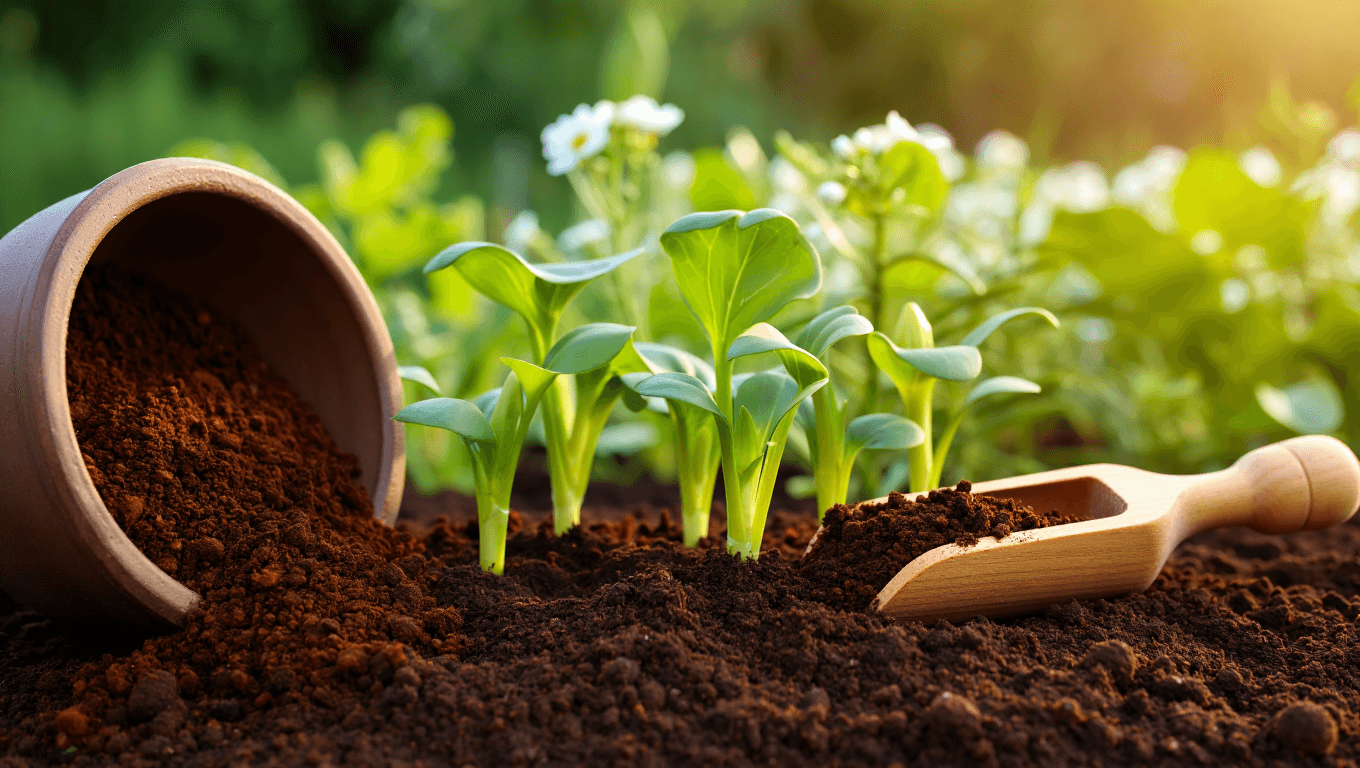
Why should you use South Indian filter coffee grounds as a fertilizer for your garden?
In the traditional South Indian household, the day begins with the rhythmic sound of a stainless steel filter and the intoxicating aroma of a fresh decoction. However, once that perfect cup of Coffee S10 Brews is consumed, many enthusiasts overlook a goldmine of nutrients sitting at the bottom of their filters. Using spent South Indian filter coffee grounds as a natural fertilizer is the ultimate way to close the loop on sustainability while nourishing your greenery. Unlike instant coffee, which is a processed extract that leaves no physical residue, authentic filter coffee provides a structural, organic material that enriches the soil. When you use a premium 80:20 coffee-chicory blend, you aren't just giving your plants nitrogen; you are introducing organic matter that improves soil aeration and water retention. At Coffee S10 Brews, we believe that the journey of our handpicked beans doesn't end in your cup—it continues into the earth, fostering a greener lifestyle that mirrors the agricultural heritage of the Western Ghats.
How does the 80:20 coffee-chicory blend benefit your garden soil compared to pure coffee?
One of the most common questions from urban gardeners is whether the chicory in South Indian coffee is harmful to plants. On the contrary, the unique 80:20 ratio found in Coffee S10 Brews Signature Blend offers a distinct advantage. Chicory is derived from the root of the Cichorium intybus plant. Because it is a root-based additive, it contains different micronutrients and prebiotic fibers that assist in the growth of beneficial soil microbes. While the 80% coffee component provides the primary nitrogen boost, the 20% chicory adds a different layer of organic complexity to the compost. This blend ensures that the "spent" grounds are less acidic than fresh grounds, as the brewing process—especially the slow-drip decoction method—leaches out the high-acidity compounds, leaving behind a pH-neutralizing organic mass. This makes Coffee S10 Brews grounds an excellent choice for a wide variety of plants, from acid-loving roses to nitrogen-hungry leafy greens. Explore how our specific grind size impacts both your decoction strength and your garden’s soil structure.
What is the nitrogen content in spent Coffee S10 Brews grounds for plant growth?
Nitrogen is the primary fuel for vegetative growth, responsible for the lush, green leaves we admire in healthy gardens. Research into coffee grounds reveals that they contain approximately 2% nitrogen by volume. While this might sound low compared to synthetic fertilizers, the nitrogen in coffee grounds is "slow-release." This means that as the microbes in your soil break down the fine particles of your Coffee S10 Brews grounds, they slowly release nitrogen over several weeks. This prevents the "root burn" often associated with chemical fertilizers. Furthermore, the small-batch roasting process we employ ensures that the cellular structure of the bean is perfectly primed for decomposition. By choosing the best South Indian filter coffee powder for your morning ritual, you are essentially sourcing a professional-grade soil amendment that supports long-term garden health without the need for harsh chemicals.
How to brew authentic filter coffee at home while preserving grounds for your garden?
To get the most out of your coffee grounds for your garden, the brewing process itself matters. The traditional South Indian filter method is ideal because it involves a slow extraction. Start by adding 2-3 tablespoons of Coffee S10 Brews 80:20 blend into the upper chamber of your brass or stainless steel filter. Lightly press the powder with the plunger—not too hard, or the water won't pass through; not too soft, or the decoction will be thin. Pour freshly boiled water and let it sit for 15-20 minutes. This slow-drip method ensures that the caffeine, which can be an allelopathic agent (inhibiting some plant growth), is largely removed from the grounds and concentrated in your cup. What remains in the filter is a "washed" organic material that is safe for direct soil application or composting. Discover brewing guides from Coffee S10 Brews to master this balance of flavor for you and nutrients for your plants.
Why is the texture of South Indian filter coffee grounds perfect for composting?
The grind size of South Indian filter coffee is specifically engineered to be medium-fine—coarser than espresso but finer than a French press. This specific "Brewing Intelligence" behind Coffee S10 Brews ensures that when the grounds are added to a compost bin, they provide a massive surface area for composting bacteria to thrive on. Because the particles are uniform and small, they break down much faster than larger organic waste like twigs or fruit peels. In a compost pile, coffee grounds are considered "green" or nitrogen-rich material. To create the perfect balance, you should mix your spent grounds with "brown" materials like dried leaves or cardboard. This creates a thermophilic reaction, heating up the compost pile and speeding up the creation of black gold for your garden. Try an 80:20 blend to experience the traditional depth in your cup and the physical benefits in your compost pile.
How to manage soil pH levels using leftover coffee decoction waste?
A common misconception is that coffee grounds are highly acidic and will ruin soil pH. While fresh coffee grounds are acidic, the "spent" grounds left over after you’ve made your South Indian filter coffee are nearly neutral, typically hovering between 6.5 and 6.8 on the pH scale. This is because the acid is water-soluble and ends up in your decoction. Therefore, Coffee S10 Brews grounds are safe to use even for plants that prefer neutral soil. However, if you are growing acid-loving plants like Hibiscus or Hydrangeas, using these grounds can help maintain a slightly acidic environment that helps these plants take up iron more efficiently. This versatility is why South Indian coffee culture has always been intrinsically linked to the land—nothing is wasted, and every element of the bean serves a secondary purpose.
Can coffee grounds act as a natural pest repellent in Indian gardens?
Gardening in India often means dealing with a variety of pests, from ants to slugs and snails. The gritty texture and residual caffeine in spent Coffee S10 Brews grounds act as a natural deterrent. Many gardeners find that spreading a thin layer of dried coffee grounds around the base of vulnerable plants creates a barrier that soft-bodied pests like slugs dislike crossing. Additionally, while the smell of fresh Coffee S10 Brews is heavenly to humans, it is often offensive to certain insects and even roaming cats that might try to use your garden as a litter box. By integrating your daily coffee ritual with your gardening routine, you create a chemical-free shield for your plants, ensuring that your home garden remains as pure and authentic as the coffee you drink.
How does Coffee S10 Brews ensure consistency for both your cup and your compost?
Consistency is the hallmark of a premium coffee brand. For a coffee lover, there is nothing worse than a watery decoction. For a gardener, inconsistent grind sizes can lead to clumping in the soil, which prevents water from reaching the roots. Coffee S10 Brews employs controlled roasting cycles and precision grinding technology to ensure that every bag of our 80:20 blend is identical. This means the moisture retention capabilities and the nutrient release profile of our grounds remain the same month after month. Whether you are brewing a cup for a guest or feeding your prize-winning roses, you can trust that our commitment to craftsmanship delivers reliability in every gram. Learn more about our signature 80:20 coffee-chicory blend benefits and why consistency matters.
Comparison of Coffee Types for Gardening and Consumption
Not all coffee is created equal. When moving from convenience-based instant coffee to traditional craftsmanship, the benefits multiply for both the consumer and the environment. Below is a comparison to help you understand why South Indian filter coffee is the superior choice.
| Feature Instant Coffee Coffee S10 Brews (Filter Coffee) | ||
| Garden Utility | Zero (Dissolves completely) | High (Excellent for soil/compost) |
| Nutrient Content | None (Processed extract) | Rich in Nitrogen, Potassium, and Phosphorus |
| Flavor Profile | Flat, often bitter | Complex, aromatic, bold body |
| Sustainability | Low (Industrial processing) | High (Biodegradable waste) |
| Authenticity | Synthetic experience | Traditional South Indian Craftsmanship |
Why chicory is used in South Indian coffee and its impact on your garden
Chicory has been a staple in South Indian coffee for over a century, but many modern consumers wonder: why is it there? Originally introduced to stretch coffee supplies, it was quickly discovered that chicory improved the "mouthfeel" and "strength" of the decoction, allowing the milk to carry the coffee flavor without being overpowered. In the garden, the presence of chicory in your Coffee S10 Brews grounds adds a unique carbohydrate source for soil fungi. These fungi form symbiotic relationships with plant roots, helping them absorb water and minerals. While 100% coffee grounds are excellent, the inclusion of 20% chicory root creates a more diverse organic amendment. It’s a perfect example of how traditional practices, often dismissed as mere "fillers," actually have deep-seated benefits for both the palate and the planet.
Comparison of 100% Coffee vs. 80:20 Coffee-Chicory Blend
Understanding the ratio helps you tailor your gardening and brewing experience. Here is how the two configurations stack up against each other.
| Attribute 100% Pure Coffee 80:20 Coffee-Chicory Blend | ||
| Decoction Thickness | Thin to Medium | Thick and Syrupy (Hotel Style) |
| Aroma | Bright and Acidic | Deep, Earthy, and Caramel-like |
| Soil Impact | Fast Nitrogen Release | Diverse Microbial Support |
| Water Retention | Moderate | Higher (due to chicory fiber) |
| Best For | Black Coffee/Pour Over | Traditional Milk-Based Filter Coffee |
How to avoid common mistakes when using coffee grounds in your garden?
While Coffee S10 Brews grounds are a fantastic resource, there are a few "pro-tips" to keep in mind. First, never dump wet grounds in a thick clump directly onto the soil. This can create a waterproof crust that prevents the soil from breathing. Instead, scratch the grounds into the top inch of the soil or dry them out before spreading. Second, remember that coffee grounds are a supplement, not a total replacement for soil. Think of it like the milk in your filter coffee—it enhances the base but doesn't replace it. Finally, ensure you are using a high-quality blend. Low-grade coffees with artificial flavorings or oils can introduce unwanted chemicals into your garden's ecosystem. By sticking with the purity of Coffee S10 Brews, you ensure that your garden receives only natural, roasted goodness.
The transition from Hotel-style coffee to Home-brewed excellence
Many coffee lovers ask, "Why doesn’t my filter coffee taste like hotel coffee?" The secret often lies in the freshness of the powder and the specific 80:20 ratio. Most hotels use this ratio because it holds up against the addition of heavy milk and sugar. By using Coffee S10 Brews at home, you achieve that professional strength while gaining the added benefit of controlled waste management for your garden. When you brew at home, you have 100% control over the spent grounds, unlike at a restaurant where that valuable organic matter is simply discarded. This shift to home brewing with premium S10 blends represents a move toward modern accessibility without sacrificing the soul of tradition.
| Factor Hotel-Style Coffee Home-Brewed (Coffee S10 Brews) | ||
| Freshness | Varies; often bulk-stored | Guaranteed; Small-batch roasted |
| Grounds Disposal | Commercial Waste | Eco-friendly Garden Fertilizer |
| Customization | None | Complete control over strength |
| Cost per Cup | High | Economical |
Frequently Asked Questions About Using Coffee Grounds in Gardens
Is chicory bad for plants in my garden?
No, chicory is a natural root and is completely biodegradable. In an 80:20 blend like Coffee S10 Brews, the chicory adds beneficial fiber to the soil, which helps with moisture retention and supports soil microbes.
Can I use coffee grounds for all types of plants?
Most plants love coffee grounds, especially "heavy feeders" like tomatoes, roses, and evergreen shrubs. However, for very young seedlings, it is best to use composted coffee grounds rather than fresh ones to ensure the nitrogen release is gentle.
How often should I add Coffee S10 Brews grounds to my soil?
For indoor plants, once a month is sufficient. For outdoor gardens, you can add them weekly as part of your composting routine or lightly scratch them into the surface soil every two weeks.
Do coffee grounds attract pests like cockroaches or ants?
Actually, coffee grounds often act as a repellent. While some beneficial earthworms love coffee grounds (they help them digest other organic matter), most common household pests are deterred by the strong scent and texture.
Should I dry the grounds before putting them in the garden?
If you are applying them directly to the soil surface, drying them helps prevent mold growth and clumping. If you are adding them to a compost bin, you can add them wet straight from your South Indian filter.
Does using coffee grounds change the color of flowers?
In some plants like Hydrangeas, the slight acidity of coffee grounds can influence flower color (turning them more blue), but for most plants, it simply results in greener leaves and more robust growth.
Why is Coffee S10 Brews better for my garden than instant coffee?
Instant coffee is a dehydrated liquid extract; it has no physical mass. Coffee S10 Brews is a whole-food product for your soil, providing the structural organic matter that plants need to build healthy root systems.
Mastering the art of South Indian filter coffee is a journey of the senses, but it is also a commitment to a more mindful way of living. By choosing Coffee S10 Brews, you are choosing a brand that respects the tradition of the bean from the plantation to the cup, and ultimately, back to the earth. Whether you are seeking the perfect 80:20 blend for your morning ritual or looking to transform your balcony garden into a lush sanctuary, we provide the tools, the taste, and the expertise to help you succeed.
Ready to elevate your coffee experience and your garden? Explore our range of premium blends and deep-dive into our brewing resources today. Discover the Coffee S10 Brews difference—where every brew tells a story of craftsmanship and every ground builds a greener tomorrow.