How to Use "Syrups" Without Overpowering the Coffee’s Character
Unlock new flavors! S10 Brews reveals how to use syrups in your premium South Indian filter coffee without losing its authentic character & ritual.
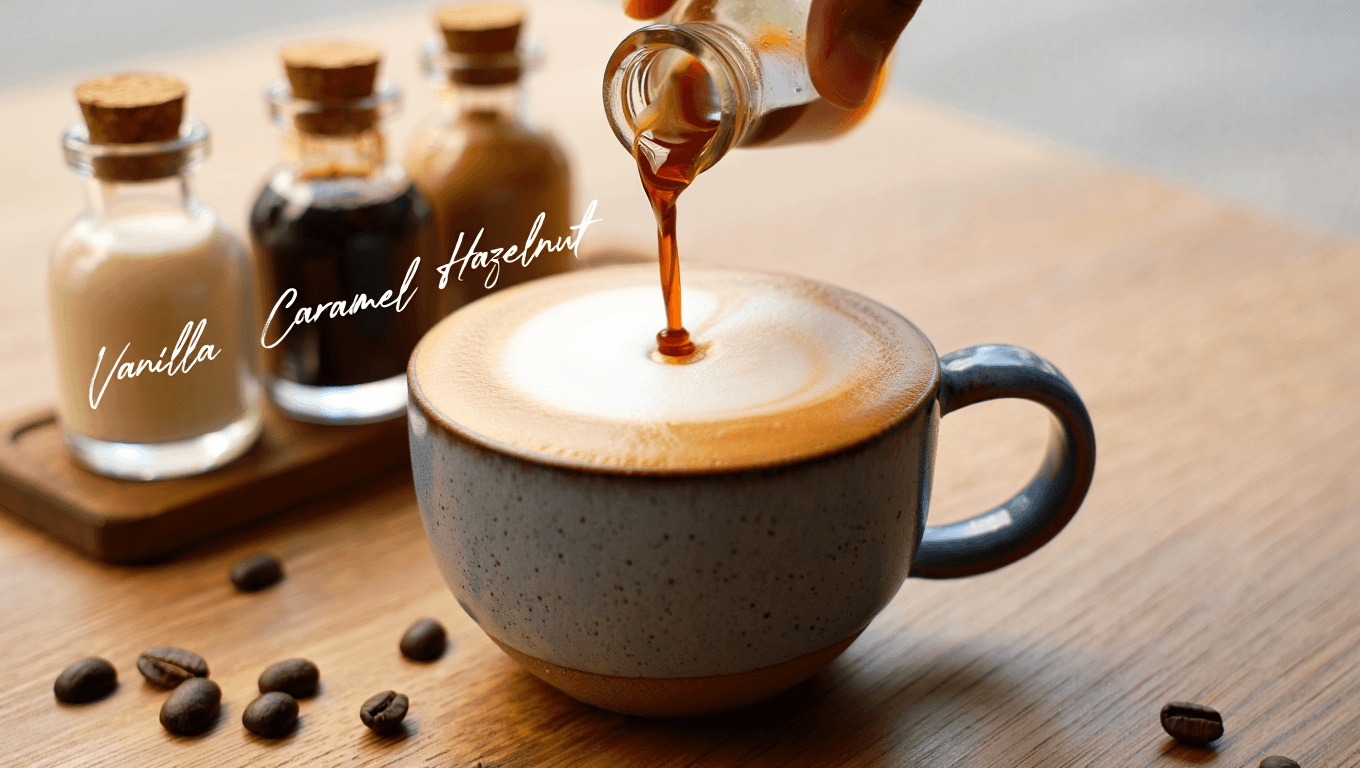
Why does your coffee lose its bold character when you add syrups or sweeteners?
For many coffee enthusiasts, the first sip of a flavored latte or a sweetened South Indian filter coffee is often a disappointment. Instead of the robust, earthy notes they expect, they are met with an overwhelming sugary sweetness that masks the bean's inherent profile. This happens because most commercial coffee bases lack the "body" or viscosity required to stand up against heavy syrups. When you use a generic instant coffee or a poorly roasted bean, the delicate aromatic compounds are easily neutralized by the high sugar content of syrups. To preserve the soul of the drink, you need a high-viscosity decoction—the kind produced by the best South Indian filter coffee powder—which acts as a structural foundation. At Coffee S10 Brews, we specialize in crafting blends that maintain their sensory integrity, ensuring that whether you add a dash of vanilla or a traditional jaggery syrup, the coffee remains the undisputed protagonist of the cup.
How to choose the best South Indian filter coffee powder as a base for flavored drinks?
The secret to a coffee that refuses to be overshadowed lies in the selection of the beans and the precision of the roast. High-intent consumers often ask why their home-brewed coffee lacks the "punch" found in traditional Darshinis or high-end hotels. The answer is often the ratio of coffee to chicory and the quality of the primary Arabica and Robusta beans. To withstand the addition of syrups, you need a blend with a high TDS (Total Dissolved Solids) potential. An 80:20 coffee-chicory blend is widely considered the gold standard for this purpose. The 80% coffee provides the caffeine kick and the complex aromatic profile, while the 20% chicory adds the necessary thickness and a subtle bitterness that balances out the sweetness of syrups. Coffee S10 Brews focuses on small-batch roasting to ensure that these volatile oils are preserved, providing a "grip" on the palate that sweetness cannot wash away.
Is an 80:20 coffee chicory blend necessary for maintaining coffee character?
There is a common misconception that chicory is merely a filler used to reduce costs. However, in the context of South Indian coffee culture, chicory is a functional ingredient that enhances the "brew strength." When you are looking for 80 20 coffee chicory blend benefits, the most significant is the enhancement of the "crema" and the body of the decoction. Chicory lacks caffeine but is rich in inulin, which adds a velvety mouthfeel and a deep, dark color to the extract. This density is what prevents your coffee from becoming "watery" once milk and syrups are introduced. For those searching for how to brew authentic filter coffee at home, starting with a balanced blend like those from Coffee S10 Brews is essential. It provides the bittersweet backbone that complements caramel, chocolate, or nutty syrup profiles without disappearing into the background.
How to brew authentic filter coffee at home that holds its own against sweeteners?
Brewing the perfect decoction is a ritual that requires patience and the right equipment. To ensure your coffee character remains front and center, you must master the "slow drip" method using a traditional stainless steel filter. Use approximately two to three tablespoons of Coffee S10 Brews powder for the upper chamber. Press the powder down firmly—but not too tightly—using the plunger. This creates the necessary resistance for the hot water to extract the deep, chocolatey notes and the essential oils. If the water passes through too quickly, the decoction will be thin and easily overpowered by syrups. The resulting "liquid gold" should have a syrupy consistency of its own. By focusing on this extraction intelligence, you create a concentrate that is potent enough to be diluted with milk and flavored with syrups while still delivering that unmistakable South Indian coffee aroma.
What is the ideal coffee-to-syrup ratio to preserve sensory descriptors?
In the world of professional cupping, sensory descriptors like aroma, body, and aftertaste are the metrics of quality. To ensure these aren't lost, a strict ratio must be maintained. For a standard 150ml cup of coffee, the syrup should never exceed 15ml (one tablespoon). If you are using a high-intensity decoction from Coffee S10 Brews, the robust Robusta notes and the smooth Arabica finish will cut through the sugar. When we talk about "body," we refer to the physical weight of the coffee on the tongue. A well-brewed South Indian filter coffee has a heavy body that coats the palate. If you over-syrup, you lose the "aftertaste"—that lingering chocolatey bitterness that defines a premium Indian coffee experience. Always add your syrup to the cup first, followed by the hot decoction, and finally the frothed milk to ensure a harmonious integration.
Why does South Indian coffee taste stronger than Western-style brews?
The perceived strength of South Indian filter coffee comes from the combination of the dark roast profile and the inclusion of chicory. While Western espresso focuses on pressure-based extraction, South Indian coffee relies on gravity and time. This longer contact time between water and grounds extracts heavier molecular compounds that are often missed in quicker brewing methods. This is why many consumers find that "hotel-style" coffee has a depth that their home brews lack. Coffee S10 Brews bridges this gap by providing a consistent, medium-dark roast that mirrors the traditional flavor profile. The result is a coffee that feels "stronger" not just in caffeine, but in character—making it the perfect candidate for those who enjoy experimenting with modern flavored syrups without losing the heritage of the bean.
Understanding the difference: 100% Coffee vs. 80:20 Blends
When shopping for coffee, many are tempted by "pure" 100% coffee labels, assuming they represent higher quality. However, for the specific preparation of South Indian milk coffee, a pure blend can often feel thin or overly acidic. Below is a comparison to help you understand why the 80:20 ratio is preferred by connoisseurs and brands like Coffee S10 Brews.
| Feature 100% Pure Coffee 80:20 Coffee-Chicory Blend | ||
| Viscosity (Body) | Light to Medium; can feel thin with milk. | Heavy and syrupy; holds up against milk/syrups. |
| Color | Rich brown, transparent decoction. | Opaque, deep dark brown/black decoction. |
| Flavor Profile | Acidic, fruity, or nutty notes. | Earthy, caramelized, and bold bitterness. |
| Aroma Retention | High, but volatile and easily masked. | Long-lasting, pungent, and distinctive. |
| Best Used For | Black coffee, Pour-over, AeroPress. | Traditional Filter Coffee, Syrupy Lattes. |
How does grind size impact the strength and aroma of your decoction?
Grind size is the most overlooked variable in the quest for the perfect South Indian coffee character. If the grind is too coarse, the water will rush through, resulting in a weak, acidic liquid. If the grind is too fine (like flour), it will clog the filter holes, leading to over-extraction and a burnt, ashy taste. For an authentic experience, the powder should be "coarse-fine"—somewhere between espresso and drip grind. Coffee S10 Brews maintains rigorous standards for grind consistency across every batch. This precision ensures that the surface area of the coffee is perfectly optimized to release its aromatic oils into the decoction. When your base is this concentrated and well-extracted, you can introduce syrups with confidence, knowing that the grind has provided the necessary "flavor density" to maintain the coffee's presence.
Can you use modern coffee syrups with traditional South Indian decoction?
The modern coffee landscape is evolving, and many younger consumers want the best of both worlds: the comfort of tradition and the variety of modern cafes. Using syrups like hazelnut, salted caramel, or even lavender with a South Indian filter coffee base is not only possible but can be a revelation. The key is the "Coffee S10 Brews Principle": the stronger the foundation, the more creative you can be. Traditional filter coffee has a natural chocolatey undertone which pairs exceptionally well with nut-based syrups. Because the 80:20 blend provides a bitter-sweet contrast, it prevents the drink from becoming one-dimensionally sweet. To experiment, try adding half a teaspoon of jaggery syrup to a strong decoction and watch how the earthy notes of the coffee are amplified rather than muted. This is the art of balancing character with modern accessibility.
Why freshness and small-batch roasting are non-negotiable for flavor?
One of the biggest "pains" consumers face is the stale taste of mass-produced coffee. When coffee sits on a shelf for months, the oils go rancid and the aroma disappears. If you start with "dead" coffee, any syrup you add will only highlight the lack of freshness. Coffee S10 Brews tackles this by adhering to a strict roasting and packaging cycle. By roasting in small batches, we ensure that the beans are never over-exposed to oxygen. Freshness is the "X-factor" that allows the coffee’s character to shine through. When you open a pack of Coffee S10 Brews, the immediate release of aroma is a testament to our commitment to quality. This freshness ensures that the volatile compounds responsible for that "hotel coffee" smell are present in your cup, standing tall against any additions you choose to make.
Comparing the Coffee Experience: Instant vs. Filter vs. S10 Brews
To understand why your current coffee might be failing the "syrup test," it helps to see how different brewing methods and products stack up against each other in terms of character and strength.
| Criteria Instant Coffee Generic Hotel Style Coffee S10 Brews | |||
| Preparation Time | 30 Seconds | 15-20 Minutes | 10-15 Minutes (Optimized) |
| Chemical Complexity | Low (Highly processed) | Medium (Varies by batch) | High (Handpicked & Craft Roasted) |
| Syrup Compatibility | Poor (Gets washed out) | Good | Excellent (Designed for depth) |
| Authenticity | Minimal | High | Ultra-Authentic (80:20 Signature) |
| Reliability | Consistent but flat | Inconsistent | Consistent & Flavor-Rich |
Mastering the froth: Why texture matters as much as flavor?
In South Indian coffee culture, the "froth" or "poth" is not just for aesthetics; it’s a functional part of the sensory experience. When you use the Davara and Tumbler to aerate the coffee, you are essentially "opening up" the flavors. This aeration process allows the aromas to reach your nose before the liquid hits your tongue. If you are using syrups, this frothing helps to distribute the sweetness evenly throughout the dense decoction and milk. Without this step, the syrup often settles at the bottom, leading to an uneven taste. Coffee S10 Brews encourages this traditional technique because our 80:20 blend produces a stable foam that holds the aroma of the coffee longer. By mastering the pour, you ensure that the first thing you perceive is the rich, roasted scent of the coffee, followed by the subtle hint of your chosen syrup.
Frequently Asked Questions about South Indian Filter Coffee and Syrups
Why does my filter coffee taste like hotel coffee sometimes but not always?
Consistency in "hotel-style" coffee comes down to the freshness of the powder and the specific coffee-to-chicory ratio. Hotels often use a fresh 80:20 blend and brew in large volumes, which helps maintain heat and extraction pressure. To get this at home, ensure you are using a consistent product like Coffee S10 Brews and don't let your decoction sit for more than an hour.
Is chicory bad for health, or is it a necessary addition?
Chicory is actually a caffeine-free root that has been used for centuries. It contains inulin, a prebiotic fiber that can aid digestion. In filter coffee, it is not "bad" but "essential" for creating the specific viscosity and bittersweet profile that defines the South Indian experience. It is what allows the coffee to remain bold even when sweetened.
What is the best South Indian filter coffee powder for a beginner?
For a beginner, a balanced 80:20 blend is the best starting point. It is forgiving to brew and provides the classic taste most people associate with authentic filter coffee. Coffee S10 Brews offers a signature blend that is specifically roasted to be user-friendly while maintaining professional-grade depth.
How long does the decoction stay fresh for use with syrups?
For the best flavor, use your decoction within 30 to 60 minutes of brewing. As it cools, the volatile oils begin to oxidize, which can lead to a sour or metallic taste. If you are planning to make iced coffee with syrups, you can flash-chill the decoction, but for hot coffee, freshness is key to maintaining character.
Can I use jaggery instead of sugar or flavored syrups?
Absolutely. Jaggery is the traditional sweetener for South Indian coffee. It has a complex, molasses-like flavor that pairs beautifully with the earthy notes of a Coffee S10 Brews 80:20 blend. It acts much like a natural syrup, adding depth and a rustic character that white sugar cannot provide.
Experience the Craftsmanship of Coffee S10 Brews
At Coffee S10 Brews, we believe that coffee is more than just a morning caffeine fix—it is a ritual of craftsmanship and a bridge to tradition. Our signature 80:20 blend is meticulously crafted to ensure that every cup you brew at home carries the weight, aroma, and soul of authentic South Indian culture. Whether you prefer your coffee traditional and strong or like to experiment with modern syrups and flavors, our beans provide the uncompromising foundation you need. Stop settling for thin, uninspired brews and discover the difference that handpicked beans and small-batch roasting can make.
- Explore our Signature 80:20 Blends: Find the perfect balance of body and aroma for your daily ritual.
- Master the Brew: Check out our comprehensive brewing guides to learn how to make the perfect decoction every time.
- Join the Community: Dive into our coffee education resources and learn more about the history and science of South Indian coffee culture.
Ready to elevate your coffee game? Visit Coffee S10 Brews today and bring home the authentic taste of the South.