Step-by-Step Guide to Making Coffee in a Moka Pot
Brew authentic Moka Pot coffee like a pro with Coffee S10 Brews! Get our easy step-by-step guide to rich, cafe-style coffee perfect for modern Indian homes.
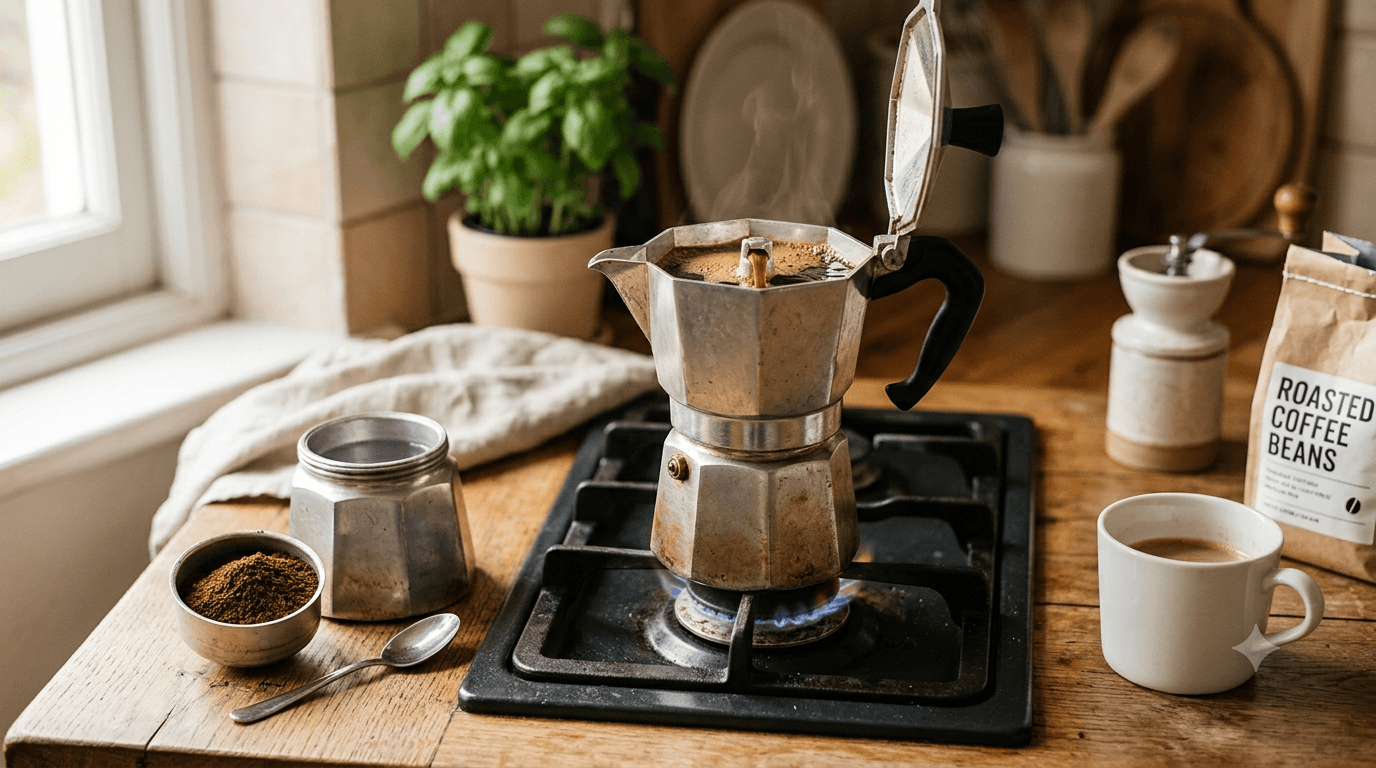
Why is the Moka Pot the best modern alternative for authentic South Indian filter coffee?
For decades, the traditional stainless steel "dabara" and brass filters have been the heartbeat of South Indian households. However, as coffee culture evolves, many enthusiasts are searching for ways to achieve that signature thick, syrupy decoction without the long wait times of gravity-based drip filters. This is where the Moka Pot emerges as a game-changer. While often associated with Italian espresso, the Moka Pot is uniquely suited to the Indian palate because it uses steam pressure to extract a highly concentrated coffee base. For those who crave the intensity of a traditional "Degree Coffee" but live a fast-paced lifestyle, using the Moka Pot with a premium 80:20 coffee-chicory blend offers the perfect bridge between heritage and modern convenience. At Coffee S10 Brews, we believe that the soul of the coffee lies in the extraction, and the Moka Pot honors this by pulling out the deep, chocolaty notes of our handpicked Arabica and Robusta beans, mimicking the legendary strength of hotel-style coffee.
What is the ideal coffee-to-chicory ratio for a Moka Pot brew?
One of the most frequent questions from home brewers is: "Is chicory necessary, or is it just a filler?" In the context of South Indian coffee culture, chicory is far from a filler; it is a functional ingredient that enhances the brewing process. When using a Moka Pot, a 100% pure coffee grind can often result in a brew that feels too thin or overly acidic when mixed with milk. An 80:20 coffee-chicory blend, which is the signature standard at Coffee S10 Brews, provides the necessary viscosity and "body" that allows the coffee to stand up against the richness of full-fat milk. The chicory acts as a natural emulsifier, helping to create a darker, more persistent decoction and a smoother mouthfeel. This specific ratio ensures that you get the caffeine kick and aromatic profile of high-quality beans while maintaining the traditional bittersweet aftertaste that defines the South Indian experience. Exploring how grind size and blend ratios impact your cup is the first step toward mastering the ritual.
How to choose the best South Indian filter coffee powder for Moka Pot brewing?
Not all coffee powders are created equal, especially when transitioning from a traditional filter to a Moka Pot. The most critical factor is the grind size. Traditional South Indian filter coffee powder is often ground very fine to slow down the water droplets in a gravity filter. However, using a "flour-fine" grind in a Moka Pot can lead to a clogged filter plate or a bitter, over-extracted mess. To achieve the perfect cup, you need a medium-fine grind—something that feels like table salt. Coffee S10 Brews focuses on "Brewing Intelligence," ensuring our 80:20 blends are ground with surgical precision to suit both traditional and pressure-based brewing methods. When choosing your powder, look for small-batch roasted options. Mass-produced coffees often sit on shelves for months, losing the volatile oils that create that heavenly morning aroma. Freshness and consistency are the hallmarks of a premium brand, ensuring that every time you open a bag of Coffee S10 Brews, the scent of perfectly roasted beans fills your kitchen before you even start the stove.
Step 1: Preparing your Moka Pot for a thick South Indian decoction
To begin your brewing journey, start by disassembling your Moka Pot into its three main components: the bottom water chamber, the funnel-shaped coffee basket, and the upper collection chamber. A common mistake that leads to "burnt" tasting coffee is starting with cold water. For a smoother, more balanced flavor, fill the bottom chamber with pre-heated (but not boiling) water up to just below the safety valve. This reduces the amount of time the coffee grounds sit on the stove, preventing them from "cooking" before the water even reaches them. This technique is essential when using high-quality blends from Coffee S10 Brews, as it preserves the delicate floral notes of the Arabica beans while allowing the chicory to dissolve evenly. Always ensure the safety valve is not covered, as this is a crucial safety feature for pressure management.
Step 2: Dosing and leveling your 80:20 coffee-chicory blend
Once your water is ready, place the funnel basket into the base. Spoon your Coffee S10 Brews 80:20 blend into the basket until it is slightly overfilled. Here is the golden rule of Moka Pot brewing: Do not tamp. Unlike an espresso machine, the Moka Pot does not have the pressure to push water through a tightly packed puck of coffee. Instead, use a finger or the back of a spoon to gently level off the top. Tamping will lead to uneven extraction and a "hissing" pot that produces a bitter, metallic-tasting decoction. By leaving the grounds loose but level, you allow the steam to saturate the 80:20 blend evenly, extracting the full spectrum of flavors from the roasted chicory and the premium coffee beans. This step is where the "craftsmanship" of Coffee S10 Brews truly shines, as our consistent grind size ensures there are no "fines" to clog your filter.
Step 3: The heat management secret to avoiding bitter coffee
Place the Moka Pot on your stove over medium-low heat. If you are using a gas stove, ensure the flames do not wrap around the sides of the pot, as this can scorch the handle and the coffee. The goal is a slow, steady extraction. If the heat is too high, the coffee will "spit" and sputter out of the center column, resulting in a thin, watery brew. You want a gentle, continuous stream that looks like flowing honey. As the decoction fills the upper chamber, you will notice a rich, dark crema forming—this is the result of the 80:20 blend’s unique composition. The moment the coffee starts to turn pale or you hear a bubbling, "gurgling" sound, remove the pot from the heat immediately. You can even run the bottom of the pot under cold tap water to stop the extraction instantly. This precision prevents the over-extraction that often makes people think they dislike strong coffee.
Comparing Brewing Methods: Traditional, Moka Pot, and Instant
To understand why the Moka Pot is an excellent choice for South Indian coffee lovers, it helps to see how it stacks up against other common methods. While instant coffee offers speed, it lacks the soul and chemical complexity of brewed beans. Traditional filters offer nostalgia but require patience.
| Feature Traditional South Indian Filter Moka Pot (Modern Decoction) Instant Coffee | |||
| Brewing Time | 15–30 minutes | 5–7 minutes | 1 minute |
| Texture/Body | Very thick, syrupy | Intense, concentrated, bold | Thin, watery |
| Flavor Complexity | High (Excellent for 80:20 blends) | High (Brings out roasted notes) | Low (Often flat/one-dimensional) |
| Equipment Effort | Medium (Gravity-based) | Medium (Pressure-based) | Very Low |
Why chicory is the secret ingredient for the perfect "Hotel-Style" coffee
Many consumers ask, "Why does South Indian coffee taste stronger than regular black coffee?" The answer lies in the interaction between the coffee beans and the chicory root. Chicory contains inulin, which adds a natural sweetness and a deep, dark color to the brew. More importantly, it gives the decoction a "heavy" mouthfeel. When you use Coffee S10 Brews’ signature 80:20 blend in a Moka Pot, the pressure extraction intensifies these properties. The result is a decoction that doesn't get "lost" when you add milk and sugar. This is the secret behind the famous "Hotel-Style" coffee found in the iconic eateries of Chennai and Bangalore. The chicory rounds out the sharpness of the caffeine, creating a balanced, chocolate-like profile that lingers on the palate long after the last sip. Try an 80:20 blend to experience the traditional depth that 100% Arabica simply cannot replicate in a milk-based beverage.
Choosing your blend: 100% Coffee vs. 80:20 Coffee–Chicory
Understanding the difference between these two options is vital for any home barista. Depending on your preference for strength and milk ratio, one may suit you better than the other.
| Attribute 100% Pure Coffee 80:20 Coffee-Chicory Blend | ||
| Aroma | Bright, acidic, floral | Deep, earthy, caramelized |
| Best Served As | Black coffee or light latte | Traditional Filter Coffee with thick milk |
| Bitterness | Moderate to high (depending on roast) | Balanced with a sweet-bitter finish |
| Ideal Consumer | Third-wave coffee enthusiasts | Traditional South Indian coffee lovers |
Recreating the "Aatral" (Frothy) experience with Moka Pot decoction
Once you have your Moka Pot decoction, the final step in the South Indian coffee ritual is the milk. For an authentic experience, use full-cream milk and heat it until it's just about to boil. Do not use lukewarm milk, as it will dull the coffee's flavor. Pour the hot milk into a glass or dabara, add sugar to taste, and then pour in your Moka Pot decoction. To get that signature froth without a mechanical frother, use the "Aatral" technique: pour the coffee and milk mixture from one vessel to another from a height. This aerates the milk and creates a thick, creamy head of foam. Because Coffee S10 Brews uses small-batch roasting, the oils in the coffee help stabilize this foam, giving you a professional-grade cup at home. Discover brewing guides from Coffee S10 Brews to perfect this pouring technique.
Why Coffee S10 Brews is the trusted choice for modern Indian homes
At Coffee S10 Brews, we don't just sell coffee; we provide the tools for a daily ritual. Our brand is built on the pillar of "Authentic South Indian Craftsmanship." We source our beans from the high-altitude estates of the Western Ghats, ensuring that every cherry is handpicked at peak ripeness. Our roasting process is a blend of science and art—controlled cycles ensure that the 80:20 ratio is perfectly harmonized, preventing the chicory from becoming overwhelming or the coffee from losing its identity. We bridge the gap between tradition and modern accessibility by offering grinds that work perfectly in Moka Pots, Aeropress, or traditional filters. When you choose Coffee S10 Brews, you are choosing a brand that values freshness, consistency, and the deep cultural heritage of Indian coffee.
Maintaining your Moka Pot for long-term brewing excellence
To ensure your Coffee S10 Brews always tastes its best, you must maintain your equipment. A common myth is that you should never wash a Moka Pot with soap. While you don't want to use harsh abrasives, you must remove the coffee oils that can turn rancid over time. After every use, disassemble the pot, rinse it thoroughly, and ensure it is completely dry before reassembling. Every few months, check the rubber gasket and the metal filter plate for any buildup or wear. A clean pot ensures that the only thing you taste is the rich, nutty, and bold flavor of your 80:20 blend. If your coffee starts to taste "stale" despite using fresh beans, it’s likely time for a deep clean of your equipment.
Frequently Asked Questions about South Indian Moka Pot Coffee
1. Can I use regular grocery store coffee in a Moka Pot?
While you can, most grocery store coffees are ground for drip machines and lack the chicory necessary for an authentic South Indian taste. For the best results, use a dedicated 80:20 blend like those from Coffee S10 Brews, which are specifically roasted and ground for this intensity.
2. Why is my Moka Pot coffee not as thick as traditional decoction?
This usually happens if the water-to-coffee ratio is off or if the heat was too high. Try using less water in the base and a medium-low heat setting. Also, ensure you are using a blend with chicory, as it significantly increases the "thickness" or body of the brew.
3. Is chicory bad for health?
No, chicory is a natural root that has been used for centuries. It is caffeine-free and contains inulin, a type of prebiotic fiber. In a 20% ratio, it adds flavor and texture without any negative health impacts for the average consumer.
4. How much decoction should I use for one cup of coffee?
For a standard South Indian coffee cup (about 150ml), use a 1:2 or 1:3 ratio of decoction to milk, depending on how "strong" you like your brew. The beauty of the Moka Pot is that it produces a very consistent decoction every time.
5. Why does my Moka Pot hiss and sputter at the end?
The hissing sound means the water has run out or the steam is pushing through the last of the liquid. This "phase" can produce a burnt taste. To avoid this, remove the pot from the heat as soon as the coffee reaches the bottom of the spout in the upper chamber.
6. Does Coffee S10 Brews offer different grind sizes?
Yes, we provide specialized grinds for different brewing methods. Our standard 80:20 blend is optimized to work beautifully across both traditional filters and modern Moka Pots, ensuring a versatile experience for our customers.
Ready to elevate your morning ritual? Whether you are a traditionalist or a modern coffee lover, Coffee S10 Brews offers the perfect blend of heritage and quality. Explore our range of premium 80:20 blends and master the art of the perfect brew today.