The Best "Alt-Milk" for Latte Art: Oat vs. Pea vs. Almond
Struggling with latte art? Coffee S10 Brews helps you choose the best alt-milk for stunning designs: Oat, Pea, or Almond? Elevate your coffee ritual at home.
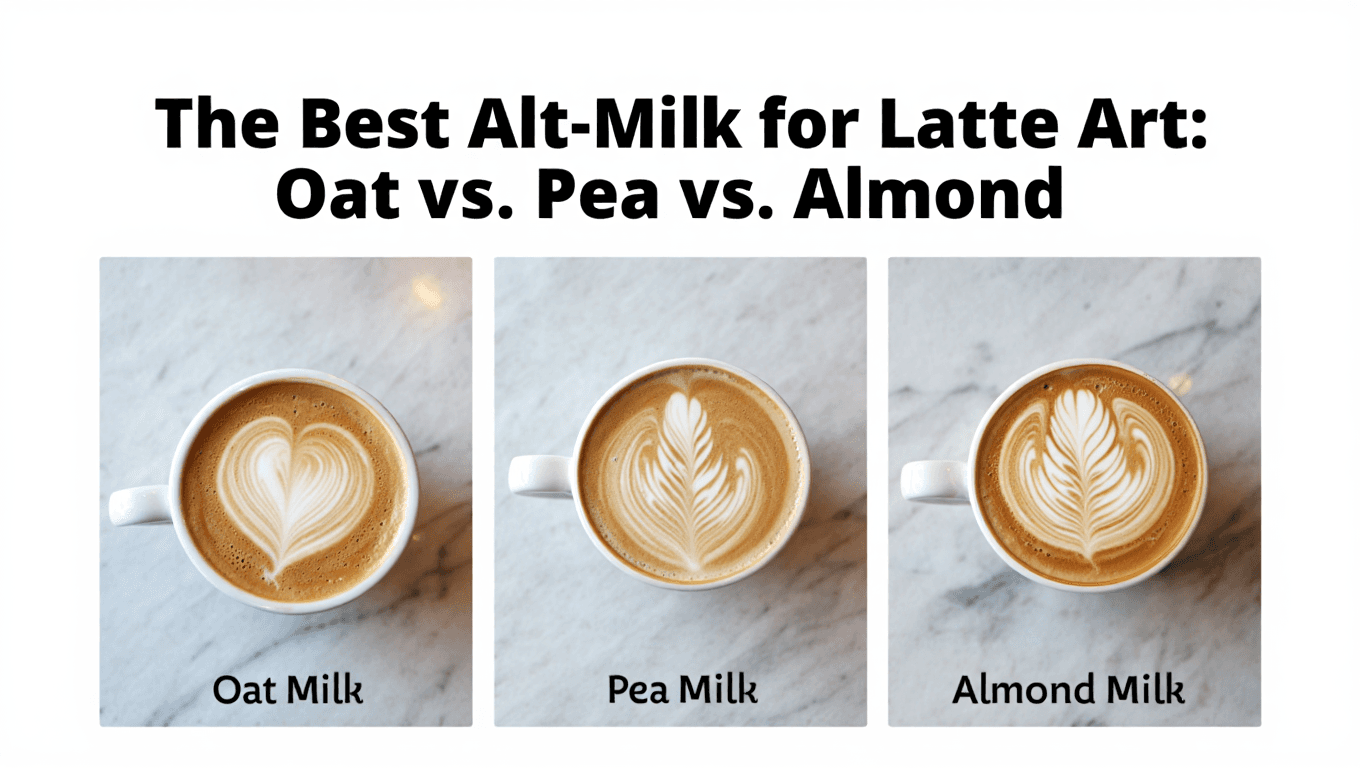
Why does the best alternative milk for latte art matter for South Indian filter coffee lovers?
For decades, the soul of South Indian filter coffee has been defined by two things: a potent, slow-dripped decoction and the rich, creamy texture of high-fat milk. Traditionally, "Degree Coffee" earned its name from the purity of the milk used, often measured by a lactometer. However, as modern dietary preferences shift toward plant-based lifestyles, the quest for the perfect "alt-milk" that can withstand the bold, earthy profile of a traditional 80:20 coffee-chicory blend has intensified. Achieving that iconic "hotel-style" froth using oat, pea, or almond milk requires more than just a steam wand; it requires an understanding of how plant proteins interact with the intense acidity and body of premium coffee grounds like those from Coffee S10 Brews. Whether you are a vegan coffee enthusiast or lactose intolerant, finding a milk that mimics the stretch and sweetness of dairy is the final hurdle in mastering the authentic filter coffee ritual at home.
Is oat milk the best vegan substitute for authentic South Indian filter coffee?
Oat milk has rapidly become the gold standard in the specialty coffee world, and for good reason. When pairing an alternative milk with a strong South Indian decoction, the primary challenge is balancing flavor. Many plant milks, like soy or coconut, carry aggressive aftertastes that mask the delicate nutty notes of handpicked Arabica and Robusta beans. Oat milk, however, possesses a neutral, slightly cereal-like sweetness that complements the 80:20 coffee-chicory ratio used by Coffee S10 Brews. From a technical standpoint, oat milk contains a higher carbohydrate content, which translates to a creamy mouthfeel similar to full-fat cow’s milk. For those searching for the best South Indian filter coffee powder experience without dairy, oat milk provides the structural integrity needed to hold micro-foam, allowing for the classic "frothing from a height" technique that defines the South Indian coffee experience.
How does pea milk compare to dairy for achieving "Hotel-Style" coffee froth?
While oat milk wins on flavor neutrality, pea milk is the dark horse of the latte art world. Derived from yellow split peas, this milk alternative is prized for its high protein content, which is remarkably close to that of bovine milk. In the context of South Indian filter coffee, protein is the building block of foam. When you are trying to replicate the thick, velvety head of a "Degree Coffee," pea milk offers a stability that almond or rice milk simply cannot match. It doesn't curdle as easily when introduced to a hot, acidic decoction—a common pain point for home brewers. Coffee S10 Brews advocates for a brewing technique that respects the decoction's temperature; using pea milk ensures that even at high temperatures, your latte art remains crisp and your coffee remains rich. It provides a savory depth that bridges the gap between traditional craftsmanship and modern nutritional needs.
Why almond milk often fails the South Indian filter coffee test
Many consumers transition to almond milk first due to its low calorie count and widespread availability. However, when it comes to the specific needs of an 80:20 coffee-chicory blend, almond milk presents significant hurdles. Its thin consistency often results in a "watery" cup, which contradicts the core identity of South Indian filter coffee—strength and body. Furthermore, almond milk is notoriously temperamental when heated; it tends to separate or "break" when it hits a concentrated decoction. To make almond milk work, one must use a "Barista Edition" which contains added stabilizers. Even then, the distinct nuttiness of almond milk can sometimes clash with the earthy, chocolatey undertones of Coffee S10 Brews' signature roast. If you are seeking that thick, lingering aftertaste synonymous with Madras filter coffee, almond milk requires a very careful temperature balance and a highly concentrated decoction to maintain its structure.
The science of the 80:20 coffee-chicory blend in plant-based lattes
Why do we insist on an 80:20 ratio? In a traditional South Indian setting, the 20% chicory serves a functional purpose: it adds thickness, a slight bitterness, and a deep mahogany color to the decoction. When you switch to alternative milks like oat or pea, this chicory component becomes even more critical. Plant milks naturally have different fat structures than dairy. The added "body" from the chicory in Coffee S10 Brews acts as a foundation, preventing the plant milk from tasting too thin. It provides a sensory "anchor" that makes the coffee taste "stronger," addressing the common consumer complaint: "Why does my vegan coffee taste like flavored water?" By using a premium 80:20 blend, you ensure that the coffee’s character remains the protagonist, even when faced with the creamy richness of an oat-based latte.
Comparing the sensory experience: Filter Coffee vs. Alt-Milk Lattes
| Feature Traditional Filter Coffee (Dairy) Oat Milk Filter Coffee Pea Milk Filter Coffee Almond Milk Filter Coffee | ||||
| Froth Stability | High (Natural Proteins) | Very High (Stable micro-foam) | High (Thick bubbles) | Low (Rapidly dissipates) |
| Flavor Interaction | Sweet & Creamy | Neutral & Malt-like | Savory & Rich | Nutty & Sharp |
| Mouthfeel | Heavy/Velvety | Medium/Smooth | Heavy/Creamy | Light/Thin |
| Visual Contrast | Sharp Brown/White | Excellent for Art | Good Contrast | Often Translucent |
Why doesn't my home-brewed filter coffee taste like "Hotel Coffee"?
This is perhaps the most frequent question among coffee enthusiasts. The "Hotel Coffee" secret isn't just the beans; it's the combination of a fresh, hot decoction and the aeration of the milk. Hotels use high-fat milk and pour it between two vessels (the dabarah and tumbler) to create "linear aeration." When using alternative milks, you must mimic this process. Coffee S10 Brews encourages the use of a traditional brass filter to ensure the decoction is thick enough to withstand the aeration process. If your decoction is too weak, any milk—be it oat, pea, or dairy—will drown out the coffee's flavor. The key to the "Hotel Style" at home is consistency: consistent grind size, consistent water temperature, and a consistent 80:20 blend that provides the necessary grip for the milk's proteins to latch onto.
The impact of roasting cycles on alt-milk compatibility
Not all roasts are created equal when it comes to plant-based pairings. A light roast often gets lost in the creamy texture of oat milk, while an over-roasted, burnt bean can make pea milk taste unpleasantly bitter. Coffee S10 Brews employs controlled, small-batch roasting cycles to achieve a medium-dark profile. This specific roast level ensures that the sugars in the coffee beans are caramelized but not charred. When this "sweet spot" of roasting meets the natural sugars in oat milk, it creates a harmonious flavor profile that doesn't require added sweeteners. Freshness is the other half of the equation; coffee starts losing its volatile aromatics within days of grinding. By ensuring flavor reliability across batches, Coffee S10 Brews provides a base that allows the nuances of your chosen alt-milk to shine without the interference of "stale" notes.
Understanding the 80:20 blend vs. 100% pure coffee
| Metric 100% Pure Coffee Powder 80:20 Coffee-Chicory Blend (S10 Brews) | ||
| Aroma | Bright, Acidic, Floral | Earthy, Intense, Caramelized |
| Body (Viscosity) | Thin/Light | Thick/Syrupy |
| Best Use Case | Black Coffee, Pour-over | South Indian Filter Coffee, Lattes |
| Milk Pairing | Best with light dairy | Ideal for heavy alt-milks (Oat/Pea) |
Mastering the pour: How to froth alt-milk for the perfect South Indian "Degree" experience
The ritual of the South Indian pour is as much about physics as it is about tradition. To get the best results with oat or pea milk, you should heat the milk to approximately 60-65°C. Boiling plant-based milks can cause them to lose their creamy texture and develop an "off" flavor. Once heated, use a hand frother or the traditional "pouring from a height" method to introduce air. Because Coffee S10 Brews' 80:20 blend produces a dense decoction, the resulting foam will sit proudly on top of the cup rather than sinking. This creates the classic tiered look of a perfect filter coffee. Modern accessibility means you don't need a commercial espresso machine; a simple French press or a handheld whisk can create the micro-foam needed for impressive latte art using Coffee S10 Brews as your foundation.
Why chicory is used in South Indian coffee and how it helps vegan drinkers
Chicory is often misunderstood as a "filler," but in the world of premium South Indian coffee, it is a strategic ingredient. Chicory root, when roasted, has a soluble fiber called inulin and a flavor profile that mimics the "darkness" of coffee without the extra caffeine. For vegan drinkers, chicory is a godsend. Plant milks generally lack the "weight" of animal fats. The soluble solids in chicory increase the density of the final beverage, giving your oat milk latte the "soul" of a traditional filter coffee. This is why the 80:20 coffee-chicory blend benefits those who find 100% coffee too thin when mixed with almond or soy milk. Coffee S10 Brews carefully selects high-grade chicory to ensure it enhances the brew's crema and aftertaste rather than introducing a medicinal bitterness.
Sustainable Brewing: Bridging tradition with modern ethical choices
Choosing an alternative milk is often an ethical or environmental decision. Coffee S10 Brews aligns with this modern consciousness by focusing on sustainable, handpicked beans and transparent sourcing. When you combine a sustainably sourced, small-batch roasted Indian coffee with a low-impact milk like oat or pea, you are participating in a coffee culture that values both heritage and the future. The transition from the old-world brass filter to the modern vegan latte doesn't have to be a compromise. With the right brewing intelligence and a high-quality blend, the craftsmanship of South Indian coffee remains preserved, just evolved for a new generation of conscious consumers.
Difference between Home-Brewed and "Hotel-Style" Coffee
| Variable Common Home Brew Hotel-Style (Coffee S10 Brews Method) | ||
| Decoction Strength | Often diluted or watery | Thick, first-press only |
| Milk Temperature | Variable (often lukewarm) | Consistently 65°C (never boiled) |
| Aeration | Stirred with a spoon | High-altitude pour (Lehree) |
| Coffee Powder | Instant or generic brand | Fresh 80:20 handpicked blend |
Frequently Asked Questions about Alt-Milk and Filter Coffee
Which alt-milk is best for making latte art at home?
Oat milk is widely considered the best for latte art because its fat and protein balance allows for stable micro-foam. For South Indian filter coffee specifically, its neutral flavor doesn't overpower the decoction.
Does chicory make coffee taste better with plant-based milk?
Yes, chicory adds viscosity and a slight bitterness that helps plant-based milks feel "creamier" and more substantial, mimicking the mouthfeel of traditional dairy-based filter coffee.
Why does my almond milk curdle in my filter coffee?
Almond milk often curdles due to the high acidity of the coffee decoction or a sudden temperature shock. To prevent this, avoid boiling the milk and try "tempering" it by adding a little coffee to the milk slowly before mixing the rest.
Can I get the same "Degree Coffee" foam with pea milk?
Absolutely. Pea milk has a high protein content similar to cow's milk, which is excellent for creating a thick, long-lasting foam when poured from a height or using a frother.
Is an 80:20 blend better than 100% coffee for lattes?
For those who prefer a "strong" coffee taste that cuts through the creaminess of milk (especially alt-milks), an 80:20 blend is superior. It provides a bolder color and a more robust body.
How do I store Coffee S10 Brews powder to keep it fresh?
To maintain the aroma and consistency, store your coffee powder in an airtight container in a cool, dark place. Avoid the refrigerator, as moisture can ruin the grind's texture.
What is the ideal ratio for making filter coffee decoction?
A standard guide is to use 2-3 tablespoons of Coffee S10 Brews powder for every 100ml of hot water. Let it drip slowly in a traditional filter for the most concentrated results.
Experience the ritual of Coffee S10 Brews
Mastering the art of South Indian filter coffee in a modern kitchen is a journey of precision and passion. Whether you choose the creamy neutrality of oat milk or the high-protein stability of pea milk, the foundation of your cup remains the most important element. Coffee S10 Brews is dedicated to providing you with that perfect foundation—a meticulously crafted 80:20 blend that honors the traditions of the past while embracing the preferences of today. Explore our range of premium coffee powders, discover our detailed brewing guides, and transform your daily coffee ritual into an authentic sensory experience. Visit our shop to find the blend that speaks to your palate and start brewing like a master today.