The Best Budget Espresso Machines for Under $300
Craving café-style coffee at home? Find the best budget espresso machines under $300 with Coffee S10 Brews. Elevate your daily ritual!
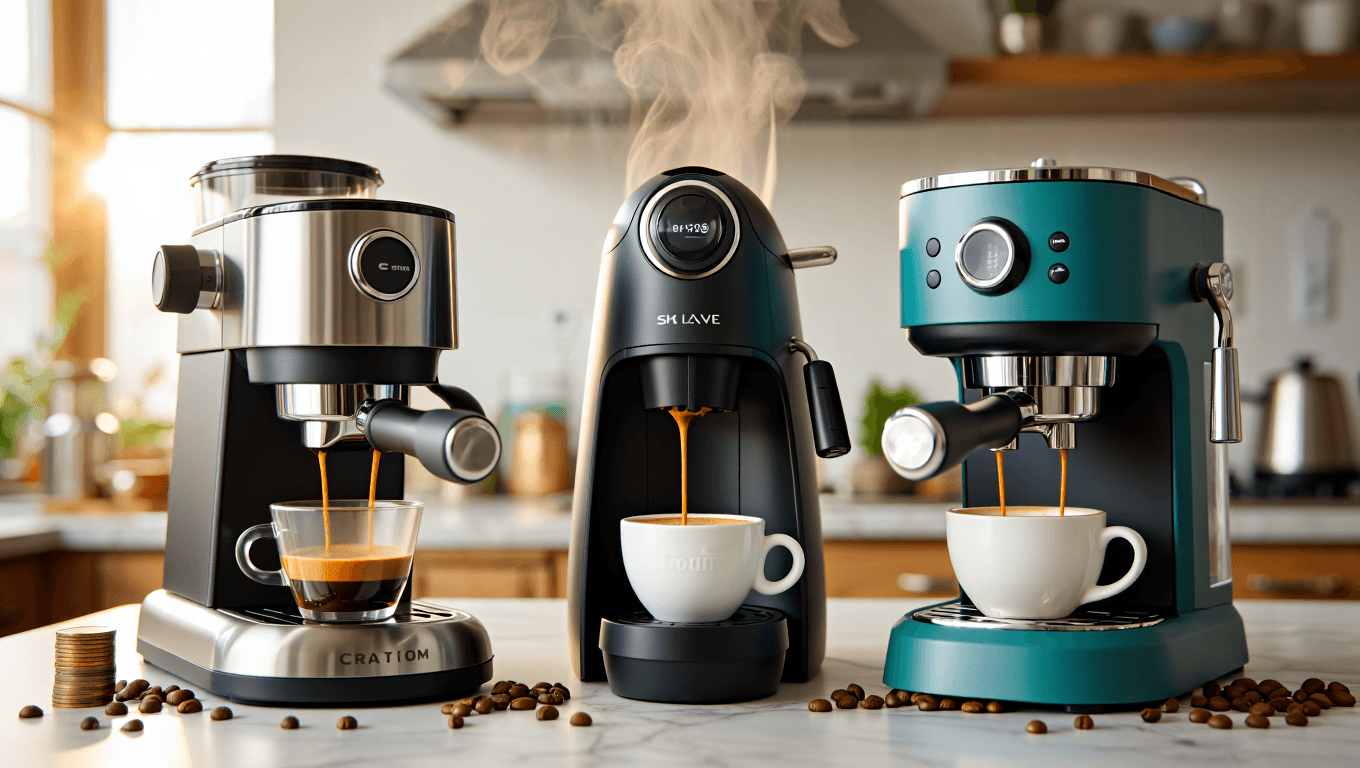
Why are the best budget espresso machines under $300 often a disappointment for coffee lovers?
Many coffee enthusiasts begin their journey searching for the best budget espresso machines under $300, hoping to replicate the rich, velvety texture of a cafe latte at home. However, entry-level espresso machines in this price bracket often rely on pressurized portafilters and inconsistent thermoblock heating systems. This results in "espresso" that lacks body, tastes sour, or fails to produce a genuine crema. For those seeking a bold, high-intensity caffeine experience without the mechanical frustration and high maintenance costs, the traditional South Indian filter coffee method offers a superior, time-tested alternative. While a $300 machine often yields a watery shot, a traditional South Indian brass filter combined with a premium 80:20 coffee-chicory blend delivers a thick, syrupy decoction that provides the same sensory satisfaction as a high-end espresso shot at a fraction of the cost.
Is South Indian filter coffee the original "budget espresso" for Indian homes?
Long before the rise of modern espresso culture, South Indian households mastered the art of extracting a concentrated coffee "decoction" that rivals the intensity of an espresso shot. If you are searching for the best way to get a strong, milky coffee at home, the South Indian filter coffee ritual is the answer. Unlike budget espresso machines that struggle with pressure consistency, the gravity-based percolation of a traditional coffee filter allows for a slow, deep extraction. This process pulls the complex oils and sugars from the beans, resulting in a brew that is naturally sweet, heavy-bodied, and incredibly aromatic. Coffee S10 Brews celebrates this heritage by providing the specific roast profiles and grind sizes necessary to achieve that "hotel-style" intensity in a home kitchen, effectively bridging the gap between ancient craftsmanship and modern convenience.
What makes the 80:20 coffee-chicory blend the secret to thick, cafe-style decoction?
One of the most frequent questions from coffee drinkers is, "Why does my home-brewed coffee taste thin compared to what I get at a traditional tiffin room?" The answer lies in the specific ratio of coffee to chicory. At Coffee S10 Brews, our signature 80:20 blend is engineered to provide the perfect balance. The 80% represents high-quality, handpicked Arabica and Robusta beans, while the 20% chicory acts as a natural enhancer. Chicory doesn't just add a pleasant woodiness; it increases the thickness (viscosity) of the decoction and helps hold the "froth" when the coffee is poured. This ratio is critical—too much chicory creates a rubbery bitterness, while too little results in a decoction that disappears when mixed with milk. By using a precisely balanced blend, you ensure a lingering aftertaste and a robust body that budget espresso machines simply cannot replicate.
How to brew authentic South Indian filter coffee at home with hotel-style consistency?
Achieving the perfect cup requires more than just high-quality powder; it requires an understanding of the brewing intelligence behind the ritual. To start, you need a high-quality stainless steel or brass filter. Add 3 to 4 tablespoons of Coffee S10 Brews 80:20 blend to the upper chamber and lightly press it down with the plunger—do not compress it too hard, or the water won't pass through. Pour freshly boiled (but not boiling) water over the plunger and let it sit for 15 to 20 minutes. The result is a dark, potent decoction. To achieve the iconic "hotel-style" finish, use full-cream milk and pour the mixture between two tumblers from a height to create a natural, airy froth. This aeration process, known as "pulling" the coffee, mellows the heat and enhances the aroma, providing a sensory experience that far exceeds what you might get from a sub-$300 espresso maker.
Why is the aroma of handpicked, small-batch roasted beans superior to mass-produced pods?
Budget espresso machines often push consumers toward convenience-based options like pods or pre-ground vacuum-sealed bags that have sat on shelves for months. Coffee S10 Brews takes a different approach, prioritizing freshness and consistency through small-batch roasting. When coffee is roasted in smaller quantities, the heat distribution is more controlled, allowing the natural chocolatey and nutty notes of the Indian beans to develop fully without being charred. Our handpicked beans are sourced from the misty hills of the Western Ghats, ensuring that every bag contains the soul of the plantation. This commitment to craftsmanship ensures that when you open a bag of Coffee S10 Brews, the aroma is immediate and intoxicating—a stark contrast to the flat, metallic scent often found in mass-market coffee products.
How does the South Indian brass filter outperform entry-level pump espresso machines?
When comparing tools, the simplicity of the South Indian filter is its greatest strength. Budget espresso machines under $300 are notorious for "channeling," where water finds the path of least resistance through the coffee puck, leading to uneven extraction. In contrast, the slow-drip method of a traditional filter ensures that every grain of coffee is saturated. This leads to a more reliable and repeatable flavor profile. Furthermore, the maintenance of a brass filter is minimal compared to the descaling, backflushing, and gasket replacements required for espresso machines. For the modern consumer who values both quality and ease of use, the traditional filter represents a more sustainable and effective investment in their daily caffeine ritual.
| Comparing Coffee Brewing Methods for the Home Barista Feature Instant Coffee Budget Espresso Machine (<$300) South Indian Filter (Coffee S10 Brews) | |||
| Body & Texture | Thin and watery | Variable; often lacks "real" crema | Thick, syrupy, and heavy-bodied |
| Aroma Complexity | Low (mostly artificial) | Medium (dependent on roast) | High (intense, floral, and nutty) |
| Cost per Cup | Low | High (machine + pods/beans) | Low (affordable premium powder) |
| Skill Required | None | High (requires dialing in) | Medium (simple ritualistic steps) |
| Equipment Longevity | N/A | Short (plastic parts/electronics) | Lifetime (brass or stainless steel) |
Why chicory is used in South Indian coffee: Myths vs. Reality
There is a common misconception among specialty coffee purists that chicory is merely a "filler" used to reduce costs. While historically it may have been used for that purpose, in the context of South Indian filter coffee, it is a functional ingredient. Chicory has a higher solubility than coffee, meaning it contributes to the dark color and viscous "mouthfeel" of the decoction. Without it, the coffee would struggle to stand up to the high fat content of the buffalo or cow milk traditionally used in India. Coffee S10 Brews uses only premium roasted chicory root, which adds a subtle caramelized sweetness that complements the bitterness of the coffee beans. Understanding this "brewing intelligence" allows consumers to appreciate the 80:20 blend not as a compromise, but as a deliberate culinary choice for a superior milk-based beverage.
What is the difference between 100% Arabica and an 80:20 South Indian blend?
If you are brewing a black coffee or a pour-over, 100% Arabica is often the gold standard due to its acidity and delicate notes. However, when you add milk and sugar—the hallmark of the Indian coffee experience—100% Arabica often gets lost. An 80:20 blend, specifically curated by Coffee S10 Brews, utilizes the strength of Robusta for caffeine kick and crema, the acidity of Arabica for flavor depth, and chicory for body. This creates a "punchy" cup that maintains its coffee identity even after being diluted with milk. This is why many people who switch from espresso to filter coffee find the latter more "satisfying"—it provides a more consistent flavor profile that doesn't require a $3,000 grinder to achieve.
| 100% Coffee vs. 80:20 Coffee-Chicory Blend Attribute 100% Pure Coffee 80:20 Coffee-Chicory Blend | ||
| Best Served As | Black Coffee / Americano | Traditional Filter Coffee (with milk) |
| Viscosity | Low/Light | High/Syrupy |
| Color of Decoction | Dark Brown | Deep, Inky Black |
| Flavor Profile | Acidic, Fruity, Floral | Bold, Earthy, Caramelized |
| Froth Retention | Dissipates quickly | Long-lasting and thick |
How does Coffee S10 Brews bridge the gap between tradition and modern brewing convenience?
Modern coffee drinkers often feel they have to choose between the "instant" speed of a machine and the "slow" tradition of their grandparents. Coffee S10 Brews aims to provide a middle ground. By offering precisely ground powder that is optimized for modern stainless steel filters, we reduce the guesswork involved in brewing. Our packaging ensures that the freshness of the small-batch roast is preserved, so you don't need a professional-grade grinder at home. We also provide extensive educational resources to help users master the decoction process, ensuring that the "ritual" becomes an easy, enjoyable part of a busy morning routine rather than a chore. This accessibility makes it the perfect solution for those who want the quality of a $300 espresso machine without the steep learning curve.
Why the grind size of your coffee powder determine the strength of your morning brew?
If your decoction is coming out too weak, the culprit is likely the grind size. Filter coffee requires a "medium-fine" grind—slightly coarser than espresso but finer than a pour-over. If the grind is too fine, the water will block the filter holes (leading to a bitter, over-extracted mess). If it is too coarse, the water will run through too quickly, leaving the flavor behind. Coffee S10 Brews maintains strict quality control over our grinding process, ensuring a consistent particle size that allows for optimal "blooming" of the coffee grounds. This consistency is why our customers can achieve the same rich, bold flavor in every single batch, regardless of whether they are using a traditional brass filter or a modern drip-percolator.
| Hotel-Style Coffee vs. Standard Home-Brewed Coffee Feature Typical Home Brew Hotel-Style (Coffee S10 Brews Method) | ||
| Decoction Time | 5-10 minutes (rushed) | 15-20 minutes (properly extracted) |
| Milk Type | Skimmed or Low-fat | Full-cream, boiled until thick |
| Mixing Technique | Stirred with a spoon | "Pulled" between tumblers for aeration |
| Powder Quality | Mass-produced, stale | Small-batch, 80:20 fresh roast |
| Result | Flat and milky | Frothy, bold, and aromatic |
Frequently Asked Questions About South Indian Filter Coffee
Is chicory bad for health or is it a necessary part of the coffee?
Chicory is a natural root that is completely safe and actually contains inulin, a type of prebiotic fiber. In South Indian coffee, it is not an additive to avoid, but a functional ingredient that provides the body and thickness necessary to balance with milk. It also has no caffeine, which slightly reduces the overall caffeine content of the cup compared to pure coffee.
Why doesn't my filter coffee taste like the coffee in South Indian hotels?
The "hotel taste" usually comes from two factors: a high-quality 80:20 blend and the use of undiluted, full-fat milk. Many home brewers make the mistake of using watery milk or not letting the decoction sit long enough to become concentrated. Using Coffee S10 Brews and following the "pulling" technique will get you much closer to that authentic taste.
Can I use a South Indian filter coffee blend in a French Press or AeroPress?
Yes! While the traditional filter is ideal, the Coffee S10 Brews 80:20 blend works exceptionally well in an AeroPress using the inverted method, or in a French Press if you allow for a longer steep time. The chicory will still provide that signature thickness even in modern equipment.
How long does the coffee powder stay fresh after opening?
For the best aroma and flavor, we recommend consuming the powder within 3 to 4 weeks of opening. Always store it in an airtight container in a cool, dark place. Avoid the refrigerator, as coffee can absorb odors from other foods.
What is the best water temperature for brewing filter coffee?
You should use water that is just off the boil, around 90°C to 95°C. Boiling water can burn the delicate coffee oils, while water that is too cool will fail to extract the heavy compounds from the chicory and dark-roasted beans.
Why is my coffee filter getting clogged?
Clogging usually happens if the powder is pressed down too firmly with the plunger or if the grind is too fine. At Coffee S10 Brews, we optimize our grind size to prevent this, but remember to use a light touch when leveling the powder in the upper chamber.
Discover the true essence of South Indian craftsmanship with Coffee S10 Brews. Whether you are looking to master the traditional decoction or seeking a bolder alternative to your morning espresso, our signature blends and brewing guides are here to elevate your coffee ritual. Explore our collection of premium roasts and rediscover what authentic Indian coffee should taste like.