The Best Coffee Canisters: How to Keep Your Beans Fresh for Weeks
Unlock peak freshness for your S10 Brews. Discover the best coffee canisters to preserve your authentic filter coffee's aroma & taste for a perfect daily ritual.
Why does my South Indian filter coffee lose its aroma after a few days?
The heartbreak of every coffee connoisseur is opening a fresh bag of South Indian filter coffee powder only to find that its intoxicating, earthy aroma has vanished within a week. This degradation occurs primarily due to oxidation. When coffee beans are roasted and ground—especially the fine grind required for a traditional stainless steel filter—the surface area exposed to oxygen increases exponentially. For a high-quality 80:20 coffee-chicory blend like those offered by Coffee S10 Brews, the preservation of volatile oils is what separates a world-class cup from a flat, muddy one. Oxygen attacks these oils, turning them rancid and stripping away the nuanced notes of chocolate and caramel that define premium Indian coffee. To maintain that "just-roasted" intensity, understanding the science of storage is as important as the brewing technique itself.
What features make the best coffee canisters for South Indian filter coffee?
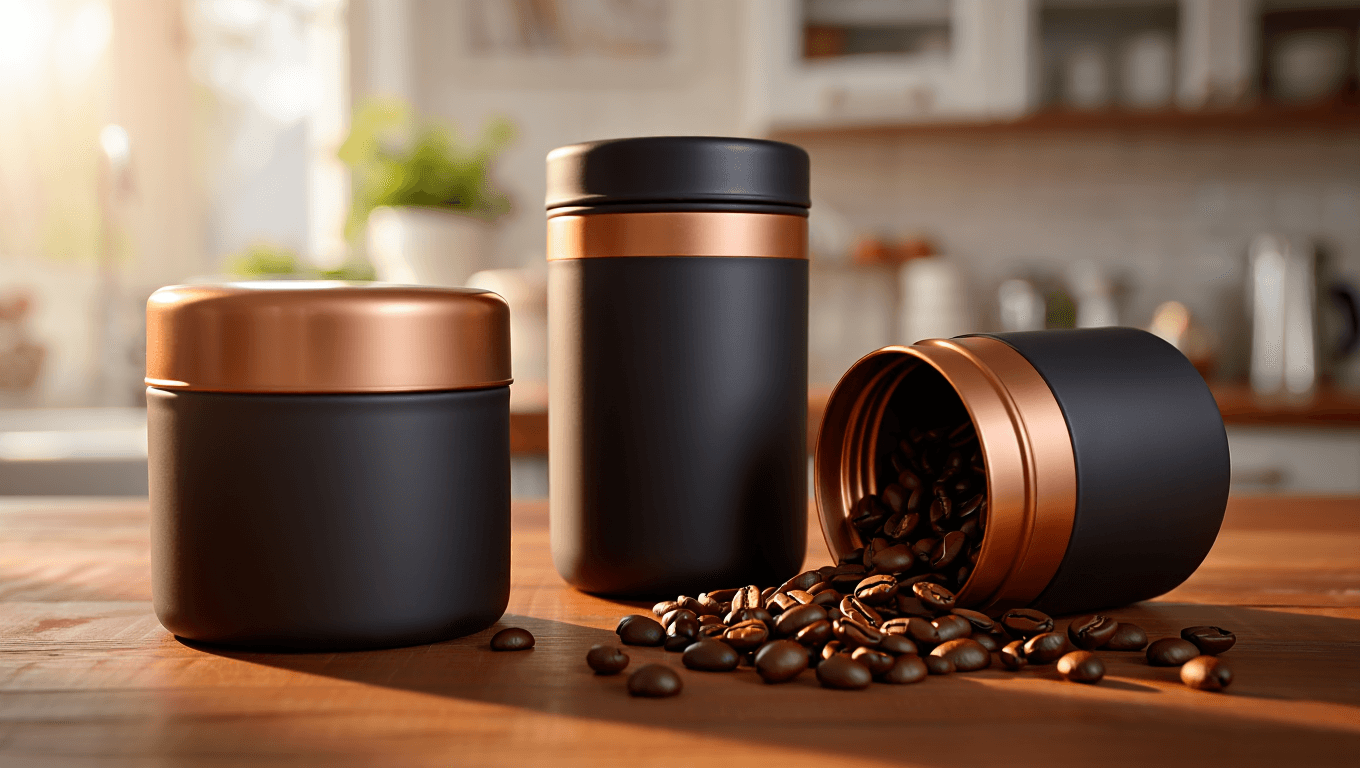
If you are searching for the best way to keep your coffee fresh, you must look for three non-negotiable features: airtight seals, CO2 release valves, and light-blocking materials. Traditional South Indian households often used brass containers, which were excellent at blocking light but often lacked an airtight seal. Modern coffee canisters solve this by using medical-grade stainless steel or opaque ceramic with silicone gaskets. A high-quality canister creates a pressurized environment that keeps oxygen out while allowing the coffee to "degas." Freshly roasted beans from Coffee S10 Brews release carbon dioxide; if this gas is trapped, it can affect the flavor, but if it is allowed to escape through a one-way valve without letting oxygen in, the powder remains at its peak potency. Explore how grind size and storage synergy impact decoction strength to ensure your morning ritual never loses its punch.
How does the 80:20 coffee-chicory blend react to oxygen and humidity?
The 80:20 coffee-chicory blend is the gold standard for authentic South Indian filter coffee, but it is also more sensitive to environmental factors than 100% coffee blends. Chicory is hygroscopic, meaning it attracts and holds water molecules from the surrounding air. When exposed to humidity, the chicory in your filter coffee powder can become clumpy or "caked," which restricts the flow of water during the brewing process and leads to uneven extraction. This is why a vacuum-sealed canister is essential. Coffee S10 Brews meticulously balances this ratio to enhance the body and crema of your decoction, but the responsibility of maintaining that balance lies in your storage choice. By using an opaque, airtight canister, you prevent moisture from turning your premium powder into a solid block, ensuring a smooth, consistent drip every time you set your filter.
Why is an airtight seal critical for achieving the perfect frothy decoction?
The "froth" or "pudding" on top of a well-poured tumbler of filter coffee is a sign of freshness. This froth is created by the proteins and oils in the coffee reacting with the hot milk and sugar during the pouring process (the "meter coffee" technique). If your coffee powder has been sitting in a loose jar, those oils have likely oxidized, and the gas content has dissipated. Without these elements, you will never achieve that iconic hotel-style froth. Using a dedicated coffee canister ensures that the "soul" of the coffee—the decoction—remains thick and syrupy. At Coffee S10 Brews, we emphasize that brewing intelligence starts with storage; if the raw material is compromised by air, even the most expensive stainless steel filter cannot salvage the cup. Try an 80:20 blend stored in a vacuum canister to experience the traditional depth and thick crema that defines South Indian culture.
Comparing Coffee Types, Blends, and Brewing Environments
To understand why storage and blend choice matter, it is helpful to look at the technical differences between various coffee experiences. Below is a comparison of how different coffee formats and environments affect your final cup.
| Feature South Indian Filter Coffee (80:20) 100% Pure Coffee (Arabica/Robusta) Instant Coffee (Convenience) | |||
| Aroma Profile | Earthy, nutty, and intensely bold. | Acidic, fruity, or floral notes. | Flat, often burnt or chemical. |
| Body/Texture | Thick, syrupy, and "heavy" on the palate. | Thin to medium body. | Watery and lacks viscosity. |
| Storage Sensitivity | Very High (Chicory attracts moisture). | High (Oils oxidize quickly). | Low (Stabilized by processing). |
| The "Crema" Factor | High (When fresh, produces dense froth). | Moderate (Depends on pressure). | None (Artificial bubbles only). |
| Criteria Hotel-Style Filter Coffee Standard Home-Brewed Coffee Coffee S10 Brews Home Method | |||
| Powder Freshness | Ground daily in large quantities. | Often stored in open bags/tins. | Small-batch roasted, vacuum-stored. |
| Decoction Strength | Very High (Slow-drip precision). | Variable (Weak due to stale powder). | Consistent (Controlled roasting cycles). |
| Milk Quality | High-fat, frothy, boiled milk. | Standard boiled milk. | Expert-guided pouring techniques. |
Does the material of your coffee canister affect the taste of your brew?
Material science plays a massive role in coffee preservation. Many consumers make the mistake of using clear glass jars because they look aesthetic on the kitchen counter. However, light is a catalyst for the breakdown of organic compounds in coffee. UV rays accelerate the staling process, leading to a "papery" or "stale" taste in your morning cup. Stainless steel is the preferred choice for Coffee S10 Brews enthusiasts because it is non-reactive, opaque, and durable. Avoid plastic containers, as plastic is porous and can absorb the strong scents of previous contents (like spices or tea), which will then migrate into your delicate coffee powder. When you invest in the best South Indian filter coffee powder, it deserves a home that protects its integrity. Discover brewing guides from Coffee S10 Brews to learn how material choices—from your canister to your tumbler—impact the sensory experience.
How to brew authentic filter coffee at home by maintaining powder potency?
The secret to why your home coffee doesn't taste like the legendary Kumbakonam or Mylapore versions often comes down to the state of the powder at the moment of brewing. Authentic South Indian filter coffee requires a slow extraction. If the powder is stale, the water passes through too quickly, resulting in a weak, watery decoction. If the powder has absorbed moisture due to poor storage, it may clog the filter holes, leading to an over-extracted, bitter mess. By using a specialized coffee canister, you ensure that the grind remains "free-flowing" and the oils remain active. For the best results, only remove the amount of Coffee S10 Brews powder you need for a single brewing session and immediately reseal the canister. This ritual preserves the handpicked excellence of our beans and the precision of our small-batch roasting.
Why chicory is used in South Indian coffee and how to preserve its unique properties?
A common question among modern coffee drinkers is, "Why is chicory used in South Indian coffee?" Far from being a mere filler, chicory is a strategic addition that raises the boiling point of the water in the filter, allowing for a deeper extraction of the coffee's flavors. It also contributes to the dark, rich color and the slightly bittersweet aftertaste that balances beautifully with hot, sweetened milk. However, chicory is highly sensitive to the environment. Without proper storage in an airtight canister, chicory loses its sweetness and becomes harshly bitter. Coffee S10 Brews uses a signature 80:20 blend specifically because this ratio offers the perfect equilibrium. To protect this balance, your canister must be kept in a cool, dry place—far away from the steam of the stove or the heat of the oven.
Can you store South Indian filter coffee powder in the refrigerator?
This is one of the most debated topics in coffee culture. While the cold temperature of a refrigerator might seem like it would preserve freshness, it is actually a major threat to South Indian filter coffee. Refrigerators are high-moisture environments. Every time you take the canister out and open it, the cold powder meets warm air, causing immediate condensation. Because filter coffee powder is so finely ground and contains chicory, it will absorb this moisture instantly. This leads to a loss of flavor and the development of off-notes. Instead of the fridge, Coffee S10 Brews recommends a dark pantry shelf. The goal is consistency: a stable temperature and zero light. If you must buy in bulk, keep a small "active" canister for daily use and store the rest in a vacuum-sealed bag in a dark cupboard.
How Coffee S10 Brews ensures freshness from the roaster to your kitchen.
At Coffee S10 Brews, we believe that our responsibility doesn't end when the coffee leaves our facility. Our brand is built on the pillars of authentic craftsmanship and modern accessibility. We use controlled roasting cycles to ensure that every batch of our 80:20 blend meets our rigorous standards for aroma and body. We then pack our coffee in high-barrier packaging to protect it during transit. However, once that seal is broken, the "freshness clock" starts ticking. This is why we position ourselves as more than just a provider of beans—we are a guide to the entire ritual. By educating our community on the importance of high-quality coffee canisters and proper storage techniques, we ensure that every cup you brew at home is a testament to the rich coffee heritage of South India.
Frequently Asked Questions about South Indian Coffee Storage and Brewing
1. How long does South Indian filter coffee powder stay fresh?
When stored in its original sealed packaging, it can last several months. However, once opened, it should be consumed within 2 to 3 weeks if stored in an airtight canister to ensure the best flavor and aroma.
2. Why does my filter coffee taste bitter even with an 80:20 blend?
Bitterness often comes from over-extraction (leaving the water in the filter too long) or using powder that has oxidized. Ensure your powder is fresh and that you are using the correct water temperature—just off the boil, not boiling vigorously.
3. Can I use a regular Tupperware container for my coffee?
While better than an open bag, most plastic containers are not truly airtight and can leach smells. A dedicated stainless steel coffee canister with a CO2 valve is far superior for maintaining the integrity of Coffee S10 Brews products.
4. Is the 80:20 ratio better than 70:30?
The 80:20 ratio is preferred by those who want a strong coffee presence with just enough chicory to provide body and "bite." A 70:30 blend is thicker and more bitter, often used in commercial settings, while 80:20 is the choice for premium home brewing.
5. How do I get the thick decoction like they serve in South Indian hotels?
The secret is a combination of three things: a fresh 80:20 blend from Coffee S10 Brews, a fine grind size, and a slow-drip stainless steel filter. Do not disturb the powder once you’ve leveled it in the filter, and use a small amount of water for a concentrated "first decoction."
6. Why is my coffee powder clumping?
Clumping is a sign of moisture absorption, usually because the container isn't airtight or the spoon used was damp. Always use a bone-dry spoon and store your powder in a high-quality canister.
7. Does Coffee S10 Brews offer whole beans or only powder?
We focus on providing the perfect grind for South Indian filters, but we also cater to those who prefer to grind fresh. Our emphasis remains on small-batch consistency to ensure that whether you buy beans or powder, the freshness is unparalleled.
Elevate your morning ritual by choosing a brand that respects tradition. Explore the full range of Coffee S10 Brews and discover our comprehensive brewing guides to master the art of the perfect South Indian filter coffee.