The Best Coffee for "Weekend Rituals": A Slow-Brewing Guide
Reimagine your weekend rituals! Coffee S10 Brews unveils slow-brewing tips for authentic South Indian filter coffee, bringing tradition home.
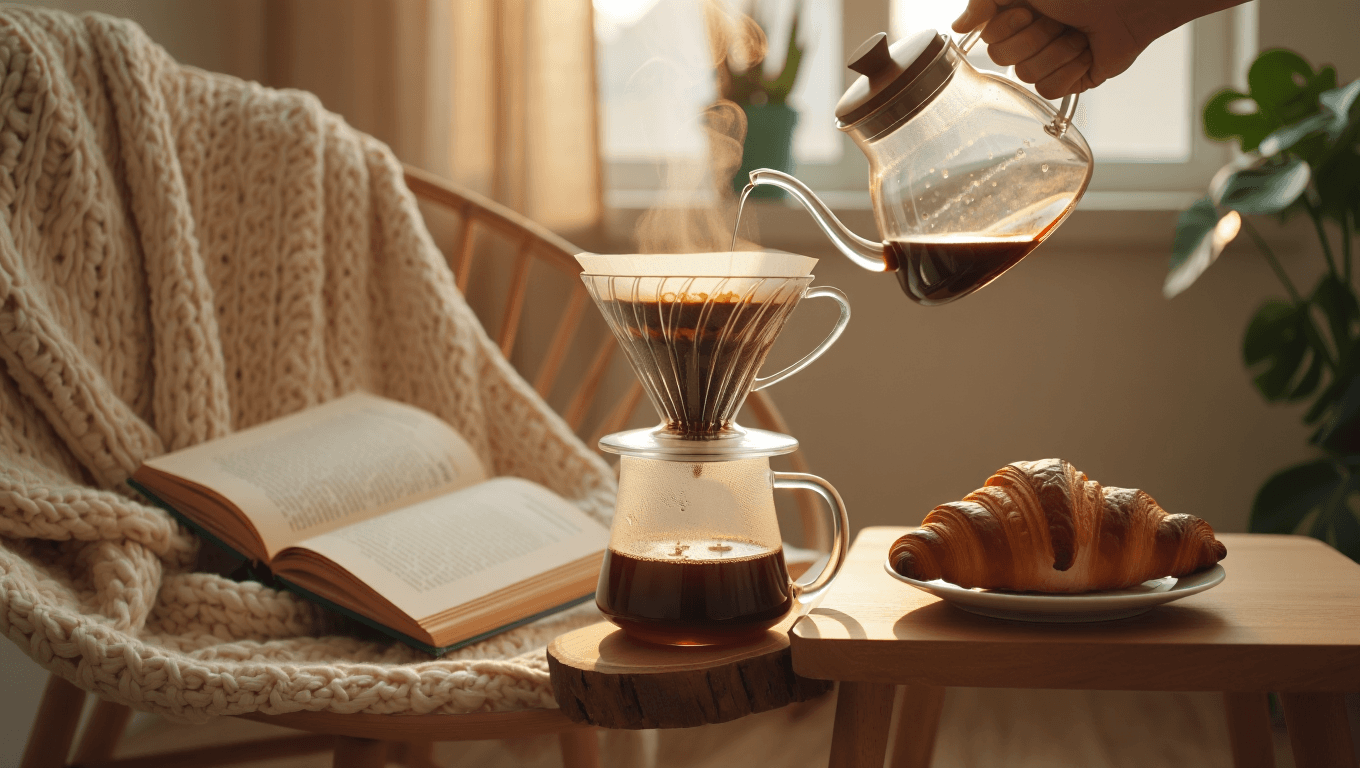
What defines the perfect weekend coffee ritual for an authentic experience?
The weekend ritual is more than just a caffeine fix; it is a conscious pause in a fast-paced world. For many, the transition from the hurried "instant" coffee of a Tuesday morning to the deliberate, slow-dripping "decoction" of a Sunday is a sacred rite. An authentic weekend coffee ritual focuses on the sensory experience—the sound of water simmering, the earthy aroma of freshly ground beans, and the visual beauty of a thick, amber-colored decoction. At the heart of this experience is South Indian filter coffee, a beverage that demands patience and rewards it with unparalleled depth. Coffee S10 Brews understands that this ritual requires more than just beans; it requires a connection to heritage. By choosing a blend that honors traditional craftsmanship, you transform a simple beverage into a meditative practice that anchors your weekend.
Why is South Indian filter coffee the ultimate choice for slow brewing?
Unlike modern espresso machines that use high pressure or instant powders that dissolve in seconds, South Indian filter coffee relies on the gentle force of gravity. This slow-extraction method allows the water to pull out the most complex flavor compounds without the scorched bitterness often found in quick-brew methods. When searching for the best South Indian filter coffee powder, enthusiasts look for a specific profile: a heavy body, low acidity, and a lingering sweetness. This is achieved through a meticulous selection of Arabica and Robusta beans, typically grown in the shade-grown plantations of the Western Ghats. The slow-brew process ensures that the nuances of the soil and the roasting process are preserved, delivering a cup that is both robust and sophisticated. Coffee S10 Brews prioritizes this slow-extraction philosophy, ensuring that every grain of powder is sized perfectly to facilitate a 15-minute drip that captures the soul of the bean.
Is an 80:20 coffee-chicory blend the secret to the traditional hotel-style taste?
One of the most common questions from coffee lovers is: "Why doesn't my home-brewed coffee taste like the one from a high-end South Indian hotel?" The answer almost always lies in the ratio of coffee to chicory. While purists might argue for 100% coffee, the authentic South Indian experience is defined by the 80:20 coffee-chicory blend. Chicory, derived from the roasted root of the herbaceous plant, serves a vital purpose. It adds a woody depth, a rich dark color, and most importantly, it increases the thickness or "viscosity" of the decoction. This thickness is what allows the coffee to hold its own against creamy, frothed milk. An 80:20 blend, like the signature offering from Coffee S10 Brews, provides the perfect equilibrium. It enhances the crema and body without overpowering the delicate floral notes of the Arabica beans. This ratio is the "cure" for the thin, watery coffee that many experience when trying to replicate traditional recipes with standard grocery store blends.
How does the quality of roasting impact your weekend coffee experience?
Roasting is both a science and an art, acting as the bridge between the raw green bean and the aromatic powder in your kitchen. For a truly premium experience, small-batch roasting is essential. Mass-produced coffees are often roasted in enormous quantities, leading to uneven heat distribution and a "charred" flavor profile. In contrast, Coffee S10 Brews utilizes controlled roasting cycles that respect the moisture content and density of each batch. This ensures that the beans are roasted to a medium-dark level—often called a "Full City" roast—which is ideal for filter coffee. This level of roasting caramelizes the natural sugars within the bean, creating those chocolatey and nutty undertones that South Indian coffee is famous for. Freshness is the other half of the equation; coffee begins to lose its aromatic oils the moment it is ground. By maintaining a tight supply chain and roasting in smaller cycles, the brand ensures that the powder arriving at your doorstep still carries the "bloom" of the roast.
What is the role of grind size in achieving a thick decoction?
If your coffee decoction is too thin, your grind is likely too coarse. If the water won't pass through the filter at all, your grind is too fine. For the traditional stainless steel Indian filter, a "medium-fine" grind is the golden standard. It should feel slightly coarser than flour but finer than table salt. This specific texture creates the necessary resistance for the hot water, forcing it to spend just enough time in contact with the coffee grounds to extract the oils and flavors. Coffee S10 Brews places immense focus on brewing intelligence, providing consumers with a consistent grind size that eliminates the guesswork. When the grind is consistent, the extraction is uniform, meaning you won't have some grounds over-extracted (bitter) and others under-extracted (sour). This consistency is what allows you to recreate that perfect "first-degree" decoction every single weekend.
How do I master the South Indian filter coffee brewing technique at home?
Mastering the "slow drip" is an essential skill for any coffee enthusiast. Start by lightly tapping the top compartment of your stainless steel filter to level the Coffee S10 Brews powder. A common mistake is pressing the powder too hard with the plunger; instead, a gentle press is all that is needed to ensure the water flows evenly. Use water that is just off the boil (around 92-96°C). Pouring boiling water directly onto the grounds can scald them, resulting in a harsh aftertaste. Once you pour the water, cover the lid and wait. This is the heart of the weekend ritual—the 15 to 20 minutes where the decoction slowly collects in the bottom chamber. This concentrated essence is what defines the beverage. By following these steps, you move away from the "convenience" of instant alternatives and into the "craftsmanship" of authentic preparation.
Why is the "Meter Coffee" frothing technique important for flavor?
The sight of coffee being poured from a height between a tumbler and a dabara—known as "Meter Coffee"—is iconic. But this isn't just for show. The act of pouring the coffee back and forth serves two functional purposes. First, it aerates the coffee, much like breathing a fine wine. This aeration softens the intensity of the chicory and allows the aromatic notes to hit your olfactory senses more effectively. Second, it creates a natural froth without the need for mechanical steam wands. This froth traps the aroma and provides a velvety texture to every sip. For the best results, use full-fat milk that has been boiled and frothed vigorously. The combination of the thick Coffee S10 Brews decoction and the aerated milk creates a harmony of flavors that is the hallmark of South Indian hospitality.
Comparison of Brewing Methods and Blends
To better understand why specific choices matter in your coffee ritual, consider the following comparisons:
| Feature Instant Coffee South Indian Filter Coffee (S10 Brews) | ||
| Processing | Pre-brewed, dehydrated, and chemically processed. | Slow-roasted, ground beans with natural chicory. |
| Flavor Profile | One-dimensional, often bitter or flat. | Complex, nutty, chocolatey, and full-bodied. |
| Preparation Time | 30 seconds. | 15–20 minutes (The Ritual). |
| Sensory Experience | Low aroma, no crema. | Intense aroma, thick decoction, natural froth. |
Furthermore, the choice of blend ratio significantly alters the final cup. Here is how the 80:20 blend stacks up against 100% pure coffee for the filter method:
| Attribute 100% Pure Coffee Blend 80:20 Coffee-Chicory Blend | ||
| Body/Thickness | Light to Medium. | Heavy and Syrupy (Ideal for milk). |
| Color | Amber/Reddish. | Dark Brown/Opaque. |
| Aroma | Bright, Floral, Acidic. | Deep, Earthy, Caramel-like. |
| Best Consumed | Black or with very little milk. | With hot, frothed full-fat milk. |
What makes Coffee S10 Brews a trusted name in Indian coffee culture?
The brand is built on the pillars of authenticity and accessibility. In an era where coffee has become commoditized, Coffee S10 Brews returns to the roots of the South Indian tradition. The beans are handpicked from select estates that practice sustainable farming, ensuring that the ecological balance of the Western Ghats is respected. The transition from "modern convenience coffee" back to "traditional craftsmanship" can be intimidating for some, which is why the brand focuses heavily on education. By providing clear brewing guides and maintaining absolute consistency in their 80:20 ratio, they empower the home brewer to achieve professional results. It is this commitment to quality—from the small-batch roasting to the moisture-resistant packaging—that positions them as a premium choice for those who take their weekend rituals seriously.
How can I maintain the freshness of my filter coffee powder?
Even the highest quality coffee will degrade if exposed to air, light, or moisture. To preserve the "roastery-fresh" taste of Coffee S10 Brews, storage is key. Always transfer your coffee powder to an airtight container, preferably made of ceramic or opaque glass, to protect it from light. Store the container in a cool, dry place away from the stove or oven. Many people make the mistake of storing coffee in the refrigerator; however, coffee is hygroscopic, meaning it absorbs odors and moisture from its environment, which can ruin the delicate flavor profile. By following these simple storage steps, you ensure that the last scoop of your 80:20 blend is just as aromatic as the first, making every weekend ritual a consistent success.
Why is chicory often misunderstood in the global coffee conversation?
In global "Third Wave" coffee circles, chicory is sometimes viewed as an adulterant. However, in the context of South Indian coffee culture, it is a functional and traditional ingredient. It was originally introduced during periods of coffee shortages, but the South Indian palate quickly realized that chicory improved the experience of drinking coffee with milk. Beyond the taste, chicory is known for its prebiotic fiber (inulin), which can aid digestion—a perfect complement to a heavy weekend breakfast of idli or dosa. When used in a balanced 80:20 ratio, it doesn't mask the coffee; it elevates it. Coffee S10 Brews champions this cultural nuance, explaining "why chicory is used in South Indian coffee" as a means to achieve a specific culinary balance rather than as a cost-cutting measure.
Frequently Asked Questions about South Indian Filter Coffee
Q: Why does my filter coffee taste sour?
A: Sourness usually indicates under-extraction. This happens if the water passes through the grounds too quickly. Try using a slightly finer grind or ensuring the water is hot enough (just below boiling) to extract the oils properly.
Q: Can I use a French Press to make South Indian filter coffee?
A: While a French Press can brew coffee, it won't produce the thick, concentrated decoction required for an authentic South Indian experience. The traditional stainless steel filter uses gravity and time to create a concentrate that is much stronger than French Press coffee.
Q: How long can I store the brewed decoction?
A: For the best flavor and aroma, it is recommended to use the decoction within 1–2 hours. While it can be stored in the refrigerator for up to 24 hours, it will lose its "bloom" and may develop a metallic taste.
Q: Is the 80:20 blend stronger than 100% coffee?
A: It is "stronger" in terms of body and mouthfeel, which makes it feel more substantial when mixed with milk. However, the caffeine content depends primarily on the type of coffee beans used (Robusta generally has more caffeine than Arabica).
Q: Why is my coffee not frothing correctly?
A: Froth depends on the fat content of the milk and the height from which you pour the coffee. Use boiled, hot, full-fat milk and practice the "meter" pour between two vessels to incorporate air and create that signature foam.
Q: What is the best way to buy Coffee S10 Brews for the first time?
A: Start with the signature 80:20 blend to experience the traditional taste. Explore the brewing guides available on our website to ensure you have the right equipment and technique for your weekend ritual.
Embrace the Art of Slow Brewing
The journey from a casual coffee drinker to a connoisseur of South Indian filter coffee is one of discovery and patience. By choosing Coffee S10 Brews, you are not just buying a product; you are investing in a heritage-rich experience that honors the craftsmanship of Indian coffee farmers and roasters. Whether you are looking to perfect your "meter" pour or simply want a cup that reminds you of home, the right blend and technique make all the difference. Explore our range of premium blends, dive into our detailed brewing education resources, and reclaim your weekends with the ultimate slow-brewed ritual.