The Best "Drip" Coffee Makers with Built-in Grinders for Convenience
Find the best drip coffee makers with built-in grinders for fresh, flavourful brews. Simplify your daily coffee routine and elevate your Indian home's coffee experience.
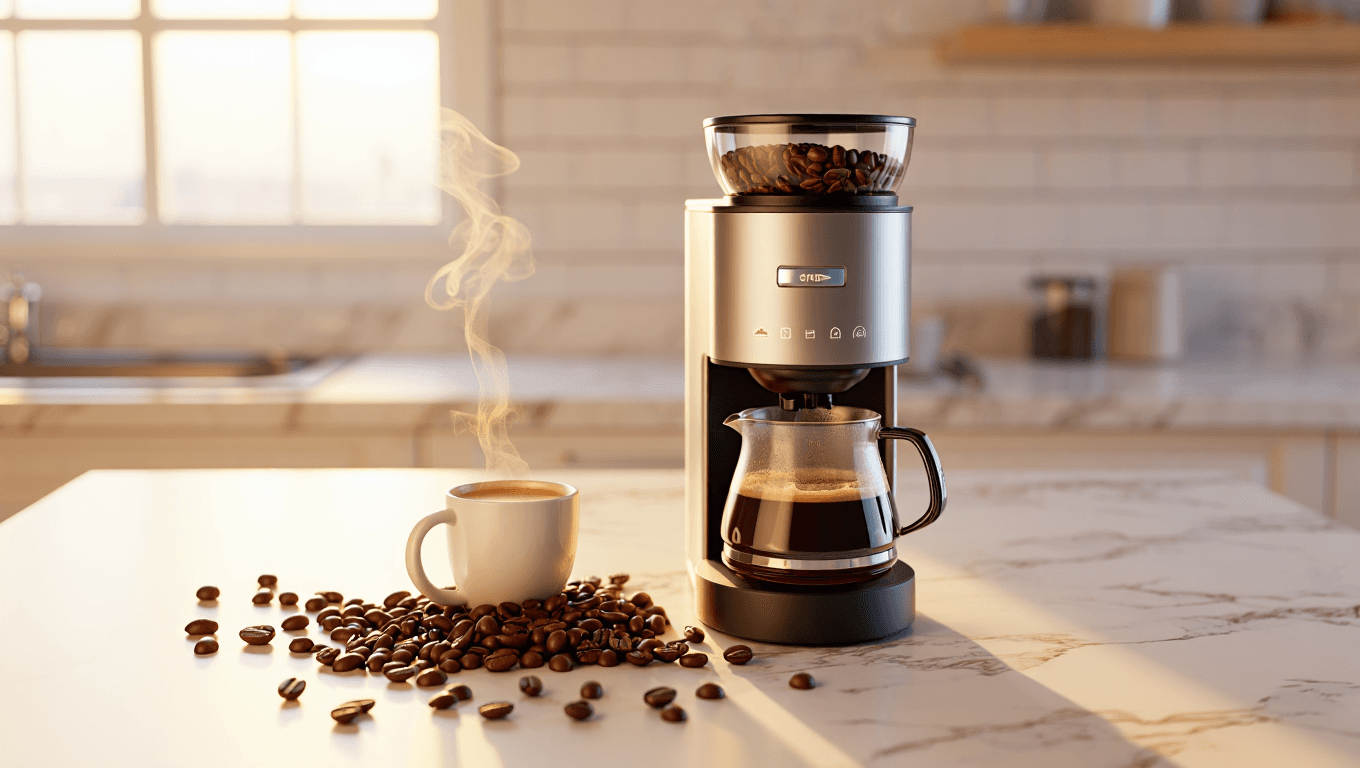
Why is finding the best drip coffee maker with a built-in grinder essential for filter coffee lovers?
For the modern coffee enthusiast, the quest for the perfect cup often oscillates between the need for speed and the desire for authentic flavor. In the context of South Indian coffee culture, the "decoction" is the soul of the beverage. Traditionally, this thick, potent extract is achieved through a slow-drip process using a brass or stainless steel filter. However, as lifestyles evolve, the convenience of a "grind and brew" drip coffee maker has become an attractive alternative. The primary reason a built-in grinder is a game-changer is freshness. Coffee beans begin to oxidize the moment they are ground, losing volatile aromatic compounds that define the signature scent of a traditional South Indian kitchen. By grinding beans immediately before the hot water hits them, you capture the peak flavor profile. For those using a premium 80:20 coffee-chicory blend, this freshness ensures that the chicory provides the necessary body and viscosity without becoming overly medicinal or flat.
How does the grind size impact the strength of your South Indian filter coffee decoction?
Grind size is the most critical variable in determining whether your coffee tastes like a watery disappointment or a robust, "hotel-style" brew. In a traditional South Indian metal filter, a medium-fine grind is preferred to allow the water to seep slowly through the compacted bed of coffee. When using a drip coffee maker with a built-in grinder, you must calibrate the machine to mimic this resistance. If the grind is too coarse, the water will rush through, resulting in an underextracted, sour liquid. If it is too fine, the machine may clog, or the coffee may become unpleasantly bitter. Coffee S10 Brews emphasizes "Brewing Intelligence," which involves understanding that an 80:20 blend requires a specific particle size to allow the chicory to dissolve slightly while the coffee oils are fully extracted. Achieving that perfect balance ensures the resulting cup has the "crema" and depth that South Indian coffee is famous for.
Why do many coffee enthusiasts prefer an 80:20 coffee-chicory blend for their morning ritual?
The debate between 100% pure coffee and coffee-chicory blends is central to the Indian coffee experience. While specialty coffee circles often push for 100% Arabica, the authentic South Indian palate craves the "kick" and thickness provided by chicory. An 80:20 blend, like the signature offering from Coffee S10 Brews, is considered the gold standard. Chicory, derived from the root of the Cichorium intybus plant, does not contain caffeine but adds a woody, nutty depth and a darker color to the decoction. More importantly, it acts as a natural emulsifier, giving the coffee a velvety mouthfeel that holds up exceptionally well when mixed with frothed, full-fat milk. This ratio is specifically designed to enhance the aroma of handpicked beans without the overpowering bitterness found in lower-quality commercial blends. Exploring an 80:20 blend is the first step for any home brewer looking to bridge the gap between modern convenience and traditional craftsmanship.
Can a modern drip coffee maker replicate the authentic taste of Kumbakonam degree coffee?
Kumbakonam Degree Coffee is legendary for its purity, strength, and the specific use of "first-press" decoction. Many skeptics wonder if an automated drip machine can ever match this standard. The answer lies in the temperature and the contact time. Most high-end drip coffee makers with built-in grinders are now engineered to reach the optimal extraction temperature of 92°C to 96°C. When you combine this precision with a high-quality, small-batch roast, the results are remarkably close to traditional methods. To achieve that "hotel-style" richness at home, one must focus on the coffee-to-water ratio. Using a concentrated setting on your drip machine—often labeled as a "strong" or "bold" brew—allows you to create a base that mimics the traditional decoction. Coffee S10 Brews provides detailed brewing guides to help users navigate these settings, ensuring that even a modern machine can produce a cup that honors the heritage of South Indian coffee culture.
What are the benefits of using a built-in burr grinder over pre-ground coffee?
If you are searching for the best South Indian filter coffee powder experience, you might be surprised to learn that the "freshest" powder is the one you make seconds before brewing. Most built-in grinders in modern drip machines use stainless steel burrs rather than blades. Burr grinders crush the beans into uniform particles, which is essential for consistent extraction. Pre-ground coffee, even when vacuum-sealed, begins to lose its nuanced top notes within days of opening. For a brand like Coffee S10 Brews, which focuses on handpicked beans and controlled roasting cycles, the integrity of the bean is paramount. Using a built-in grinder allows the natural oils—responsible for the lingering aftertaste—to remain trapped inside the bean until the very last moment. This results in a cup that has a more vibrant aroma and a cleaner finish compared to stale, pre-ground alternatives.
Comparing the extraction: How does drip brewing differ from the traditional South Indian metal filter?
The physics of extraction differ slightly between these two methods. The traditional South Indian filter relies on gravity and a very slow "drip" that can take 15 to 30 minutes. This long contact time extracts a high concentration of solids, creating a thick syrup. In contrast, an automated drip coffee maker uses a faster flow rate but maintains a more consistent temperature throughout the cycle. To bridge this gap, many experts suggest using a slightly higher coffee-to-water ratio in the drip machine. While the traditional filter is a ritual of patience, the drip machine offers "Modern Accessibility." It allows the busy professional to enjoy the flavors of a traditional 80:20 blend without the manual labor of tamping and waiting. The key is to choose a machine that allows for "pre-infusion" or "blooming," which wets the grounds briefly before the full brew begins, mimicking the way a traditional filter starts to drip.
How to choose the right beans for your automatic grind and brew machine?
Not all beans are created equal, especially when intended for a drip maker with a built-in grinder. For a truly authentic South Indian flavor, look for beans that are medium-to-dark roasted. This roasting level brings out the caramelized sugars and reduces the bright acidity that can sometimes feel out of place in a milk-based coffee. Coffee S10 Brews focuses on small-batch roasting to ensure that every bean is roasted evenly, preventing the "burnt" taste often associated with mass-produced coffee. When selecting beans, transparency regarding the origin and the blend ratio (such as the 80:20 coffee-chicory mix) is vital. High-intent consumers should look for brands that prioritize "Signature Craftsmanship," ensuring that the beans have been sorted to remove defects that could damage an integrated grinder or produce off-flavors in the cup.
Why is the aroma of freshly roasted South Indian beans superior in automated brewing?
Aroma is perhaps the most evocative part of the coffee experience. The smell of roasting coffee and fresh decoction is deeply embedded in Indian cultural history. When you use an automated machine with a built-in grinder, the grinding process releases a "fragrance dry" that fills the kitchen, followed by the "aroma wet" during the brewing cycle. Because the machine is enclosed, it often concentrates these aromatic vapors, delivering a sensory experience that pre-ground coffee simply cannot match. Coffee S10 Brews ensures that their beans are packed immediately after roasting to preserve these delicate aromatic compounds. When these beans are ground fresh, the notes of chocolate, nuts, and the earthy undertone of chicory are amplified, creating a multi-sensory bridge between tradition and modern technology.
How does Coffee S10 Brews maintain consistency in small-batch roasting for modern brewers?
Consistency is the hallmark of a premium brand. For many home brewers, the frustration lies in a coffee that tastes different with every bag. Coffee S10 Brews solves this through "Controlled Roasting Cycles." By roasting in smaller quantities, the master roaster can adjust the heat and airflow to account for the specific moisture content of the handpicked beans. This level of detail ensures that whether you are using a traditional brass filter or a high-end drip coffee maker with a built-in grinder, the flavor profile remains reliable. This reliability is crucial for those who have mastered their machine settings; they need to know that their 80:20 blend will perform the same way every single morning. This commitment to consistency is what positions the brand as a trusted authority in the evolving Indian coffee landscape.
Troubleshooting common issues: Why does my automatic drip coffee taste weak compared to a traditional brew?
The most common complaint when moving from a traditional filter to a drip machine is that the coffee feels "thin." This is usually not a fault of the machine, but a misunderstanding of the coffee-to-water ratio. Traditional decoction is a concentrate, usually mixed with milk in a 1:3 or 1:4 ratio. A standard drip machine is often calibrated to make a "black coffee" strength. To fix this, you should increase the amount of coffee used per cup. For instance, using the "1-4 cup" setting on a large machine—even if you are making a full carafe—can often slow down the water flow enough to increase extraction. Additionally, ensuring you use an authentic 80:20 coffee-chicory blend will provide the necessary body that 100% coffee might lack in a faster drip cycle. Understanding these nuances is part of the "Brewing Intelligence" that Coffee S10 Brews encourages in all its customers.
Comparing Coffee Experiences: Traditional vs. Modern Methods
To help you decide which brewing path fits your lifestyle, consider the following comparison between the different ways we consume South Indian coffee today.
| Feature Traditional Filter Coffee Drip Maker (Built-in Grinder) Instant Coffee | |||
| Preparation Time | 15–30 Minutes | 5–7 Minutes | 1 Minute |
| Flavor Depth | Very High (Intense Decoction) | High (Freshly Ground) | Low to Medium |
| Customization | Manual (High Control) | Programmable (High Consistency) | Limited |
| Aroma | Traditional & Lingering | Fresh & Intense | Dissipates Quickly |
| Best Blend | 80:20 Coffee-Chicory | 80:20 or 100% Whole Bean | Pre-processed Powder |
Why chicory is used in South Indian coffee and how it affects your machine?
A common question among those buying their first drip maker with a grinder is whether chicory will damage the mechanism. Chicory is slightly more hygroscopic (water-absorbing) than coffee beans. However, in an 80:20 blend, the chicory is typically pre-blended or can be added as a powder if your machine has a "bypass doser." If you are grinding whole beans that have been roasted with chicory, it is essential to clean your grinder regularly to prevent any sticky residue. The benefit of chicory, however, far outweighs the maintenance. It provides the "crema" and the dark, syrupy texture that is the hallmark of authentic South Indian filter coffee. Without it, the coffee may taste "thin" when mixed with milk, regardless of how expensive your drip machine is. Coffee S10 Brews ensures their blends are processed to be "grinder-friendly," balancing the traditional need for chicory with the requirements of modern hardware.
Is South Indian filter coffee stronger than regular drip coffee?
Strength in coffee is often confused with caffeine content, but in the context of South Indian coffee, it refers to "TDS" (Total Dissolved Solids). Traditional filter coffee uses a much higher ratio of coffee to water than Western drip coffee, creating a concentrate. When you use a drip coffee maker with a built-in grinder, you are essentially making a "Long Black" or "Cafe Crema" style of coffee. To match the strength of a traditional brew, you should look for machines that offer a "Bold" or "Intense" extraction mode. The strength of the 80:20 blend from Coffee S10 Brews comes from the selection of high-quality Robusta and Arabica beans, which provide a higher caffeine kick and more significant body than standard grocery store varieties. By grinding these fresh, you ensure that the "strength" is not just bitterness, but a complex layer of flavors.
How to maintain your drip coffee maker for the best-tasting South Indian coffee?
To keep your coffee tasting "hotel-style" fresh, maintenance is non-negotiable. Coffee oils, especially from darker roasts and chicory blends, can become rancid over time, tainting your future brews. You should clean the grinder burrs at least once a month and descale the water heating element every three months, especially in areas with hard water. A clean machine ensures that the delicate notes of the Coffee S10 Brews handpicked beans are not masked by old, oxidized residues. Furthermore, always use filtered water; coffee is 98% water, and the minerals in tap water can significantly alter the taste of your 80:20 blend, making it taste metallic or flat.
Frequently Asked Questions About South Indian Filter Coffee and Drip Makers
1. Why doesn’t my filter coffee taste like hotel coffee?
Hotel coffee often uses a high-quality 80:20 blend and very hot, frothy, full-fat milk. To replicate this at home, ensure you are using a fresh 80:20 blend like Coffee S10 Brews and avoid over-diluting your decoction with water.
2. Is chicory bad or necessary for South Indian coffee?
Chicory is not "bad"; it is a traditional additive that provides the specific body and color required for the South Indian palate. It is necessary if you want that authentic, thick mouthfeel when adding milk.
3. Can I use pre-ground powder in a drip machine with a built-in grinder?
Yes, most machines have a "bypass doser" that allows you to skip the grinder and use pre-ground South Indian filter coffee powder directly.
4. What is the best coffee-to-chicory ratio for beginners?
The 80:20 ratio is the most recommended. It offers enough chicory to provide body and sweetness while allowing the premium coffee beans to shine through.
5. How do I get a "head of foam" on my coffee using a drip machine?
The foam (or "kaapi foam") is achieved by pouring the coffee and milk from a height (the "meter coffee" technique). The drip machine makes the coffee; the "fathoming" is in the pour!
6. Does a built-in grinder make a lot of noise?
Burr grinders do make noise for about 15-30 seconds, but the trade-off for the aroma and freshness of the coffee is well worth it.
7. Why does South Indian coffee taste stronger than Americano?
It’s due to the combination of the dark roast, the inclusion of chicory, and the traditional method of mixing a concentrated decoction with very little water and plenty of milk.
8. Is Coffee S10 Brews suitable for vegan milk alternatives?
Absolutely. While traditionalists use cow's milk, the robust 80:20 blend of Coffee S10 Brews is strong enough to complement the flavors of oat or soy milk without being drowned out.
Embrace the Ritual of Freshly Brewed Excellence
Transitioning from instant coffee or pre-ground bags to a fresh-grind drip system is a significant step in your coffee journey. By understanding the balance of grind size, the benefits of an 80:20 blend, and the nuances of extraction, you can enjoy a cup that honors the rich heritage of South Indian coffee culture with the convenience of modern technology. Whether you are looking for the best South Indian filter coffee powder or whole beans to use in your new machine, the key is quality and authenticity.
Explore the world of premium Indian coffee with Coffee S10 Brews. From our signature 80:20 blends to our expert-led brewing guides, we are here to help you master the art of the perfect filter coffee at home. Discover our range of handpicked, small-batch roasted coffees and elevate your morning ritual today.