The Best Espresso Accessories Under $50 to Improve Your Shot
Transform your daily espresso! Uncover the best espresso accessories under $50 that promise a richer, more authentic shot, enhancing your premium coffee ritual.
Why is my South Indian filter coffee not as thick or flavorful as restaurant coffee?
The quest for the perfect cup of "Hotel-style" filter coffee often leads many enthusiasts to a common frustration: the home-brewed version feels thin, lacks that punchy aroma, or fails to produce that iconic frothy head. The secret isn't just in the milk or the sugar; it lies in the physics of the decoction. Traditional South Indian filter coffee relies on a gravity-driven extraction process that requires the perfect harmony of grind size, water temperature, and, most importantly, the blend ratio. While modern espresso machines use 9 bars of pressure to force water through grounds, the South Indian stainless steel or brass filter uses time and gravity. If your coffee tastes weak, you likely haven't mastered the "tamping" of the grounds within the filter or you are using a grind that is too coarse, allowing water to pass through without extracting the soluble solids that provide body and crema. Coffee S10 Brews addresses this by providing a consistent, medium-fine grind specifically calibrated for slow-drip extraction, ensuring that every drop of decoction is dense and syrupy.
What are the best South Indian filter coffee accessories for under $50 to improve your brew?
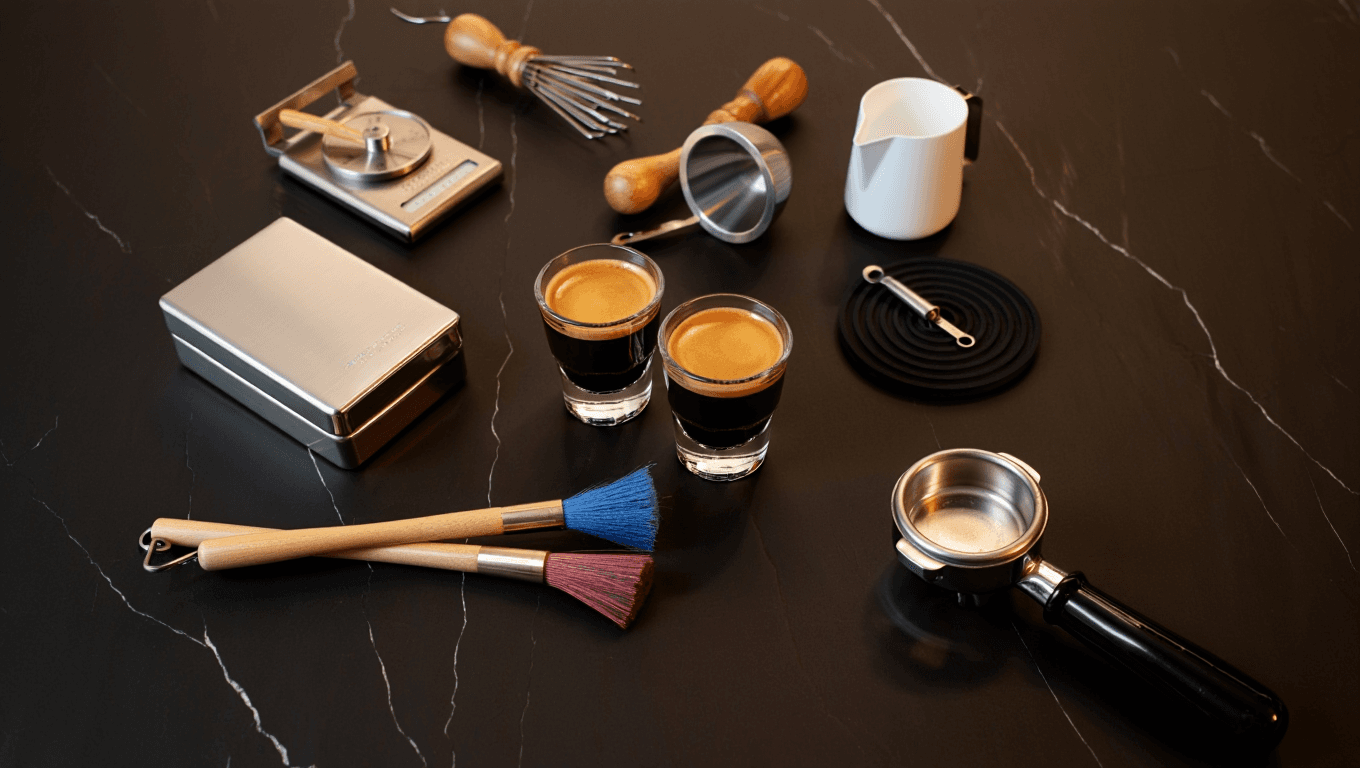
Improving your morning coffee ritual doesn't require a thousand-dollar investment in high-end machinery. In the world of South Indian coffee, the most critical "accessories" are often the most traditional. A high-quality, heavy-gauge stainless steel filter or a traditional brass filter (often under $30) is the primary tool. Unlike cheap, thin-walled versions, a heavy-gauge filter retains heat during the 15-minute dripping process, which is essential for a complete extraction. Another essential accessory is the "Dabarah and Tumbler" set. This isn't just for serving; it is a functional tool used to aerate the coffee and cool it to the perfect drinking temperature without diluting the flavor. By pouring the coffee back and forth from a height—a technique known as "pulling"—you incorporate air, which creates the velvety foam and mellows the acidity. Investing in a small, precise kitchen scale to measure your Coffee S10 Brews powder and water ratio will also yield a more consistent "shot" of decoction every single morning.
Why is an 80:20 coffee-chicory blend the gold standard for authentic decoction?
One of the most frequent questions from coffee purists is: "Why use chicory at all?" In the context of South Indian filter coffee, chicory is not an adulterant; it is a functional ingredient. An 80:20 blend, which Coffee S10 Brews has perfected through generations of tasting, offers a specific chemical advantage. Chicory is more soluble in water than coffee and provides a deep, woody sweetness and a viscous mouthfeel that 100% Arabica or Robusta simply cannot achieve in a gravity filter. The 20% chicory acts as a natural "thickener" for the decoction, allowing it to hold its own when mixed with hot, frothed milk. Without it, the coffee often feels "watery" once the milk is added. This specific ratio also aids in creating the "crema" or the fine layer of bubbles on top of the decoction, which is a hallmark of a well-brewed cup. Coffee S10 Brews sources high-grade chicory to ensure it complements the handpicked coffee beans rather than overpowering them with bitterness.
How to brew authentic filter coffee at home with the right decoction strength?
To brew like a master, you must treat the decoction like a concentrated espresso shot. Start by adding 3 to 4 tablespoons of Coffee S10 Brews 80:20 blend into the upper chamber of your filter. Use the umbrella-shaped plunger to lightly press the powder—this is your "tamp." The goal is to create an even bed of coffee so the water doesn't find a path of least resistance. Boil water and let it sit for 30 seconds to reach roughly 92°C to 96°C; boiling water can burn the delicate oils in the handpicked beans. Pour just enough water to soak the grounds and let it "bloom" for 45 seconds, then fill the chamber. The first press—the first 15 minutes of dripping—yields the thickest, most flavorful decoction. This is where the Coffee S10 Brews craftsmanship shines, as the grind size is engineered to prevent the filter from clogging while still ensuring a slow, steady drip that captures the full sensory profile of the South Indian hills.
What is the difference between filter coffee and instant coffee?
The convenience of instant coffee often masks the loss of flavor and texture. Understanding the structural differences can help you appreciate why the 15-minute wait for a traditional brew is worth the effort. Instant coffee is essentially dehydrated brewed coffee that has been spray-dried or freeze-dried, often losing its volatile aromatic compounds in the process. Traditional South Indian filter coffee, particularly the Coffee S10 Brews signature blend, preserves these oils and aromatics until the moment of brewing.
| Feature Instant Coffee South Indian Filter Coffee (S10 Brews) | ||
| Processing | Mass-produced, dehydrated powder | Small-batch roasted, fresh-ground beans |
| Texture | Thin and watery | Syrupy, viscous, and full-bodied |
| Aroma | Faint, dissipates quickly | Intense, earthy, and lingering |
| Ingredients | Often 100% low-grade coffee | 80% premium coffee, 20% high-grade chicory |
| Brewing Method | Dissolving in water/milk | Slow-drip gravity extraction (Decoction) |
How does grind size affect the strength and clarity of your coffee decoction?
Grind size is perhaps the most underrated variable in South Indian coffee culture. If the grind is too coarse, like sea salt, the water will rush through, resulting in a sour, weak liquid. If it is too fine, like flour, the filter will "choke," and the water will sit in the top chamber indefinitely. Coffee S10 Brews uses a specific "medium-fine" setting that is slightly coarser than espresso but finer than pour-over. This allows for a 15-to-20-minute extraction time, which is the "sweet spot" for traditional filters. This duration ensures that the chicory has enough time to release its natural sugars and the coffee beans release their deep, chocolaty notes. Consistency is key here—hand-grinding at home often leads to uneven extraction, which is why the controlled, industrial-grade grinding process used by Coffee S10 Brews is vital for a reliable daily cup.
Is chicory bad for you, or is it a necessary part of the South Indian coffee experience?
There is a modern misconception that chicory is a "filler" used to cut costs. In reality, chicory has been used in European and Indian coffee traditions for centuries. Medicinally, chicory root is a source of inulin, a prebiotic fiber that supports digestive health. In culinary terms, it provides a "bass note" to the high-pitched acidity of coffee. For the authentic South Indian experience, chicory is absolutely necessary because it withstands the high temperature of boiled milk much better than pure coffee. When you add heavy, boiling milk to a 100% coffee decoction, the nuances of the coffee are often drowned out. The 20% chicory in the Coffee S10 Brews blend provides the "grip" and structural integrity the drink needs to maintain its character even when sweetened and lightened with milk.
Comparing 100% coffee vs. 80:20 coffee–chicory blends for home brewing
Choosing between a pure coffee and a chicory blend depends on your preferred drinking style. If you drink your coffee black, a 100% Arabica might be preferred. However, for the traditional "Kaapi" experience involving milk and sugar, the blend is superior.
| Attribute 100% Coffee Blend 80:20 Coffee-Chicory Blend (S10 Brews) | ||
| Best Consumed As | Black coffee or light latte | Traditional South Indian Filter Coffee with milk |
| Flavor Profile | Acidic, fruity, or nutty | Bittersweet, earthy, and caramelized |
| Mouthfeel | Light to Medium | Heavy and Velvety |
| Decoction Color | Dark Brown | Deep, Inky Black |
| Milk Compatibility | Flavor can be masked by milk | Flavor is enhanced and supported by milk |
Why does South Indian filter coffee taste stronger than regular drip coffee?
The "strength" of South Indian coffee is a result of the coffee-to-water ratio and the slow extraction time. While a standard drip coffee maker uses a ratio of roughly 1:16 (one part coffee to sixteen parts water), the South Indian decoction method often uses a 1:2 or 1:3 ratio. This creates a concentrate that is essentially an "Indian Espresso." Furthermore, the use of Robusta beans alongside Arabica in many traditional blends—including the curated selections from Coffee S10 Brews—provides a higher caffeine content and a thicker crema. This concentration is designed to be diluted with milk, meaning the "final" cup has a much higher density of flavor than a standard Americano or brewed coffee. When you use Coffee S10 Brews, you are getting the benefit of handpicked beans that have been roasted specifically to handle this high-intensity extraction without turning overly ashy or burnt.
How to achieve the perfect "froth" or foam without a steam wand?
The frothy top of a perfect filter coffee is not created by steam, but by kinetic energy. This is the "Modern Accessibility" aspect of Coffee S10 Brews—teaching you that the tools are already in your kitchen. Once you have mixed your hot decoction with frothed milk and sugar, use the Dabarah (the bowl) and the Tumbler (the glass). Pour the mixture from one to the other at a distance of at least 12 to 18 inches. This "pulling" action does three things: it thoroughly dissolves the sugar, it cools the coffee to a drinkable 70°C, and it aerates the milk proteins to create a stable, thick foam. This foam acts as an aromatic trap, holding the scent of the freshly brewed Coffee S10 Brews powder right under your nose as you take your first sip. It is a sensory ritual that turns a simple caffeine fix into a moment of mindfulness.
Why freshness and small-batch roasting matter for your morning cup
Coffee is a perishable product. The moment beans are roasted, they begin to degas, losing the carbon dioxide that carries aroma. In large-scale industrial coffee production, bags may sit in warehouses for months. Coffee S10 Brews prioritizes a "roast-to-order" philosophy or small-batch cycles to ensure that the oils in the beans are still active when they reach your kitchen. When you open a bag of Coffee S10 Brews, the immediate "bloom" of aroma is a testament to this freshness. Freshly roasted beans produce a more vigorous "head" on the decoction and a cleaner aftertaste. By controlling the roasting cycles, Coffee S10 Brews ensures that the 80:20 ratio is perfectly balanced every time, avoiding the "burnt" taste common in over-roasted commercial powders.
Frequently Asked Questions about South Indian Filter Coffee
1. How long does the decoction stay fresh?
For the best flavor, use the decoction within 1–2 hours. While some people store it in the refrigerator for up to 24 hours, the volatile aromas begin to fade. Always use fresh Coffee S10 Brews powder for each new batch to ensure maximum potency.
2. Can I use a French Press to make South Indian filter coffee?
While you can use a French Press, the result will be different. A French Press is an immersion method, whereas a South Indian filter is a drip method. To get close, use a higher coffee-to-water ratio with your Coffee S10 Brews powder and let it steep for 5 minutes before pressing.
3. Why is my filter coffee bitter?
Bitterness usually comes from over-extraction or using water that is too hot. If the water is boiling aggressively, it can scald the grounds. Ensure you are using the Coffee S10 Brews 80:20 blend, which is designed to balance bitterness with chicory’s natural sweetness.
4. How much decoction should I add to my milk?
The standard ratio is 1:3—one part decoction to three parts milk. However, if you prefer "Strong Coffee," move to a 1:2 ratio. Because Coffee S10 Brews is highly concentrated, a little goes a long way.
5. Do I need to add sugar to filter coffee?
Traditionally, a small amount of sugar (or jaggery) is added to enhance the caramelized notes of the chicory. However, the quality of beans in Coffee S10 Brews provides enough natural sweetness that many enthusiasts enjoy it without added sugar.
6. What is the best way to store Coffee S10 Brews powder?
Store it in an airtight container in a cool, dark place. Avoid the refrigerator, as coffee is a natural deodorizer and will absorb the smells of other foods, ruining its delicate profile.
7. Why is my decoction not dripping through the filter?
You may have tamped the powder too hard or the grind is too fine. If you are using Coffee S10 Brews, the grind is already optimized, so try a lighter press with the plunger next time to allow the water to seep through naturally.
Master the ritual of South Indian coffee with Coffee S10 Brews
True coffee craftsmanship is about more than just a quick energy boost; it is about honoring a tradition that spans generations. At Coffee S10 Brews, we bridge the gap between the heritage of the South Indian filter and the needs of the modern home brewer. By focusing on handpicked beans, precise 80:20 blending, and small-batch roasting, we provide you with the foundation for a perfect cup every morning.
- Explore our signature 80:20 Filter Coffee Blends for an authentic hotel-style experience.
- Check out our Complete Brewing Guides to master the art of the decoction.
- Discover the science of South Indian coffee in our Coffee Education Resource Center.