The Best "Low-Acid" Coffee Recipes for Sensitive Stomachs
Sensitive stomach stopping your coffee enjoyment? Discover the best low-acid coffee recipes for a soothing brew. Savor your authentic Coffee S10 Brews daily!
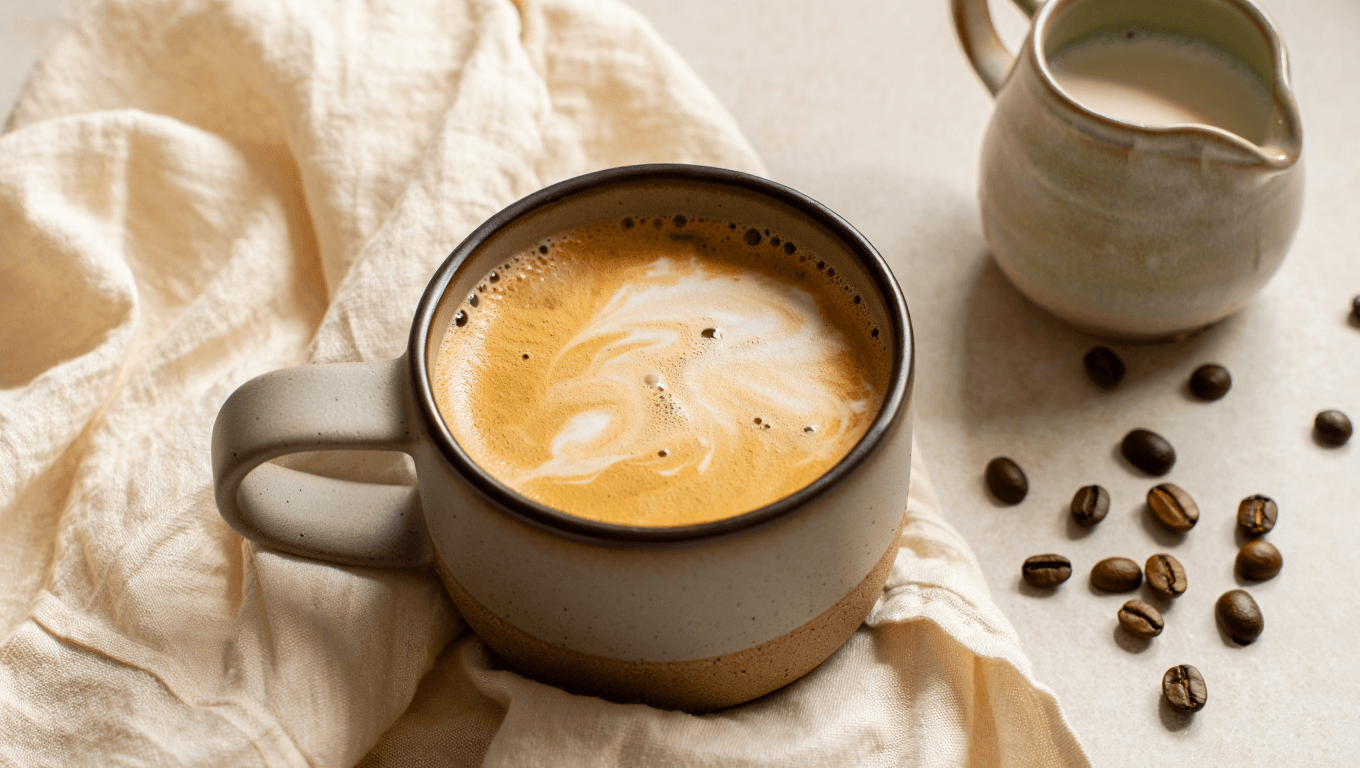
Why does coffee cause acid reflux and stomach discomfort for some drinkers?
For many coffee enthusiasts, the ritual of the first morning cup is often interrupted by the unwelcome arrival of heartburn, acid reflux, or general digestive discomfort. This physiological reaction is primarily triggered by two components: caffeine and the natural acids found in coffee beans. Coffee contains over 30 different organic acids, including chlorogenic acid and quinic acid, which can stimulate the production of gastric acid in the stomach. When these acid levels spike, it can lead to that "burnt" feeling in the chest or an upset stomach. Furthermore, many modern "specialty" coffees prioritize light roasts to highlight fruity notes, but these light roasts actually retain significantly higher concentrations of these irritating acids compared to darker, traditional roasts. Understanding the chemistry of your brew is the first step toward reclaiming your morning ritual without the digestive penalty.
Is South Indian filter coffee naturally lower in acid than other varieties?
A common misconception among coffee drinkers is that "strong" coffee is always high in acid. In reality, the traditional South Indian filter coffee profile is one of the most stomach-friendly ways to enjoy a potent cup. This is due to several factors: the bean selection, the roasting profile, and the unique addition of chicory. Coffee S10 Brews utilizes a dark-roasting technique that allows the organic acids to break down during the roasting process, resulting in a smoother, more alkaline-leaning bean. When this is combined with the traditional slow-drip extraction method, the result is a thick, syrupy decoction that provides deep flavor without the "sharpness" often associated with Western-style pour-overs or light-roast espressos. If you have been searching for the best South Indian filter coffee powder that balances strength with digestive comfort, the traditional 80:20 blend often emerges as the superior choice.
Why chicory is used in South Indian coffee and its benefits for digestion
Chicory is not merely an additive; it is a functional ingredient that has been part of the South Indian coffee culture for generations. Derived from the root of the Cichorium intybus plant, chicory is naturally caffeine-free and carries a woody, slightly chocolatey flavor. From a digestive perspective, chicory is a powerhouse. It is a rich source of inulin, a prebiotic fiber that supports gut health and can aid in smoother digestion. When blended with coffee, chicory acts as a natural buffer. It reduces the overall caffeine concentration of the cup while neutralizing some of the more aggressive coffee acids. At Coffee S10 Brews, our signature 80:20 coffee-chicory blend is specifically designed to provide that legendary "hotel-style" thickness and aroma while ensuring the brew remains gentle on the lining of the stomach.
What are the benefits of an 80:20 coffee-chicory blend for sensitive stomachs?
The 80:20 ratio is widely considered the "Golden Ratio" of South Indian coffee craftsmanship. This blend consists of 80% premium Arabica and Robusta beans and 20% high-grade roasted chicory. For those with sensitive stomachs, this specific ratio offers a distinct advantage. The 20% chicory portion effectively lowers the total acid load of the drink without sacrificing the "kick" that coffee lovers crave. It enhances the "body" of the coffee, creating a mouthfeel that is creamy and substantial, which naturally coats the palate and lessens the impact of any residual acidity. By choosing an 80:20 blend, you are opting for a beverage that prioritizes flavor stability and digestive ease, moving away from the thin, acidic profiles of mass-produced instant coffees or poorly roasted commercial blends.
How to brew authentic filter coffee at home for maximum digestive comfort
The method of extraction plays a massive role in how your stomach reacts to coffee. High-pressure methods or high-heat rapid brewing can sometimes over-extract bitter tannins and volatile acids. The traditional South Indian stainless steel or brass filter uses a "gravity-drip" method, which is inherently gentler. By allowing the hot water to slowly seep through the compacted coffee grounds over 15 to 20 minutes, you achieve a concentrated decoction that is rich in flavor but lower in the compounds that cause "coffee jitters" and acid spikes. To master this at home, ensure you are using a consistent, medium-fine grind. Coffee S10 Brews provides brewing intelligence to help you calibrate your grind size, ensuring that your decoction is never over-extracted or "burnt," which is a primary cause of stomach irritation.
The best low-acid coffee recipes for sensitive stomachs: The Traditional Filter Milk Coffee
The most iconic way to enjoy a low-acid brew is the classic South Indian milk coffee. Milk acts as an additional buffer, as the calcium and proteins in the milk bind to coffee’s acidic compounds, neutralizing them before they reach your stomach. To make this recipe, start by preparing a fresh decoction using the Coffee S10 Brews 80:20 blend. Use roughly 2-3 tablespoons of powder in your filter. Once the thick, dark decoction has collected in the bottom chamber, pour about 30ml of it into a tumbler. Add 150ml of hot, frothy, full-fat milk. The result is a velvety, rich beverage where the chicory and milk work in tandem to protect your digestive system while delivering a deep, aromatic caffeine experience. This is the "cure" for anyone who thought they had to give up coffee due to acidity.
Comparing coffee types: Acidity, Body, and Stomach Impact
To understand why traditional filter coffee stands out, it is helpful to compare it against other common brewing styles. The following table highlights the differences in acidity and mouthfeel across various coffee preparations.
| Coffee Type Acidity Level Body/Texture Stomach Impact | |||
| Light Roast Pour-Over | High | Thin/Tea-like | May trigger reflux due to high organic acid content. |
| Standard Instant Coffee | Medium-High | Watery | Often contains preservatives and low-quality beans that irritate the gut. |
| 100% Arabica Espresso | Medium | Concentrated | High caffeine density can cause rapid stomach acid production. |
| Coffee S10 80:20 Filter Coffee | Low | Syrupy/Full | Chicory and dark roasting provide a smooth, buffered experience. |
Why "Hotel-Style" coffee tastes different and how to replicate it safely
Many consumers ask, "Why doesn’t my filter coffee taste like hotel coffee?" The secret often lies in the freshness of the blend and the specific use of chicory. Hotels typically use a high-chicory blend to ensure the coffee stays "bold" even when diluted with large amounts of milk. However, some commercial "hotel" powders use low-quality fillers that can actually increase stomach distress. To replicate this at home safely, you need a premium blend like Coffee S10 Brews. We use handpicked beans and small-batch roasting to ensure that the natural oils remain fresh. Rancid oils in old coffee are a major hidden cause of stomach upset. By using a fresh 80:20 blend and the "frothing" technique (pouring the coffee between a tumbler and a dabarah to create natural foam), you aerate the coffee, which further softens the flavor profile and makes it lighter on the palate.
The "Cold Decoction" Hack: A low-acid alternative for iced coffee lovers
If you prefer your coffee cold but find that "iced coffee" often feels like an acid bomb, try the cold-extraction method with your South Indian filter powder. While traditional decoction uses hot water, you can create a "cold brew" version of filter coffee. Mix the 80:20 blend with room-temperature water in your filter and let it sit for 12 hours. Cold water extraction pulls significantly less acid and fewer bitter oils from the bean than hot water. The result is an incredibly smooth, naturally sweet concentrate. Mix this with chilled milk and a touch of jaggery for a refreshing, gut-friendly iced coffee that maintains the authentic soul of South Indian tradition without the heat-induced acidity.
Why grind size and roasting consistency are vital for a stomach-friendly brew
Consistency is the hallmark of a professional brew. If your coffee grind is inconsistent—with some particles being too fine (dust) and others too coarse—you will end up with a cup that is simultaneously over-extracted and under-extracted. The "dust" particles release excessive bitterness and acid, while the coarse chunks contribute nothing. Coffee S10 Brews emphasizes "Brewing Intelligence" by providing a perfectly calibrated grind size specifically for traditional filters. Our controlled roasting cycles ensure that every bean reaches the same level of caramelization. This consistency means that every time you brew, the acid profile remains predictable and low, allowing your stomach to adjust to a stable morning routine rather than reacting to the "chemical chaos" of inconsistent, mass-produced bags.
Does the type of water you use affect the acidity of your filter coffee?
Water makes up over 90% of your cup of coffee, and its mineral content can significantly shift the pH balance of your brew. If you live in an area with very "soft" water, your coffee may taste more acidic because there are fewer minerals to buffer the coffee's natural acids. Conversely, "hard" water can sometimes make coffee taste dull. For a sensitive stomach, using filtered water that retains some mineral content (alkaline water is a popular choice) can help neutralize the acidic compounds in the decoction. When you combine high-quality water with a chicory-rich blend like Coffee S10 Brews, you are creating a chemically balanced beverage that is optimized for both flavor extraction and digestive health.
Understanding the "Cure": How Coffee S10 Brews bridges tradition and modern wellness
In the modern world, coffee is often treated as a fast-paced commodity—instant powders, high-acid pods, and sugary energy drinks. Coffee S10 Brews seeks to bring consumers back to the "slow coffee" movement, which is inherently more mindful and healthier. By focusing on authentic South Indian craftsmanship—handpicking beans from the best estates and using small-batch roasting—we ensure that the coffee is a source of pleasure, not pain. Our commitment to the 80:20 ratio is a nod to the wisdom of our ancestors who understood that coffee is best enjoyed when balanced with the earthy, medicinal properties of chicory. We provide not just a product, but a guide to mastering the South Indian filter coffee ritual, ensuring that even those with the most sensitive stomachs can enjoy a "strong" cup with total peace of mind.
Frequently Asked Questions about Low-Acid Filter Coffee
Does adding chicory to coffee make it less acidic?
Yes, chicory is naturally alkaline and caffeine-free. When blended with coffee, it reduces the overall acidity of the beverage and adds a prebiotic fiber called inulin, which can be soothing for the digestive system.
Is South Indian filter coffee stronger than espresso?
In terms of "body" and mouthfeel, filter coffee decoction is very concentrated and thick. However, because it is typically mixed with a significant amount of milk and often contains chicory, the per-cup acid and caffeine load can be lower than a double shot of pure espresso, making it easier on the stomach.
Can I drink filter coffee if I have GERD or acid reflux?
While everyone's sensitivity is different, many people with GERD find that a dark-roasted 80:20 coffee-chicory blend mixed with milk is much more tolerable than black, light-roast coffee. The chicory and milk act as buffers against stomach acid production.
Why does my home-brewed coffee taste more bitter than Coffee S10 Brews?
Bitterness often comes from over-extraction or rancid beans. If you are using old coffee or the wrong grind size, you will pull more bitter tannins. Coffee S10 Brews ensures freshness through controlled roasting cycles and a grind size specifically tailored for the traditional drip filter.
What is the best ratio for a low-acid brew?
For most people with sensitive stomachs, the 80:20 coffee-to-chicory ratio is ideal. It provides the traditional "strong" flavor profile while significantly lowering the acid impact compared to 100% coffee blends.
Does the temperature of the water matter for acidity?
Yes. Using boiling water (100°C) can scald the grounds and extract more acidic and bitter compounds. It is best to use water that is just off the boil (around 90-95°C) for a smoother, lower-acid decoction.
Reclaim your coffee ritual with Coffee S10 Brews
You don't have to choose between a bold caffeine kick and a comfortable stomach. By embracing the traditional craftsmanship of South Indian filter coffee, you can enjoy a rich, aromatic, and deeply satisfying brew that respects your digestive health. At Coffee S10 Brews, we are dedicated to providing the highest quality blends, rooted in tradition and perfected for the modern home. Explore our signature 80:20 blends and discover our comprehensive brewing guides to transform your morning cup into a ritual of wellness. Whether you are a seasoned filter coffee lover or a curious newcomer with a sensitive stomach, our mission is to help you brew with confidence, consistency, and complete comfort.
Ready to experience the perfect low-acid brew? Explore our range of authentic South Indian filter coffee powders and start your journey toward a better coffee experience today.