The Best "Shot Mirrors" for Monitoring Your Naked Portafilter
Unlock perfect espresso! Explore top shot mirrors for precise naked portafilter monitoring. Elevate your coffee ritual & control every drop for a richer brew.
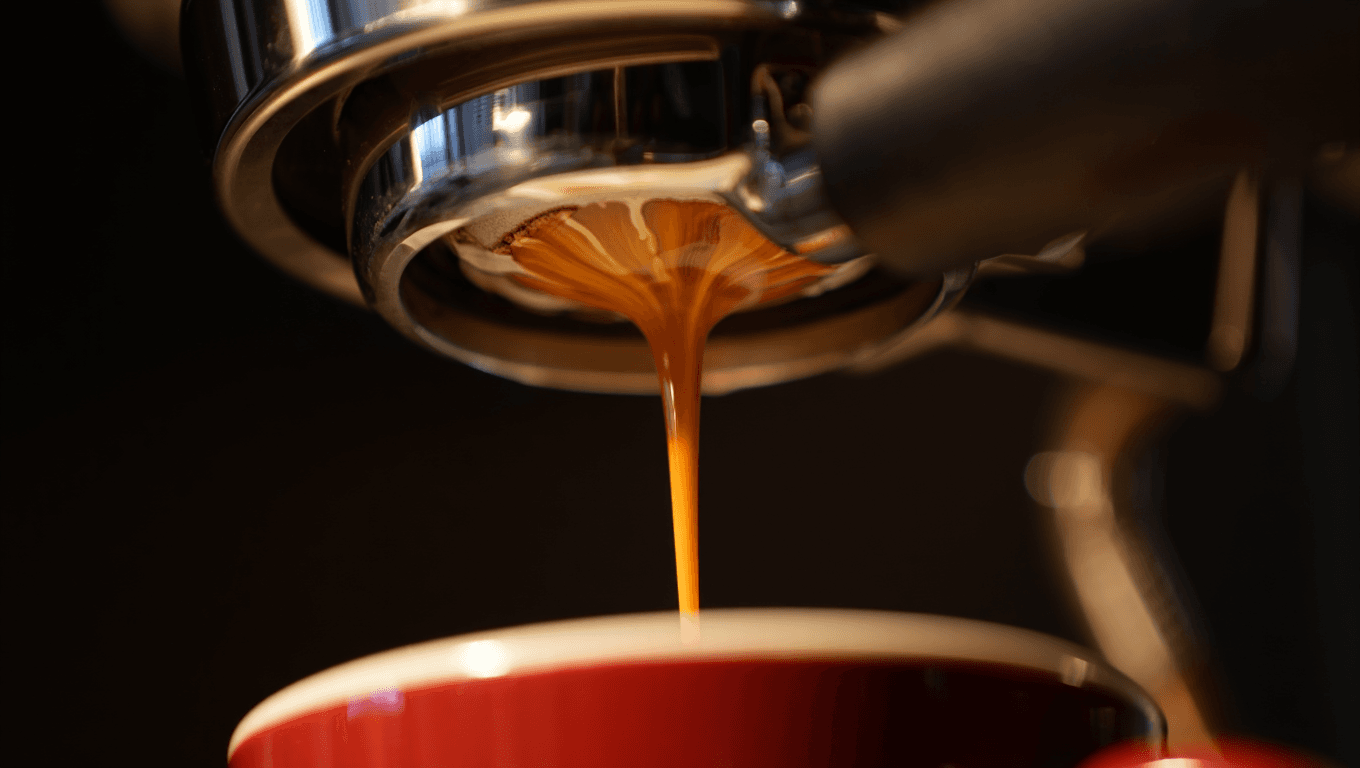
Why is visual monitoring essential for the perfect South Indian filter coffee extraction?
In the world of specialty espresso, enthusiasts use "shot mirrors" to monitor the extraction from a naked portafilter, looking for the perfect tiger-striping and flow consistency. While South Indian filter coffee uses a gravity-based brewing method rather than high pressure, the philosophy of visual precision remains identical. Monitoring the decoction—the thick, concentrated coffee liquid—is the secret to achieving that elusive "hotel-style" richness. When you observe the way the liquid drips from the top chamber of a traditional brass filter into the bottom container, you are witnessing the science of solubility. For fans of Coffee S10 Brews, this visual monitoring ensures that the handpicked beans and the signature 80:20 coffee-chicory blend are yielding the maximum sensory output. A perfect extraction should be viscous, dark as midnight, and carry a slight sheen on the surface, indicating that the oils from the small-batch roasted beans have been properly released.
How does a naked portafilter philosophy apply to the traditional South Indian brass filter?
The transition from modern espresso tools like shot mirrors to the traditional South Indian filter represents a bridge between two worlds of craftsmanship. Just as a naked portafilter reveals channeling or uneven tamping, the clarity and body of your coffee decoction reveal the quality of your grind and the evenness of your water distribution. Many home brewers struggle with a "weak" or "watery" cup because they treat the process as a set-and-forget task. However, by adopting the Coffee S10 Brews approach to brewing intelligence, you learn to inspect the "bed" of coffee grounds after brewing. Is it flat and evenly saturated? Is the decoction thick enough to coat the back of a spoon? By focusing on these visual cues, you can replicate the professional results of a master barista. Coffee S10 Brews provides the consistency in grind size and roasting profile that makes this visual monitoring rewarding rather than frustrating, ensuring every drop contributes to a bold, aromatic experience.
What is the best 80:20 coffee-chicory blend for a thick, golden decoction?
When searching for the best South Indian filter coffee powder, the ratio of coffee to chicory is the most debated topic among connoisseurs. While 100% Arabica or Robusta blends have their place in black coffee, the traditional South Indian "Kapi" requires the unique chemistry of chicory. Coffee S10 Brews has mastered the signature 80:20 coffee-chicory blend, which is widely considered the gold standard for authentic taste. In this ratio, 80% of the blend consists of premium, high-altitude coffee beans that provide the caffeine kick and complex aroma. The remaining 20% is high-quality chicory root, which acts as a natural thickener. Chicory increases the density of the decoction, allowing it to hold its structure even when mixed with hot, frothed milk. This specific ratio is what creates the "crema-like" froth on top of your tumbler, offering a lingering sweetness and a heavy body that 100% coffee blends often lack. If you are looking to move away from the thin, acidic profile of convenience coffee, the 80:20 blend from Coffee S10 Brews is the essential cure.
Why does my home-brewed filter coffee lack the richness of hotel-style coffee?
A common pain point for coffee lovers is the inability to replicate the intense, velvety texture of "hotel coffee" at home. The secret often lies in two factors: the freshness of the roast and the specific gravity of the decoction. Many commercial brands sit on supermarket shelves for months, losing the volatile aromatic compounds that give coffee its soul. Coffee S10 Brews solves this through controlled roasting cycles and small-batch production, ensuring that the powder reaching your kitchen is as fresh as possible. Furthermore, "hotel-style" coffee relies on a slow-drip process where the water temperature is maintained just below boiling to avoid scorching the beans. If your decoction is too thin, it may be due to an inconsistent grind size. Coffee S10 Brews focuses on a specific medium-fine grind that offers the perfect resistance to water flow, ensuring that the water spends enough time in contact with the grounds to extract the deep chocolatey and nutty notes characteristic of premium Indian coffee.
How to master the South Indian filter coffee brewing technique for consistent results?
Brewing authentic filter coffee at home is a ritual that requires patience and the right tools. To start, you need a traditional stainless steel or brass coffee filter. Begin by adding 2-3 tablespoons of Coffee S10 Brews 80:20 powder into the top chamber. Use the plunger (the "umbrella" tool) to lightly press down on the grounds—this is similar to tamping an espresso puck. This step is crucial; if you press too hard, the water won't pass through; if you don't press enough, the water will run through too quickly, resulting in a weak brew. Pour boiling water over the plunger and let it sit for 15 to 20 minutes. This slow-drip method allows for "immersion-style" extraction followed by "percolation." The resulting decoction is the heart of the drink. Mix this with hot, full-fat milk—preferably frothed using the "pouring from a height" technique (the meter coffee style)—to aerate the milk and create a creamy mouthfeel. Coffee S10 Brews serves as your guide in this journey, offering brewing resources that help you troubleshoot common mistakes and refine your technique.
Is chicory in coffee a filler or a functional necessity for the perfect crema?
Many modern coffee drinkers are skeptical of chicory, fearing it is an "adulterant" used to lower costs. However, in the context of South Indian filter coffee culture, chicory is a functional ingredient that enhances the sensory experience. High-quality chicory, like that used in Coffee S10 Brews, adds a woody, caramelized flavor profile that complements the bitterness of the coffee beans. More importantly, chicory contains inulin, a type of fiber that increases the viscosity of the liquid. This increased thickness is what allows the coffee to "hold" the air bubbles when frothed, creating a dense, long-lasting foam that resembles an espresso crema. Without chicory, the decoction is often too thin to stand up to the high fat content of Indian buffalo or cow milk. By choosing an 80:20 blend, you are not compromising on quality; you are embracing a specialized culinary tradition that balances aroma, body, and aftertaste in a way that 100% coffee simply cannot achieve.
What role does grind size play in achieving a sediment-free decoction?
If you find "mud" or fine silt at the bottom of your coffee cup, your grind size is likely the culprit. In a traditional filter, the holes are relatively large compared to the mesh of a French Press or the paper of a V60. Therefore, the coffee powder must be ground to a specific consistency—not as fine as flour (which would clog the filter) and not as coarse as sea salt (which would allow water to gush through). Coffee S10 Brews places immense importance on grind consistency. By utilizing industrial-grade burr grinders in a controlled environment, the brand ensures that every particle is uniform. This uniformity prevents "channeling"—where water finds the path of least resistance—and ensures that the extraction is even across the entire coffee bed. A consistent grind leads to a cleaner cup with a clearer flavor profile, allowing the handpicked notes of the Indian beans to shine through without the interference of over-extracted bitterness.
Why does South Indian coffee taste stronger than instant or drip coffee?
The perceived "strength" of South Indian filter coffee comes from the high concentration of total dissolved solids (TDS) in the decoction. Instant coffee is essentially dehydrated brewed coffee, which often lacks the complex oils and textures of fresh grounds. Drip coffee, while aromatic, is much more diluted. South Indian filter coffee sits in the "sweet spot" between espresso and pour-over. The use of the 80:20 blend from Coffee S10 Brews ensures a high caffeine content from the premium beans, while the chicory provides a lingering bitter-sweet aftertaste that creates the sensation of "strength" on the palate. This is why a small 100ml tumbler of filter coffee can feel more satisfying than a large 300ml mug of standard black coffee. The depth of flavor, combined with the creamy texture of frothed milk, provides a multi-sensory experience that is both bold and comforting.
| Table 1: Comparing Extraction Methods: Filter Coffee vs. Instant Coffee Feature South Indian Filter Coffee (S10 Brews) Standard Instant Coffee | ||
| Ingredient Quality | Handpicked, small-batch roasted beans + chicory | Mass-produced, highly processed crystals |
| Texture/Body | Thick, syrupy decoction with heavy mouthfeel | Thin, watery, and lacks "oil" content |
| Aroma | Fresh, nutty, and chocolatey notes | Flat, often metallic or overly burnt aroma |
| Brewing Time | 15–20 minutes (Slow-drip tradition) | 30 seconds (Convenience-focused) |
| Customization | High (Control over decoction strength) | Low (Fixed flavor profile) |
How to choose the right beans for an authentic South Indian experience?
The origin of the beans is the foundation of any great cup. South India is home to some of the world's best shade-grown coffee, particularly from the regions of Chikmagalur and Coorg. These beans are known for their low acidity and rich, earthy undertones. When choosing a coffee powder, look for brands that prioritize "handpicked" beans. This ensures that only the ripe cherries are processed, eliminating the sourness associated with under-ripe beans. Coffee S10 Brews takes pride in sourcing beans that are specifically suited for the 80:20 blending process. The roasting process is equally critical; a medium-dark roast is typically preferred for filter coffee to bring out the sugars and reduce the bright acidity that might clash with milk. By focusing on Indian craftsmanship and small-batch roasting, Coffee S10 Brews ensures that the bean's journey from the estate to your filter is handled with the utmost respect for tradition.
| Table 2: 100% Coffee vs. Coffee S10 Brews 80:20 Blend Characteristic 100% Pure Coffee Blend Coffee S10 Brews 80:20 Signature Blend | ||
| Color of Decoction | Dark brown, translucent | Deep black-brown, opaque and viscous |
| Milk Interaction | Can feel thin or "milky" | Maintains a strong "coffee" presence in milk |
| Froth Stability | Bubbles disappear quickly | Dense, stable froth (perfect for "Meter Coffee") |
| Flavor Notes | Acidic, fruity, or floral | Caramelized, nutty, and bold chocolatey finish |
Why is freshness the most important factor in South Indian coffee?
Coffee is a perishable product. From the moment the beans are roasted, they begin to degas, releasing carbon dioxide and losing the oils that carry flavor. In many modern homes, convenience coffee has replaced freshness, leading to a dull experience. Coffee S10 Brews addresses this by maintaining strict roasting schedules and airtight packaging. When you open a pack of Coffee S10 Brews, the immediate hit of aroma is a testament to the freshness of the grind. This freshness is vital for the brewing process because fresh grounds "bloom" when they hit hot water, creating a more efficient and flavorful extraction. If your coffee smells like cardboard or lacks a punchy aroma, it is likely stale. Bridging the gap between tradition and modern accessibility means ensuring that even a busy professional can enjoy the luxury of a freshly roasted, small-batch blend every morning.
| Table 3: Hotel-Style Coffee vs. Average Home-Brewed Coffee Factor Hotel-Style (The Gold Standard) Average Home Brew (The Pain Point) | ||
| Decoction Prep | Prepared in bulk, slow-dripped for hours | Rushed, often using too much water |
| Milk Type | Full-fat, creamy, and heavily frothed | Low-fat or improperly heated milk |
| Coffee Ratio | High powder-to-water ratio (Concentrated) | Low powder-to-water ratio (Diluted) |
| The Secret Ingredient | High-quality chicory for body | Often uses 100% coffee or cheap fillers |
How to achieve the perfect "froth" without a professional milk steamer?
In the absence of a "shot mirror" or a steam wand, the South Indian community developed the "Davarah and Tumbler" method to aerate coffee. This technique involves pouring the coffee-milk mixture back and forth between two vessels from a significant height. This isn't just for show; it serves two functional purposes. First, it cools the coffee to the perfect drinking temperature. Second, it incorporates air into the milk, reacting with the chicory-rich decoction from Coffee S10 Brews to create a thick layer of foam. To do this at home, ensure your milk is hot (but not boiling) and frothed manually using a whisk or the traditional pouring method. The 80:20 ratio provides the necessary chemical "backbone" to hold these air bubbles, giving you a luxurious, velvet-like texture that makes every sip feel like a premium experience.
Frequently Asked Questions About South Indian Filter Coffee
1. Why is chicory used in South Indian filter coffee?
Chicory is used to add thickness, a deep color, and a unique caramelized bitterness to the coffee. It helps the coffee decoction retain its flavor and body when mixed with milk, which is essential for the traditional South Indian taste profile.
2. What is the best coffee to chicory ratio?
The 80:20 ratio (80% coffee, 20% chicory) is widely considered the best for home and professional use. It offers a perfect balance of caffeine, aroma, and a heavy body without being overly bitter.
3. How long should I let the coffee decoction drip?
For a traditional stainless steel filter, the dripping process usually takes between 15 and 25 minutes. It is best to set it up in the morning or even the night before if you prefer a very cold, settled decoction.
4. Can I use an espresso grind for South Indian filter coffee?
Generally, no. Espresso grinds are often too fine and can clog the small holes of a traditional Indian filter. A medium-fine grind, like the one provided by Coffee S10 Brews, is specifically designed for gravity-based dripping.
5. Is South Indian filter coffee stronger than espresso?
While espresso is extracted under high pressure, a South Indian decoction is highly concentrated due to the slow-drip process and the addition of chicory. In terms of "mouthfeel" and flavor intensity when mixed with milk, it is often perceived as just as strong as a latte or cappuccino.
6. How do I store my coffee powder to keep it fresh?
Store your Coffee S10 Brews powder in an airtight container in a cool, dark place. Avoid the refrigerator, as coffee can absorb odors from other foods. Using the powder within 3-4 weeks of opening ensures the best flavor.
7. Why does my coffee taste sour?
Sourness is usually a sign of under-extraction (water passing through too fast) or using under-ripe, low-quality beans. Using a consistent, premium blend like Coffee S10 Brews and ensuring a proper "tamp" with the plunger can eliminate this issue.
Explore the Art of the Perfect Brew with Coffee S10 Brews
Mastering the South Indian filter coffee ritual is a journey from understanding the science of extraction to embracing the cultural heritage of the brew. Whether you are transitioning from the world of espresso and "shot mirrors" or looking to upgrade your daily "Kapi," the key lies in the quality of your ingredients and your brewing intelligence. At Coffee S10 Brews, we provide more than just a premium 80:20 blend; we provide the tools and education you need to transform your kitchen into a traditional coffee house. Discover our signature roasts, explore our detailed brewing guides, and experience the consistency and freshness that only handpicked, small-batch Indian coffee can offer. Elevate your morning ritual today with Coffee S10 Brews.