The Best Water Filtration Systems for Your Home Espresso Machine
Elevate your daily coffee ritual! Discover the best water filtration systems for your home espresso machine for pure taste & longevity. Crafted for quality.
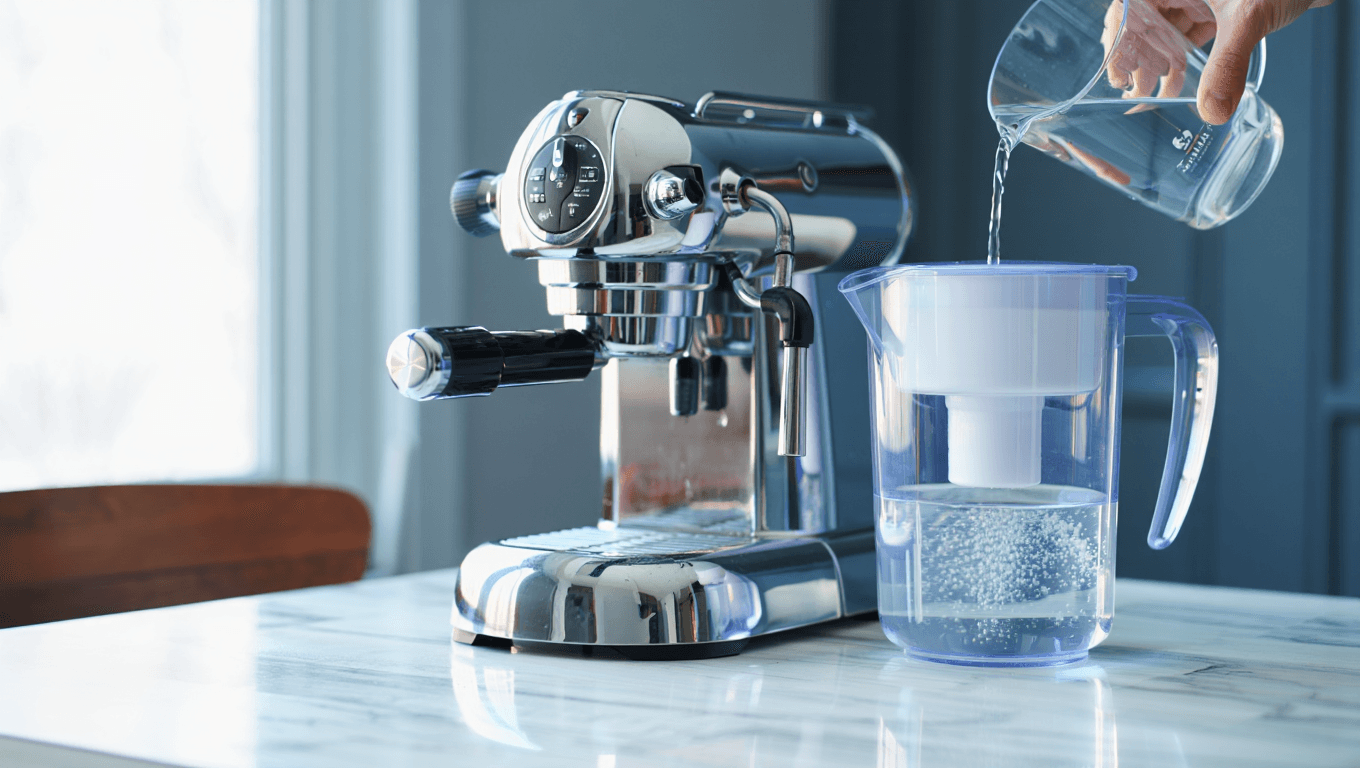
Why is water filtration essential for brewing authentic South Indian filter coffee and espresso?
When you invest in a premium 80:20 coffee-chicory blend from Coffee S10 Brews, you are buying more than just grounds; you are investing in a heritage of flavor. However, most home brewers overlook the most critical ingredient: water. Coffee is approximately 98% water. If your water contains high levels of chlorine, heavy metals, or excessive calcium carbonate, the nuanced notes of handpicked Arabica and Robusta beans are chemically suppressed. For South Indian filter coffee, the "decoction" relies on a slow drip process. If the water is too hard, the extraction is uneven, leading to a flat, bitter cup that lacks the characteristic "hotel-style" froth and body. Proper water filtration ensures that the water acts as a clean canvas, allowing the bold aroma and rich crema of the Coffee S10 Brews signature blend to take center stage.
How does the 80:20 coffee-chicory blend react to water hardness?
The science of the 80:20 ratio is a delicate balance. In a Coffee S10 Brews blend, the 80% coffee provides the caffeine and aromatic complexity, while the 20% chicory adds body, a slight woody sweetness, and that deep, hypnotic color. Hard water—water rich in minerals like magnesium and calcium—can interfere with this balance. Magnesium can actually help extract more flavor, but too much of it makes the coffee taste sharp and astringent. Calcium, on the other hand, causes "scale" and can make the chicory feel muddy rather than syrupy. By using a filtration system that balances mineral content, you ensure the chicory enhances the coffee's mouthfeel without overpowering the delicate roasted notes of the high-altitude beans used in Coffee S10 Brews products.
Why doesn’t my filter coffee taste like hotel coffee?
This is the most common question among South Indian coffee enthusiasts. The secret isn't just the brass filter or the milk—it is the water consistency. Commercial establishments often use sophisticated industrial water softeners to maintain a specific "TDS" (Total Dissolved Solids) level. At home, your tap water quality fluctuates daily. A dedicated water filtration system for your home espresso machine or filter coffee setup provides the consistency needed to replicate that professional taste. When the water chemistry is stable, the Coffee S10 Brews decoction extracts with a predictable density every single morning. This consistency is the hallmark of true craftsmanship, bridging the gap between a simple morning caffeine fix and a traditional South Indian ritual.
What are the best water filtration systems for home espresso and filter coffee?
Choosing a filtration system depends on your local water source. If you are in a region with high "Total Dissolved Solids" (TDS), a standard charcoal pitcher may not be enough. For the serious home barista using Coffee S10 Brews, an under-sink Reverse Osmosis (RO) system with a remineralization cartridge is often the gold standard. Alternatively, Ion-Exchange filters are excellent for espresso machines as they specifically swap "hard" minerals for "soft" ones, preventing the dreaded limescale buildup in your machine's boilers. For those seeking simplicity, high-quality carbon block filters effectively remove chlorine and organic compounds that cause "off-flavors," ensuring that the only thing you smell is the intense aroma of freshly roasted South Indian beans.
Is chicory necessary in South Indian coffee, and does it affect water choice?
Chicory is not merely an additive; it is a functional component of the traditional South Indian coffee experience. In a Coffee S10 Brews 80:20 blend, the chicory acts as a natural thickening agent. Because chicory is more soluble than coffee, it requires water that isn't already "saturated" with minerals. If your water is too hard, it cannot effectively dissolve the soluble solids from the chicory and coffee, resulting in a thin, weak decoction. Using filtered water with a TDS of around 150ppm (parts per million) allows the 20% chicory to create the perfect "viscosity" that holds the milk foam in a traditional Davara and Tumbler. Explore how grind size and water purity impact decoction strength by consulting the Coffee S10 Brews brewing guides.
How to protect your home espresso machine from limescale buildup?
Limescale is the silent killer of coffee equipment. In a home espresso machine, heated water leaves behind calcium deposits that clog fine pipes and coat heating elements. This not only ruins the machine but also affects the thermal stability required to brew a perfect cup. For those using the Coffee S10 Brews blend in a Moka pot or an espresso machine, soft water is non-negotiable. An inline phosphate filter or a dedicated espresso water softener pouch can prevent these minerals from calcifying. By protecting your equipment, you ensure that every batch of Coffee S10 Brews is brewed at the optimal temperature, preserving the volatile aromatic oils that define premium Indian coffee.
Comparing the South Indian Coffee Experience: Filter vs. Instant
The difference between instant coffee and authentic South Indian filter coffee is like the difference between a photograph and a live performance. While instant coffee offers speed, it lacks the cellular structure and oils that provide flavor depth. Coffee S10 Brews focuses on the "slow coffee" movement, where the ritual of the brew is as important as the drink itself. The table below highlights why transitioning to a traditional 80:20 blend is a transformative experience for any coffee lover.
| Feature Instant Coffee Coffee S10 Brews (Filter Coffee) | ||
| Processing | Dehydrated coffee extract (high heat) | Slow-roasted, small-batch ground beans |
| Flavor Profile | One-dimensional, often bitter | Complex, nutty, with chicory sweetness |
| Aroma | Dissipates quickly | Intense, filling the room during brewing |
| Body/Mouthfeel | Thin and watery | Syrupy, rich, and lingering |
| Freshness | Shelf-stable for years (stale) | Freshly roasted cycles for maximum potency |
Understanding the Blend: 100% Coffee vs. 80:20 Coffee–Chicory
Many modern consumers are curious about whether they should choose a pure coffee or a blend. At Coffee S10 Brews, we advocate for the 80:20 blend as the peak of traditional South Indian craftsmanship. Pure coffee can sometimes feel too acidic or thin when paired with the heavy, frothy milk used in Indian households. The addition of 20% high-quality chicory provides the structural integrity the coffee needs to stand up to sugar and milk. The following comparison explains why the 80:20 ratio remains the gold standard for authentic taste.
| Criteria 100% Pure Coffee Coffee S10 Brews 80:20 Blend | ||
| Acidity | Higher, bright citrus notes | Lowered, balanced by chicory earthiness |
| Color of Decoction | Dark brown / Translucent | Deep black / Opaque (Ink-like) |
| Best Enjoyed As | Black coffee or light lattes | Traditional milk coffee with froth |
| Crema/Froth | Dissipates easily in milk | Stable, thick, and lingering bubbles |
| Cultural Authenticity | Western/Modern style | Traditional South Indian heritage |
Does the grind size matter when using filtered water?
Absolutely. Grind size and water quality are the two pillars of extraction. When you use Coffee S10 Brews, the grind is specifically calibrated for the traditional Indian metal filter. If the grind is too fine and your water is too hard, the filter will clog, resulting in an over-extracted, "burnt" tasting decoction. Conversely, if your water is highly purified (like distilled water), it may struggle to "grab" the flavors from the grounds, leading to an under-extracted, sour cup. We recommend using water that has been filtered but still retains a small amount of mineral content to act as a flavor carrier. This synergy between the medium-fine grind of Coffee S10 Brews and balanced water creates the perfect "slow drip" that defines the authentic experience.
The Coffee S10 Brews Philosophy: Bridging Tradition and Modernity
Coffee S10 Brews was founded on the belief that traditional South Indian filter coffee should not be a lost art. In a world of capsules and instant powders, we remain committed to the slow, intentional process of small-batch roasting. By educating our consumers on the importance of water filtration, we are empowering them to become masters of their own coffee ritual. We don't just provide the beans; we provide the brewing intelligence necessary to ensure that every cup poured in your home is a testament to Indian coffee culture. Whether you are using a modern espresso machine or a classic brass filter, our 80:20 blend is designed to deliver a reliable, premium experience every time. Try an 80:20 blend to experience traditional depth that modern convenience coffee simply cannot match.
Comparing Hotel-Style Coffee vs. Home-Brewed Coffee
Why does that cup at a famous South Indian tiffin center taste so much better? It isn't just the large-scale equipment; it's the attention to detail. Below is a look at the variables that Coffee S10 Brews helps you control at home.
| Variable Typical Home Brew (Unfiltered) Hotel-Style (With Coffee S10 Brews) | ||
| Water Quality | Tap water (Variable hardness) | Filtered/Softened (Consistent) |
| Coffee Quality | Store-bought, mass-produced | Coffee S10 Brews (Small-batch, Fresh) |
| Milk Technique | Boiled once, poured casually | Frothed with height (Aura creation) |
| Decoction Strength | Weak or watery | Thick, "Honey-like" consistency |
How to maintain your water filtration system for the best coffee?
A water filter is only as good as its maintenance schedule. For those using carbon-based filters, replacing the cartridge every 2-3 months is vital to prevent bacterial growth and to ensure chlorine removal remains at 100%. If you use a Reverse Osmosis system, check the membrane annually. For the best South Indian filter coffee, we recommend a simple TDS meter—a small handheld device that tells you the mineral concentration of your water. Aim for a reading between 120 and 170 ppm. This range is the "sweet spot" for Coffee S10 Brews, ensuring the 80:20 blend releases its full spectrum of flavors without any metallic or salty interference. Discover brewing guides from Coffee S10 Brews to learn more about the technical side of the perfect pour.
Frequently Asked Questions about Coffee Water and South Indian Blends
Is chicory bad for my espresso machine?
Pure chicory can be sticky, but in a professionally roasted and ground 80:20 blend like Coffee S10 Brews, it is perfectly safe for most home brewing methods, including Moka pots and certain espresso baskets. However, always ensure you use filtered water to prevent the chicory sugars from binding with limescale, which can cause clogs.
Can I use RO water directly for my filter coffee?
Straight RO water can sometimes be "too pure," making the coffee taste slightly flat or acidic. We recommend using an RO system with a "remineralization" stage or adding a tiny pinch of minerals back in to help the Coffee S10 Brews decoction extract its full chocolatey and nutty profile.
Why is my filter coffee bitter even with filtered water?
Bitterness is often a sign of over-extraction. This could be due to using water that is too hot (boiling water can burn the grounds) or leaving the water in contact with the coffee for too long. For Coffee S10 Brews, use water just off the boil (around 92-94°C) for the best results.
How long does Coffee S10 Brews powder stay fresh?
Because we use controlled roasting cycles and premium packaging, our coffee stays fresh for several weeks. However, for the most aromatic experience, we recommend consuming it within 30 days of opening and storing it in an airtight container away from moisture.
Does water filtration really change the smell of the coffee?
Yes. Chlorine, commonly found in municipal tap water, has a very strong odor that can mask the delicate aromatics of the coffee bean. By filtering out chlorine, you allow the true, unadulterated aroma of the Coffee S10 Brews signature blend to fill your kitchen.
What is the best coffee to water ratio for a South Indian filter?
For a thick, hotel-style decoction using Coffee S10 Brews 80:20 blend, we recommend using 3 to 4 tablespoons of coffee powder for a standard small filter, adding just enough hot water to cover the powder by half an inch. The slow drip is where the magic happens.
Is South Indian filter coffee stronger than an espresso?
In terms of "perceived" strength and body, a well-made South Indian decoction is very similar to an espresso. The chicory in the Coffee S10 Brews blend provides a heavy mouthfeel that makes it feel even more substantial than a standard shot of espresso when mixed with milk.
Ready to elevate your morning ritual? The journey to the perfect cup starts with the right ingredients and the right knowledge. At Coffee S10 Brews, we provide the authentic South Indian craftsmanship you crave, backed by the brewing intelligence you need. Explore our premium 80:20 blends and our comprehensive brewing guides today to bring the taste of tradition into your modern home.