The Best "Zero-Waste" Coffee Habits for 2026
Elevate your South Indian filter coffee ritual! Learn the best zero-waste coffee habits for 2026 with Coffee S10 Brews for a sustainable brew.
Why is zero-waste coffee becoming a priority for South Indian coffee drinkers in 2026?
As we move toward a more conscious 2026, the global coffee community is shifting away from the convenience of single-use pods and plastic-heavy brewing methods. For the South Indian coffee enthusiast, this transition is less about adopting a new trend and more about returning to the heritage of the traditional kitchen. The "zero-waste" movement in coffee isn't just about reducing trash; it is about respecting the craftsmanship that goes into every bean. Modern consumers are increasingly frustrated by the hollow taste of instant coffee and the environmental guilt of non-recyclable capsules. They are seeking a bridge between historical authenticity and sustainable living. This is where the South Indian filter coffee ritual shines. By prioritizing longevity, durability, and natural ingredients, coffee lovers are discovering that the most traditional way to enjoy a cup is also the most eco-friendly. Coffee S10 Brews facilitates this journey by providing handpicked, small-batch roasted blends that honor the earth as much as the palate.
How does a traditional stainless steel filter reduce your carbon footprint compared to modern brewers?
One of the most effective zero-waste coffee habits for 2026 is the total elimination of paper filters and plastic components. Traditional brewing methods, such as the South Indian stainless steel filter, are designed to last a lifetime. Unlike modern drip machines that rely on bleached paper filters or plastic drippers that eventually degrade and end up in landfills, the South Indian coffee filter is a permanent kitchen companion. This two-tiered vessel uses a perforated disc to naturally compress the grounds, allowing gravity to do the work without the need for electricity or disposable accessories. When you choose an authentic South Indian filter, you are investing in a circular economy. The materials are fully recyclable, though rarely recycled because they are passed down through generations. Coffee S10 Brews advocates for this "slow coffee" movement, teaching modern drinkers that the finest decoction doesn't require a power outlet—it only requires patience, high-quality powder, and a stainless steel filter that never needs replacing.
Why is the 80:20 coffee-chicory blend considered the gold standard for sustainable extraction?
Understanding the "why" behind the blend is essential for any high-intent coffee consumer. The signature 80:20 coffee-chicory blend is not merely a tradition; it is a masterpiece of brewing intelligence. Chicory, derived from the roasted root of the Cichorium intybus plant, serves a functional purpose that enhances the sustainability of your morning cup. Because chicory is more soluble than coffee, it helps in extracting a thicker, more potent decoction using fewer coffee beans. This means you get a richer, more "hotel-style" mouthfeel and a deep, chocolatey aroma without over-extracting the delicate Arabica and Robusta beans. In the context of zero-waste habits, the 80:20 ratio ensures that you are getting the maximum sensory output from every gram of powder. At Coffee S10 Brews, we carefully calibrate this ratio to ensure the chicory elevates the natural sweetness of the coffee rather than masking it, providing a consistent, heavy-bodied experience that reduces the "flavor waste" often found in weaker, poorly balanced blends.
How to brew authentic filter coffee at home without generating unnecessary waste?
The secret to brewing authentic filter coffee at home lies in the precision of the ritual. To achieve a zero-waste brew, start by measuring your Coffee S10 Brews powder according to the size of your filter. Add 2.5 to 3 tablespoons of the 80:20 blend to the upper compartment and gently tamp it down with the plunger. The goal is to create a level bed that resists the water just enough to slow down the extraction. Boiling water should be poured in a circular motion, and then the lid must be closed to trap the volatile aromatic oils. This process creates a concentrated decoction that can be used to make multiple cups of coffee, reducing the need for repeated brewing cycles. Because this method uses no disposable parts, the only byproduct is the spent coffee grounds, which are entirely organic. By mastering this technique, you move away from the "disposable" mindset of the modern café and toward a mindful, artisanal practice that honors the freshness and consistency of the bean.
What is the environmental and sensory impact of filter coffee versus instant coffee?
Many consumers wonder, "Why does South Indian coffee taste stronger and better than instant?" The answer lies in the processing and the ingredients. Instant coffee is a highly processed product that requires significant industrial energy to freeze-dry or spray-dry brewed coffee into crystals. This process often strips away the natural oils and nuanced flavors, requiring artificial additives to mimic a "fresh" taste. In contrast, traditional filter coffee is a raw, natural product. The following table highlights the stark differences between the two, focusing on both the environmental footprint and the quality of the experience.
| Feature South Indian Filter Coffee (S10 Brews) Modern Instant Coffee | ||
| Processing Energy | Low: Small-batch roasting and grinding. | High: Industrial dehydration and chemical extraction. |
| Waste Generation | Zero: Compostable grounds, reusable metal filter. | High: Non-recyclable sachets, glass/plastic jars. |
| Flavor Profile | Complex: Nutty, chocolatey, heavy body, natural crema. | One-dimensional: Often bitter, acidic, or flat. |
| Ingredients | Pure: Fresh coffee beans and high-grade chicory. | Variable: Often contains fillers, stabilizers, or low-grade beans. |
| Durability of Gear | Lifetime: Stainless steel or brass hardware. | Disposable: Often requires electronic machines with short lifespans. |
Why chicory is used in South Indian coffee and how it contributes to a zero-waste lifestyle?
Chicory has often been misunderstood as a "filler," but in the world of premium Indian coffee, it is a functional powerhouse. From a zero-waste perspective, chicory is a resilient crop that requires fewer pesticides and less water than coffee. When blended in the perfect 80:20 ratio, it acts as a natural enhancer. It allows the decoction to remain stable for longer periods, meaning you can brew once in the morning and enjoy fresh-tasting coffee throughout the day without having to discard "stale" brew. Furthermore, the inclusion of chicory increases the density of the spent grounds, making them an excellent nitrogen-rich additive for home composting or garden mulch. By choosing a Coffee S10 Brews blend, you are supporting a tradition that utilizes every part of the plant's potential, ensuring that your habit leaves nothing behind but a flourishing garden and a satisfied palate.
Can an 80:20 coffee-chicory blend really improve the body and crema of your coffee?
High-intent consumers searching for that elusive "hotel-style" coffee are usually looking for one thing: body. A common pain point is brewing coffee at home that feels thin or watery. This is where the 80:20 ratio becomes essential. The chicory root contains inulin, which, when roasted and brewed, adds a syrupy thickness and a natural sweetness to the decoction. This thickness is what allows the milk to "hold" the coffee, creating that iconic frothy head of bubbles known as the "crema" (though technically different from espresso crema, it serves a similar sensory purpose). This habit of using a traditional blend is zero-waste because it eliminates the need for artificial thickeners or excessive amounts of milk and sugar to mask a weak brew. You get a bold, impactful flavor from a smaller amount of product. Coffee S10 Brews ensures that the grind size is perfectly matched to this 80:20 ratio, guaranteeing consistency in every pour.
How to upcycle spent coffee grounds for a circular, zero-waste kitchen?
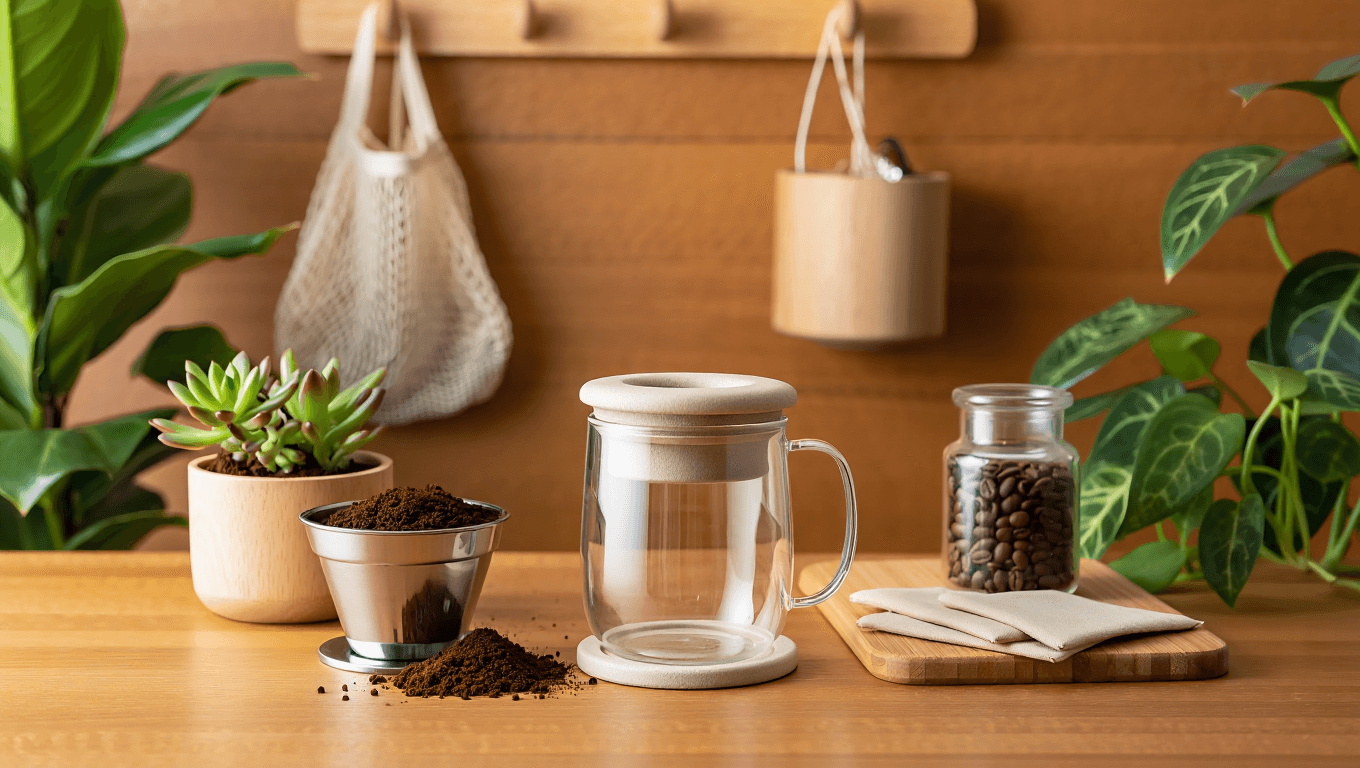
The ritual doesn't end when the cup is empty. In a zero-waste 2026 household, spent coffee grounds are a resource, not trash. Because Coffee S10 Brews uses pure, handpicked beans and high-quality chicory, the leftover "mud" in your filter is packed with minerals and exfoliating properties. One of the best habits is to collect these grounds for a weekly DIY body scrub, mixing them with a little coconut oil for an antioxidant-rich skin treatment. In the kitchen, dried grounds act as a natural deodorizer for the refrigerator or a gentle abrasive for cleaning stubborn stains on cast-iron pans. For those with a green thumb, the 80:20 blend's spent grounds are a favorite for acid-loving plants like roses and hydrangeas. By finding these secondary uses, you close the loop on your coffee consumption, ensuring that the journey from the farm to your home is entirely regenerative.
Why does small-batch roasting and freshness lead to less coffee waste?
One of the most overlooked aspects of coffee waste is "stale waste"—the coffee that is thrown away because it has lost its aroma and flavor on a supermarket shelf. Mass-produced coffee often sits in warehouses for months, losing its volatile oils and becoming flat. When you use stale powder, you tend to use more of it to compensate for the lack of flavor, leading to unnecessary consumption. Coffee S10 Brews operates on a model of freshness and consistency. By roasting in small batches and maintaining a tight supply chain, we ensure that the powder arriving at your door is at its peak potency. This means you need exactly the measured amount to get the perfect decoction every time. No more "guessing" the strength, and no more pouring undrinkable, stale coffee down the sink. Freshness is the ultimate zero-waste habit because it respects the product enough to use it exactly as intended.
Is there a difference between 100% coffee and an 80:20 blend in terms of brewing efficiency?
When choosing the best South Indian filter coffee powder, it is important to understand how different blends perform in the traditional filter. A 100% coffee blend is beautiful for black coffee or pour-overs, but in the gravity-fed South Indian filter, it can sometimes lack the "grip" needed to create a thick decoction. The 80:20 blend is engineered for efficiency. The following comparison helps clarify which choice fits a high-intent, sustainable lifestyle.
| Attribute 100% Arabica/Robusta Coffee S10 Brews 80:20 Signature Blend | ||
| Extraction Yield | Requires more powder for a thick decoction. | High yield; chicory increases soluble solids. |
| Milk Compatibility | Can be overwhelmed by milk. | Cuts through milk for a bold, "hotel-style" taste. |
| Cost-to-Flavor Ratio | Higher cost per cup for the same intensity. | Economical without sacrificing premium quality. |
| Shelf Life of Decoction | Loses nuance quickly when stored. | Stays robust and flavorful for up to 24 hours. |
How can you adopt a "slow coffee" mindset to improve your daily brewing ritual?
The "slow coffee" movement is the antithesis of the "instant" culture that dominates our modern lives. Adopting a slow coffee mindset means viewing the 15 minutes it takes for the decoction to drip as a form of meditation rather than an inconvenience. In 2026, this mindfulness is a key component of a zero-waste lifestyle. When we rush, we make mistakes—we spill powder, we overfill filters, and we waste water. By slowing down and using the brewing intelligence provided by Coffee S10 Brews, you become a master of the craft. You learn to listen to the sound of the water, to smell the change in aroma as the chicory blooms, and to appreciate the weight of the stainless steel dabara in your hand. This connection to the process makes you less likely to seek out disposable, low-quality alternatives. It positions coffee not as a caffeine delivery system, but as an authentic cultural experience that honors South Indian heritage.
What are the best storage habits to keep your South Indian filter coffee fresh in 2026?
To maintain a zero-waste kitchen, you must protect your coffee powder from its three biggest enemies: light, moisture, and oxygen. When coffee goes stale, it is often discarded, creating preventable waste. The best habit is to store your Coffee S10 Brews powder in an airtight stainless steel or glass container in a cool, dark cupboard. Avoid refrigerating your coffee powder, as it can pick up odors from other foods and introduce moisture through condensation. If you buy in larger quantities to reduce shipping emissions, keep a small "daily use" jar and keep the rest sealed tight. This ensures that the last spoonful of your 80:20 blend is just as aromatic and potent as the first. Consistency in storage leads to consistency in brewing, which ultimately leads to a more sustainable and enjoyable coffee journey.
Frequently Asked Questions about Zero-Waste South Indian Filter Coffee
Is chicory bad or necessary in South Indian filter coffee?
Chicory is not only safe but is a traditional requirement for the authentic "Kumbakonam" or "hotel-style" coffee experience. It provides the necessary body and bitterness to balance the richness of the milk. From a sustainability standpoint, it is a hardy, eco-friendly crop that enhances extraction efficiency.
Why doesn’t my filter coffee taste like hotel coffee?
The "hotel taste" usually comes from two things: a high-quality 80:20 blend and the correct tamping technique. If your coffee is watery, you may be using 100% coffee or not tamping the powder firmly enough in your stainless steel filter. Coffee S10 Brews provides the exact grind size needed to replicate that professional strength at home.
Can I use the same coffee grounds twice?
While you can run water through the grounds a second time to get a "second decoction," it will be significantly weaker. In South Indian tradition, the first decoction is for the primary cup, and the second is often used to stretch the coffee or for those who prefer a very mild taste. For zero-waste, it’s better to use the spent grounds in your garden after the first strong extraction.
How do I clean my stainless steel filter without harsh chemicals?
To stay zero-waste, avoid chemical detergents. Use a mix of warm water, lemon, and a bit of baking soda to remove coffee oils and stains. This keeps your filter shining and ensures no chemical aftertaste interferes with your Coffee S10 Brews blend.
Which is the best South Indian filter coffee powder for beginners?
An 80:20 blend is the best starting point because it is more forgiving during the brewing process and provides the most recognizable "authentic" flavor profile. It works perfectly with traditional brass or stainless steel filters.
Why does South Indian coffee taste stronger than a latte or cappuccino?
The strength comes from the "decoction" method, which is a slow, gravity-fed extraction. This produces a much more concentrated coffee liquid than the steam-driven espresso used in lattes. When mixed with hot, frothed milk, it maintains its character better than most espresso-based drinks.
Where can I find brewing guides to improve my technique?
Coffee S10 Brews offers extensive resources for both beginners and experts. We believe that providing the powder is only half our job; the other half is sharing the brewing intelligence needed to master the South Indian ritual.
The journey to a zero-waste coffee habit in 2026 is a path toward better flavor, deeper tradition, and a cleaner planet. By choosing the right tools—like the everlasting stainless steel filter—and the right blend—like the Coffee S10 Brews signature 80:20 ratio—you are doing more than just making a drink. You are preserving a craft. Explore our range of authentic powders and brewing guides to start your sustainable coffee ritual today.