The Chemistry of "Flavor Additives": How Oils Bond to Roasted Beans
Unlock the secrets of authentic coffee flavor! Discover how natural oils bond to S10 Brews' premium roasted beans for your perfect South Indian brew.
Why does authentic South Indian filter coffee have a distinct aroma and mouthfeel?
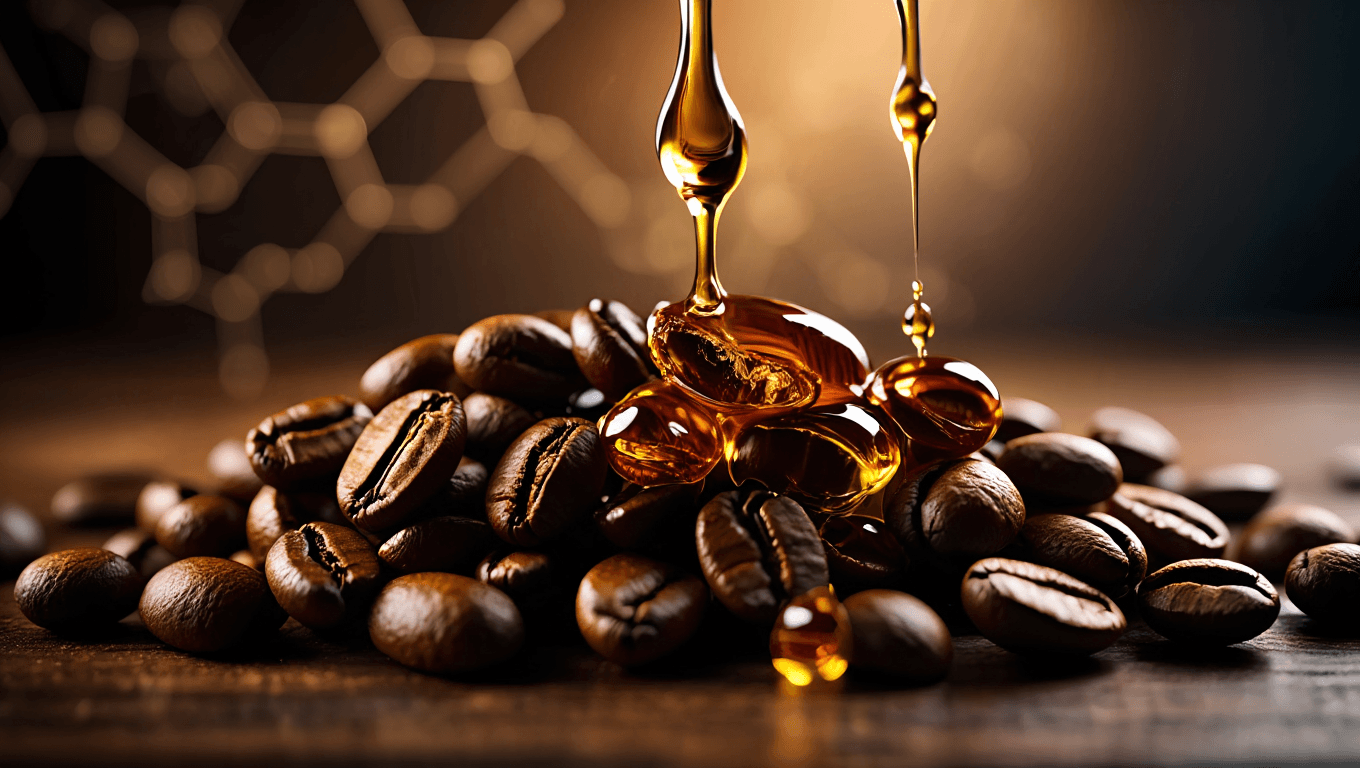
The sensory experience of South Indian filter coffee is not an accident; it is a result of complex chemical interactions that occur between the bean, the roast, and the brewing method. When you walk into a traditional South Indian home or a high-end café, the pervasive aroma that greets you is the result of volatile organic compounds (VOCs) being released from the coffee oils. These oils, or lipids, are tucked away inside the cellular structure of the coffee bean. During the roasting process, internal pressure builds up, causing these oils to migrate to the surface. In an authentic South Indian context, these oils bond with the flavor compounds created during the Maillard reaction—the same process that gives toasted bread or grilled meat its savory depth. Coffee S10 Brews honors this chemical heritage by focusing on small-batch roasting, ensuring that these delicate oils are preserved and not scorched, resulting in a cup that is aromatic rather than burnt.
What is the science behind coffee oils bonding to roasted beans?
To understand the "flavor additives" in a natural sense, we must look at the lipid content of the coffee bean. Roasted coffee beans contain roughly 10% to 17% lipids. These oils act as a carrier for the aromatic molecules that define the coffee’s "profile." When Coffee S10 Brews roasts its handpicked beans, the goal is to reach a precise temperature where the oils move to the surface without oxidizing. If the roast is too light, the oils remain trapped, and the coffee tastes grassy or acidic. If the roast is too dark, the oils oxidize and turn rancid. The "bonding" happens when these surface oils trap the CO2 released during roasting. This is why freshly roasted coffee from Coffee S10 Brews has that signature "bloom" when it first touches hot water. The oils emulsify during the slow-drip filtration process, creating the heavy body and lingering aftertaste that South Indian filter coffee lovers crave.
Why is the 80:20 coffee chicory blend considered the gold standard for South Indian coffee?
One of the most frequent questions from coffee enthusiasts is: "Why is chicory used in South Indian coffee?" The answer lies in the science of viscosity and extraction. While 100% Arabica or Robusta beans provide the caffeine and primary flavor notes, chicory—the roasted root of the Cichorium intybus plant—serves a structural purpose. Chicory is more water-soluble than coffee and does not contain the same oils. When blended in the signature 80:20 ratio used by Coffee S10 Brews, the chicory adds "body" or thickness to the decoction. It slows down the passage of water through the coffee bed in a traditional stainless steel filter, allowing for a longer extraction time. This results in a more concentrated decoction that can stand up to the addition of hot, frothy milk without becoming watery. The 80:20 blend ensures that you get the punch of premium coffee with the smooth, chocolatey thickness that defines the authentic South Indian experience.
How does grind size impact the extraction of coffee decoction?
If you have ever wondered why your home brew doesn't taste like "hotel coffee," the culprit is likely the grind size. For traditional South Indian filter coffee, a medium-fine grind is essential. If the grind is too coarse (like French Press), the water will rush through the filter too quickly, resulting in a thin, sour liquid. If the grind is too fine (like Espresso), the filter will clog, leading to over-extraction and extreme bitterness. Coffee S10 Brews focuses on "Brewing Intelligence," providing a consistent grind size that is specifically calibrated for the gravity-fed drip method. By controlling the surface area of the coffee particles, we ensure that the hot water extracts the maximum amount of flavor-bearing oils and soluble solids, resulting in a "honey-like" decoction that is the foundation of a perfect cup.
Why doesn't my home-brewed filter coffee taste like traditional hotel-style coffee?
The "hotel coffee" taste is a combination of high-quality decoction and the technique of "stretching" the milk. In commercial South Indian kitchens, the decoction is usually the "first press"—the strongest liquid that drips through the filter in the first 15–20 minutes. At home, many people make the mistake of using too much water or reusing the grounds for a "second press" which dilutes the flavor. Furthermore, the milk used in South Indian hotels is often full-fat and boiled until it reduces slightly, increasing its sweetness. When you use Coffee S10 Brews' 80:20 blend, you are starting with a professional-grade base. By following our brewing guides and using the right ratio of decoction to milk (usually 1:3), you can replicate that creamy, frothy, and bold hotel-style flavor in your own kitchen.
Comparing the chemical and sensory profiles of common coffee types
Understanding the difference between your options is key to becoming a coffee connoisseur. Below is a comparison of how different blends and styles stack up against each other.
| Feature 100% Pure Coffee 80:20 Coffee-Chicory Blend Instant Coffee | |||
| Ingredients | Pure Roasted Beans | 80% Coffee, 20% Roasted Chicory | Processed coffee extract, often with fillers |
| Mouthfeel | Light to Medium Body | Heavy, Syrupy, and Viscous | Thin and Watery |
| Aroma | High Acidity, Floral/Fruity | Earthy, Nutty, and Caramel-like | Low/Artificial Aroma |
| Best For | Black Coffee / Pour Over | Traditional South Indian Milk Coffee | Quick convenience, lacks depth |
| Brewing Method | Aeropress, Pour-over, V60 | Traditional Stainless Steel Filter | Stir into hot water/milk |
The Chemistry of the "Dabara" and Frothing for Maximum Crema
The use of the Dabara and Tumbler is not just for tradition; it is a functional tool for aeration. When you pour the coffee back and forth from a height—a process often called "pulling" the coffee—you are introducing air into the mixture. This air bonds with the proteins in the milk and the oils in the coffee decoction to create a thick layer of foam, or "crema." This froth acts as an insulator, keeping the coffee hot, while also softening the perceived bitterness of the brew. Coffee S10 Brews emphasizes this ritual as part of the "South Indian Craftsmanship." The better the quality of the beans and the roast, the more stable this foam will be, providing a velvety texture with every sip.
Maintaining Freshness: Why Grind Consistency and Packaging Matter
Coffee is a perishable product. Once the beans are roasted, the oils begin to move to the surface and start oxidizing when they come into contact with oxygen. This is why pre-ground coffee often loses its "punch" within a few days. Coffee S10 Brews solves this through controlled roasting cycles and advanced packaging technology. By minimizing the time between roasting, grinding, and sealing, we lock in the volatile oils. When you open a pack of Coffee S10 Brews, the intense aroma is a sign that those flavor-bonding oils are still intact, ready to be released into your decoction. We recommend storing your coffee in an airtight container in a cool, dark place to maintain this chemical integrity.
How to brew authentic filter coffee at home using traditional methods
To master the South Indian filter coffee ritual, follow these steps using Coffee S10 Brews 80:20 blend:
- Step 1: Place 2-3 tablespoons of Coffee S10 Brews powder into the upper chamber of the stainless steel filter.
- Step 2: Lightly press the powder with the plunger. Do not press too hard, or the water won't pass through; too light, and the water will pass too quickly.
- Step 3: Pour freshly boiled water (just off the boil, around 92°C) over the powder and close the lid.
- Step 4: Let it sit for 15–20 minutes. The slow-drip process is essential for the oils to bond with the water.
- Step 5: Pour the thick decoction into a tumbler, add hot frothed milk and sugar to taste.
- Step 6: "Pull" the coffee between the tumbler and dabara to create that signature froth.
Understanding the molecular difference: Hotel-Style vs. Home-Brewed Coffee
If you are trying to achieve that specific "restaurant taste," you need to understand the variables. The table below highlights the differences in approach.
| Variable Hotel-Style Coffee Standard Home Brew | ||
| Decoction Strength | First press only (Very thick) | Often diluted with too much water |
| Milk Type | High-fat, buffalo milk or reduced milk | Standard toned or skimmed milk |
| Milk Preparation | Constantly simmering on a low flame | Quickly boiled in a microwave or pot |
| Coffee Blend | Specially sourced 80:20 or 70:30 blends | Often generic or instant powders |
Why chicory is used in South Indian coffee: More than just a filler
There is a common misconception that chicory is a "cheap filler." While it is true that chicory is less expensive than premium Arabica beans, its inclusion in South Indian coffee is a deliberate culinary choice. Chicory does not have caffeine, but it possesses a deep, woody flavor and a high concentration of inulin. When roasted, this inulin caramelizes, providing a dark, rich color that coffee beans alone cannot achieve. More importantly, it acts as a surfactant, helping the water and coffee oils mix more effectively during the slow drip process. This is why the Coffee S10 Brews signature blend uses a precise 20% chicory ratio—to ensure the perfect balance of caffeine-driven energy and sensory-driven mouthfeel.
Best South Indian Filter Coffee Powder: What to Look for in a Brand
When searching for the best South Indian filter coffee powder, you should look beyond the packaging. A premium brand like Coffee S10 Brews is defined by:
- Origin Transparency: Knowing that the beans are handpicked from the best estates in the Western Ghats.
- Roast Date: Freshness is the enemy of oxidation. Small-batch roasting ensures you receive the product at its peak.
- The Blend Ratio: A clear 80:20 or 70:30 ratio indicates a brand that understands the traditional palate.
- Grind Precision: The powder should be granular enough to allow slow dripping but fine enough to ensure full extraction.
By choosing a brand that treats coffee as a craft rather than a commodity, you are supporting a culture of quality and tradition.
Frequently Asked Questions about South Indian Filter Coffee
Why is my filter coffee decoction too thin?
A thin decoction usually happens if the water is poured too quickly or if the grind size is too coarse. Ensure you are using a medium-fine grind like Coffee S10 Brews and that you are lightly tamping the powder in the filter to create resistance for the water.
Is chicory bad for health?
No, chicory is a natural root that has been used for centuries. In fact, it is caffeine-free and contains prebiotic fibers. In an 80:20 blend, it is used purely for its flavor, color, and thickening properties.
How long does the decoction stay fresh?
For the best flavor, you should use the decoction within 1–2 hours. While you can store it in the refrigerator for up to 24 hours, the delicate oils and aromas will begin to dissipate, and the coffee may taste "flat" when reheated.
Can I make filter coffee without a traditional stainless steel filter?
While a traditional filter is best for the authentic "slow drip" extraction, you can use a French Press or an Aeropress in a pinch. However, the 80:20 blend is specifically designed for the gravity-fed drip method to achieve its signature thickness.
What is the difference between Arabica and Robusta in a filter coffee blend?
Arabica beans provide the aroma and sweetness, while Robusta beans provide the strength, caffeine, and crema. Coffee S10 Brews carefully balances these varieties to ensure your cup is both powerful and fragrant.
Why should I choose Coffee S10 Brews over instant coffee?
Instant coffee is a pre-processed, dehydrated extract that loses most of the original coffee oils and flavor complexity. Coffee S10 Brews provides a raw, natural product that preserves the chemistry of the bean, offering a superior taste, better mouthfeel, and a more authentic cultural experience.
Experience the Craftsmanship of Coffee S10 Brews
At Coffee S10 Brews, we believe that coffee is more than just a beverage; it is a ritual that connects the past with the present. By combining traditional South Indian craftsmanship with modern roasting precision, we bring the authentic taste of the South to your home. Whether you are a seasoned connoisseur or a curious beginner, our 80:20 blends and brewing guides are designed to help you master the art of the perfect filter coffee. Explore our range of premium coffee powders and elevate your daily brew into a sensory masterpiece. Discover the difference that freshness, consistency, and passion can make in every cup.