The Future of Coffee Prices: Why "Cheap Coffee" Is a Thing of the Past
Why are premium coffee prices rising? Explore the future of coffee costs & why cheap coffee is a thing of the past. Invest in your authentic brew.
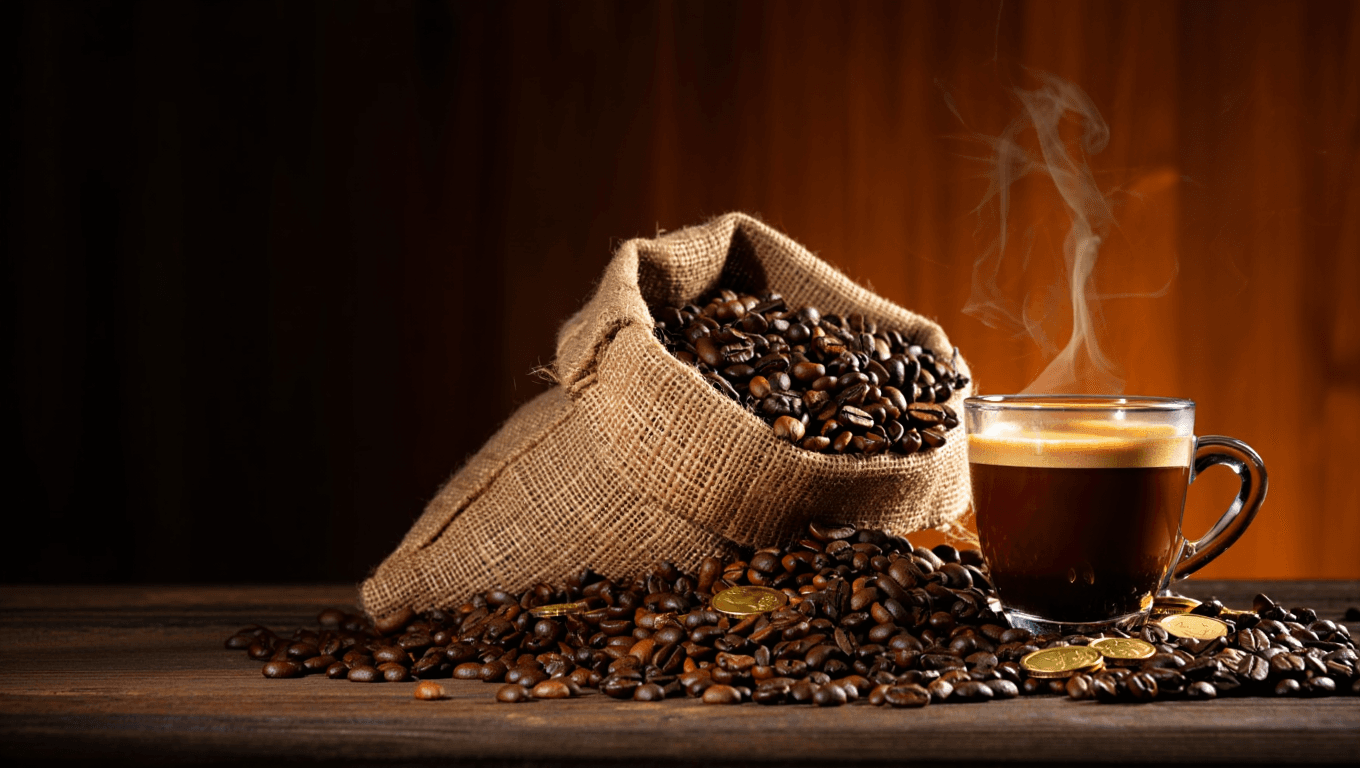
Why is the price of authentic South Indian filter coffee rising in the current market?
If you have noticed a slight uptick in the price of your favorite coffee powder, you are not alone. The global coffee market is currently navigating a "perfect storm" of supply chain disruptions, climate volatility in the Western Ghats, and increasing labor costs for handpicked harvesting. For the discerning consumer searching for the best South Indian filter coffee powder, the era of "cheap coffee" is rapidly concluding. However, this shift represents a transition from mass-produced, low-grade commodities to artisan-led craftsmanship. At Coffee S10 Brews, we believe that understanding the journey from bean to brass filter helps consumers appreciate why quality is an investment rather than an expense. Authentic coffee requires high-altitude Arabica and premium Robusta, which are increasingly expensive to cultivate sustainably. When you pay for premium blends, you aren't just buying caffeine; you are securing the survival of traditional roasting techniques and the livelihoods of estates that prioritize flavor over volume.
Is "cheap" instant coffee actually costing you more in the long run?
Many consumers opt for instant coffee under the guise of convenience and low cost. But when we look at the sensory experience and the quantity required to achieve a satisfactory "kick," the math changes. Cheap instant coffees often use low-grade beans, heavy fillers, and industrial processing that strips away natural oils. This leads to a flat, bitter taste that usually requires excessive sugar or milk to mask. In contrast, a high-quality South Indian filter coffee decoction offers a concentrated burst of flavor, meaning you need less powder per cup to achieve a robust profile. By choosing a brand like Coffee S10 Brews, which emphasizes freshness and consistency through small-batch roasting, you eliminate the "hidden costs" of stale, uninspiring coffee. Investing in a traditional brass filter and premium powder might seem like a higher upfront cost, but the cost-per-cup of a rich, aromatic decoction is surprisingly competitive when compared to high-end instant alternatives or café-bought lattes.
Why is the 80:20 coffee-chicory blend considered the gold standard for value and flavor?
In the world of South Indian traditions, the 80:20 coffee-chicory blend benefits are legendary. Chicory, the roasted root of the Cichorium intybus plant, was originally introduced as a cost-saving measure during wartime shortages. However, South Indian palates soon discovered that chicory adds a unique depth, a woody sweetness, and—most importantly—a thicker body to the decoction. This 80:20 ratio is the "sweet spot" that Coffee S10 Brews has mastered. It allows the bright, acidic notes of the coffee to shine while the chicory provides the viscous texture required for that iconic "hotel-style" froth. From a value perspective, the 80:20 blend is more efficient; the chicory helps hold the water longer during the dripping process, ensuring a more potent and dark decoction. This means you get a stronger base for your milk coffee using fewer spoons of powder, effectively stretching your purchase further without sacrificing the soul of the drink.
How does the craftsmanship of handpicked beans justify a higher price point?
The difference between a "budget" coffee and a premium brand like Coffee S10 Brews lies in the harvest. Mechanical harvesting, common in mass-production estates, picks everything—ripe cherries, under-ripe green beans, and over-ripe fermented ones. This leads to a "muddy" flavor profile that requires heavy roasting to hide defects. Authentic South Indian coffee, sourced from the shaded hills of Chikmagalur or Coorg, relies on handpicked craftsmanship. Expert pickers select only the cherries at their peak ripeness. This selective process is labor-intensive and expensive but is the only way to ensure the natural sugars and aromas are preserved. When you brew Coffee S10 Brews, you are tasting the result of multiple rounds of sorting and grading, ensuring that every grain of powder contributes to a clean, lingering aftertaste rather than a burnt, acrid bitterness.
Why doesn’t my home-brewed filter coffee taste like the local "hotel" coffee?
This is perhaps the most common question among coffee enthusiasts: "Why is my decoction thin compared to the one at my favorite Udupi restaurant?" The answer isn't just the powder; it's brewing intelligence. Hotels often use high-pressure industrial filters or specific blends that include higher chicory content. However, you can replicate this at home by focusing on the grind size and the "tamping" technique. Coffee S10 Brews provides powders with a specific coarse-to-medium grind that is optimized for gravity-based brass filters. If the grind is too fine, the water won't pass; if it's too coarse, the decoction will be weak. By bridging the gap between traditional methods and modern consistency, we ensure that your morning ritual produces a thick, honey-like extract every time. Our signature 80:20 blend is specifically designed to provide that "hotel-style" viscosity while maintaining the aromatic nuances of a boutique roast.
Table 1: Comparing Coffee Experiences
| Feature Instant Coffee Standard Store-Bought Filter Coffee Coffee S10 Brews (80:20) | |||
| Aroma | Low (synthetic) | Medium (fades quickly) | High (fresh-roasted floral/nutty) |
| Body/Texture | Thin/Watery | Moderate | Syrupy & Rich (due to chicory) |
| Flavor Complexity | One-dimensional | Inconsistent | Layered (Chocolate, Earthy, Berry) |
| Preparation Time | 1 minute | 15-20 minutes | 15 minutes (Optimized for Ritual) |
| Value for Money | Low (high cost per quality) | Average | High (Premium experience at home) |
Why is the role of chicory often misunderstood by modern coffee drinkers?
There is a growing trend of "100% Arabica" purism, but in the context of South Indian milk coffee, chicory is not an adulterant—it is a functional ingredient. The question of why chicory is used in South Indian coffee goes beyond cost. Chicory has a higher solubility than coffee, and it lacks caffeine, making the final cup more balanced. It also acts as a natural "thickener" for the milk. Without chicory, when you add hot, frothed milk to a coffee decoction, the beverage can feel thin or overly acidic. Coffee S10 Brews uses premium, high-grade chicory that complements the coffee’s natural chocolatey notes rather than overpowering them. This results in a "crema" that stays stable, allowing you to perform the traditional "yard-long" pour (pouring between the tumbler and dabarah) to aerate the coffee without the foam collapsing instantly.
Table 2: 100% Coffee vs. 80:20 Coffee-Chicory Blend
| Attribute 100% Pure Coffee 80:20 Coffee-Chicory Blend | ||
| Decoction Thickness | Light/Medium | Thick/Viscous |
| Color | Dark Brown | Deep, Opaque Blackish-Brown |
| Best Consumed As | Black Coffee / Espresso | Traditional Milk Coffee (With Jaggery/Sugar) |
| Bitterness Profile | Acidic/Sharp | Mellow/Woody Sweetness |
| Froth Retention | Moderate | Exceptional |
What impact does small-batch roasting have on coffee freshness?
In the "cheap coffee" model, beans are roasted in massive industrial quantities and stored in warehouses for months. By the time the bag reaches your kitchen, the volatile oils—the source of coffee’s aroma—have oxidized and vanished. This is why many supermarket coffees smell like paper or burnt rubber. Coffee S10 Brews counters this by adhering to controlled roasting cycles. Small-batch roasting allows our master roasters to adjust temperatures based on the ambient humidity and the specific moisture content of that season’s harvest. This ensures flavor reliability across every batch. When you buy from a brand that treats roasting as an art form, you are paying for the "peak flavor window." You will notice that our powder has a vibrant, punchy aroma the moment you break the seal—a sensory hallmark of a truly fresh 80:20 blend.
How can "Brewing Intelligence" save you money on your daily habit?
One of the biggest wastes of coffee happens during the brewing process. Using the wrong water temperature (too hot burns the powder, too cold fails to extract) or the wrong powder-to-water ratio leads to a weak decoction that often gets thrown away. At Coffee S10 Brews, we don’t just sell coffee; we provide brewing intelligence. Understanding how to brew authentic filter coffee at home involves mastering the "bloom"—the process of letting the powder soak for a few seconds before filling the upper chamber of the filter. By following our guided techniques, you maximize the extraction of every gram of powder. This efficiency means you get more cups of high-quality coffee per 500g bag than you would with a brand that offers no guidance on grind-specific brewing. Modern accessibility means taking these time-honored secrets and making them easy for the busy professional to execute every morning.
Table 3: Hotel-Style Coffee vs. Home-Brewed Coffee
| Factor Traditional Hotel Coffee Typical Home Brew (Common Errors) Coffee S10 Brews Method | |||
| Milk Type | High-fat, over-boiled milk | Standard toned milk | Full-cream milk, frothed via pouring |
| Decoction Quality | Extreme strength/high chicory | Diluted/weak extraction | Concentrated 80:20 perfection |
| Sweetener | Heavy white sugar | Minimal sugar | Balanced sugar or organic jaggery |
| Equipment | Large industrial filters | Electric drip or small filter | Small brass/stainless steel filter |
Why is the future of coffee about "Slow Consumption" rather than "Fast Caffeine"?
As prices rise, the consumer mindset is shifting from mindless consumption to mindful rituals. The South Indian filter coffee process is inherently slow. It requires patience as the water drips through the bed of coffee, drop by drop. This "slow coffee" movement is the antidote to the frantic, low-quality caffeine culture that has dominated the last decade. By choosing premium blends like Coffee S10 Brews, you are choosing to make your morning coffee a moment of mindfulness. The sensory experience—the sound of the pour, the sight of the froth, the earthy aroma—provides a value that far exceeds the price of the powder. The future of coffee isn't about finding the cheapest bag on the shelf; it's about finding a brand that respects the heritage, the bean, and the consumer's palate equally.
Frequently Asked Questions About South Indian Filter Coffee
1. Why does South Indian coffee taste stronger than regular drip coffee?
The strength comes from two factors: the use of a traditional metal filter which creates a highly concentrated "decoction," and the inclusion of chicory in the 80:20 blend. This combination results in a beverage with more body and a more intense flavor profile that holds up against milk and sugar.
2. Is chicory bad for health?
Not at all. Chicory is a natural root that has been used for centuries. It is caffeine-free and contains inulin, a type of prebiotic fiber that supports digestive health. In an 80:20 blend, it is primarily used to enhance the texture and aroma of the coffee.
3. How should I store my filter coffee powder to keep it fresh?
To maintain the freshness and consistency of Coffee S10 Brews, store the powder in an airtight container, preferably opaque, in a cool and dry place. Avoid storing it in the refrigerator as moisture can seep in and ruin the delicate oils.
4. What is the ideal ratio of decoction to milk?
For a classic experience, we recommend 1 part thick decoction to 3 parts hot, frothed milk. However, if you prefer a "Strong" cup, you can move to a 1:2 ratio. Always add the decoction to the milk (and not vice versa) for the best flavor integration.
5. Can I use Coffee S10 Brews powder in an electric coffee maker?
While our powder is optimized for traditional brass or stainless steel filters, it can be used in electric drip machines. However, because our grind is specifically tailored for the slow-drip method, you may find the best results using the traditional "set" method.
6. Does the quality of water affect the taste of my filter coffee?
Yes, significantly. Use filtered or bottled water for brewing. Hard water or water with high chlorine content can make the coffee taste metallic or flat, masking the premium notes of our handpicked beans.
7. Why is my decoction not dripping through the filter?
This usually happens if the powder is pressed (tamped) too hard in the upper chamber or if the grind is too fine. With Coffee S10 Brews, a gentle leveling of the powder is all that's needed to allow the water to extract the flavors perfectly over 15–20 minutes.
Ready to elevate your morning ritual? The days of compromise are over. Discover the difference that authentic craftsmanship, small-batch roasting, and the perfect 80:20 blend can make in your cup. Explore our range of premium South Indian filter coffee powders and master the art of the perfect brew with our educational resources.
Experience the legacy of flavor. Shop Coffee S10 Brews today.