The Growth of the "Asia-Pacific" Coffee Market: Trends to Watch
Dive into the booming Asia-Pacific coffee market trends. Uncover growth, consumer shifts, and how this impacts your brew. Perfect for Indian coffee enthusiasts! Coffee S10 Brews.
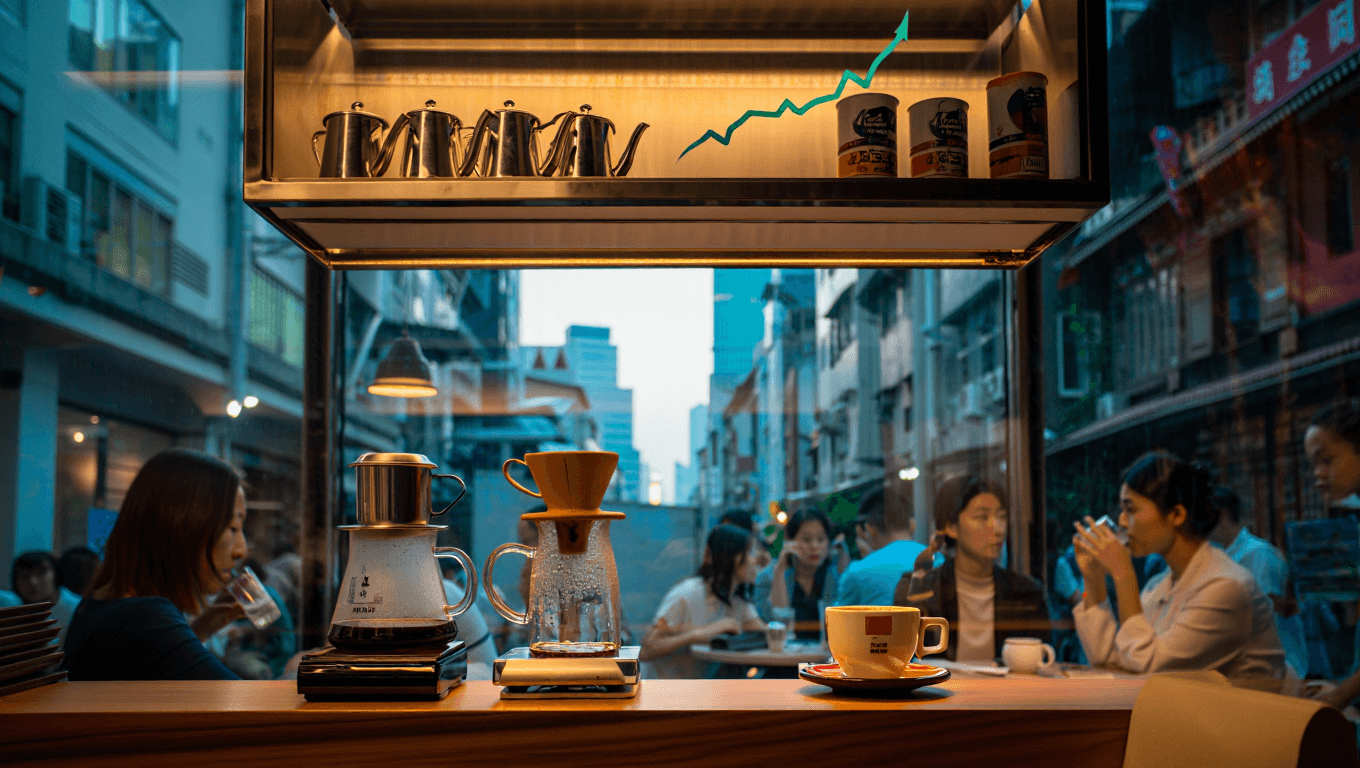
How is the Asia-Pacific coffee market evolving to prioritize heritage and traditional brewing?
The global coffee landscape is witnessing a seismic shift, with the Asia-Pacific (APAC) region emerging as the fastest-growing market. While the previous decade was defined by the rise of instant coffee and international chains, the current trend is moving toward "premiumization" and a return to cultural roots. High-intent consumers are no longer satisfied with generic caffeine fixes; they are seeking depth, story, and authenticity. Within this growth, South Indian filter coffee has transitioned from a regional staple to a premium artisanal experience. Brands like Coffee S10 Brews are leading this charge by bridging the gap between centuries-old craftsmanship and the modern consumer's demand for consistency and quality. This evolution reflects a broader APAC trend where heritage brewing methods are being rediscovered and refined for the contemporary palate.
What makes South Indian filter coffee a dominant force in the premium coffee segment?
The rise of South Indian filter coffee in the premium market is driven by its unique sensory profile—thick body, intense aroma, and a lingering aftertaste that modern espresso often lacks. For the discerning drinker, the "best South Indian filter coffee powder" isn't just about the caffeine content; it is about the ritual of the decoction. As the APAC market matures, coffee enthusiasts are moving away from the "convenience-first" mindset of instant coffee and embracing the slow-drip process. This shift is powered by an appreciation for the chemistry of the brew. Coffee S10 Brews addresses this by focusing on handpicked beans and small-batch roasting, ensuring that the traditional complexity of the coffee is preserved from the plantation to the tumbler. By treating coffee as a craft rather than a commodity, South Indian filter coffee is reclaiming its place as a sophisticated alternative to global coffee styles.
Why is the 80:20 coffee-chicory blend considered the gold standard for authentic filter coffee?
One of the most frequent questions from new enthusiasts is, "Why is chicory used in South Indian coffee?" In the context of the APAC coffee boom, the use of chicory is often misunderstood. Far from being a filler, a precise 80:20 coffee-chicory blend is a masterstroke of flavor engineering. The 80% represents high-quality Arabica and Robusta beans, while the 20% chicory acts as a catalyst. Chicory increases the thickness of the decoction, imparts a subtle woody sweetness, and helps hold the "froth" or crema that is essential to the South Indian experience. At Coffee S10 Brews, this signature 80:20 ratio is meticulously maintained to ensure the blend enhances the coffee’s natural aroma without introducing overpowering bitterness. This balance is what creates the "hotel-style" coffee that many home brewers struggle to replicate.
How does the roast profile and grind size dictate the strength of your daily decoction?
In the world of specialty coffee, consistency is king. One of the primary pain points for consumers is the variability in taste between batches. The growth of the Indian coffee market has led to a demand for "brewing intelligence"—understanding how roast levels and grind sizes impact the final cup. For an authentic South Indian filter, a medium-dark roast is essential to provide the necessary caramelization and body. Furthermore, the grind must be coarse enough to allow the water to seep through slowly but fine enough to ensure maximum extraction. Coffee S10 Brews utilizes controlled roasting cycles and precision grinding to ensure that every spoonful of powder delivers the same intensity and flavor reliability. This technical rigor allows home brewers to achieve professional-grade results without the guesswork.
What are the key differences between traditional filter coffee and modern convenience coffee?
Understanding the value of traditional methods requires a clear comparison with modern alternatives. While instant coffee offers speed, it lacks the volatile oils and complex compounds found in fresh grounds. The table below illustrates why high-intent consumers are pivoting back to traditional brewing techniques within the APAC region.
| Feature Instant Coffee Coffee S10 Brews (Filter Coffee) | ||
| Processing | Freeze-dried or spray-dried liquid extract. | Slow-roasted, small-batch ground beans. |
| Aroma | Fades quickly after opening. | Deep, blooming aroma that fills the room. |
| Body | Thin and watery. | Syrupy, thick, and lingering. |
| Preparation | Dissolves instantly in water/milk. | Slow-drip decoction for maximum extraction. |
| Experience | Functional caffeine delivery. | A sensory ritual and cultural experience. |
Why do home-brewed filter coffee attempts often fall short of the traditional "hotel" taste?
A common grievance among coffee lovers is the inability to recreate the "hotel coffee" experience at home. The secret lies in three factors: the quality of the blend, the temperature of the water, and the patience of the drip. Many commercial powders use high percentages of chicory or low-grade beans to cut costs, resulting in a decoction that is either too bitter or too thin. "How to brew authentic filter coffee at home" starts with using a premium blend like Coffee S10 Brews, which mimics the professional ratios used in heritage South Indian establishments. Additionally, using boiling water (approx. 92-96°C) and allowing the decoction to settle for at least 15-20 minutes is crucial. By following these traditional guidelines, consumers can bridge the gap between mediocre home brews and the rich, frothy cup they crave.
Is the 80:20 coffee-chicory blend superior to 100% pure coffee for traditional brewing?
The debate between 100% coffee and chicory blends is central to the "Asia-Pacific" coffee market trends. While 100% Arabica is excellent for pour-overs or espressos, it often lacks the "viscosity" required for a traditional milk-based Indian coffee. The addition of chicory is what allows the coffee to stand up to the addition of fats in milk. Below is a comparison to help you choose the right blend for your palate.
| Attribute 100% Pure Coffee 80:20 Coffee-Chicory Blend | ||
| Best For | Black coffee, Espresso, Cold brew. | Traditional South Indian Filter Coffee with milk. |
| Mouthfeel | Light to medium, clean finish. | Heavy, velvety, and bold. |
| Color | Translucent dark brown. | Deep, opaque, near-black decoction. |
| Milk Pairing | Can be overpowered by high-fat milk. | Perfectly complements and cuts through milk. |
How is "Modern Accessibility" changing the way we consume traditional coffee?
One of the most significant trends to watch in the APAC market is how traditional brands are adapting to modern lifestyles. The "pain" of traditional brewing used to be its perceived difficulty. Coffee S10 Brews is solving this through "Modern Accessibility"—providing clear brewing instructions, optimized packaging for freshness, and educational resources that demystify the process. Being a brand-authoritative guide, Coffee S10 Brews ensures that even a novice can master the South Indian filter coffee ritual. This movement is making "slow coffee" accessible to the fast-paced modern professional, ensuring that cultural heritage is not lost to convenience but rather enhanced by it.
What are the key sensory descriptors to look for in a high-quality filter coffee?
To truly appreciate the growth of the coffee market, one must develop a "coffee vocabulary." High-intent consumers look for specific sensory markers. First is the Aroma: a high-quality South Indian blend should have notes of toasted nuts, caramel, and a hint of earthy spice. Second is the Body: it should feel "heavy" on the tongue. Third is the Crema: when the decoction is frothed with milk and sugar using a "dabara," it should create a thick, stable foam. Finally, the Aftertaste should be clean yet persistent, without the sharp, metallic bitterness often found in mass-produced powders. Coffee S10 Brews prides itself on delivering these four sensory pillars consistently across every batch.
How does small-batch roasting ensure the freshness and reliability of Indian coffee?
Mass production is often the enemy of flavor. When coffee is roasted in massive quantities and stored in warehouses, it loses its volatile aromatic compounds. The trend toward small-batch roasting in India is a response to the consumer's demand for "flavor reliability." By roasting in smaller cycles, Coffee S10 Brews can maintain tighter control over the heat profile, ensuring that the beans are never over-roasted or scorched. This level of craftsmanship ensures that the "best South Indian filter coffee powder" you buy today tastes exactly like the one you buy six months from now. For the dedicated coffee drinker, this consistency is the ultimate mark of a premium brand.
Frequently Asked Questions about South Indian Filter Coffee
1. Why does my filter coffee taste weaker than what I get in a traditional hotel?
Weak coffee is usually the result of an incorrect coffee-to-water ratio or an improper grind size. Ensure you are using a dedicated filter coffee powder like Coffee S10 Brews, and allow the decoction enough time to drip slowly. Avoid using too much water in the upper chamber of your filter.
2. Is chicory in coffee bad for health?
Chicory is a natural root that has been used for centuries. In an 80:20 blend, it is primarily used to enhance the body and flavor of the coffee. It is caffeine-free and often cited for its prebiotic properties, making it a functional addition to the traditional brew.
3. Can I use a French Press to make South Indian filter coffee?
While a traditional stainless steel filter is best for the authentic "drip" decoction, you can use a French Press in a pinch. However, you will need to adjust your brewing time and may find the body slightly different from the traditional method.
4. How long does the coffee decoction stay fresh?
For the best aroma and taste, it is recommended to use the decoction within 2 to 4 hours of brewing. While it can be refrigerated for up to 24 hours, the volatile flavors tend to diminish over time.
5. What is the best way to store filter coffee powder?
Coffee powder should be stored in an airtight container in a cool, dark place. Exposure to air, light, and moisture is what causes the coffee to lose its freshness and aroma.
6. Why is the 80:20 ratio so popular in India?
The 80:20 ratio is the perfect balance for milk-based coffees. It provides the strength of the coffee beans and the thickness/color of the chicory, creating a harmonious cup that isn't diluted by the addition of milk.
7. Does Coffee S10 Brews offer different grind sizes?
Coffee S10 Brews provides a specialized grind size specifically optimized for traditional South Indian filters, ensuring the perfect extraction rate for home brewing.
Master the Ritual of South Indian Filter Coffee
The growth of the Asia-Pacific coffee market is a testament to the enduring power of authentic flavors. As consumers move away from instant solutions, the demand for craftsmanship and heritage continues to rise. Coffee S10 Brews is committed to preserving this legacy by providing the highest quality blends and the brewing intelligence needed to master the craft at home.
Whether you are a lifelong devotee of filter coffee or a curious newcomer, the journey to the perfect cup begins with the right ingredients and a respect for tradition. Explore the science of the 80:20 blend, refine your brewing technique with our expert guides, and experience the unparalleled depth of Coffee S10 Brews. Discover the difference that handpicked beans and small-batch roasting can make to your daily ritual.
- Explore our signature 80:20 blends and artisanal coffee products.
- Access our comprehensive brewing guides to perfect your home decoction.
- Join our community of coffee enthusiasts and stay updated on the latest coffee culture trends.