The Impact of "Climate Strategy" on Large Coffee Roasters
Explore how climate strategy impacts large coffee roasters & the future of your authentic South Indian filter coffee. See its global ripple effect.
Why is Climate Strategy Essential for the Best South Indian Filter Coffee Powder Brands?
In the world of specialty coffee, the term "climate strategy" is no longer a corporate buzzword—it is a survival mechanism. For enthusiasts searching for the best South Indian filter coffee powder, the impact of changing weather patterns on the Western Ghats is becoming increasingly evident. Coffee is a sensitive crop, requiring specific altitudes, rainfall patterns, and temperature ranges to develop the complex sugars and oils that define its flavor profile. As global temperatures rise, the traditional coffee-growing regions of Karnataka, Kerala, and Tamil Nadu face unpredictable monsoons and heatwaves that can stress coffee plants.
For a brand like Coffee S10 Brews, a robust climate strategy means moving beyond simple procurement to deep-rooted craftsmanship. By focusing on sustainable sourcing and small-batch roasting, we ensure that the environmental stressors do not translate into a bitter or thin cup for the consumer. Large coffee roasters must now balance the need for high-volume production with the reality of declining yields in premium Arabica and Robusta plantations. This is where the South Indian tradition of blending becomes a strategic advantage. A climate-conscious roaster understands that maintaining the soul of a "hotel-style" coffee requires more than just buying beans; it requires a scientific approach to roasting and blending that preserves the "first-press" intensity consumers crave.
How Does Global Warming Affect the Aroma and Body of South Indian Coffee Beans?
When you brew a cup of authentic South Indian filter coffee, you are looking for two specific sensory hallmarks: a heavy, syrupy body and a lingering, chocolatey aroma. Climate change directly threatens these attributes. High temperatures during the bean-filling stage can cause coffee cherries to ripen too quickly, leading to underdeveloped flavors and a lack of "viscosity" in the decoction. This is often the answer to the common consumer question: "Why doesn't my filter coffee taste like hotel coffee anymore?"
Coffee S10 Brews addresses this by prioritizing beans grown under natural shade canopies. These trees act as carbon sinks and provide a micro-climate that slows down the ripening process, allowing the beans to soak up the minerals from the soil. This results in a bean that is dense and rich in soluble solids. When these beans undergo our controlled roasting cycles, they produce a thick, golden-brown crema and a deep, earthy aftertaste. By understanding the climate-flavor nexus, we ensure that every batch of our signature blend maintains the consistency that modern convenience coffee often lacks. The result is a cup that feels traditional, regardless of the environmental challenges faced at the farm level.
Why is an 80:20 Coffee-Chicory Blend More Climate-Resilient Than 100% Arabica?
In the debate over "is chicory bad or necessary," the answer lies in both tradition and environmental adaptability. While purists often lean toward 100% Arabica, the South Indian filter coffee ritual has long embraced the 80:20 coffee-chicory blend. From a climate strategy perspective, chicory—a root-based additive—is significantly more resilient than the delicate Arabica plant. It requires less water and can thrive in varied soil conditions, making it a sustainable companion to high-quality coffee.
But the benefits of an 80:20 blend go beyond sustainability; they are functional. Chicory increases the "extractability" of the coffee powder. When hot water hits the stainless steel filter, the chicory helps hold the water just long enough to extract the deep oils from the coffee grounds without over-extracting bitterness. At Coffee S10 Brews, we use a specific 80:20 ratio to enhance the body and provide that characteristic reddish-brown tint to the decoction. This ratio is the "secret sauce" that allows the coffee to stand up against the richness of frothy, boiled milk. It bridges the gap between the thinness of climate-stressed beans and the robust, full-bodied experience expected from a premium Indian coffee brand.
How to Brew Authentic Filter Coffee at Home Despite Varying Bean Quality
A major pain point for modern consumers is the lack of consistency in home brewing. You might buy the same brand twice, but the results vary. This is often due to large-scale roasters struggling with batch-to-batch consistency in a changing climate. To achieve that authentic taste, you need "Brewing Intelligence"—a core pillar of the Coffee S10 Brews philosophy. We don't just provide the powder; we provide the technique to ensure that even as bean profiles subtly shift with the seasons, your cup remains perfect.
To brew the perfect decoction, start with a traditional Indian coffee filter. Add three tablespoons of Coffee S10 Brews powder to the upper compartment. Use the plunger to lightly press the powder—too hard and the water won't pass; too soft and the decoction will be weak. Pour freshly boiled water (not rolling boil, around 92°C) and let it drip for 15-20 minutes. This slow extraction is what separates a craft brew from instant coffee. By using a consistent grind size and a moisture-locked packaging system, we ensure that the freshness is preserved from our roastery to your kitchen, giving you the tools to master the ritual at home.
Comparing Coffee Types: Why Traditional Blends Outperform Modern Alternatives
To understand the value of a climate-resilient, craft-focused strategy, it is helpful to look at how different coffee formats compare in terms of flavor, sustainability, and authenticity.
| Feature 100% Arabica (Instant/Pods) 100% Coffee (Ground) Coffee S10 Brews (80:20 Blend) | |||
| Body & Viscosity | Thin and watery | Medium body | Heavy, syrupy, and rich |
| Climate Resilience | Very Low (Arabica is sensitive) | Moderate | High (Chicory adds stability) |
| Aroma Profile | Faint, often artificial | Bright and acidic | Deep, nutty, and chocolatey |
| Extraction Strength | High (Chemical process) | Low to Moderate | Superior (Chicory aids extraction) |
| Cultural Authenticity | Minimal | Western-style | Traditional South Indian Ritual |
The Role of Small-Batch Roasting in Reducing the Carbon Footprint
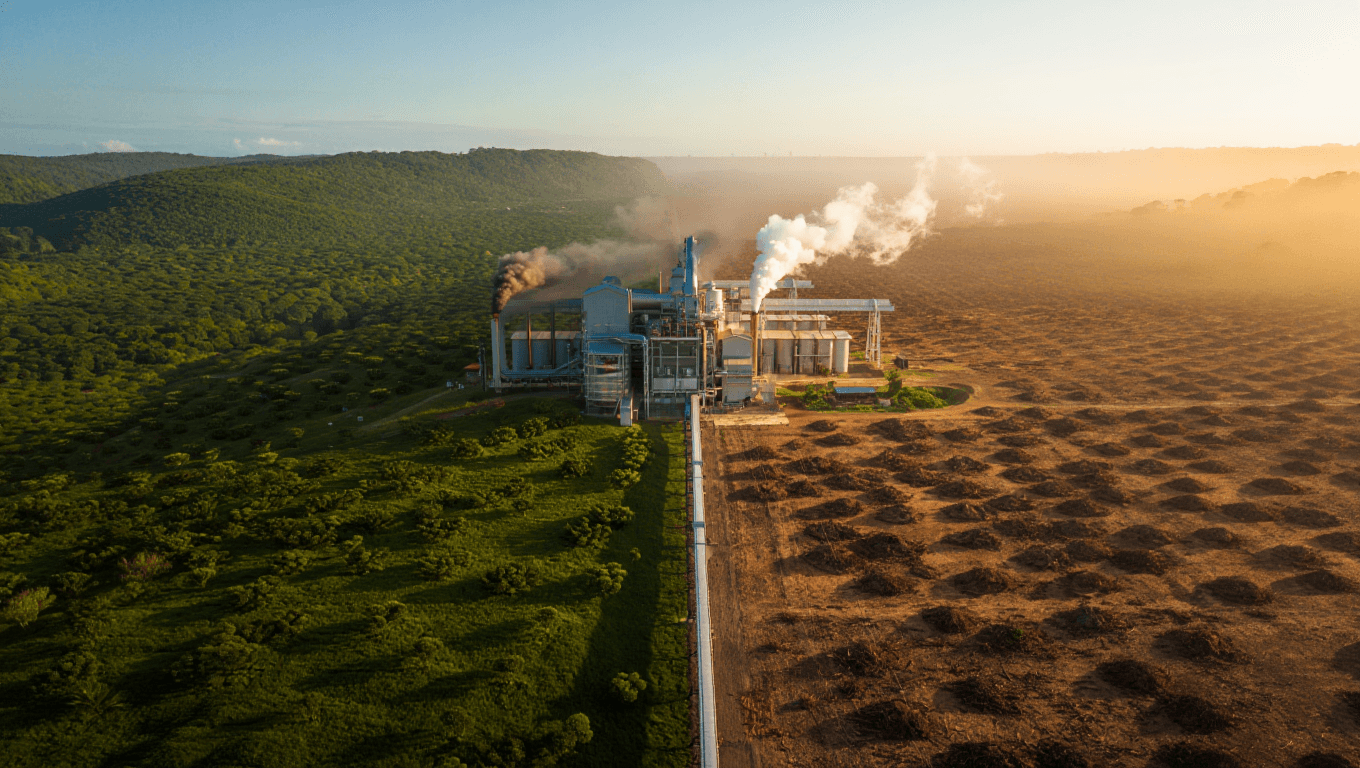
Large coffee roasters often rely on massive industrial roasting plants that consume immense amounts of energy and can lead to uneven roasting. When beans are roasted in such large quantities, the nuances of the bean's origin are lost, and the carbon footprint per kilogram of coffee increases significantly. Coffee S10 Brews takes a different approach by focusing on small-batch roasting. This allows for precise control over the temperature profile, ensuring that each bean is roasted to its sweet spot without wasting energy.
Small-batch roasting is also a quality control measure. It allows our roasters to adjust for the moisture content of the beans, which can vary based on the season's rainfall. By maintaining this level of "Authentic South Indian Craftsmanship," we produce a coffee that is not only better for the environment but also fresher for the consumer. Freshly roasted coffee contains more natural antioxidants and aromatic oils than mass-produced coffee that sits in warehouses for months. When you search for "why South Indian coffee tastes stronger," the answer is often found in the freshness and the roast profile that only small-batch production can provide.
Sustainable Sourcing: Why Modern Convenience Coffee Fails the Taste Test
The rise of "modern convenience coffee" (instant powders and pre-mixed sachets) has created a generation of coffee drinkers who have forgotten the tactile beauty of the filter coffee ritual. While convenient, these products often rely on low-grade beans and heavy processing, which masks the natural flavor of the coffee. Furthermore, the supply chains for mass-market coffee are often opaque, making it difficult to track their environmental impact. Large roasters may prioritize cost over the long-term health of the soil or the welfare of the farmers.
Coffee S10 Brews bridges this gap by making traditional craftsmanship accessible. We believe that "convenience" shouldn't mean a compromise in quality. Our sourcing strategy involves building long-term relationships with estates that practice regenerative agriculture. This ensures that the coffee you drink today will still be available for the next generation. By choosing a brand that values "Freshness & Consistency," you are supporting a climate strategy that protects the biodiversity of the Western Ghats while enjoying a cup that tastes exactly like the one served in the legendary coffee houses of Mylapore or Malleshwaram.
Why Chicory is Used in South Indian Coffee: A Climate and Culinary Necessity
One of the most frequent questions from global coffee drinkers is: "Why is chicory used in South Indian coffee?" Many assume it is a cheap filler, but its inclusion is a sophisticated culinary choice that has become even more relevant in the face of climate change. Chicory root, when roasted and ground, possesses a bittersweet, woody flavor that perfectly complements the acidity of Indian Robusta and Arabica beans. From a sensory perspective, it adds a "darkness" and "thickness" to the decoction that 100% coffee simply cannot replicate.
In terms of climate strategy, chicory acts as a natural stabilizer. As climate change makes coffee yields more volatile, chicory provides a consistent base that ensures the final blend remains familiar to the consumer year after year. It prevents the decoction from becoming too "thin" or "bright," which can happen when coffee plants are stressed by lack of water. Coffee S10 Brews utilizes the 80:20 coffee-chicory blend to provide a reliable, premium experience. It is about honoring the "80 20 coffee chicory blend benefits" which include better frothing, a richer color, and a more robust flavor that stands up to sugar and milk.
How Coffee S10 Brews Ensures Flavor Reliability Across Batches
Consistency is the hallmark of a premium brand. For many coffee drinkers, the greatest frustration is finding a brand they love, only for the taste to change in the next bag. This "flavor drift" is often a result of poor climate strategy and lack of control over the roasting process. At Coffee S10 Brews, we combat this through "Modern Accessibility" and technical precision. We use advanced sensory analysis to ensure that every batch meets our strict standards for body, aroma, and aftertaste.
Our commitment to "Brewing Intelligence" means we also consider how our powder performs in different water types across India. Whether you are brewing with the soft water of the mountains or the harder water of the plains, our 80:20 blend is designed to deliver a consistent decoction. We manage our inventory through controlled roasting cycles, ensuring that we never overproduce. This means the coffee you buy is always fresh, with the volatile aromatic compounds still intact. This dedication to consistency is why Coffee S10 Brews is rapidly becoming the trusted name for those seeking the best South Indian filter coffee powder online.
Frequently Asked Questions About South Indian Filter Coffee and Climate
Why does South Indian coffee taste stronger than regular drip coffee?
The strength of South Indian filter coffee comes from the combination of a fine grind size, the use of a traditional gravity-fed filter, and the inclusion of chicory. The slow dripping process extracts more soluble solids, while the chicory adds a perceive-strength through its bitter-sweet profile and increased viscosity.
Is chicory bad for health?
Not at all. Chicory is a natural root that is often used as a caffeine-free coffee substitute. It is rich in inulin, a prebiotic fiber that supports gut health. In an 80:20 blend, it serves to enhance the flavor and body of the coffee without any adverse health effects.
What is the best coffee-to-chicory ratio for authentic taste?
The 80:20 ratio is widely considered the "gold standard" for authentic South Indian filter coffee. It provides the perfect balance of coffee's aromatic complexity and chicory's bold body. Coffee S10 Brews specializes in this ratio to deliver a traditional hotel-style experience at home.
How does climate change affect the price of filter coffee?
As climate change leads to unpredictable harvests and lower yields, the cost of high-quality green coffee beans rises. Brands with a strong climate strategy, like Coffee S10 Brews, mitigate this by working directly with farmers and focusing on efficient, small-batch roasting to keep premium coffee accessible to consumers.
Can I make hotel-style filter coffee at home without expensive equipment?
Yes! All you need is a traditional stainless steel coffee filter and high-quality powder like Coffee S10 Brews. The secret lies in using the right powder-to-water ratio and allowing the decoction to drip slowly. We provide detailed brewing guides to help you master this ritual in your own kitchen.
Why is small-batch roasting better for the environment?
Small-batch roasting is more energy-efficient and results in less waste. It allows the roaster to be more precise, ensuring that every bean is used to its full potential. It also allows for a more direct supply chain, reducing the carbon footprint associated with long-term storage and mass distribution.
Master the Ritual with Coffee S10 Brews
The journey from a coffee blossom in the Western Ghats to the steaming tumbler in your hand is a complex one, paved with environmental challenges and cultural traditions. At Coffee S10 Brews, we don't just see ourselves as a coffee company; we are the stewards of a rich South Indian heritage. By integrating a forward-thinking climate strategy with time-honored craftsmanship, we ensure that the "cure" for the mediocre, modern coffee experience is always within your reach.
Whether you are a seasoned connoisseur or a curious newcomer, we invite you to explore the depth of our 80:20 signature blend. Discover the science behind the perfect decoction, explore our detailed brewing guides, and join a community that values quality, consistency, and sustainability. Experience the difference of handpicked beans and small-batch roasting today.
Explore our range of authentic South Indian filter coffee and elevate your morning ritual with Coffee S10 Brews.