The Impact of "Invasive Pests" on African Coffee Production
Invasive pests threaten African coffee production. Uncover the global challenges impacting your favorite brew & the journey of quality beans. Coffee S10 Brews.
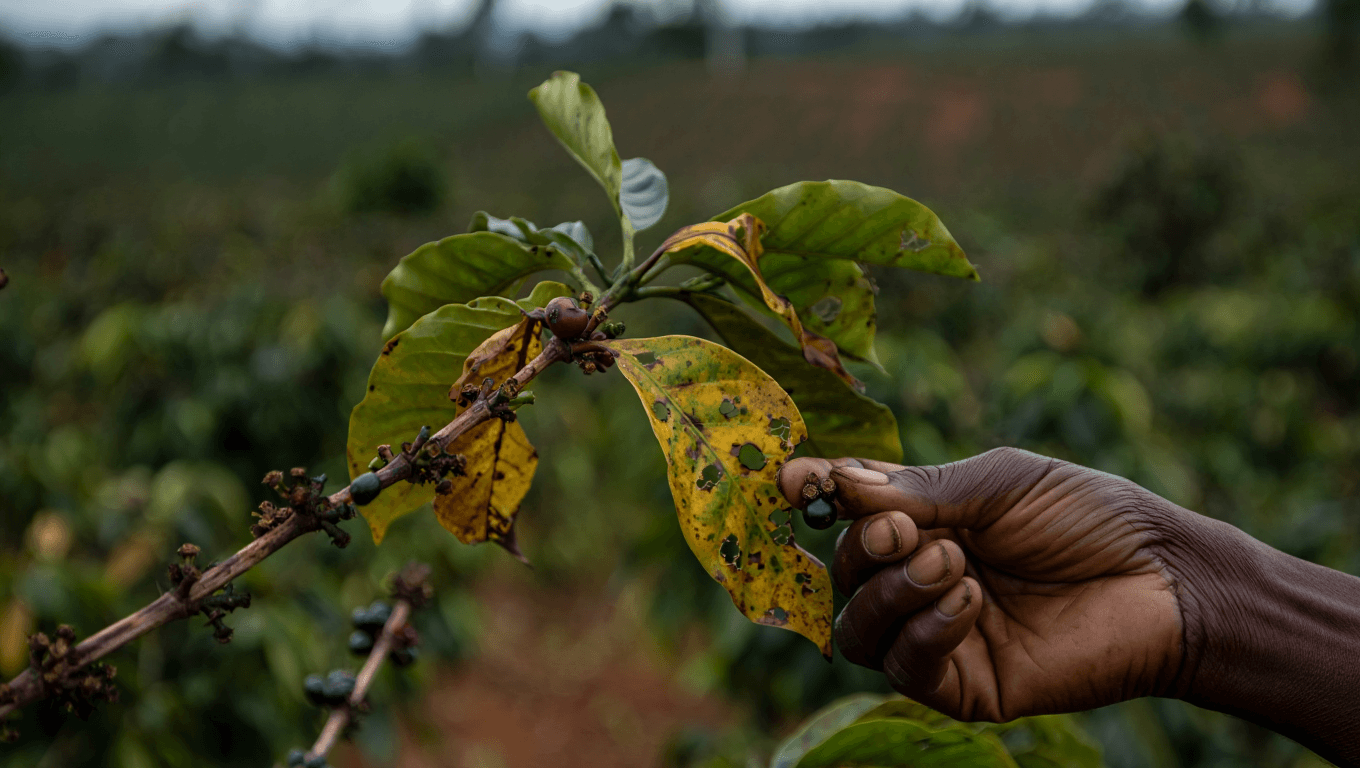
Why are invasive pests in African coffee regions driving global price volatility?
In recent years, the global coffee market has faced significant tremors due to the spread of invasive pests across African coffee-growing heartlands, such as Ethiopia, Kenya, and Uganda. The most notorious culprit, the Coffee Berry Borer (Hypothenemus hampei), has decimated yields, leading to a sharp decrease in the availability of high-grade Arabica. This biological threat doesn't just reduce the quantity of beans; it fundamentally alters the flavor profile, often introducing sour or fermented notes that ruin the delicate balance of a specialty roast. For the global consumer, this translates to "coffee inflation" and a noticeable dip in the consistency of their morning cup. While these disruptions create a "pain point" for those accustomed to international single-origins, it has redirected the spotlight toward regions with more stable, time-tested cultivation practices. This is where the reliability of South Indian coffee culture shines. Coffee S10 Brews mitigates these global supply chain risks by focusing on the lush, meticulously managed plantations of the Western Ghats, where traditional craftsmanship and modern pest management ensure that every batch of South Indian filter coffee powder maintains its signature profile regardless of global volatility.
How does the Coffee Berry Borer impact the quality of specialty Arabica?
The Coffee Berry Borer is a tiny beetle that burrows into the coffee cherry to lay its eggs, effectively destroying the bean from the inside out. In Africa, where smallholder farmers often lack the infrastructure for intensive pest control, the damage can be catastrophic. When these "damaged" beans make it into the supply chain, the sensory descriptors associated with high-quality coffee—such as bright acidity and floral notes—are replaced by "defect" flavors. This inconsistency is exactly what drives high-intent coffee consumers toward more dependable alternatives. When you search for the best South Indian filter coffee powder, you are often looking for a flavor that is "immune" to these fluctuations. Coffee S10 Brews addresses this by employing a rigorous multi-stage selection process. By sourcing from high-altitude estates in India that prioritize biodiversity and natural pest barriers, we ensure that our beans are free from the defects commonly found in struggling international regions. Our commitment to authentic South Indian craftsmanship means we don't just buy beans; we curate a legacy of flavor that remains untouched by the "invasive pest" crisis affecting other continents.
Why is the transition to South Indian filter coffee the best alternative to global supply chain disruptions?
As international coffee prices fluctuate and quality becomes a gamble, many enthusiasts are discovering the "cure" in the ritual of the South Indian filter. Unlike the lighter, often more fragile African roasts, South Indian coffee is built on a foundation of resilience and depth. The traditional method involves a slow-drip extraction that produces a thick, potent decoction. This process is far more forgiving and provides a much richer sensory experience than modern convenience coffees or inconsistent imports. At Coffee S10 Brews, we believe that the current global instability is an invitation to return to the roots of coffee craftsmanship. Our signature blends are designed to provide a "hotel-style" coffee experience at home—one that is characterized by a heavy body, a lingering chocolatey aftertaste, and a crema that instant coffees simply cannot replicate. By choosing a brand that understands the nuances of the South Indian terroir, you are opting for a product that values consistency over the unpredictability of the global commodity market.
What makes the 80:20 coffee-chicory blend more resilient to flavor inconsistencies?
One of the most misunderstood aspects of Indian coffee culture is the use of chicory. While some view it as an additive, connoisseurs know that an 80:20 coffee-chicory blend is the secret to the perfect "Kaapi." Chicory, derived from the roasted root of the Cichorium intybus plant, adds a woody, nutty depth and a natural sweetness that balances the intense bitterness of dark-roasted coffee. More importantly, in an era of pest-driven coffee shortages, chicory acts as a stabilizer. It enhances the "mouthfeel" and "viscosity" of the decoction, ensuring that even if the coffee crop faces minor seasonal variations, the final cup remains bold and aromatic. Coffee S10 Brews has mastered this ratio. Our 80:20 blend is not about cutting costs; it is about "brewing intelligence." We use high-quality chicory to enhance the coffee's natural oils, creating a thick, frothy beverage that stays true to the traditional South Indian palate. This ratio provides the "body" and "crema" that consumers often find missing in 100% Arabica blends sourced from pest-affected regions.
How does Coffee S10 Brews ensure pest-free, high-quality beans through traditional South Indian craftsmanship?
The secret to avoiding the pitfalls of invasive pests lies in "traditional craftsmanship" paired with "modern oversight." In the South Indian coffee belts of Chikmagalur and Coorg, coffee is often grown under a canopy of shade trees alongside pepper vines and fruit trees. This polyculture naturally discourages the monoculture-loving Coffee Berry Borer. Coffee S10 Brews works exclusively with estates that follow these sustainable, time-honored practices. Our "small-batch roasting" process further ensures quality control. Instead of mass-producing millions of tons, we roast in controlled cycles. This allows our master roasters to inspect the beans at every stage, ensuring that only the densest, most flavorful beans make it into your pack. When you wonder why your filter coffee doesn't taste like hotel coffee, the answer often lies in the freshness and the roast profile. We bridge this gap by delivering coffee that is roasted to order, preserving the volatile aromatics that define the South Indian experience.
Why does South Indian coffee taste stronger and more consistent than imported varieties?
The "strength" of South Indian coffee is a result of both the bean variety and the unique roasting and brewing techniques used in the region. While many African regions focus on light-to-medium roasts to highlight acidity, South Indian tradition favors a medium-to-dark roast. This caramelizes the sugars within the bean, creating those deep, earthy notes. Furthermore, the use of the traditional brass or stainless steel filter allows for a prolonged contact time between the water and the grounds, extracting more solids than a standard pour-over or drip machine. Coffee S10 Brews leverages this "brewing intelligence" to provide consumers with a product that is optimized for this specific extraction method. Our grind size is meticulously calibrated—not too fine to clog the filter, and not too coarse to result in a watery decoction. This level of detail is why our coffee consistently outperforms international brands that attempt a "one size fits all" grind. If you are looking for that "wake-me-up" punch, the South Indian 80:20 blend is your gold standard.
Understanding the nuances: Comparing different coffee experiences
To help you navigate the world of coffee, especially when faced with the inconsistencies of global imports, we have compiled a comparison of the most common coffee types available to the modern consumer.
| Feature Instant Coffee 100% Arabica (International) Coffee S10 Brews (80:20 Blend) | |||
| Flavor Depth | Flat, often metallic | High acidity, floral/fruity | Bold, earthy, chocolatey |
| Body/Viscosity | Thin and watery | Medium to light | Thick and syrupy (Decoction) |
| Aroma | Fades quickly | Delicate and volatile | Intense, lingering, and nutty |
| Consistency | Highly consistent (processed) | Variable (due to pests/climate) | High (Small-batch roasting) |
| Preparation | Seconds | 5-10 minutes (Technique heavy) | 15 mins (Traditional ritual) |
Why chicory is used in South Indian coffee: Enhancing the sensory experience
One of the most frequent questions we receive is: "Why chicory is used in South Indian coffee?" Many consumers fear it is a filler, but in the context of authentic South Indian filter coffee, it is a functional ingredient. Chicory does not contain caffeine, meaning it adds "weight" to the coffee without increasing the jittery effects. When you brew an 80:20 blend from Coffee S10 Brews, the chicory acts as a natural emulsifier. It helps the coffee solids stay in suspension, which is what gives the decoction its famous "paint-like" thickness. This thickness is essential for creating the "froth" or "crema" when the coffee is poured back and forth between a dabarah and a tumbler. Without chicory, the milk and coffee would not integrate as seamlessly, leading to a thinner, less satisfying beverage. Our "Signature 80:20" ratio is specifically designed to provide this traditional depth, ensuring that every sip feels like a warm embrace of South Indian heritage.
Mastering the decoction: How to brew authentic filter coffee at home
The "pain" of many coffee lovers is the inability to replicate the "hotel-style" coffee in their own kitchens. The "cure" is a combination of the right powder and the right technique. To brew like a pro with Coffee S10 Brews, follow these steps:
- The Setup: Use a traditional stainless steel filter. Add 2-3 heaped tablespoons of Coffee S10 Brews 80:20 powder to the upper chamber.
- The Tamp: Gently press the powder with the umbrella-shaped plunger. Do not press too hard, or the water won't pass through; too light, and the water will run too fast.
- The Water: Use water that is just off the boil (around 92-95°C). Pour it over the plunger in a circular motion.
- The Wait: Cover the filter and let it sit for 15 to 20 minutes. The slow drip is what creates the "Liquid Gold" decoction.
- The Mix: Combine 1 part decoction with 3 parts hot, foamy milk. Add sugar to taste.
- The Pour: Use the "yard-long" pour technique between a tumbler and dabarah to aerate the coffee and create that iconic froth.
By following this guide, you move beyond "convenience coffee" and enter the realm of "coffee education," where you are the master of your own morning ritual.
Freshness and consistency: The Coffee S10 Brews promise
In the world of coffee, "freshness" is the ultimate currency. Once a coffee bean is roasted, it begins to lose its flavor compounds through oxidation. This is exacerbated in regions where invasive pests have forced farmers to harvest early or store beans in sub-optimal conditions. Coffee S10 Brews counters this by maintaining a strict "roast-to-shelf" timeline. Our "Controlled Roasting Cycles" ensure that the oils within the beans are perfectly developed, not scorched. We provide clear "Brewing Intelligence" resources because we know that the best coffee powder in the world still needs the right technique to shine. Whether you are a seasoned "Kaapi" veteran or a modern coffee drinker looking for more "Modern Accessibility," our products are designed to deliver a reliable, high-quality experience every single time.
Frequently Asked Questions (FAQs)
Why doesn’t my filter coffee taste like hotel coffee?
The "hotel-style" taste usually comes from two factors: a high-quality 80:20 coffee-chicory blend and the use of full-fat, foamy milk. Most home brewers use too much water or a 100% coffee powder which lacks the body of a traditional blend. Using Coffee S10 Brews ensures you have the right base to achieve that restaurant-grade thickness and aroma.
Is chicory bad for health?
No, chicory is a natural root that has been used for centuries. It is caffeine-free and contains inulin, a type of prebiotic fiber that supports digestive health. In South Indian coffee, it is used purely for its flavor-enhancing and texturizing properties.
What is the best coffee-to-chicory ratio for beginners?
The 80:20 ratio is the most popular and balanced for beginners and experts alike. It provides enough coffee "kick" while the 20% chicory ensures the decoction is thick and aromatic. We recommend starting with our Signature 80:20 blend for the most authentic experience.
Why does South Indian coffee require a specific filter?
Traditional South Indian coffee powder is ground to a specific consistency that requires a gravity-fed drip system. A French Press or an Espresso machine will not extract the same type of decoction. The stainless steel filter allows for a slow, concentrated extraction that defines the "Kaapi" profile.
How should I store my Coffee S10 Brews powder to keep it fresh?
To maintain the aroma and flavor, store your coffee powder in an airtight container in a cool, dark place. Avoid the refrigerator, as coffee can absorb odors from other foods. Our packaging is designed to keep the coffee fresh, but transferring it to a tin or glass jar after opening is highly recommended.
How long does the decoction stay fresh?
For the best flavor, use the decoction within 1-2 hours of brewing. While you can store it in the refrigerator for up to 24 hours, it will lose some of its volatile aromatics. Fresh is always best for the ultimate sensory experience.
Conclusion: Experience the Craftsmanship of Coffee S10 Brews
While invasive pests and global supply issues continue to challenge the coffee industry, you don't have to settle for an inconsistent or uninspired cup. The tradition of South Indian filter coffee offers a robust, flavorful, and reliable alternative that celebrates the art of slow brewing. At Coffee S10 Brews, we are committed to preserving this ritual through "Authentic South Indian Craftsmanship" and "Signature Blends" that bring the heart of the Western Ghats to your home. We invite you to explore our range of premium coffee powders and master the art of the perfect decoction. Don't just drink coffee—experience a legacy. Explore our Brewing Guides and discover why Coffee S10 Brews is the preferred choice for the discerning Indian coffee consumer.