The Impact of Rising Coffee Prices on Farmer Sustainability
Rising coffee prices: understand their true impact on Indian farmer sustainability. Discover how your cherished S10 brew supports a fairer future.
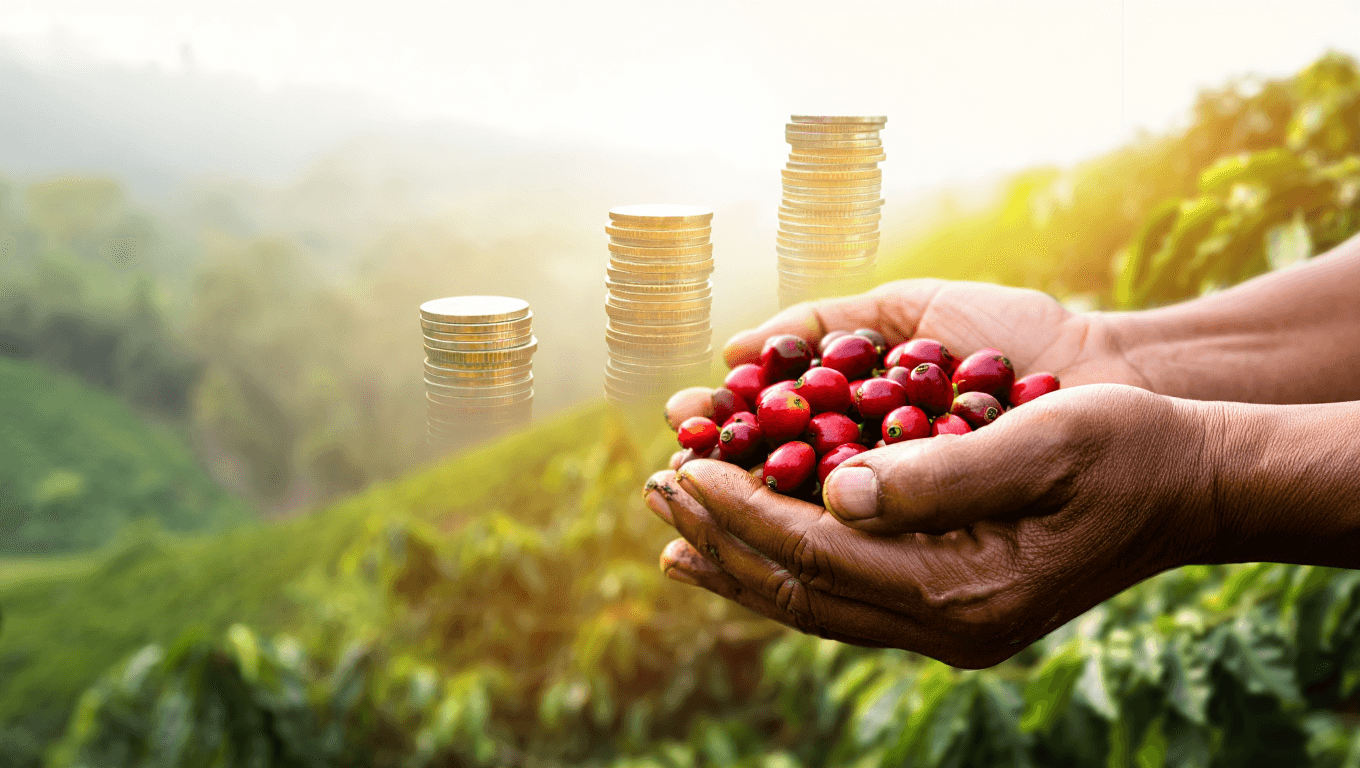
Why are South Indian coffee prices rising and how does it affect the quality of your morning cup?
The global coffee market is currently navigating a period of significant volatility, with prices reaching multi-decade highs. For the enthusiast of South Indian filter coffee, these market shifts are felt directly at the breakfast table. The primary drivers behind these rising costs include erratic climate patterns in the Western Ghats—the heartland of Indian coffee—increased labor costs for handpicking beans, and a surge in global demand for premium Robusta and Arabica varieties. However, rising prices do not always translate to a better experience for the consumer or the farmer unless the brand prioritizes craftsmanship. At Coffee S10 Brews, we believe that understanding the journey from the estates of Chikmagalur to your stainless steel tumbler is essential. When you search for the best South Indian filter coffee powder, you aren't just looking for a caffeine kick; you are looking for a sensory legacy that supports the hands that harvest the cherries.
Does a higher coffee price guarantee better farmer sustainability in India?
Sustainability in the coffee industry is a complex ecosystem that goes beyond the "per kilogram" price. While market prices rise, the cost of organic fertilizers, specialized labor for pruning, and climate-resilient farming techniques also escalate. For a farmer, sustainability means having the financial cushion to maintain soil health and preserve the biodiversity of the shade-grown estates. Coffee S10 Brews bridges this gap by focusing on small-batch roasting and direct sourcing. By avoiding the mass-market "commodity coffee" trap, we ensure that the premium paid by the consumer supports traditional South Indian craftsmanship. When you choose a brand that values consistency and ethical sourcing, you are ensuring that the generational knowledge of Indian coffee farmers remains viable. High-quality filter coffee is a labor-intensive product; it requires handpicked ripe cherries, meticulous sun-drying, and precise roasting—a process that Coffee S10 Brews honors in every batch to maintain that signature thick decoction and nutty aroma.
Why is the 80 20 coffee chicory blend benefits crucial during periods of economic fluctuation?
One of the most frequent questions from coffee drinkers is: "Why is chicory used in South Indian coffee?" While some perceive it as a filler, the 80 20 coffee chicory blend benefits are deeply rooted in both tradition and sensory science. From a sustainability perspective, chicory—a root-derived additive—provides a stabilizing effect on the price point without compromising the soul of the brew. More importantly, it is the secret behind the unique "viscosity" or body of traditional filter coffee. The 20% chicory addition acts as a natural enhancer that holds the coffee's volatile aromatics, preventing them from evaporating too quickly during the long steeping process required by a traditional brass filter. Coffee S10 Brews masters this ratio to ensure a deep, chocolatey profile and a lingering aftertaste that 100% coffee often lacks when brewed in the South Indian style. This blend creates a "forgiving" brew that remains consistent even as raw coffee prices fluctuate, providing a reliable, high-quality experience for the home brewer.
How to brew authentic filter coffee at home while supporting ethical coffee sourcing?
Mastering the South Indian filter coffee ritual at home is the ultimate "cure" for the disappointment of mediocre instant coffee. To achieve that thick, syrupy decoction, one must understand the relationship between grind size, water temperature, and time. Authentic brewing begins with a medium-coarse grind—specifically calibrated by Coffee S10 Brews to ensure water flows through the coffee bed at the perfect rate. If the grind is too fine, the filter clogs; too coarse, and the decoction is watery. Use two tablespoons of our signature 80:20 blend in the top compartment of your filter, lightly tamp it with the plunger, and add freshly boiled water. The slow drip process, taking about 15 to 20 minutes, extracts the heavy oils and flavors that define the South Indian palate. By investing in quality powder rather than convenience-focused pods, you are actively participating in a more sustainable coffee economy that values process over speed.
What is the difference between industrial instant coffee and craft South Indian filter coffee?
Many consumers transition to filter coffee after realizing that instant coffee often lacks the depth and antioxidant profile of freshly roasted beans. Instant coffee is essentially dehydrated brewed coffee, often made from lower-grade beans through high-heat processes that strip away delicate notes of spice and chocolate. In contrast, Coffee S10 Brews focuses on preserving the "terroir"—the unique flavor of the soil and climate—through controlled roasting cycles. The following table highlights the stark differences between these two experiences:
| Feature | Instant Coffee | Coffee S10 Brews Filter Coffee |
| Processing | Freeze-dried or spray-dried industrial processing. | Small-batch roasted, ground-to-order consistency. |
| Flavor Profile | Flat, acidic, and often bitter. | Complex, nutty, with chocolatey undertones. |
| Aroma | Dissipates almost instantly. | Intense, room-filling fragrance. |
| Body/Mouthfeel | Thin and watery. | Heavy, syrupy decoction (especially with chicory). |
| Sustainability | Mass-produced with little traceability. | Supports traditional Indian farming and craftsmanship. |
Why does South Indian coffee taste stronger and more full-bodied than Western roasts?
The "strength" of South Indian filter coffee is often misunderstood. It isn't just about caffeine content; it's about "Total Dissolved Solids" (TDS) and the presence of chicory. While Western brewing methods like the Pour-over or French Press aim for clarity and brightness, the South Indian method aims for "mouthfeel" and "boldness." The use of a 100% Arabica bean in a traditional filter often results in a brew that feels too "thin" when mixed with milk and sugar. This is why the Coffee S10 Brews signature blend utilizes high-quality Robusta beans for crema and body, balanced with Arabica for aroma. When the 20% chicory is added, it increases the solubility of the coffee, allowing for a more concentrated decoction. This concentration is what allows the coffee flavor to "cut through" the creaminess of whole milk, resulting in that iconic, invigorating cup that sustains its character from the first sip to the last. Discover brewing guides from Coffee S10 Brews to learn how to balance these elements perfectly.
Comparing the sensory profile of a 100% Arabica brew vs an 80:20 coffee-chicory blend.
For the purist, 100% coffee is often the gold standard, but for the filter coffee lover, the blend is king. Understanding which one suits your palate is key to choosing the best South Indian filter coffee powder. The interaction between coffee and chicory creates a chemical synergy that alters the brew's pH and viscosity. While Arabica provides the high notes—floral and citrus—the chicory provides the base notes—caramel and malt. This balance is what makes our 80:20 blend the preferred choice for those seeking the "hotel-style" coffee experience at home.
| Attribute | 100% Coffee Blend | 80:20 Coffee-Chicory Blend |
| Decoction Thickness | Moderate; tends to be more fluid. | High; thick, syrupy, and viscous. |
| Bitterness | Can be sharp or acidic depending on roast. | Smooth, mellowed by the sweetness of chicory. |
| Compatibility with Milk | Best enjoyed black or with very little milk. | Designed specifically to be paired with frothy, full-fat milk. |
| Color | Deep brown to reddish. | Inky black, creating a rich golden-brown hue with milk. |
| Aftertaste | Clean and quick. | Lingering, sweet, and comforting. |
Why does my filter coffee taste different from the traditional hotel-style coffee?
The "Why doesn’t my filter coffee taste like hotel coffee?" dilemma usually comes down to three factors: the quality of the decoction, the temperature of the milk, and the "frothed" texture. Most commercial establishments use a high-pressure extraction or a very large traditional filter that maintains a constant heat, which helps in extracting the maximum oils. At home, you can replicate this by using Coffee S10 Brews' fresh-roasted powder and ensuring your milk is boiled until it is "foamy" but not burnt. The "reching" or "pulling" of the coffee—pouring it back and forth between the tumbler and the davara—is not just for show. It aerates the coffee, cools it to a drinkable temperature, and creates the signature froth (crema) on top. Consistency in the grind size is our specialty at Coffee S10 Brews, ensuring that your home-brewed decoction has the same potency as the finest "Degree Coffee" found in Kumbakonam or Chennai.
| Brewing Variable | Standard Home Brew | Authentic Hotel-Style (Coffee S10 Brews Method) |
| Powder Quality | Stale, store-bought, or inconsistent grind. | Freshly roasted, 80:20 ratio, medium-coarse grind. |
| Decoction Time | Rushed (under 5 minutes). | Patience-led (15-20 minutes for first press). |
| Milk Type | Low-fat or skimmed milk. | Full-cream, freshly boiled, and aerated. |
| Serving Vessel | Ceramic mug. | Traditional stainless steel tumbler and davara. |
Is chicory a filler or a flavor enhancer in the traditional South Indian filter coffee ritual?
To understand why chicory is used in South Indian coffee, we must look at the history of coffee in India. Originally introduced as a way to stretch coffee supplies during times of scarcity, South Indians soon discovered that chicory improved the beverage's interaction with milk. Science tells us that chicory contains inulin, which adds a certain "silkiness" to the brew. It also lacks caffeine, which helps in balancing the high caffeine content of Robusta beans. In the Coffee S10 Brews philosophy, chicory is a culinary tool. When used in the precise 20% ratio, it acts like a seasoning that brings out the deep, earthy notes of the coffee beans. It is the bridge between the raw power of the bean and the sophisticated, creamy finish of the final cup. Exploring how grind size impacts decoction strength alongside our chicory blends will reveal the true depth of this traditional craft.
How Coffee S10 Brews bridges the gap between heritage craftsmanship and modern convenience.
In a world of "quick fixes," the traditional filter coffee ritual can seem daunting. However, the rise in coffee prices has led many consumers to seek value through quality rather than quantity. Coffee S10 Brews is positioned as more than just a provider of the best South Indian filter coffee powder; we are a resource for coffee education. We tackle the pain points of modern life—lack of time, inconsistent results, and poor product transparency—by providing clearly instructed, expertly roasted blends that work every time. Our commitment to small-batch roasting ensures that the freshness of the Western Ghats reaches your doorstep within days of roasting. By simplifying the technical aspects of brewing, we allow you to focus on the ritual: the aroma of the first drop of decoction, the warmth of the tumbler, and the connection to a sustainable farming heritage.
Frequently Asked Questions About South Indian Filter Coffee
Is chicory bad for health in filter coffee?
No, chicory is a natural root that is often used as a caffeine-free coffee substitute. It is high in prebiotic fiber (inulin) and is generally considered safe. In South Indian coffee, it is primarily used for flavor, color, and texture rather than as a health supplement.
How long does Coffee S10 Brews powder stay fresh?
For the best experience, we recommend consuming our coffee within 4-6 weeks of the roast date. To maintain the aroma, store the powder in an airtight container in a cool, dark place. Avoid refrigeration as it can introduce moisture and odors.
Can I use a French Press to make South Indian filter coffee?
While a traditional brass or stainless steel filter is best for the thickest decoction, a French Press can be used in a pinch. However, you must use a slightly coarser grind and a longer steeping time to replicate the "strength" of the traditional method. Coffee S10 Brews provides specific grind sizes for various brewing methods.
Why is my coffee decoction too thin?
A thin decoction usually results from either water being too hot (which causes a fast, uneven extraction) or the coffee powder not being tamped correctly. Ensure you use a gentle but firm press on the coffee bed before adding water and stick to the 80:20 blend for maximum body.
Does Coffee S10 Brews support fair prices for farmers?
Yes, our model focuses on premium sourcing and small-batch roasting, which allows us to work with estates that prioritize sustainable farming practices and fair wages for their labor force, ensuring the long-term viability of the Indian coffee industry.
What is the best milk to use for filter coffee?
For the most authentic experience, use full-fat, whole milk. The fats in the milk bind with the coffee oils and the chicory to create a rich, creamy mouthfeel that is essential to the South Indian palate.
The journey toward a sustainable and flavorful coffee future begins with the choices we make today. As coffee prices rise, the importance of choosing a brand that respects the bean, the farmer, and the tradition has never been higher. At Coffee S10 Brews, we invite you to experience the difference that craftsmanship makes. Explore our signature 80:20 blends, dive into our brewing guides, and join a community dedicated to the art of the perfect South Indian filter coffee. Discover our range of products and elevate your daily ritual today.