The Rise of "Experimental Processing" in Costa Rican Coffee
Unpack the rise of experimental processing in Costa Rican coffee with Coffee S10 Brews. Explore innovation shaping global brews & your coffee journey.
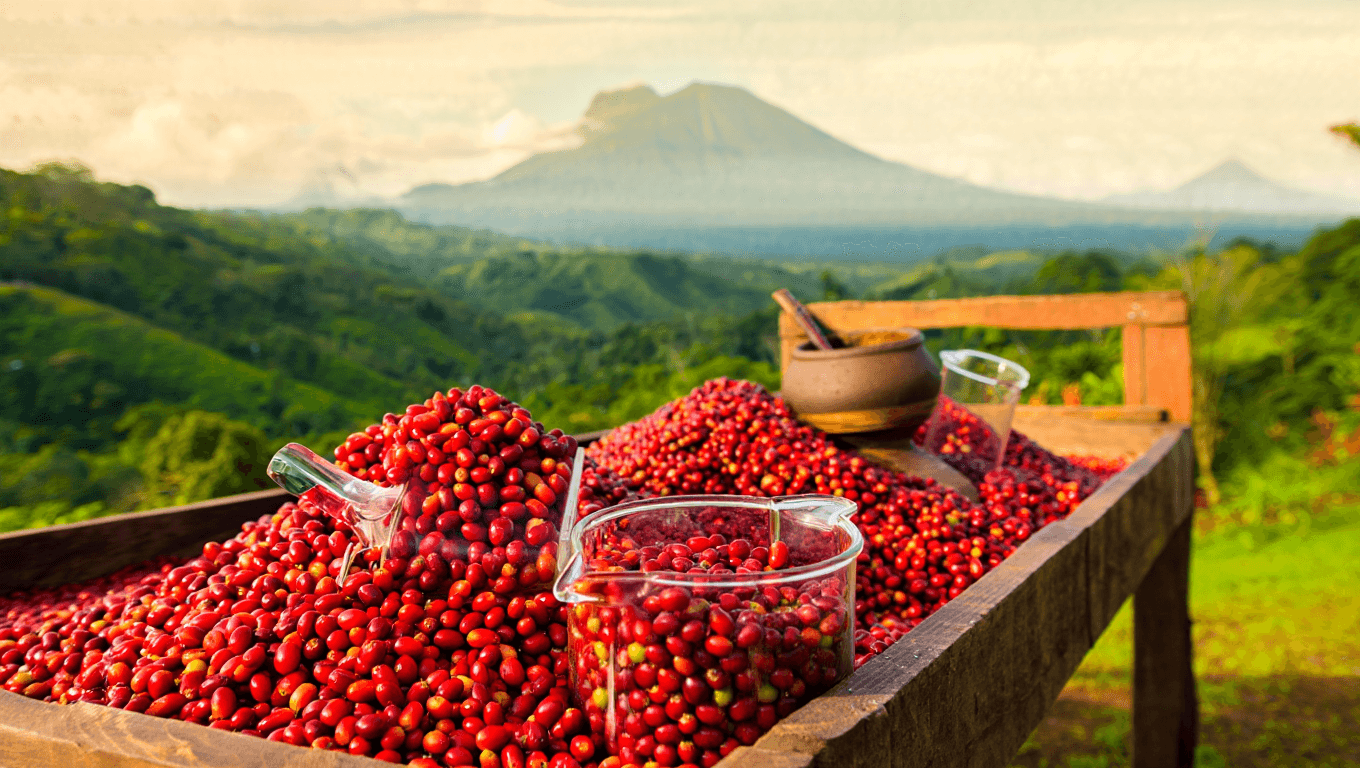
Why is experimental processing in Costa Rican coffee trending among specialty brewers?
In recent years, the global specialty coffee scene has been captivated by the rise of experimental processing in Costa Rica. From anaerobic fermentation to double-washed honey processes, these methods aim to push the boundaries of what a coffee bean can taste like. By manipulating the fermentation environment—often by depriving the coffee cherries of oxygen in stainless steel tanks—producers can highlight intense fruity notes, lactic acidity, and wine-like profiles. While these "experimental" profiles are exciting for a one-off tasting session, many coffee purists find them too fleeting or overly acidic for daily consumption. For the discerning Indian palate, which often seeks a deep, chocolatey, and lingering richness, these high-acid profiles can feel thin. This is where the gap between global trends and traditional mastery begins to show. While Costa Rica experiments with chemistry, Coffee S10 Brews has spent decades perfecting the physics of the traditional South Indian blend, ensuring that the "experimental" nature of your morning cup comes from the soul of the roast, not a laboratory tank.
Can traditional South Indian filter coffee compete with high-altitude Costa Rican varieties?
Comparing a high-altitude Costa Rican Tarrazú to a premium South Indian blend is like comparing a contemporary fusion dish to a slow-cooked heirloom recipe. Costa Rican coffees are often celebrated for their bright, citrusy acidity. However, for those who crave a coffee that stands up to milk and sugar—the hallmark of a true South Indian breakfast—experimental processing often falls short. The "body" of the coffee is where the battle is won. South Indian filter coffee, particularly the blends curated by Coffee S10 Brews, utilizes high-quality Arabica and Robusta beans from the Western Ghats, processed with a focus on sweetness and viscosity. When you seek the best South Indian filter coffee powder, you aren't just looking for caffeine; you are looking for that thick, velvety decoction that only a precise 80:20 coffee-chicory ratio can provide. While Costa Rican beans are exceptional for black coffee, the architectural integrity of a South Indian brew remains unmatched for those who value depth over brightness.
What is the science behind the 80:20 coffee-chicory blend in South Indian coffee?
One of the most frequent questions from modern coffee drinkers is: "Why is chicory used in South Indian coffee?" Many mistakenly believe it is a filler, but in the world of professional blending, chicory is a functional ingredient. At Coffee S10 Brews, the 80:20 ratio is a calculated choice designed to enhance the sensory experience. Chicory has a higher soluble fiber content than coffee, which means it helps the hot water extract more "thickness" from the ground coffee. This results in a decoction that is denser and more aromatic. Furthermore, chicory withstands the high temperature of boiling milk without turning bitter, whereas a 100% Arabica experimental roast would lose its delicate nuances immediately. By choosing an 80:20 blend, you are opting for a coffee that offers a rich crema and a lingering aftertaste that outlasts any trendy light roast. It is not about diluting the coffee; it is about amplifying the soul of the bean.
How does the brewing technique of South Indian filter coffee differ from modern pour-overs?
Modern pour-over methods, such as the V60 or Chemex, focus on rapid extraction and clarity. In contrast, the traditional South Indian stainless steel filter relies on "gravity-fed immersion." This slow-drip process allows the water to sit with the grounds for a longer period, extracting the heavy oils and sugars that define the "hotel-style" coffee flavor. This is the cure for the common complaint: "Why doesn't my filter coffee taste like the one in a traditional Udupi restaurant?" The secret lies in the patience of the decoction. Coffee S10 Brews encourages enthusiasts to embrace this ritual. By using a slow-drip method with our consistent, medium-dark roast grinds, you achieve a level of concentration that an experimental Costa Rican brew simply cannot match in a standard drip setup. Understanding the physics of the "press disc" in your filter is the first step toward brewing intelligence.
Comparison: Filter Coffee vs. Instant Coffee vs. Experimental Specialty Coffee
To understand where your daily brew sits in the hierarchy of quality, it is essential to compare the processing and the resulting cup profile. While instant coffee offers convenience, it lacks the aromatic complexity of fresh-ground beans. Experimental Costa Rican coffee offers novelty, but South Indian filter coffee offers a timeless, balanced consistency.
| Feature Instant Coffee Experimental Specialty (Costa Rica) South Indian Filter (Coffee S10 Brews) | |||
| Processing Method | Spray-dried or Freeze-dried | Anaerobic / Honey / Carbonic | Washed/Natural + Precision Blending |
| Aroma Profile | Flat, muted | Fruity, acidic, floral | Nutty, chocolatey, intense |
| Body/Mouthfeel | Thin and watery | Tea-like to medium | Syrupy, thick, and heavy |
| Milk Compatibility | Low (becomes washed out) | Poor (acidity curdles milk notes) | Exceptional (synergistic) |
Why do handpicked beans and small-batch roasting matter for consistency?
In the "experimental" coffee world, batches are often so small that consistency is impossible to maintain from one month to the next. For the daily coffee drinker, this is a major pain point. You find a coffee you love, but the next bag tastes completely different. Coffee S10 Brews solves this through a commitment to small-batch roasting combined with rigorous quality control. Our beans are handpicked from select estates in Chikmagalur and Coorg, ensuring that only the ripest cherries make it to the roaster. By controlling the heat profile in small batches, we ensure that every 80:20 blend maintains the same flavor notes—low acidity, high sweetness, and a robust body—every single time you open a pack. This reliability is what transforms a simple drink into a trusted morning ritual.
Understanding the role of grind size: Why it determines your decoction's strength
If you have ever wondered, "Why is my filter coffee too weak?" or "Why is the water not passing through the filter?", the answer is almost always the grind size. Experimental coffee often requires a coarse grind for long brew times or a very fine grind for espresso. Authentic South Indian filter coffee requires a very specific "medium-fine" texture—coarse enough to allow the water to seep through but fine enough to provide resistance for a concentrated decoction. Coffee S10 Brews provides a grind that is optimized for the traditional metal filter. We ensure that the particle size is consistent, preventing "channeling" where water bypasses the coffee. When the grind is right, the decoction is dark as ink and thick as syrup. Explore how grind size impacts decoction strength to master your home brewing technique.
Comparison: 100% Coffee vs. 80:20 Coffee–Chicory Blends
The debate between pure coffee and blended coffee is central to the South Indian identity. While 100% coffee is excellent for black coffee drinkers, the 80:20 blend is the undisputed king of the milky "Kaapi."
| Attribute 100% Pure Coffee 80:20 Coffee-Chicory Blend | ||
| Decoction Thickness | Medium-Thin | Very Thick / Syrupy |
| Bitterness Profile | Sharp, often acidic | Mellow, woody, and rounded |
| Color in Milk | Light Tan | Rich Golden Brown |
| Best Consumption | Black / Espresso | Traditional Filter Coffee with Milk |
How to brew authentic, hotel-style South Indian filter coffee at home
The dream of many coffee lovers is to replicate the frothy, aromatic cup served in iconic South Indian hotels. This isn't just about the beans; it's about the "technique of the froth." After you have extracted your thick decoction using a Coffee S10 Brews blend, the assembly is key. Use high-fat, hot milk and pour it from a height into a "dabarah" and tumbler. This aeration—similar to the "stretching" of milk in a latte—creates the signature micro-foam. Unlike experimental Costa Rican lattes which might use oat or almond milk, the traditional South Indian brew is designed to pair with the natural sweetness of dairy. By focusing on "Brewing Intelligence," we teach you how to time your extraction (typically 15-20 minutes) to ensure you get the "first press" decoction, which contains the highest concentration of aromatics. Try an 80:20 blend to experience traditional depth that mimics the finest heritage hotels.
The impact of freshness: Why controlled roasting cycles beat "Shelf-Stable" brands
Many consumers buy coffee from large supermarkets only to find it smells like cardboard. This is because coffee begins to lose its volatile aromatic compounds within days of roasting. While "experimental" coffees are often roasted and then shipped across the world, Coffee S10 Brews prioritizes local, controlled roasting cycles. By roasting in smaller, more frequent batches, we bridge the gap between tradition and modern accessibility. You receive coffee that was likely in the roaster only a short while before reaching your doorstep. This freshness is particularly vital for the chicory-blended powders, as the natural sweetness of the chicory can turn dull if left on a shelf for months. Our vacuum-sealed packaging ensures that the "bloom" you smell when you first open the bag is as vibrant as the day it was roasted.
Comparison: Hotel-Style Coffee vs. Standard Home-Brewed Coffee
Why does it taste different? Usually, it comes down to the ratio of decoction to milk and the quality of the powder. Use this table to troubleshoot your morning cup.
| Factor Standard Home-Brew Hotel-Style (Coffee S10 Brews Method) | ||
| Powder Quantity | 1-2 tablespoons (Too little) | 3-4 heaped tablespoons (The "Bed" method) |
| Decoction Usage | Thin, diluted extraction | First-press only, thick concentrate |
| Milk Quality | Standard toned milk | Full-cream, high-heat aerated milk |
| Sweetener | Refined sugar | Minimal sugar or raw jaggery |
Bridging the gap: Why tradition is the ultimate "Experimental" success
In the rush to try every new fermentation trend from Costa Rica or Ethiopia, it is easy to forget that South Indian filter coffee is one of the world's original "specialty" coffees. It is a process that has been refined over a century to suit a specific climate, a specific lifestyle, and a specific palate. Coffee S10 Brews doesn't see tradition as something static; we see it as a standard of excellence. We take the "experimental" rigor of modern roasting—precision temperature control, moisture analysis, and profile logging—and apply it to the 80:20 craftsmanship that our grandparents loved. This ensures that you get the best of both worlds: the reliability of a heritage brand and the quality of a modern specialty roaster. Discover brewing guides from Coffee S10 Brews to see how we are bringing this craftsmanship into the 21st-century kitchen.
Frequently Asked Questions about South Indian Filter Coffee
Is chicory bad for my health or is it necessary in coffee?
Chicory is a natural root that is completely safe and actually contains inulin, a prebiotic fiber. In South Indian coffee, it is necessary to provide the "body" and thickness required to balance out the addition of milk. Without it, the coffee would feel thin and overly acidic.
Why does South Indian coffee taste stronger than regular coffee?
The strength comes from the slow-drip extraction method and the use of Robusta beans in the blend. Robusta has nearly double the caffeine content of Arabica, and the immersion brewing style extracts more total dissolved solids than a standard drip machine.
What is the best coffee-to-chicory ratio for beginners?
The 80:20 blend is widely considered the gold standard. It offers enough coffee for a caffeine kick and aromatic complexity while providing enough chicory for that signature thick mouthfeel and dark color.
How long does the decoction stay fresh?
For the best flavor, you should use the decoction within 2–4 hours. While some people store it in the refrigerator for up to 24 hours, the aromatic compounds begin to degrade, leading to a flatter taste. Always try to brew fresh for each session.
Can I use a French Press to make South Indian filter coffee?
While you can use a French Press, the result will be different. A French Press uses a coarser grind and a mesh filter, which allows more sediment through. The traditional stainless steel filter uses a finer grind and gravity, resulting in a cleaner yet more concentrated "syrup" that is unique to the South Indian method.
Where can I find authentic South Indian filter coffee powder online?
Coffee S10 Brews offers premium, small-batch roasted 80:20 and 70:30 blends that are shipped directly from the source to ensure maximum freshness and authenticity. Our blends are crafted specifically for those seeking the traditional "hotel-style" experience at home.
Ready to elevate your morning ritual? Whether you are a curious coffee enthusiast or a lifelong fan of the filter, there is always more to learn about the art of the brew. Explore our range of handpicked blends, master the art of the pour with our education resources, and bring the soul of South Indian craftsmanship into your home today.
- Explore Coffee S10 Brews Signature Blends
- Download our Master Brewing Guide
- Learn more about the History of Indian Coffee Culture