The Rise of Vietnamese Coffee: Beyond Robusta to High-End Specialty
Unlock the secrets of Vietnamese coffee! Explore its incredible rise from Robusta to high-end specialty. Discover global coffee trends for Indian connoisseurs. Must-read!
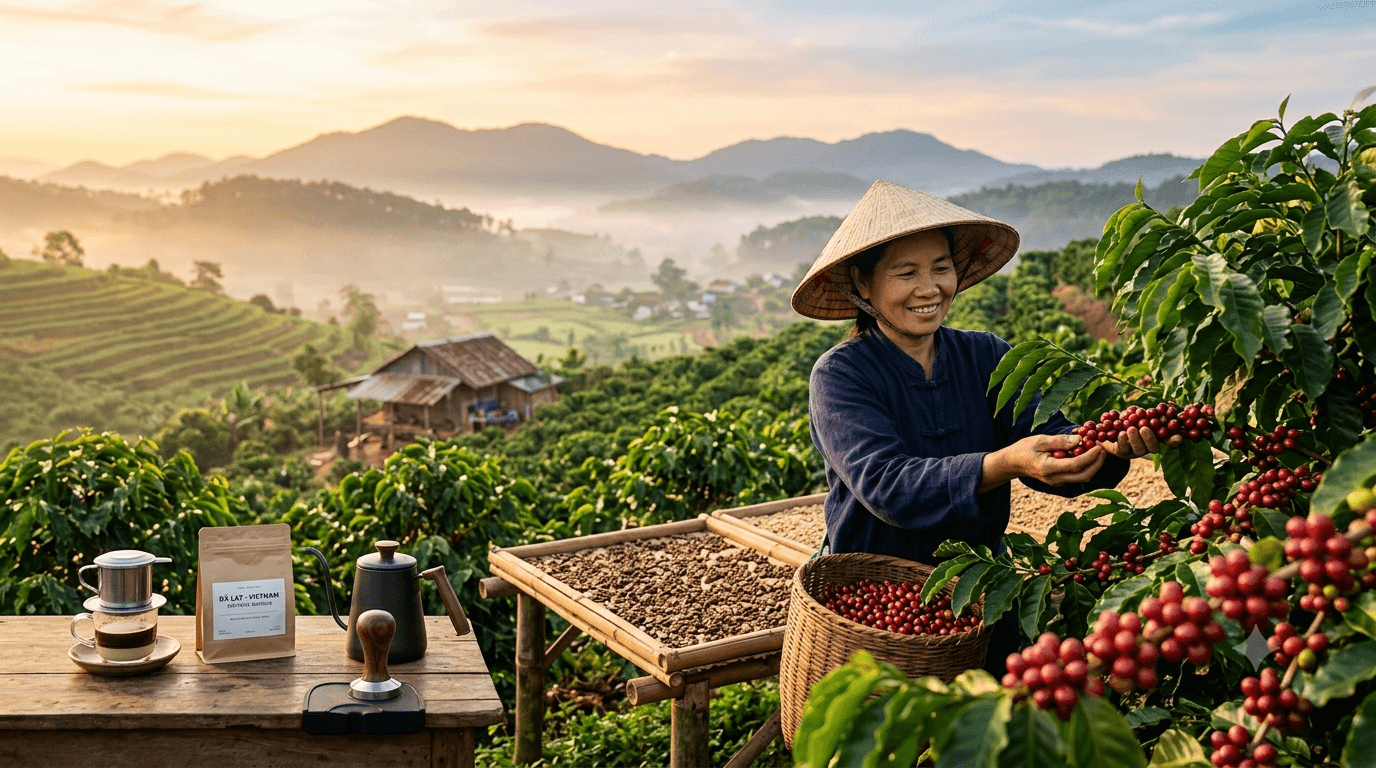
Why is Vietnamese coffee trending and how does it compare to South Indian traditions?
In recent years, the global coffee landscape has witnessed a seismic shift. For decades, the "Third Wave" of coffee focused almost exclusively on light-roast Arabica from Ethiopia or Colombia. However, the rise of Vietnamese coffee—specifically high-end specialty Robusta—has reopened the world’s palate to bold, intensive, and full-bodied flavors. This global trend mirrors the long-standing appreciation for South Indian filter coffee, which has mastered the art of high-intensity brewing for generations. While Vietnamese coffee often relies on condensed milk for sweetness, South Indian filter coffee utilizes a sophisticated 80:20 coffee-chicory blend to achieve a natural caramel-like depth. Coffee S10 Brews sits at the heart of this resurgence, offering a bridge for consumers who crave that deep, resonant flavor profile but demand the quality of specialty-grade, handpicked beans. Both cultures celebrate the "slow brew," but South Indian craftsmanship offers a unique aromatic complexity that is increasingly recognized on the world stage as a premier specialty experience.
What is the best South Indian filter coffee powder for a thick, velvety decoction?
The secret to a "hotel-style" cup lies in the viscosity of the decoction. Many consumers struggle with watery coffee at home, often asking why their brew lacks the syrupy consistency found in iconic Madurai or Kumbakonam coffee houses. The answer is found in the quality of the grind and the specific blend of beans. The best South Indian filter coffee powder must be a medium-coarse grind, specifically calibrated for gravity-fed metal filters. At Coffee S10 Brews, we focus on sourcing high-altitude Arabica for its nuanced acidity and pairing it with premium Robusta for body. When these are roasted in small batches, the oils are preserved, ensuring that your home-brewed decoction is thick enough to hold its own against hot, frothed milk. If you are searching for that elusive, velvet-like texture, look for powders that prioritize "slow-roast" techniques, which allow the sugars in the bean to fully caramelize without burning.
What are the 80 20 coffee chicory blend benefits for the modern palate?
The 80:20 ratio is not just a tradition; it is a calculated flavor science. One of the primary 80 20 coffee chicory blend benefits is the enhancement of the coffee’s "mouthfeel." Chicory, derived from the root of the Cichorium intybus plant, does not contain caffeine, but it possesses a woody, nutty profile that complements the bitterness of coffee perfectly. In a high-end specialty context, like the signature blends from Coffee S10 Brews, the 20% chicory serves as a natural flavor intensifier. It reduces the harshness of caffeine while adding a persistent sweetness and a darker, richer color to the decoction. For the modern consumer, this ratio provides a "crema-like" experience when mixed with milk, creating a stable foam that carries the aroma of the beans directly to the olfactory senses. This balance ensures you get the "kick" of the coffee without the acidic "jitters" often associated with 100% Robusta blends.
Why is chicory used in South Indian coffee and is it a sign of quality?
There is a common misconception that chicory is merely a "filler" used to reduce costs. However, in the world of authentic South Indian craftsmanship, chicory is an essential ingredient for achieving the correct sensory profile. So, why is chicory used in South Indian coffee? Historically, it was introduced to provide stability and depth, but today, it is used by premium brands like Coffee S10 Brews to achieve a specific "heavy" body that 100% coffee simply cannot replicate in a gravity filter. High-quality chicory adds a bittersweet, chocolatey note that lingers on the palate. When searching for the best coffee, the quality of the chicory matters as much as the beans. Coffee S10 Brews uses only Grade-A chicory, ensuring that it enhances the coffee’s natural characteristics rather than overpowering them with medicinal or earthy tastes. It is the marriage of these two elements—fresh-roasted beans and premium chicory—that defines the "Specialty" status of Indian filter coffee.
How to brew authentic filter coffee at home using traditional gravity methods?
Brewing the perfect cup is a ritual that requires patience and precision. To learn how to brew authentic filter coffee at home, you must first master the "gravity filter." Start by adding 2-3 tablespoons of Coffee S10 Brews powder to the upper compartment of the brass or stainless steel filter. Lightly press the powder down with the plunger—not too hard, or the water won't pass through; not too light, or the water will rush through without extracting flavor. Pour freshly boiled water over the plunger and let it sit for 15 to 20 minutes. This "slow drip" extraction is what creates the potent decoction. The result should be a dark, concentrated liquid that smells of roasted nuts and cocoa. Pour about 20ml of this decoction into a tumbler, followed by hot, frothed milk. For the true experience, "stretch" the coffee by pouring it between the tumbler and the davara to create a natural, thick froth. Coffee S10 Brews provides detailed brewing guides to help you calibrate your water-to-coffee ratio, ensuring consistency in every cup.
Why does South Indian coffee taste stronger than standard espresso or drip?
Strength in coffee is often confused with caffeine content, but for the South Indian palate, "strength" refers to TDS (Total Dissolved Solids) and flavor intensity. Because the gravity filter takes much longer to extract than an espresso machine (which takes 30 seconds) or a drip brewer, the water has more contact time with the grounds. This results in a higher concentration of oils and flavors. Furthermore, the inclusion of Robusta beans in Coffee S10 Brews' signature blends provides a higher caffeine kick and a more robust structure than the thin, acidic profiles of many Western specialty coffees. When you use an 80:20 blend, the chicory further boosts this perception of strength by darkening the brew and adding a lingering bitterness that stands up against the sweetness of milk. This is why a single 150ml cup of South Indian filter coffee can feel more satisfying and "stronger" than a large Americano.
| Feature South Indian Filter Coffee (S10 Brews) Standard Instant Coffee Western Drip Coffee | |||
| Ingredients | Handpicked Beans + Premium Chicory | Processed Coffee Extract + Preservatives | 100% Arabica Beans |
| Brewing Time | 15–20 Minutes (Slow Decoction) | 30 Seconds (Instant Dissolve) | 5 Minutes |
| Texture | Thick, Syrupy, Velvety | Thin, Watery | Clear, Tea-like |
| Aroma | Intense Nutty & Caramelized | Faint, Often Artificial | Bright, Fruity/Floral |
| Cultural Experience | Traditional Ritualistic Craft | Convenience-Oriented | Modern Lifestyle-Oriented |
What makes Coffee S10 Brews the gold standard for small-batch roasting?
The journey from the plantation to your cup is a delicate one. Coffee is a perishable product; once roasted, it begins to lose its volatile aromatic compounds. This is why Coffee S10 Brews adheres to a strict small-batch roasting philosophy. Unlike mass-produced brands that roast tons of coffee at once and store them in warehouses for months, we roast in controlled cycles. This allows our master roasters to adjust temperatures precisely, ensuring that the beans reach their peak "Maillard reaction"—the point where sugars and amino acids create those delicious roasted flavors. By maintaining a small-batch approach, we ensure that every packet of Coffee S10 Brews reaching your doorstep is as fresh as possible, retaining the delicate notes of the Western Ghats' soil. This commitment to freshness is what makes our coffee "specialty" grade, moving beyond the generic Robusta often found in commercial Vietnamese or instant products.
How to achieve the perfect "Hotel Style" coffee froth without professional equipment?
One of the most frequent consumer complaints is, “Why doesn’t my filter coffee taste like hotel coffee?” The secret isn't just the decoction; it's the aeration of the milk. Traditional South Indian hotels use a "long pour" technique to incorporate air into the milk, creating a micro-foam that holds the coffee's aroma. To replicate this at home, ensure your milk is full-fat and brought to a boil. Use a "Davara and Tumbler" set to pour the coffee-milk mixture back and forth from a height. This cooling and aerating process breaks down the proteins in the milk to create a natural sweetness and a thick, bubbly head. If you are using a Coffee S10 Brews 80:20 blend, you will notice the froth is more stable and brown-tinted, thanks to the chicory content. Explore our brewing education resources to see video demonstrations of this "stretching" technique, which is the final step in the South Indian coffee ritual.
Why is grind size the most overlooked factor in South Indian coffee brewing?
If your coffee is too bitter, your grind might be too fine. If it's too sour or watery, it's likely too coarse. For the traditional metal filter, a "Medium-Coarse" grind is non-negotiable. If the powder is as fine as flour (like espresso grind), it will clog the tiny holes of the filter, leading to "over-extraction" where the water sits too long and pulls out unpleasant, ashy flavors. Conversely, a grind that is too coarse will allow the water to pass through too quickly, resulting in a weak decoction. Coffee S10 Brews uses industrial-grade burr grinders to ensure every particle is uniform. This consistency means that every time you brew, the water flows at the same rate, giving you a reliable taste profile every single morning. Mastering the grind size is the first step in moving from a casual drinker to a coffee connoisseur.
How does the freshness of handpicked beans influence the final cup profile?
In the specialty coffee world, "handpicked" isn't just a marketing buzzword—it's a quality control measure. Machine harvesting often picks under-ripe (sour) and over-ripe (fermented) cherries along with the perfect ones. Coffee S10 Brews sources beans that are selectively handpicked by seasoned farmers in the Chikmagalur and Coorg regions. This ensures that only the cherries at their peak sugar content enter our roasting drums. When you brew an 80:20 blend made from handpicked beans, you notice a cleaner aftertaste and a more vibrant aroma. There are no "off-notes" or chemical bitterness. This focus on the origin and the harvesting process is what allows South Indian filter coffee to stand proudly alongside the high-end specialty Robusta coming out of Vietnam and the specialty Arabicas of the West.
| Factor 100% Pure Coffee 80:20 Coffee-Chicory Blend | ||
| Body | Light to Medium | Heavy and Full-Bodied |
| Color | Reddish-Brown | Deep, Dark Brown/Black |
| Flavor Profile | Acidic, Fruity, Floral | Caramel, Nutty, Bittersweet |
| Milk Compatibility | Best had black or with light milk | Perfect for thick, frothed milk |
| Extraction Rate | Faster | Slower (Chicory holds water longer) |
Frequently Asked Questions About South Indian Filter Coffee
Is chicory bad for health?
No, chicory is a natural root that has been consumed for centuries. It is caffeine-free and often used as a digestive aid. In coffee, it is used for flavor and texture, not as a harmful additive.
Can I use an 80:20 blend in an Espresso machine?
While possible, it is not recommended. The chicory in an 80:20 blend can be sticky when subjected to high pressure, which may clog espresso baskets. These blends are best suited for traditional gravity filters, French presses, or cold brews.
What is the shelf life of Coffee S10 Brews powder?
For the best experience, we recommend consuming the powder within 4-6 weeks of the roast date. Always store it in an airtight container in a cool, dark place to preserve the volatile oils.
Why is my decoction not thick enough?
This usually happens if the water is too hot (boiling water can sometimes shock the grounds) or if you haven't used enough powder. Ensure you are using at least 2-3 heaped tablespoons for a standard small filter.
What is the difference between Arabica and Robusta in my filter coffee?
Arabica provides the aroma and subtle flavor notes, while Robusta provides the "strength," caffeine, and body. Coffee S10 Brews carefully balances both to create a harmonious cup.
Do I need to add sugar to South Indian filter coffee?
Traditionally, a small amount of sugar is added to highlight the caramel notes of the chicory and coffee blend, but many enthusiasts enjoy the natural sweetness of Coffee S10 Brews without any additives.
Is South Indian filter coffee the same as "Kaapi"?
Yes, "Kaapi" is the phonetic rendering of "Coffee" in South Indian dialects, specifically referring to the traditional filter-brewed preparation with frothed milk.
Explore the heritage of authentic South Indian craftsmanship with Coffee S10 Brews. Whether you are looking for the perfect 80:20 blend, professional-grade brewing guides, or education on coffee culture, we are here to elevate your daily ritual. Discover our range of small-batch roasted powders and bring the soul of the South to your kitchen.