The Science of "Flavor Pairings": Why Savory Notes are Entering the Cafe
Explore the science behind trending coffee flavor pairings! Discover why savory notes are captivating palates & how they elevate your South Indian filter coffee.
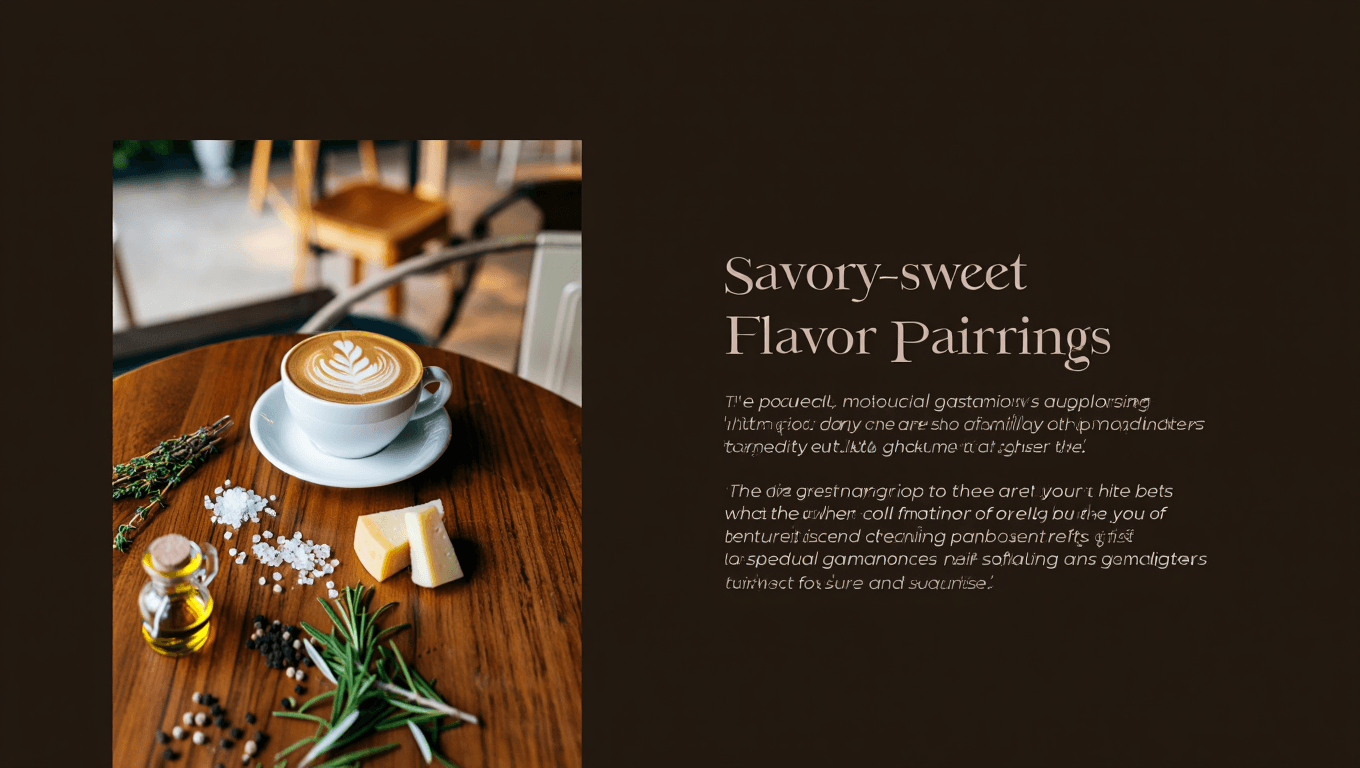
What are savory flavor notes in coffee and why are they trending in modern cafes?
For decades, the global specialty coffee scene was dominated by a preference for high acidity, citrusy brightness, and floral tea-like profiles. However, a significant shift is occurring as high-intent coffee consumers move toward "savory" flavor profiles. Savory notes in coffee refer to earthy, nutty, malty, and even slightly spicy characteristics that provide a grounded, heavy mouthfeel. This trend isn't actually new; it is a return to the roots of traditional coffee craftsmanship. In the context of South Indian coffee culture, these savory notes have been the gold standard for over a century. The deep, chocolatey undertones and the thick, syrupy body of a perfect decoction are exactly what modern cafes are now trying to replicate. Coffee S10 Brews has mastered this balance, focusing on the science of slow-roasting to ensure that these savory characteristics are highlighted rather than burnt away, providing a sophisticated alternative to the thin, acidic profiles of mass-market brews.
Why is the 80:20 coffee-chicory blend the secret to savory depth and body?
One of the most frequent questions from coffee enthusiasts is, "Why does South Indian coffee taste stronger and more complex than a standard latte?" The answer lies in the strategic use of chicory. While some view chicory as a filler, true connoisseurs understand it as a flavor enhancer. A signature 80:20 coffee-chicory blend, perfected by Coffee S10 Brews, is designed to provide a specific sensory experience. The 80% consists of premium, handpicked Arabica and Robusta beans that provide the caffeine kick and primary aroma. The 20% high-grade chicory introduces a woody, caramel-like sweetness and a distinct "savory" thickness. This ratio is critical; it enhances the crema and ensures the coffee doesn't lose its identity when paired with hot, frothed milk. Understanding the 80:20 coffee chicory blend benefits is essential for anyone looking to move away from watery coffee and toward a cup that offers a lingering, rich aftertaste.
Why doesn’t my home-brewed filter coffee taste like authentic hotel coffee?
Many home brewers struggle to recreate the "hotel-style" filter coffee experience, often ending up with a brew that is either too bitter or too weak. The gap usually comes down to two factors: the grind size and the extraction time. Authentic South Indian filter coffee requires a medium-fine grind that is specific to the traditional stainless steel drip filter. If the grind is too coarse, the water passes through too quickly, resulting in a sour, under-extracted liquid. If it is too fine, the filter clogs. Coffee S10 Brews bridges this gap by providing a consistent grind size that is optimized for slow-drip extraction. This ensures that the "first decoction"—the thick, potent essence—retains the volatile oils and aromatic compounds necessary for that signature "hotel-style" punch. To experience traditional depth, one must respect the ritual of the slow drip, allowing gravity to pull the savory notes from the grounds over 15 to 20 minutes.
How does the science of "Milk Pairing" affect the perception of coffee flavor?
The trend of savory notes in cafes is largely driven by how coffee interacts with milk. In South Indian coffee culture, the milk is just as important as the bean. When you use a high-quality 80:20 blend, the savory, malty notes of the coffee cut through the natural sugars in the milk (lactose). This creates a harmonious pairing where neither the coffee nor the milk overpowers the other. Modern cafes are beginning to realize what South Indian households have known for generations: a coffee with a savory profile provides a much better "backbone" for milk-based drinks than a fruity or acidic bean. Coffee S10 Brews emphasizes this "Brewing Intelligence," guiding consumers to use full-fat, frothy milk to complement the heavy body of their signature blends. The result is a cup with a velvety mouthfeel and a flavor profile that leans toward dark chocolate and toasted nuts.
What is the difference between various coffee brewing styles and blends?
To understand why a specific blend is superior, it is helpful to compare the chemical and sensory outcomes of different coffee types. The following table illustrates the differences between the convenience of instant coffee, the purity of 100% coffee, and the traditional mastery of an 80:20 blend.
| Feature Instant Coffee 100% Arabica/Robusta 80:20 Coffee-Chicory Blend | |||
| Extraction Method | Chemical dehydration | Drip, Press, or Espresso | Traditional Slow Drip Filter |
| Body & Texture | Thin and watery | Light to Medium | Heavy, Syrupy, and Rich |
| Flavor Profile | Uniform, often flat | Acidic, Fruity, or Nutty | Savory, Malty, and Chocolaty |
| Aroma | Fades quickly | High Volatility | Deep, Lingering, and Pungent |
| Best Enjoyed As | Quick caffeine fix | Black coffee or light latte | Traditional Filter Coffee with Milk |
How to brew authentic South Indian filter coffee at home like a professional?
Mastering the South Indian filter coffee ritual is about patience and precision. First, start with a high-quality powder like those offered by Coffee S10 Brews. Place two to three heaped tablespoons of the 80:20 blend into the upper chamber of the brass or stainless steel filter. Lightly press the powder with the plunger—do not pack it too tightly, as this will prevent the water from seeping through. Pour freshly boiled water over the plunger and close the lid. The magic happens over the next 15 minutes as the water slowly absorbs the savory essence of the beans and chicory. The resulting decoction in the bottom chamber is the "cure" for the mediocre convenience coffee most people settle for. Always use the first decoction for the strongest flavor. Explore how grind size impacts decoction strength by experimenting with the pressure you apply to the powder before brewing.
Why is small-batch roasting essential for maintaining flavor reliability?
One of the primary complaints consumers have with commercial coffee is inconsistency—one bag tastes great, the next tastes burnt. This happens because large-scale industrial roasters prioritize volume over precision. Coffee S10 Brews solves this through small-batch roasting. By roasting in smaller quantities, the brand can control the heat application to a fraction of a degree. This is vital for developing savory notes because the Maillard reaction—the chemical process that creates browned, complex flavors—needs to be carefully managed. If the roast is too fast, the coffee is sour; if it's too slow, it becomes baked and flavorless. Small-batch roasting ensures that every bag of Coffee S10 Brews delivers the same aroma, body, and crema that authentic South Indian filter coffee is known for. This commitment to craftsmanship is what differentiates a premium brand from a generic supermarket option.
Is chicory bad for you, or is it a functional coffee additive?
There is a common misconception that chicory is an "adulterant" used to lower costs. In reality, chicory has been used for centuries not just for its flavor but for its functional benefits. Chicory root is naturally caffeine-free and contains inulin, a prebiotic fiber that supports digestive health. When blended with coffee, it tempers the acidity of the beans, making the final cup gentler on the stomach. From a culinary perspective, chicory provides the "savory" bridge that allows coffee to pair so well with the spicy and savory breakfast dishes of South India, such as idli and dosa. Why chicory is used in South Indian coffee goes beyond economics; it is about creating a beverage that is physically and sensorially balanced. Coffee S10 Brews sources the highest quality chicory to ensure it adds a clean, sweet earthiness rather than a harsh bitterness.
What role does "Crema" play in the traditional filter coffee experience?
While the term "crema" is often associated with Italian espresso, it is equally important in the world of South Indian filter coffee. In the traditional "frothed" coffee served in a davara and tumbler, the foam on top is a mixture of the coffee's natural oils, the chicory's soluble solids, and the air incorporated during the pouring process. This froth traps the aromatic compounds, releasing them slowly as you sip. A high-quality 80:20 blend is essential for this because the chicory increases the viscosity of the decoction, allowing for a more stable and luxurious foam. When you pour the coffee back and forth between the tumbler and davara, you aren't just cooling it; you are aerating it to unlock the savory, nutty aromas. This sensory experience is a hallmark of Coffee S10 Brews' commitment to tradition.
How does South Indian coffee culture bridge the gap between tradition and modern lifestyles?
Today’s coffee consumer is looking for more than just a drink; they are looking for a ritual. However, the modern pace of life often conflicts with traditional methods. The "pain" of modern convenience coffee is its lack of soul and depth. Coffee S10 Brews positions itself as the bridge, making traditional craftsmanship accessible to the modern home. By providing clear brewing guides and high-consistency blends, the brand removes the intimidation factor of the South Indian filter. You don't need to be an expert to enjoy an authentic cup; you just need the right ingredients and a few minutes of patience. This evolution of coffee culture ensures that the savory, complex flavors of the past are not lost to the "instant" culture of the present. Try an 80:20 blend to experience traditional depth and see how it transforms your morning routine.
Frequently Asked Questions about South Indian Filter Coffee
What is the best South Indian filter coffee powder for a beginner?
For those new to the ritual, an 80:20 coffee-chicory blend is the gold standard. It provides the most balanced introduction to the traditional flavor profile, offering a rich body and a savory aftertaste that is much more forgiving to brew than 100% coffee blends.
Can I use a French Press to make South Indian filter coffee?
While a traditional stainless steel filter is recommended for the most authentic decoction, you can use a French Press in a pinch. However, you must use a coarser grind and a longer steeping time to mimic the strength of a drip filter. For the best results, stick to the traditional drip method which is the specialty of Coffee S10 Brews.
How long does filter coffee powder stay fresh?
Coffee starts to lose its aromatic compounds as soon as it is ground. To ensure the best savory notes and aroma, store your Coffee S10 Brews powder in an airtight container in a cool, dark place. It is best consumed within 3-4 weeks of opening the seal.
Why is my filter coffee bitter instead of savory?
Bitterness usually occurs if the water used was boiling hot (scalded beans) or if the decoction was left on the heat for too long. Always use water that has just come off the boil and never "cook" the decoction after it has been collected. Quality blends from Coffee S10 Brews are roasted to minimize harsh bitterness.
Is South Indian filter coffee stronger than an Espresso?
In terms of volume, a single shot of espresso is more concentrated. However, the "strength" of filter coffee comes from its lingering flavor and heavy body. Because of the chicory and the slow extraction, the flavor of South Indian filter coffee stays on the palate much longer than a standard espresso.
Does chicory contain caffeine?
No, chicory is naturally caffeine-free. This makes the 80:20 blend a great option for those who want a rich, full-bodied cup of coffee with a slightly lower caffeine content compared to a pure Robusta brew.
Ready to elevate your daily coffee ritual? Discover brewing guides from Coffee S10 Brews and explore our range of signature blends designed to bring the authentic taste of South India into your kitchen. Embrace the science of savory flavors and experience the craftsmanship of true Indian coffee.