The Science of "Iced Coffee" vs. "Cold Brew": Which Has More Caffeine?
Uncover the science: Iced Coffee vs Cold Brew. Which refreshing brew truly delivers a stronger caffeine kick for your day? Get the facts here!
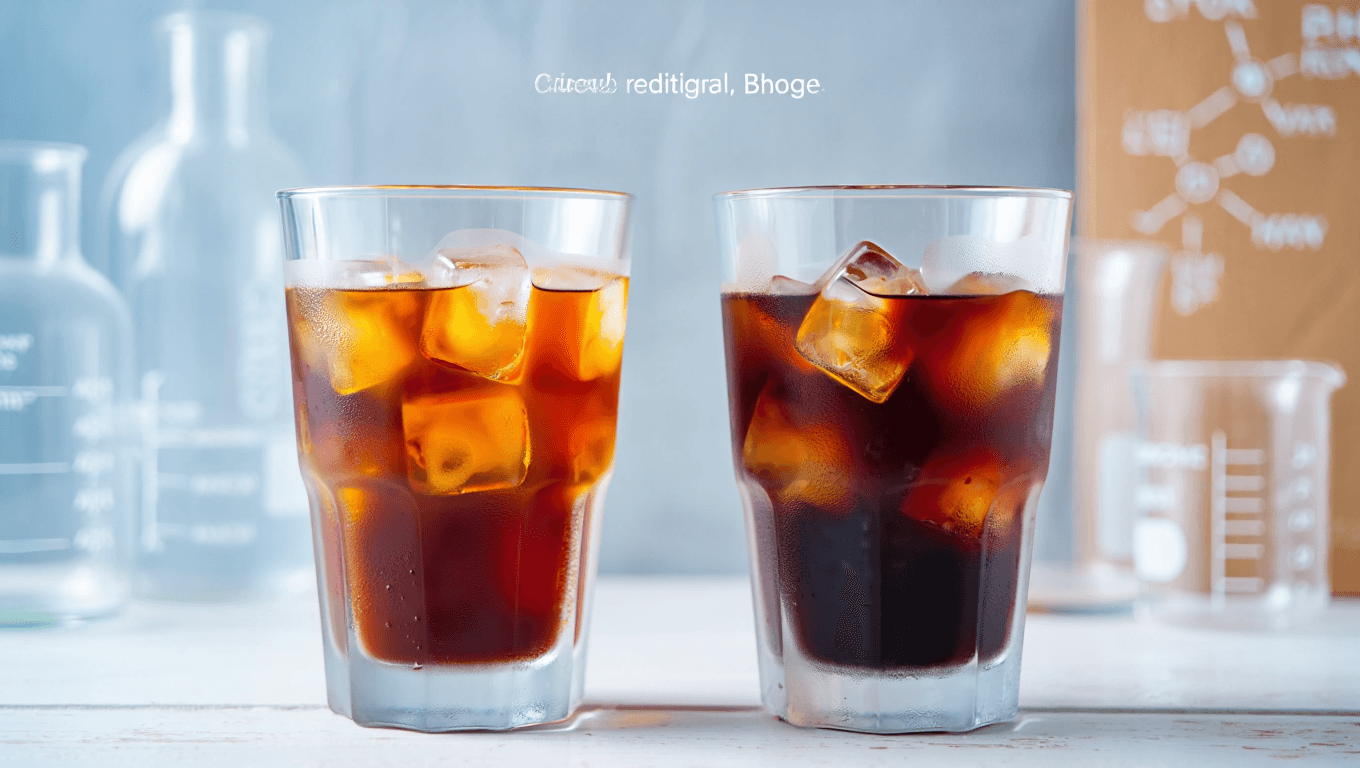
What is the real difference between iced coffee and cold brew caffeine levels?
When consumers search for the strongest caffeine kick, the debate usually settles between iced coffee and cold brew. To understand the science, we must look at the extraction process. Iced coffee is typically brewed hot and then cooled down or poured over ice. This rapid extraction using high heat pulls out caffeine quickly but also releases acidic oils. In contrast, cold brew relies on time—often 12 to 24 hours—using room temperature or chilled water. Because cold brew uses a much higher coffee-to-water ratio (often double or triple the grounds), it generally contains a higher concentration of caffeine per ounce than standard iced coffee. However, for the South Indian palate, the "strength" of coffee isn't just about a caffeine jitters-inducing number; it is about the "decoction" strength. At Coffee S10 Brews, we believe that the soul of a great cold beverage lies in the concentration of the base, much like the traditional first-press decoction used in South Indian households for generations.
Why does South Indian filter coffee decoction make the best base for cold coffee?
Traditional South Indian filter coffee is essentially a hot-extracted concentrate. The slow-drip process through a stainless steel coffee filter yields a thick, viscous liquid known as the decoction. This method is surprisingly similar to the logic behind cold brew concentrates. When you use a premium 80:20 coffee-chicory blend like the one crafted by Coffee S10 Brews, the resulting decoction is robust enough to withstand dilution by milk and ice. Most modern iced coffees taste "thin" because the base coffee isn't strong enough. By using the South Indian method, you are starting with a liquid that has a high TDS (Total Dissolved Solids) count. This ensures that even as the ice melts, the deep, chocolatey notes of the handpicked Arabica and Robusta beans remain prominent, providing a sensory experience that instant coffee or diluted espresso simply cannot match.
Does a coffee-chicory blend like the Coffee S10 Brews 80:20 ratio affect caffeine?
One of the most common questions from coffee enthusiasts is: "Why is chicory used in South Indian coffee, and does it lower the caffeine?" Purely from a chemical standpoint, chicory is caffeine-free. Therefore, an 80:20 blend will have slightly less caffeine than a 100% pure coffee blend of the same weight. However, caffeine content is only one part of the "strength" equation. The 20% chicory in the Coffee S10 Brews signature blend serves a vital purpose: it enhances the body, thickness, and "bittersweet" profile of the brew. In a cold coffee application, this is a game-changer. While 100% coffee can sometimes feel acidic or sharp when chilled, the 80:20 ratio provides a mellow, syrupy consistency that coats the palate. This creates the illusion of a "stronger" cup because the flavor persists longer in the aftertaste. For those seeking the best South Indian filter coffee powder, the 80:20 ratio is the golden standard for achieving that "hotel-style" richness at home.
How does brewing time impact the caffeine extraction in cold brew vs. hot-brewed iced coffee?
The physics of coffee extraction tells us that heat acts as a catalyst. Hot water (90°C to 96°C) extracts caffeine almost instantly. In the 15 to 20 minutes it takes for a South Indian filter to drip, the majority of the caffeine is already captured in the first press. Cold brew, however, is a marathon. Because the water is cold, the molecular movement is slower, requiring 18+ hours to pull the caffeine from the cellulose of the bean. If you are looking for an immediate caffeine hit, a hot-brewed decoction poured over ice is superior. If you prefer a smoother, less acidic, but highly concentrated "fuel" that you can dilute throughout the day, the cold brew method wins. Coffee S10 Brews advocates for "Brewing Intelligence"—understanding that the grind size must match the time. For cold brew, a coarse grind is essential, whereas our traditional filter coffee powder is precision-ground to ensure the perfect resistance for a 15-minute drip, maximizing both caffeine and aroma.
Why does my home-brewed iced coffee taste watery compared to hotel-style filter coffee?
The "watery coffee" syndrome is the number one pain point for home brewers. The secret to that thick, frothy, "hotel-style" filter coffee lies in two factors: the decoction density and the milk-to-coffee ratio. Most people make the mistake of using too much water in their filter. To replicate the Coffee S10 Brews experience, you must use a heavy, slow-dripping decoction. When making iced coffee, many use standard drip machines which produce a beverage that is 98% water. When ice is added, it becomes 99% water. Authentic South Indian filter coffee uses a very small amount of water to extract a very powerful essence. By using our small-batch roasted 80:20 blend, you get a decoction that is naturally thicker due to the chicory's soluble fiber. This creates a structural integrity in the drink that prevents it from tasting "diluted," even when served over a glass full of ice.
Can you use South Indian filter coffee powder for a modern cold brew?
This is a brilliant way to bridge tradition with modern convenience. While traditional cold brew typically uses a coarse "sea salt" grind, you can certainly use South Indian filter coffee powder for a "short-steep" cold brew. Because the grind size of Coffee S10 Brews powder is fine-to-medium (optimized for the stainless steel filter), it has a larger surface area. If you steep this powder in cold water, it will extract much faster than coarse grounds—usually in 6 to 8 hours. The result is a uniquely Indian cold brew: intense, earthy, and naturally sweet. This method bypasses the heat entirely, resulting in zero bitterness and a very high caffeine concentration. It is the perfect solution for the busy professional who wants the "craftsmanship" of traditional Indian coffee without the morning ritual of waiting for the filter to drip.
The chemistry of bitterness: How temperature affects flavor profiles in cold versus hot brewing?
Caffeine itself is bitter, but much of the unpleasant bitterness in coffee comes from tannins and acids that are only soluble at high temperatures. When you brew iced coffee by pouring hot coffee over ice (the "flash brew" method), you are capturing those acidic notes. This can be refreshing if you are using a light-roast fruity Arabica. However, for a traditional, comforting cup, the cold brew method or the slow-drip South Indian method is preferred. The chicory in the Coffee S10 Brews 80:20 blend undergoes a caramelization process during roasting. When brewed slowly, these sugars dissolve, providing a natural sweetness that balances the caffeine's bitterness. This is why many people find they need less sugar in a South Indian filter coffee compared to a standard black iced coffee. The sensory descriptors here are key: instead of "sharp" and "acidic," think "malty," "nutty," and "velvety."
Understanding the role of grind size and roast profile in caffeine concentration
A common myth is that dark roast coffee has more caffeine. In reality, light roasts are denser and often have slightly more caffeine by volume. However, South Indian filter coffee typically utilizes a medium-to-dark roast because it develops the "roasty" flavors that pair perfectly with milk. Coffee S10 Brews focuses on consistency in roasting. Our beans are handpicked and roasted in controlled batches to ensure that the cellular structure of the bean is opened just enough to release caffeine without burning the delicate oils. The grind size is equally critical. If the grind is too coarse, the water passes through too quickly, leaving the caffeine behind. If it is too fine, the filter clogs. Our "Brewing Intelligence" ensures that every bag of Coffee S10 Brews powder is ground to the exact micron level required for optimal decoction strength, ensuring you get the full caffeine potential in every spoonful.
Comparing Brewing Methods and Blends
To help you decide which method suits your lifestyle and caffeine needs, we have compiled a comparison of the most popular ways to consume Indian coffee.
| Feature Instant Coffee 100% Arabica Filter Coffee 80:20 Coffee-Chicory (S10 Brews) | |||
| Caffeine Strength | Low to Medium | High | Very High (due to Robusta/Arabica mix) |
| Body & Viscosity | Thin / Watery | Medium | Thick / Syrupy |
| Aroma | Faint / Artificial | Floral / Acidic | Caramel / Earthy / Intense |
| Best Preparation | Quick mix with water/milk | Black coffee / Pour-over | Traditional Filter / Strong Iced Coffee |
| Preparation Style Cold Brew (18 hours) Iced Filter Coffee (Hot Decoction) Hotel-Style "Degree" Coffee | |||
| Flavor Profile | Smooth, low acid, sweet | Bold, aromatic, classic | Ultra-creamy, frothy, heavy |
| Caffeine Impact | Sustained, slow release | Immediate, sharp | Balanced with milk fats |
| Convenience | Make once, lasts 5 days | Requires daily ritual | Best enjoyed fresh |
Is the 80:20 coffee-chicory blend the secret to a thicker, creamier cold coffee?
In the world of specialty coffee, chicory is often misunderstood. However, in the context of South Indian coffee culture, it is the "secret sauce." When making cold coffee—whether it is a frappe, a cold brew, or a simple iced milk coffee—the fat content of the milk needs something to "grip" onto. Pure coffee often lacks the soluble solids to create a unified texture with cold milk. The 20% chicory in Coffee S10 Brews acts as an emulsifier of sorts, creating a rich, dark decoction that blends seamlessly with dairy or plant-based milks. This results in a "crema-like" top and a heavy mouthfeel that persists even after the ice has partially melted. This is why many high-end cafes in India are returning to the 80:20 blend for their signature cold brews; it provides a nostalgic, traditional depth that 100% coffee simply cannot replicate. Explore how grind size impacts decoction strength by experimenting with our signature blend for your next cold brew batch.
How to brew authentic filter coffee at home for a refreshing iced beverage?
Transitioning from a hot morning ritual to a refreshing afternoon iced coffee is simple if you have the right technique.
- The Base: Add 3-4 tablespoons of Coffee S10 Brews powder to the top compartment of your stainless steel filter. Tamper it lightly with the plunger.
- The Extraction: Pour boiling water over the powder and let it sit for 15-20 minutes. This "first press" is your gold mine of caffeine and flavor.
- The Chill: Fill a tall glass with large ice cubes (large cubes melt slower, preventing dilution).
- The Mix: Pour 60ml of the fresh decoction over the ice. Add cold, full-fat milk (or oat milk for a nutty twist).
- The Sweetener: Use jaggery or simple syrup, as they dissolve better in cold liquids than granulated sugar.
This method bridges the gap between the traditional South Indian craftsmanship and modern iced coffee culture, positioning you as a master of the ritual in your own kitchen.
Frequently Asked Questions About Caffeine and Filter Coffee
Does South Indian filter coffee have more caffeine than espresso?
Per ounce, a traditional South Indian decoction is very similar to espresso in caffeine concentration. However, because a standard serving of filter coffee uses more decoction than a single shot of espresso, it often provides a more significant caffeine boost.
Why is chicory used in South Indian coffee if it has no caffeine?
Chicory is used for its sensory properties: it adds a deep woody aroma, a lingering bittersweet taste, and a thick consistency (body) that pure coffee lacks. It makes the coffee "stand up" better against the sweetness of milk and sugar.
Is cold brew stronger than iced coffee?
Generally, yes. Cold brew uses a higher coffee-to-water ratio during the steeping process, making the concentrate much higher in caffeine. However, if you dilute it heavily with water or milk, the final caffeine per cup may be similar to iced coffee.
How long does fresh coffee decoction stay good in the fridge?
For the best flavor and caffeine integrity, we recommend using Coffee S10 Brews decoction within 24 hours. While it can stay in the fridge for up to 2 days, the delicate aromatic oils begin to dissipate after the first day.
What is the best 80 20 coffee chicory blend benefits for health?
Chicory is a natural source of inulin, a prebiotic fiber that aids digestion. By using an 80:20 blend, you are slightly reducing your total caffeine intake per cup while gaining the digestive benefits of chicory, making it "gentler" on the stomach for many drinkers.
Can I use instant coffee to make authentic South Indian cold coffee?
While you can make "cold coffee" with instant powder, it will lack the complex flavor profile, the thick mouthfeel, and the authentic aroma of a brewed decoction. Authentic filter coffee provides a much deeper sensory experience and a cleaner caffeine "high" without the chemical aftertaste often found in instant varieties.
At Coffee S10 Brews, we are committed to bringing the heritage of the South Indian coffee plantation directly to your modern kitchen. Whether you are brewing a steaming cup of traditional "Degree" coffee or experimenting with the latest cold brew trends, our signature blends offer the freshness, consistency, and craftsmanship you deserve. Discover our range of brewing guides and premium powders to elevate your daily coffee ritual from a habit to an art form.