What is Peaberry Coffee? Unique Beans Explained
Curious about Peaberry Coffee? Uncover the secrets of these rare, single-bean wonders. Understand their distinct taste & why they're prized by connoisseurs.
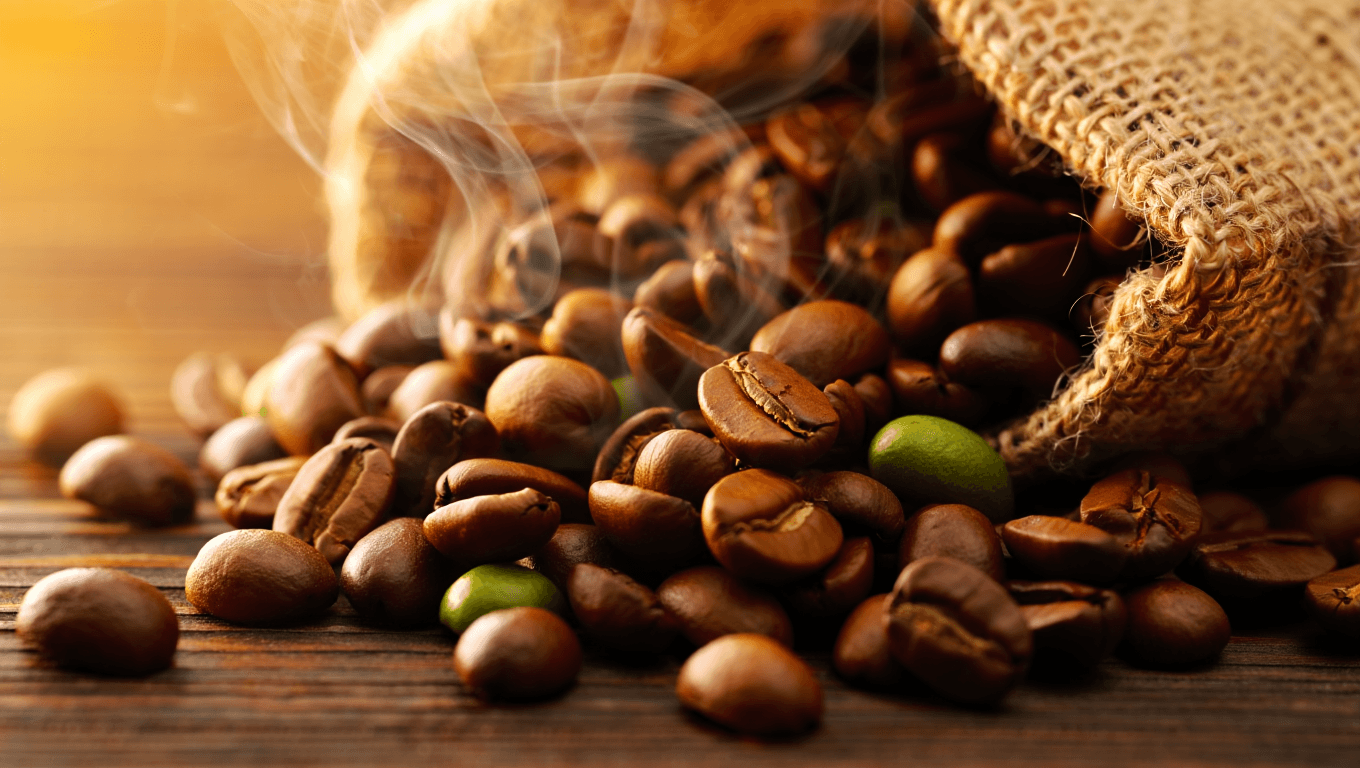
What is Peaberry coffee and why is it so rare in the world of specialty beans?
In the vast landscape of coffee cultivation, nature occasionally presents us with a beautiful anomaly. Normally, a coffee cherry develops two seeds that grow face-to-face, resulting in the familiar flat-sided beans we see in most bags. However, in approximately 5% to 10% of any given harvest, only one of the two ovules is fertilized. This single seed matures without a neighbor to press against, growing into a small, dense, and perfectly oval bean known as a Peaberry. Because they are a natural mutation rather than a specific variety of the plant, Peaberry coffee beans must be painstakingly hand-sorted from the rest of the harvest, making them a rare and highly sought-after prize for connoisseurs.
For those searching for the best South Indian filter coffee powder, the Peaberry bean is often the "secret ingredient." Its physical density is higher than a standard flat bean, which allows it to hold heat more effectively during the roasting process. This results in a more uniform roast and a concentrated flavor profile. At Coffee S10 Brews, we recognize that the Peaberry isn't just a defect; it is a gift from nature that, when handled with traditional craftsmanship, yields a cup of coffee with unparalleled depth and aroma.
Why is South Indian Peaberry coffee considered superior for traditional filter kaapi?
South Indian coffee culture, particularly the ritual of "Degree Coffee," has long revered the Peaberry bean. But why? The answer lies in the chemistry of the bean. Because the Peaberry is a single seed, it is believed to receive all the nutrients and sugars that would normally be shared between two beans. This results in a higher concentration of oils and acids, translating to a more vibrant and complex flavor profile once brewed. When you drink a cup of authentic South Indian filter coffee, the brightness and lingering sweetness you experience often come from these high-quality Peaberry inclusions.
Furthermore, the round shape of the Peaberry allows the beans to roll more easily in the roasting drum. This leads to a consistent, even roast that minimizes burnt edges or under-roasted centers. For a brand like Coffee S10 Brews, this consistency is vital. We utilize small-batch roasting to ensure that every Peaberry bean reaches its peak potential, preserving the delicate floral notes and robust body that South Indian coffee lovers crave. This meticulous attention to detail is what separates a generic grocery store blend from a premium, artisanal coffee experience.
How does an 80:20 coffee-chicory blend enhance the Peaberry experience?
One of the most common questions among coffee enthusiasts is: "Why is chicory used in South Indian coffee?" While some view it as a mere additive, in the context of Peaberry coffee, it serves a critical functional role. A 80 20 coffee chicory blend is the golden ratio of the South Indian tradition. The 80% represents high-quality Arabica and Robusta beans—often including a significant portion of Peaberry—while the 20% chicory acts as a catalyst for texture and color.
Peaberry coffee provides the high-altitude acidity and complex aroma, but chicory provides the "body" or thickness. When brewing a decoction in a traditional stainless steel filter, the chicory helps extract more flavor from the coffee grounds and results in a dark, viscous liquid. This viscosity is essential for the coffee to "hold" its form when mixed with frothy, high-fat milk. Coffee S10 Brews champions this signature 80:20 blend because it strikes the perfect balance: the chicory enhances the crema and mouthfeel without overpowering the distinct, nuanced notes of the handpicked Peaberry beans.
What are the sensory differences between Peaberry and regular coffee beans?
If you were to conduct a side-by-side tasting, the differences between Peaberry and standard "flat" beans would be immediately apparent. Peaberry coffee tends to have a "brighter" acidity—not sour, but a pleasant, sparkling quality that cleanses the palate. The aroma is often more intense, filling the room with notes of caramel, toasted nuts, and a hint of spice. This is particularly important for high-intent coffee consumers who view their morning cup as a sensory ritual rather than just a caffeine delivery system.
The body of a Peaberry-heavy blend is also noticeably silkier. While regular beans provide the foundational "earthy" notes typical of Indian monsooned or plantation coffees, the Peaberry adds a layer of sophistication. This is why many upscale "hotels" and traditional cafes in South India insist on a Peaberry-rich mix. They understand that the "strength" of coffee isn't just about bitterness; it's about the complexity of the aftertaste. By choosing Coffee S10 Brews, you are accessing that professional "hotel-style" depth from the comfort of your own kitchen.
Peaberry vs. Regular Flat Beans: A Comparison Table
To better understand the value of Peaberry coffee, it is helpful to look at the physical and flavor characteristics compared to standard coffee beans found in most commercial blends.
| Feature Peaberry Beans Regular Flat Beans | ||
| Formation | Single seed per cherry (natural mutation) | Two seeds per cherry (standard) |
| Shape | Small, round, and dense | Flat-sided and oval |
| Roast Uniformity | Very High (rolls easily in the roaster) | Standard (can roast unevenly on flat edges) |
| Flavor Concentration | Concentrated, bright acidity, sweet finish | Balanced, earthy, mellow |
| Market Availability | Limited (approx. 5% of harvest) | Widely available |
Why does my filter coffee not taste like "Hotel Coffee" at home?
This is perhaps the most common frustration for coffee drinkers. You buy a bag of coffee, you use a filter, but the result is watery or overly bitter. The "hotel taste" is achieved through three specific pillars: the bean grade, the grind size, and the decoction time. Most hotels use a blend that heavily features Peaberry for its punch and density, combined with a precise amount of chicory for that thick, lingering mouthfeel. If you are using a 100% Arabica flat-bean coffee, you will never achieve that specific South Indian profile.
Another factor is the freshness of the grind. Coffee S10 Brews ensures that our Peaberry-enriched blends are ground to a specific "medium-fine" consistency—too coarse and the water rushes through; too fine and the filter clogs. By controlling the roasting cycles and grind size, we remove the guesswork for you. When you brew our 80:20 blend, you are using the same "brewing intelligence" that professional baristas in Bangalore and Chennai have used for decades to create that perfect, frothy tumbler of kaapi.
How to brew authentic filter coffee at home using Peaberry blends?
The ritual of brewing South Indian filter coffee is as important as the beans themselves. To get the most out of your Peaberry powder, follow these steps:
- The Vessel: Use a traditional stainless steel or brass coffee filter. It consists of two cylinders—the top with tiny perforations and the bottom to collect the decoction.
- The Loading: Add 2-3 tablespoons of Coffee S10 Brews 80:20 Peaberry blend to the upper chamber. Gently press the powder down with the plunger (don't pack it too tight, or the water won't pass through).
- The Water: Pour freshly boiled water over the plunger. Cover it and let it sit for 15-20 minutes. This slow "gravity drip" method is what extracts the intense oils from the Peaberry beans.
- The Mix: Take 20-30ml of the thick decoction and add it to a tumbler. Pour hot, frothy, full-cream milk from a height to create the signature "foam."
By following this method, you allow the unique characteristics of the Peaberry—the concentrated sugars and the dense aroma—to fully bloom. It is a slow process, but it is the antithesis of the "instant" coffee culture that sacrifices flavor for speed.
Understanding the role of chicory in the traditional South Indian coffee ritual
There is a common misconception that chicory is a "filler" used to reduce costs. While low-quality brands may use it that way, in premium South Indian coffee, chicory is a flavor enhancer. Chicory is the roasted root of the Cichorium intybus plant. It has a woody, nutty flavor and, most importantly, it lacks caffeine. When blended with Peaberry coffee, it performs a specific task: it reduces the "thinness" of the coffee decoction.
Why chicory is used in South Indian coffee: Without it, the coffee would taste too sharp when mixed with the large amounts of milk and sugar typical of the region. The chicory provides a chocolatey, caramel-like base that supports the high notes of the Peaberry. At Coffee S10 Brews, we source high-grade chicory to ensure it complements, rather than competes with, our handpicked beans. This creates a balanced cup that is strong yet smooth, avoiding the harsh bitterness found in inferior blends.
Filter Coffee vs. Instant Coffee: Why the ritual matters
For the modern consumer, instant coffee offers convenience. However, the gap in quality is immense. Instant coffee is essentially pre-brewed coffee that has been dehydrated. In the process, most of the volatile aromatic compounds—the very things that make Peaberry coffee special—are lost. What remains is a flat, one-dimensional flavor.
| Criteria S10 Brews Filter Coffee (Peaberry Blend) Commercial Instant Coffee | ||
| Ingredient Quality | Handpicked Peaberry, Arabica, and Robusta | Mass-produced, lower-grade Robusta beans |
| Processing | Slow-roasted, small batches, freshly ground | Industrial spray-drying or freeze-drying |
| Aroma | Intense, complex, and lingering | Faint, often chemical or burnt smell |
| Health & Freshness | High antioxidants, no preservatives | Processed with additives for shelf-life |
Why roasting consistency is the hallmark of Coffee S10 Brews
You may find Peaberry beans from various sources, but the magic happens in the roaster. Peaberry beans are smaller and denser than regular beans, meaning they require a different heat profile. If you roast them like flat beans, you risk scorching the outside while the inside remains raw. This leads to a "grassy" or "ashy" taste that ruins the South Indian filter coffee experience.
Coffee S10 Brews employs "Brewing Intelligence" from the very start. Our roasting experts monitor the temperature and airflow with precision, ensuring that the Peaberry beans achieve a medium-dark roast. This level of roast is the "sweet spot" for filter coffee—it develops the oils necessary for a rich decoction while maintaining the bean's natural acidity. Our commitment to freshness means we don't let our coffee sit on warehouse shelves for months. We roast in controlled cycles to ensure that the bag you open at home smells as fresh as the day it was packed.
Sourcing the best South Indian filter coffee powder for your home
The journey from the high-altitude estates of the Western Ghats to your coffee cup is a long one. Most commercial brands prioritize volume over quality, leading to a mix of broken beans, over-roasted batches, and inconsistent chicory ratios. To truly experience the benefits of a 80 20 coffee chicory blend, you must look for a brand that values the craft.
Coffee S10 Brews was founded on the principle of bringing the "Dakhshin" (South) tradition to modern homes without compromise. We bridge the gap between traditional craftsmanship and modern accessibility. Whether you are a lifelong filter coffee drinker or a newcomer looking to move away from instant coffee, our Peaberry-rich blends offer a reliable, premium experience every time. We don't just sell coffee; we provide the tools and education you need to master the art of the perfect brew.
Frequently Asked Questions about Peaberry Coffee and South Indian Kaapi
1. Is Peaberry coffee better than regular coffee?
"Better" is subjective, but Peaberry is widely considered superior for its concentrated flavor, brightness, and roasting uniformity. In the context of South Indian filter coffee, it provides the "punch" and aroma that regular beans often lack.
2. Why is Peaberry coffee more expensive?
Peaberry coffee is more expensive because it is rare (only 5-10% of the crop) and requires intensive labor to hand-sort from the regular flat beans. Its unique flavor profile also drives higher demand among specialty coffee roasters.
3. Can I brew Peaberry coffee without chicory?
Yes, you can. However, if you are looking for the traditional South Indian "hotel-style" taste, a blend with chicory (like the Coffee S10 Brews 80:20 ratio) is recommended to provide the necessary body and color for the decoction.
4. How should I store my Peaberry filter coffee powder?
To maintain freshness, store your coffee in an airtight container in a cool, dark place. Avoid the refrigerator, as coffee absorbs odors and moisture. Coffee S10 Brews packaging is designed to preserve freshness, but transferring to a tin after opening is best.
5. What is the best ratio for a strong decoction?
For a strong, "degree" style coffee, use 2-3 tablespoons of powder for every 100ml of water. Ensure the water is just off the boil (around 92-96°C) to avoid scalding the delicate Peaberry oils.
6. Does Peaberry coffee have more caffeine?
No, Peaberry beans do not inherently contain more caffeine than regular beans from the same plant. The perceived "strength" comes from the concentration of flavors and oils, not necessarily a higher caffeine content.
7. Why does Coffee S10 Brews use an 80:20 blend?
After extensive testing, we found that the 80:20 ratio is the "sweet spot" for modern homes. It provides enough Peaberry-driven aroma and caffeine for a wake-up call, while the 20% chicory ensures a thick, creamy texture that pairs perfectly with milk.
Experience the Craftsmanship of Coffee S10 Brews
The world of coffee is vast, but the specific joy of a perfectly brewed South Indian filter kaapi is incomparable. It is a drink that demands patience, quality ingredients, and a respect for tradition. By understanding the unique nature of the Peaberry bean and the science behind the 80:20 blend, you are well on your way to elevating your daily ritual.
Ready to move beyond the ordinary? Explore the range of premium blends at Coffee S10 Brews. From our signature Peaberry-enriched powders to our comprehensive brewing guides, we are here to ensure that every cup you pour is a masterpiece of South Indian heritage. Discover the difference that handpicked beans, small-batch roasting, and true brewing intelligence can make.
Explore our collections and start your journey toward the perfect cup of filter coffee today.