Why Chicory Is Added to Filter Coffee Powder
South Indian filter coffee has a loyal following for a reason. It’s bold, aromatic, creamy, and unmistakably comforting. Yet one question keeps coming up among coffee lovers, professionals, and first-time buyers exploring coffee powder online:
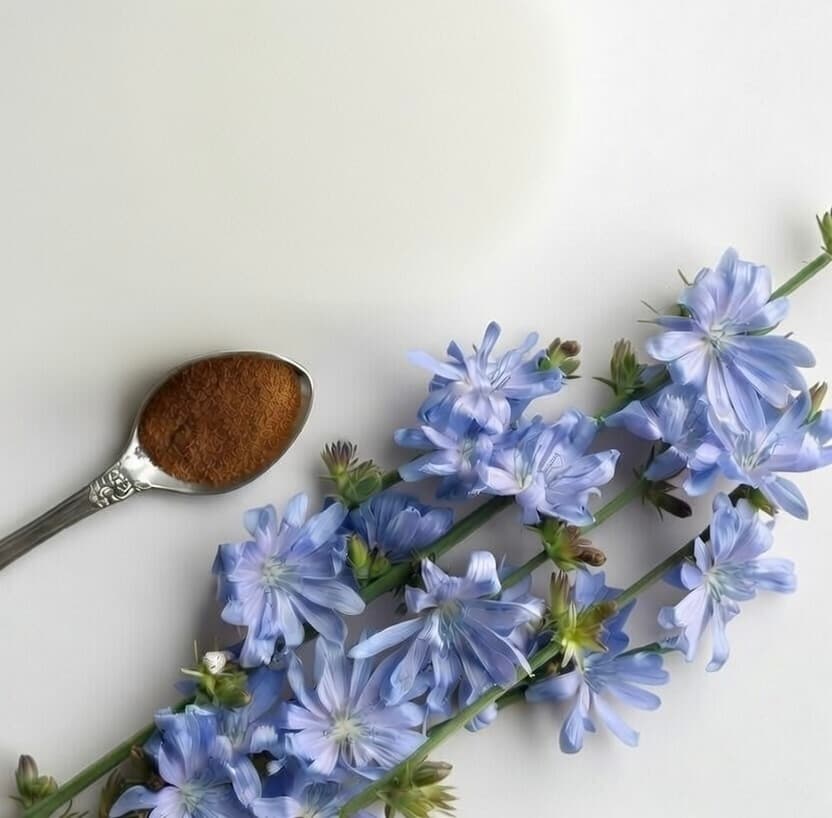
Why does traditional filter coffee powder contain chicory?
Is it a compromise—or a craft?
If you’ve ever wondered which coffee powder is best for filter coffee, or whether chicory affects quality, health, or taste, this deep dive is for you. We’ll unpack the history, science, and sensory experience behind chicory-blended South Indian coffee powder, so you can confidently choose the best coffee powder for your daily brew.
Why Chicory Is Added to Coffee Powder: A Clear Definition
Chicory is added to filter coffee powder to enhance body, crema, bitterness, and aroma while improving extraction in traditional South Indian metal filters. It creates a thicker decoction, balances acidity, and delivers the signature mouthfeel associated with authentic South Indian filter coffee.
The Origins of Chicory in South Indian Filter Coffee
Chicory’s Journey Into Indian Coffee Culture
Chicory didn’t start as a shortcut—it started as a solution.
- Introduced during coffee shortages in colonial India
- Adapted by South Indian households for taste and texture
- Became an integral part of traditional filter coffee powder
Over time, what began as necessity turned into preference. Today, many coffee drinkers actively seek authentic South Indian coffee with chicory for its distinctive sensory profile.
What Exactly Is Chicory?
Chicory comes from the roasted root of the Cichorium intybus plant. Once roasted and ground, it resembles coffee powder but contains:
- No caffeine
- Natural soluble fibers (notably inulin)
- Deep caramelized, woody, bittersweet notes
When blended with pure coffee powder, chicory transforms how the coffee brews and tastes.
How Chicory Enhances Filter Coffee Powder
1. Improves Decoction Strength and Thickness
Traditional South Indian coffee relies on a slow-drip metal filter. Chicory:
- Releases more soluble compounds than coffee alone
- Produces a thicker, more viscous decoction
- Helps milk-based coffee retain structure
This is why filter coffee decoction powder with chicory feels fuller on the palate.
2. Adds Signature Bitterness Without Harshness
High-quality chicory contributes:
- A rounded bitterness
- Less sharp acidity
- Better balance when paired with milk
This is critical for degree coffee powder, which is typically consumed with hot milk and sugar.
3. Enhances Crema and Mouthfeel
While crema is often associated with espresso, South Indian filter coffee has its own creamy foam when poured correctly. Chicory supports this by:
- Improving emulsification
- Enhancing foam stability
- Creating a velvety finish
4. Supports Consistent Brewing
For professionals and households alike, chicory ensures:
- More predictable extraction
- Better flow rate in metal filters
- Reduced chances of under-extracted coffee
This consistency matters when choosing premium filter coffee powder in India.
Does Chicory Mean Lower Quality Coffee?
This is one of the biggest misconceptions when people buy coffee powder online.
The Truth:
Chicory is not a filler when used intentionally and proportionally.
Quality depends on:
- Origin of coffee beans
- Roast profile
- Chicory percentage
- Freshness of grinding
Premium brands use chicory to enhance, not dilute, the experience.
Ideal Chicory Ratios in South Indian Coffee Powder
Different ratios suit different palates:
- 80:20 (Coffee:Chicory) – Balanced, most popular
- 85:15 – More coffee-forward, lighter body
- 70:30 – Very strong, traditional households
When choosing premium South Indian coffee powder, always check the blend ratio.
Which Coffee Powder Is Best for Filter Coffee?
The best Indian filter coffee powder typically has:
- Medium to dark roast
- Arabica-Robusta blend for aroma and strength
- Chicory between 15–25%
- Fine grind suited for metal filters
Look for descriptors like:
- Estate grown coffee powder
- Small batch coffee powder
- Handcrafted coffee powder
These signal care, traceability, and freshness.
Chicory and Health: What You Should Know
Chicory often raises health-related questions, especially among professionals and wellness-conscious consumers.
Evidence-Based Benefits
- Naturally caffeine-free
- Contains inulin, a known prebiotic fiber
- Gentler on digestion compared to high-acidity coffee
There is no credible evidence suggesting chicory is harmful when consumed in normal coffee proportions.
How Chicory Impacts Flavor Notes
In artisanal coffee powder blends, chicory contributes:
- Earthy depth
- Cocoa-like bitterness
- Subtle sweetness after roasting
When paired with estate grown coffee powder, it amplifies complexity rather than masking origin character.
Buying Coffee Powder Online: What to Look For
When shopping for traditional South Indian coffee powder online, prioritize:
- Roast date transparency
- Chicory percentage disclosure
- Small-batch production
- Sealed, aroma-lock packaging
Avoid vague terms like “special blend” without specifics.
Why Freshness Matters More Than Chicory Percentage
Even the best coffee powder fails if stale.
Fresh coffee powder:
- Extracts evenly
- Produces richer aroma
- Preserves chicory’s sweetness
This is why many professionals prefer fresh coffee powder ground in small batches rather than mass-produced blends.
How Premium Brands Use Chicory Differently
Thoughtful roasters don’t treat chicory as an afterthought.
They:
- Roast chicory separately
- Blend post-roast for control
- Test decoction yield repeatedly
Some newer brands—like S10 Brews—approach premium filter coffee powder with this level of precision, offering blends that respect tradition while meeting modern quality expectations.
FAQs: Chicory and Filter Coffee Powder
1. Is chicory necessary in South Indian filter coffee?
It’s not mandatory, but it’s essential for achieving the traditional body, bitterness, and decoction strength associated with authentic South Indian coffee.
2. Can I use pure coffee powder without chicory?
Yes, but the brew will be lighter, more acidic, and less creamy—especially with milk.
3. How much chicory is ideal in filter coffee powder?
Most people prefer 15–25% chicory for balance.
4. Is chicory added to reduce cost?
In low-end blends, yes. In premium blends, it’s added for flavor and performance.
5. Does chicory affect caffeine levels?
Yes. Chicory contains no caffeine, so blends have slightly lower caffeine than pure coffee.
6. Which is better: Arabica or Robusta with chicory?
A blend works best. Arabica adds aroma; Robusta adds strength.
Final Thoughts: Chicory Is Tradition, Not a Compromise
Chicory isn’t about dilution—it’s about design.
When thoughtfully sourced and blended, chicory elevates South Indian filter coffee powder into a drink that’s richer, smoother, and unmistakably authentic. The key is choosing premium coffee powder made with intention, transparency, and respect for tradition.
If you’re exploring authentic degree coffee powder online, look beyond labels. Focus on freshness, blend ratios, and craftsmanship. That’s where exceptional filter coffee begins.